


History has a habit of surprising the people who study it for a living. Just when a timeline feels settled, a tomb opens, a genome gets sequenced, or a laser scanner sweeping over a jungle canopy reveals something nobody expected to find underneath. The past few years have been especially generous this way, handing archaeologists and geneticists discoveries that don’t just add footnotes to old textbooks but force whole chapters to be rewritten. What follows are nine finds from 2024 through 2026 that did exactly that. Each one either overturned a long-held assumption or added a piece of evidence so significant that specialists had to reconsider what they thought they knew.
1. Stonehenge’s Altar Stone Traveled From Scotland, Not Wales

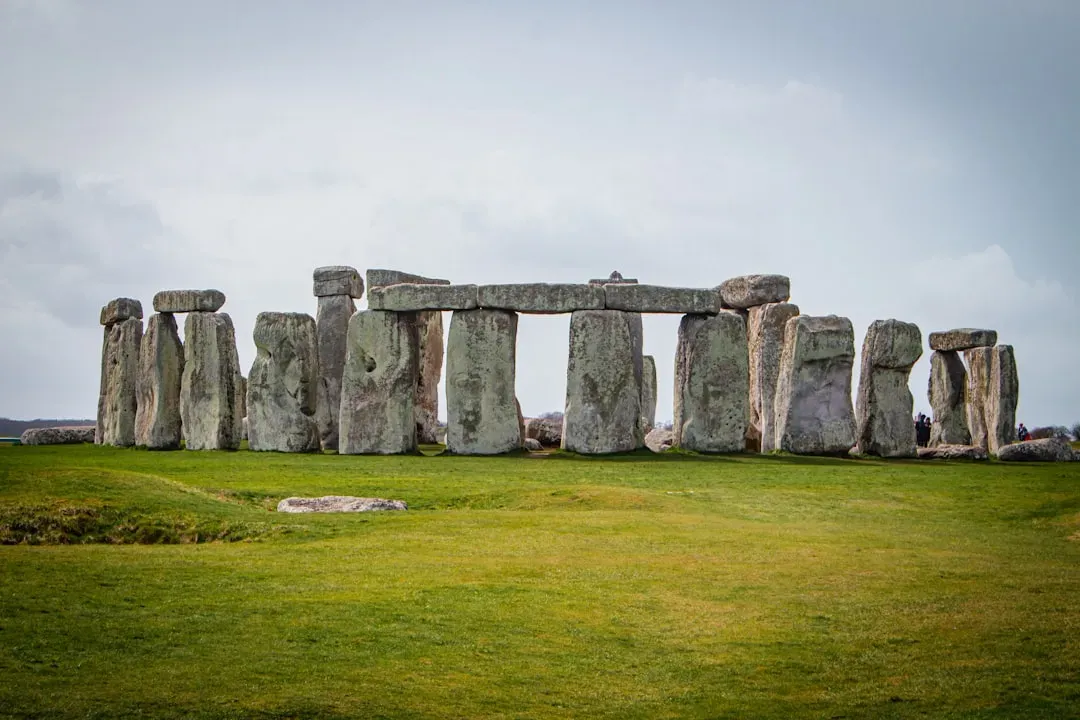
For generations, the working theory held that every major stone at Stonehenge came from relatively nearby quarries in Wales. That assumption cracked in 2024 when geologists ran a fresh chemical analysis on the monument’s six ton Altar Stone. The “bluestones” of Stonehenge were long known to come from Wales, but the central Altar Stone had always been a mystery until chemical analysis in 2024 delivered the answer: it came from Scotland.
The distance involved is what makes this genuinely startling. The minimum transport distance was 750 kilometers, which in the Neolithic represented something close to a moon landing level achievement. Researchers matched the stone using mineral signatures, since zircon and apatite readings matched Old Red Sandstone from the Orcadian Basin in northeast Scotland. It means Neolithic Britain had trade or ceremonial networks stretching far further than anyone had given them credit for.
2. Ancient DNA Revealed the Yamnaya Reshaped Europe’s Gene Pool


Population geneticists have long known that migrations shaped early Europe, but the scale only became clear once large scale ancient DNA sequencing caught up with the questions. A study covering more than 1,600 ancient genomes traced a dramatic shift in the population that swept across the continent. Yamnaya herders arriving from southwest Asia rewrote Europe’s genetic history starting around 5,000 years ago, according to the DNA of more than 1,600 ancient people.
What makes this discovery matter today isn’t just ancestry mapping, it’s health. Northern Europeans may have Yamnaya ancestry to thank for their taller statures and lighter skin, as well as their vulnerability to multiple sclerosis, while Eastern Europeans may have inherited a Yamnaya gene variant linked to Alzheimer’s disease. A single wave of Bronze Age herders, it turns out, still echoes in modern medical statistics.
3. A Massive Stone Amphitheater Predates Farming by Thousands of Years

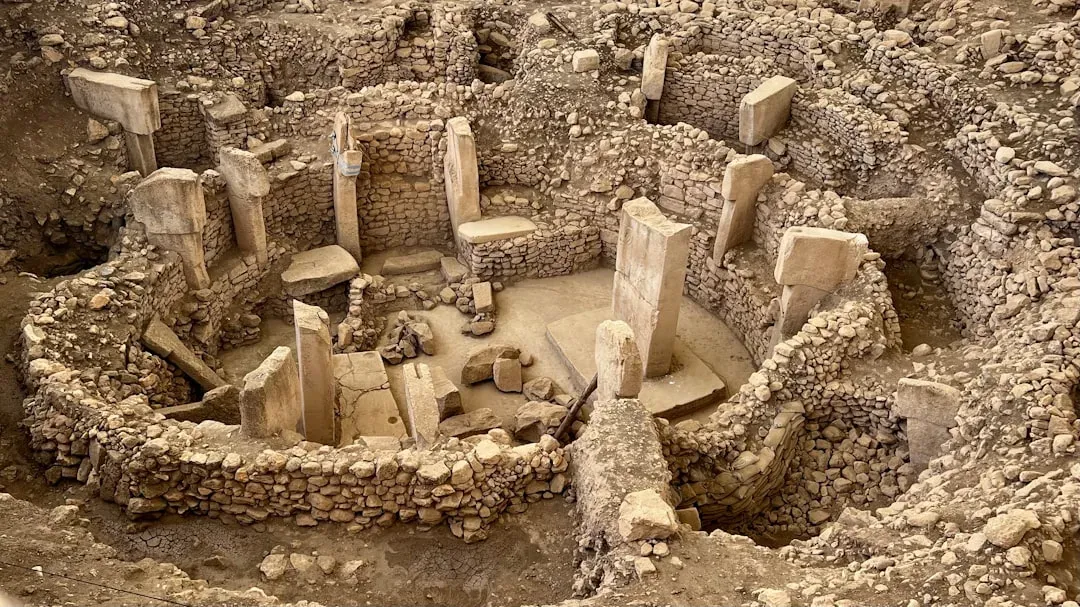
Southeastern Turkey has already reshaped how archaeologists think about the Neolithic thanks to Göbekli Tepe, but a newer find at nearby Karahantepe pushed the story further. At the Neolithic site of Karahantepe, archaeologists uncovered a massive circular structure resembling a modern amphitheater, dating back roughly 11,000 years, featuring tiered stone seating and carved human and animal figures, demonstrating that monumental communal architecture existed long before agriculture became widespread.
The scale of the structure suggests this wasn’t a small ritual gathering spot. The amphitheater’s size indicates it could have accommodated hundreds of participants, and this discovery challenges the long-standing belief that large permanent structures only emerged after farming societies developed. It’s a reminder that hunter-gatherer groups were organizing complex, large-scale projects well before anyone planted a crop on purpose.
4. Lidar Exposed Cities Hidden Under the “Green Desert” of the Amazon

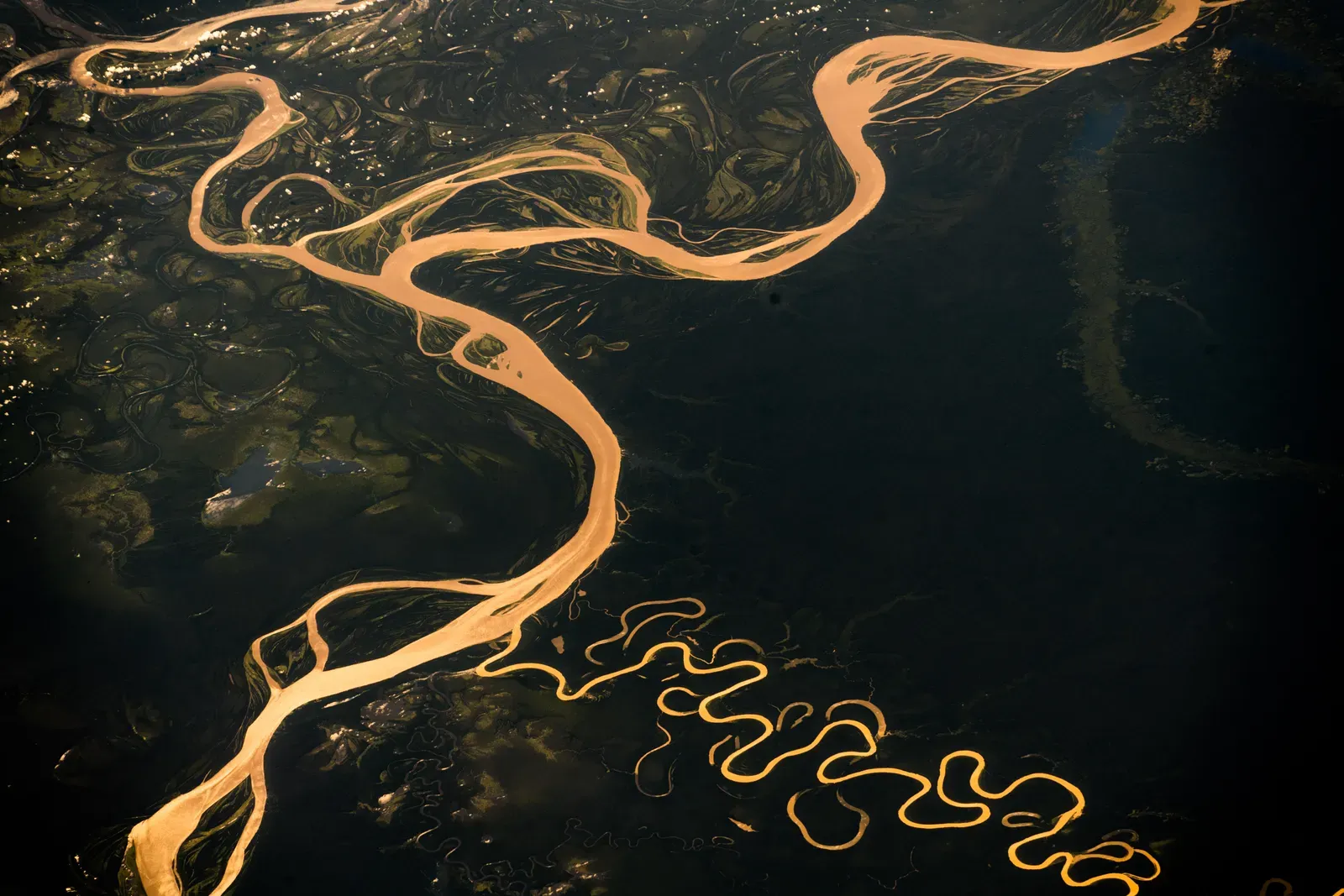
The Amazon rainforest was, for decades, treated as a place that could never have supported dense human settlement. Airborne laser scanning changed that narrative almost overnight. The Amazon was long considered a green desert inhabited only by small tribes, but LiDAR proved that wrong, with researchers in Ecuador discovering a massive urban network roughly 2,500 years old.
The layout wasn’t scattered or improvised, either. The site included five large and ten smaller settlements connected by wide, straight roads, with roughly 6,000 platforms and rectangular earthen foundations for houses and ceremonies, representing an agrarian urbanism woven into farms and gardens rather than cramped stone jungles, and comparable in area to the Giza Plateau. That comparison alone says a lot about how wrong the old assumptions were.
5. Egypt’s First Royal Tomb Discovery Since Tutankhamun

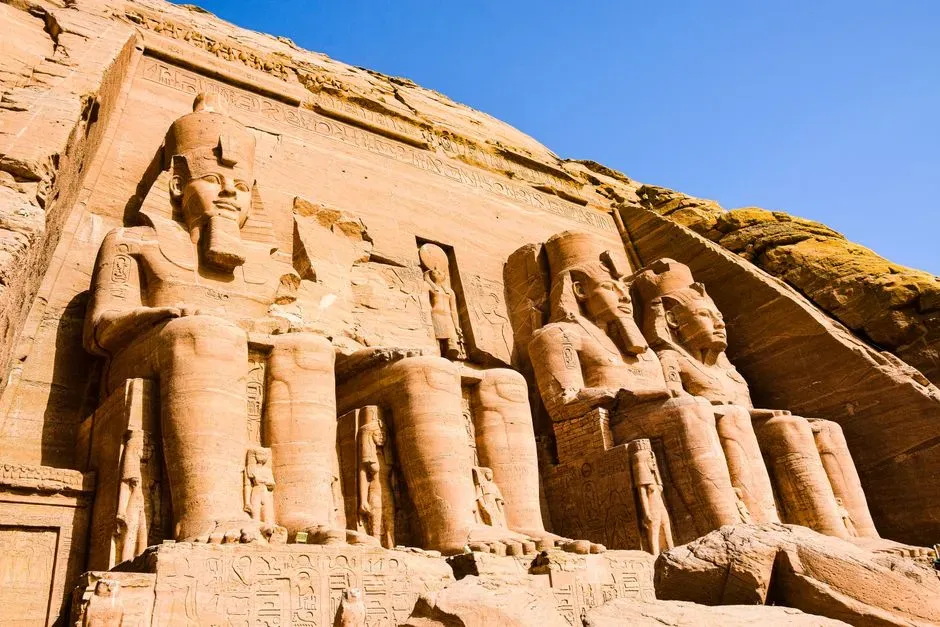
Few announcements in Egyptology carry the weight of a newly found pharaoh’s tomb, and this one had been a century in waiting. Near Luxor’s Valley of the Kings, archaeologists identified the resting place of Thutmose II. The tomb of the Egyptian pharaoh Thutmose II was unearthed in the Valley of the Kings, a vast royal necropolis near ancient Thebes and modern Luxor, where he ruled about 3,500 years ago and was the great-great-great-great-great grandfather of Tutankhamun, and his was the first pharaonic tomb found at the Valley of the Kings since Tut’s.
Partner offer

The identification wasn’t immediate or obvious. Researchers first thought it was the tomb of a minor royal. Only careful analysis of the burial goods and inscriptions confirmed the far bigger significance, filling in a gap in the 18th Dynasty succession that had puzzled Egyptologists for years.
6. The First Full Genome of an Ancient Egyptian Rewrote Migration History

Sequencing ancient DNA from Egypt has always been notoriously difficult because of the hot, dry conditions that degrade genetic material. A breakthrough came when scientists managed to pull a complete genome from a man buried more than 4,500 years ago. Researchers sequenced the entire genome of an ancient Egyptian for the first time, a major milestone in archaeogenetics achieved by scientists from the University of Liverpool.
The results connected two regions that had mostly been studied separately. The researchers extracted DNA from the man’s tooth and compared his genome with genomes from 3,000 modern people and 805 ancient individuals, finding that while 80 percent of his genetic material shows North African Neolithic ancestry, 20 percent traces to Western Asia, especially Anatolia and the Levant, reinforcing archaeological evidence of movement between the Nile Valley and Western Asia during Egypt’s early history. It’s genetic confirmation of trade and migration patterns that archaeologists had long suspected but couldn’t previously prove at this level of detail.
7. A Maya King’s Tomb Confirmed the Origins of a Powerful Dynasty

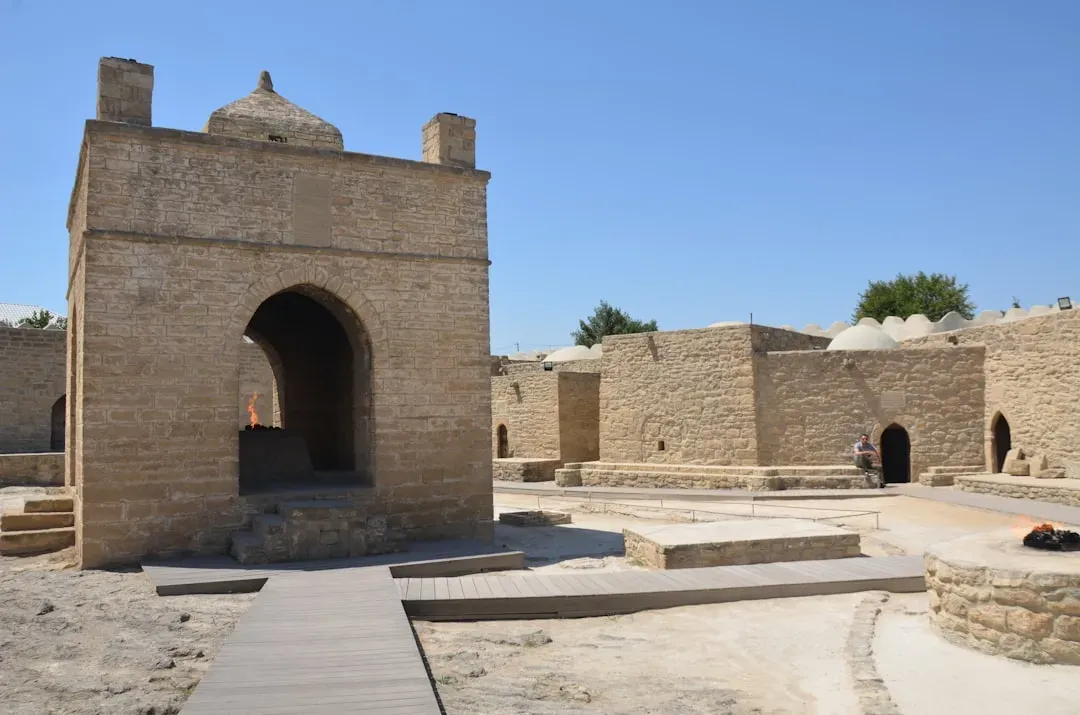
In Belize, decades of patient digging at the ancient city of Caracol finally paid off with the discovery of a founding ruler’s burial chamber. Archaeologists announced their discovery of the 1,700-year-old tomb of Te K’ab Chaak, the founding Maya king of the ancient city of Caracol, with radiocarbon dates matching the chronology of the city’s founding in about A.D. 330.
The grave goods left little doubt about the occupant’s status. Artifacts found in the grave include an ornate death mask made from dozens of pieces of jade, carved bones, jade jewelry and rare Spondylus shells from the Pacific Ocean. The find effectively anchors the start date of a royal dynasty that would go on to dominate the region for centuries.
8. Amenhotep III’s “Egyptian Pompeii” Preserved an Empire at Its Peak

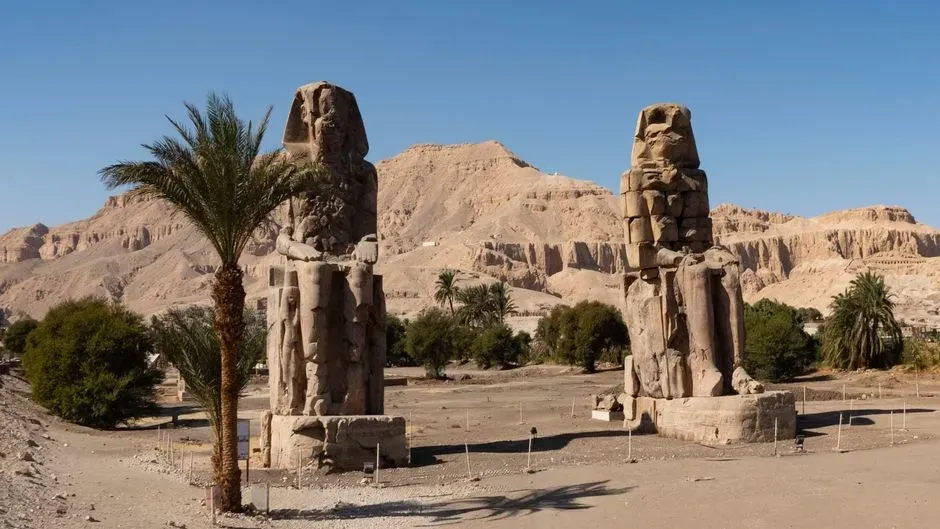
Archaeologists near Luxor set out looking for a mortuary temple and stumbled onto something far larger. Archaeologists were searching for Tutankhamun’s mortuary temple in Luxor and instead found the city of Aten, built by Amenhotep III, which had lain beneath the sand for 3,000 years in near-perfect condition, not just ruins but a frozen moment of an empire at its peak.
The level of preserved daily detail is what surprised specialists most. The site includes unique serpentine mud-brick zigzag walls up to three meters high, a rare architectural feature used for security and zoning. Even a jar of preserved meat survived with its inscription intact, giving Egyptologists an almost embarrassingly precise snapshot of administrative life inside a New Kingdom city.
9. Laser Scans Uncovered an Early Pacific City on Tonga

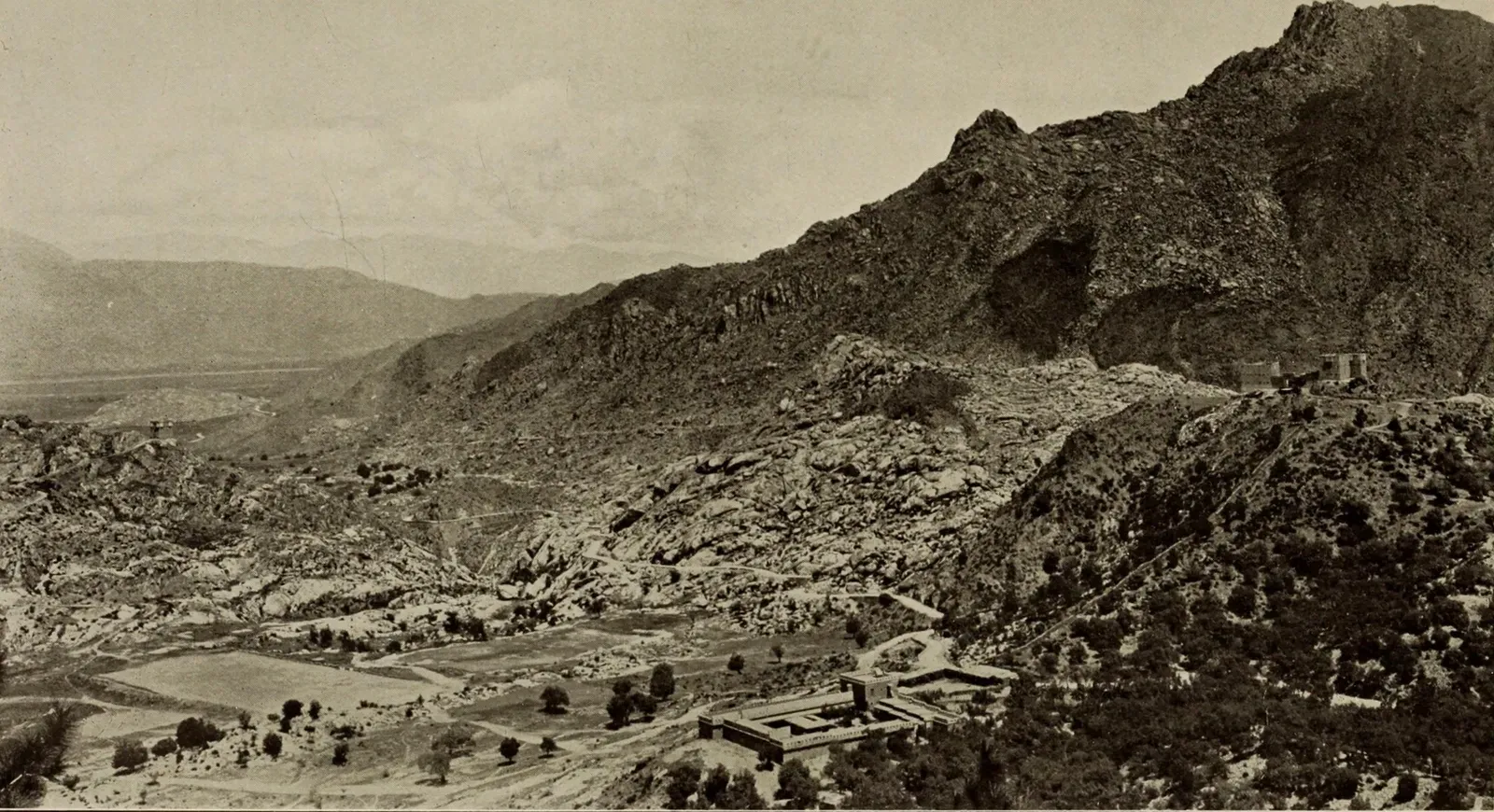
The idea that organized urban life in the Pacific islands developed relatively late took a hit once researchers scanned Tonga’s main island from the air. Advanced aerial scanning in 2024 mapped nearly 10,000 mounds on Tonga’s Tongatapu island, identifying an extended urban settlement dating back to around 300 CE.
That date matters because it pushes back the timeline for complex Pacific settlement by centuries. Once invisible beneath the forest canopy, this city rewrites Pacific history by confirming that organized urban life emerged centuries earlier than previously believed. It’s one more example of how much of the ancient world was hiding in plain sight, waiting for the right technology to notice it.
Taken together, these nine discoveries share a common thread: they didn’t just add detail to the historical record, they challenged the frameworks historians had been building on for decades. A stone amphitheater older than farming, a genome that ties two continents together, a laser scan that turns a “green desert” into a network of cities. Each one is a reminder that the past isn’t finished revealing itself, and the next assumption due for an overhaul might already be sitting in the ground, waiting for someone to dig in the right spot.Partner offer
Planning a trip to Vegas?
Compare hotel rates and show tickets on VEGAS.com.


