Some singers have voices that stop you mid-conversation. You hear them once, and something clicks. It’s not just about hitting high notes or belting out lyrics. It’s about that raw, unmistakable power that makes you feel something deep down. The kind of voice that stays with you long after the song ends.
Throughout music history, only a handful of artists have possessed that rare quality. These aren’t just technically skilled performers. They’re storytellers who could convey heartbreak, joy, or rebellion with a single note. From smoky jazz clubs to stadium rock shows, their voices defined entire generations. Let’s dive into the nine most iconic voices that shaped the soundtrack of our lives.
Aretha Franklin – The Queen Who Redefined Soul

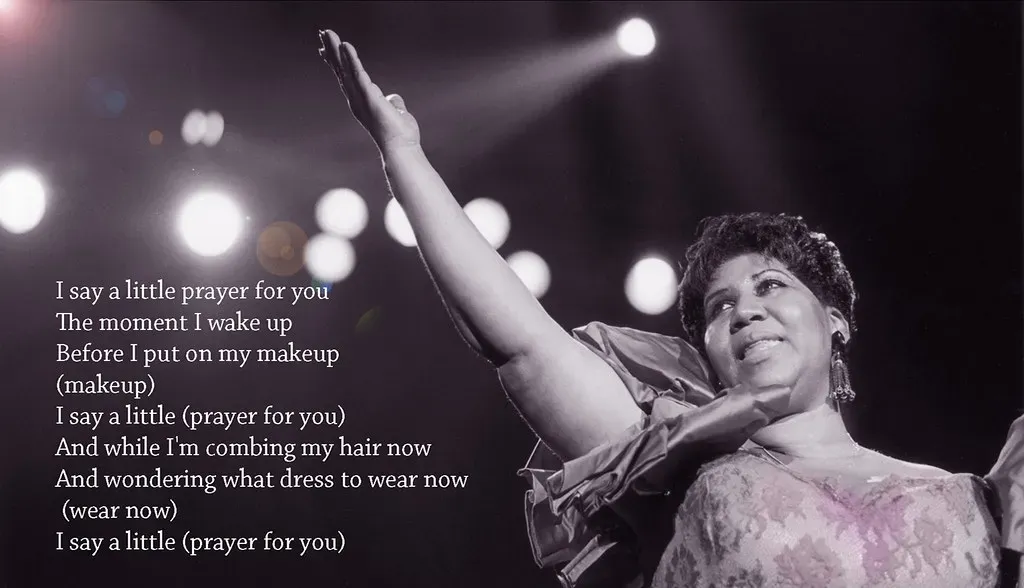
Aretha Franklin didn’t just sing. She commanded every room she entered with a voice that could shake the walls and then soothe your soul in the next breath. Her range was astonishing, but what truly set her apart was the emotional depth she brought to every performance. When she sang “Respect,” it became more than a song. It became a movement.
Growing up in Detroit, Franklin learned to sing in church, where she developed that powerful gospel foundation. That spiritual intensity never left her voice, even when she crossed over into mainstream success. She could make you cry with a ballad or lift your spirits with an upbeat anthem. Her influence on soul, R&B, and pop music remains unmatched to this day.
What’s remarkable is how effortless she made it all look. The runs, the riffs, the way she could hold a note that seemed to go on forever. It wasn’t showing off. It was pure expression. Franklin proved that a great voice isn’t just about technical ability but about connecting with something deeper inside both the singer and the listener.
Freddie Mercury – Rock’s Most Dynamic Showman

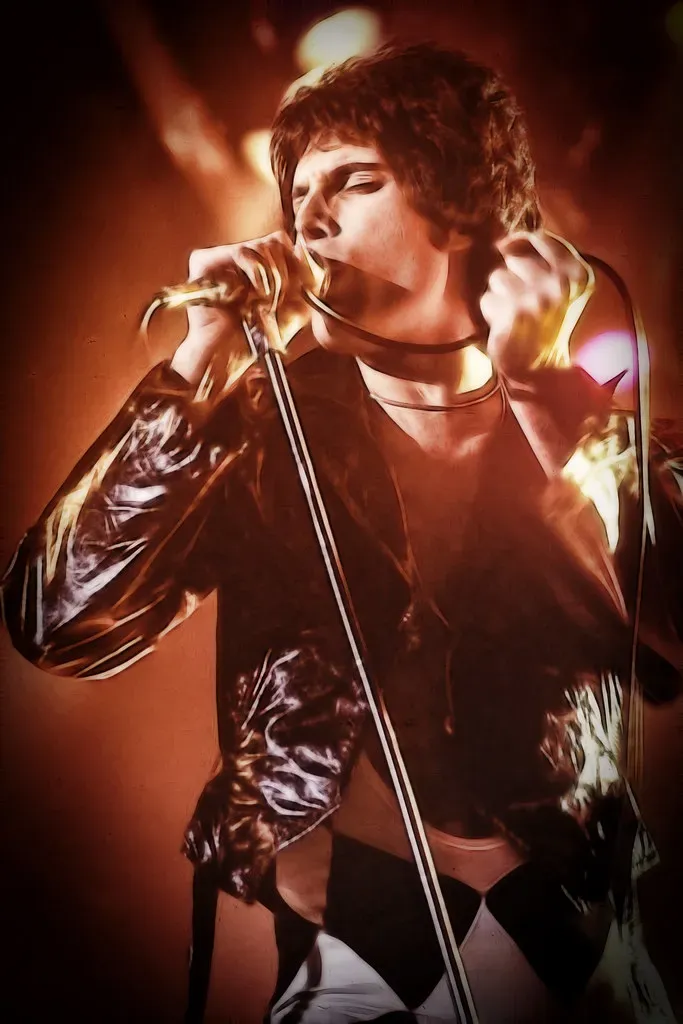
Freddie Mercury possessed a voice that defied categorization. He could belt out rock anthems with raw power, then switch to delicate, operatic passages without breaking a sweat. His four-octave range was impressive, sure, but it was his theatrical delivery that made every Queen song feel like an event. Nobody commanded a stage quite like him.
Born Farrokh Bulsara in Zanzibar, Mercury brought a unique blend of influences to rock music. His background in art school and his love for opera shaped Queen’s sound in ways that were completely unprecedented. Songs like “Bohemian Rhapsody” showcased his ability to take risks that other artists wouldn’t dare attempt. And somehow, he made it all work beautifully.
What made Mercury truly special was his fearlessness. He wasn’t afraid to push boundaries, to be flamboyant, or to experiment with different styles. His voice carried both strength and vulnerability, which resonated with millions worldwide. Even decades after his passing, new generations discover his music and fall under its spell.
Whitney Houston – Pure Vocal Power Meets Technical Perfection

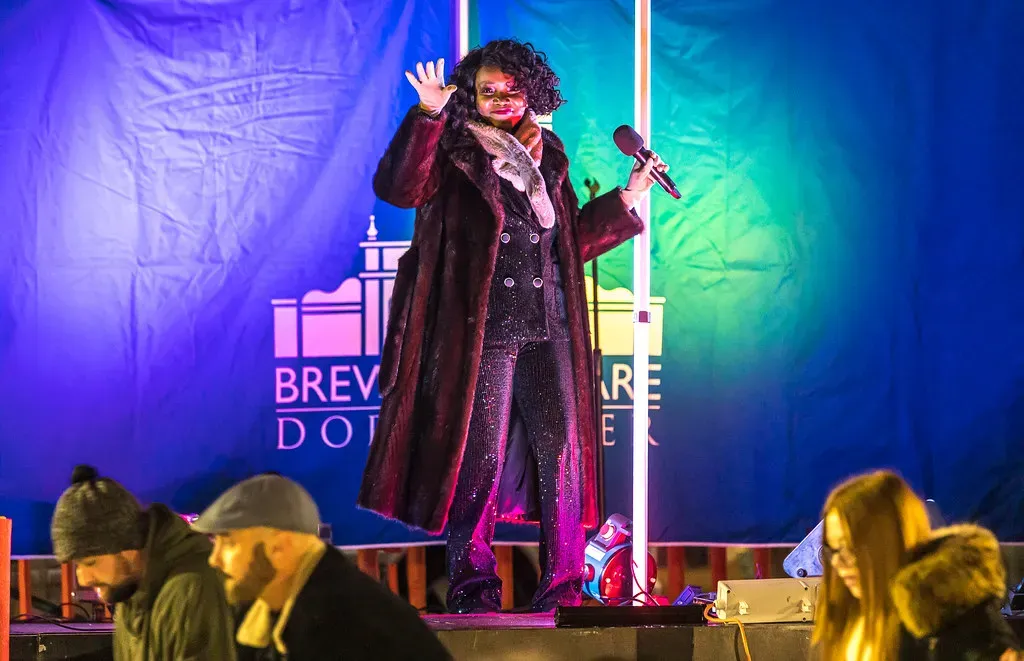
Whitney Houston had what many consider the perfect voice. Clean, powerful, technically flawless, yet deeply emotional. When she sang “I Will Always Love You,” she took a country song and transformed it into one of the biggest ballads in pop history. Her control was extraordinary. Every note landed exactly where it needed to.
Growing up in Newark, New Jersey, Houston came from a musical family that included legendary gospel singers. That foundation gave her voice its spiritual quality, even when she was singing pop or R&B. She could hit those high notes with ease, but she also knew when to pull back and let a softer moment breathe. That balance is what separated her from many of her contemporaries.
Her success opened doors for countless Black female artists in pop music. She proved that a powerful voice could dominate both R&B and pop charts simultaneously. Houston’s influence can be heard in nearly every female vocalist who came after her, from Mariah Carey to Beyoncé. Her legacy continues to inspire singers who dream of achieving that same level of vocal excellence.
Robert Plant – The Voice That Defined Hard Rock


Robert Plant’s voice was raw energy personified. With Led Zeppelin, he created a blueprint for hard rock vocals that countless singers have tried to emulate but never quite matched. His high-pitched wails and bluesy growls became the signature sound of an entire era. “Whole Lotta Love” and “Kashmir” wouldn’t be the same without his primal intensity.
What’s fascinating about Plant is how he blended influences. He drew from blues legends like Robert Johnson and Howlin’ Wolf, but added his own mystical, almost pagan sensibility. His lyrics often referenced Norse mythology and fantasy, giving Zeppelin’s music a unique character. That combination of ancient influences and modern rock power created something entirely new.
Plant’s voice had texture. It could be smooth and seductive, then switch to wild and untamed within the same song. He understood dynamics in ways that many rock singers don’t. Even as he aged, his voice evolved rather than deteriorated, adapting to new styles while maintaining that unmistakable quality that made him a legend.
Ella Fitzgerald – Jazz’s First Lady and Master of Scat

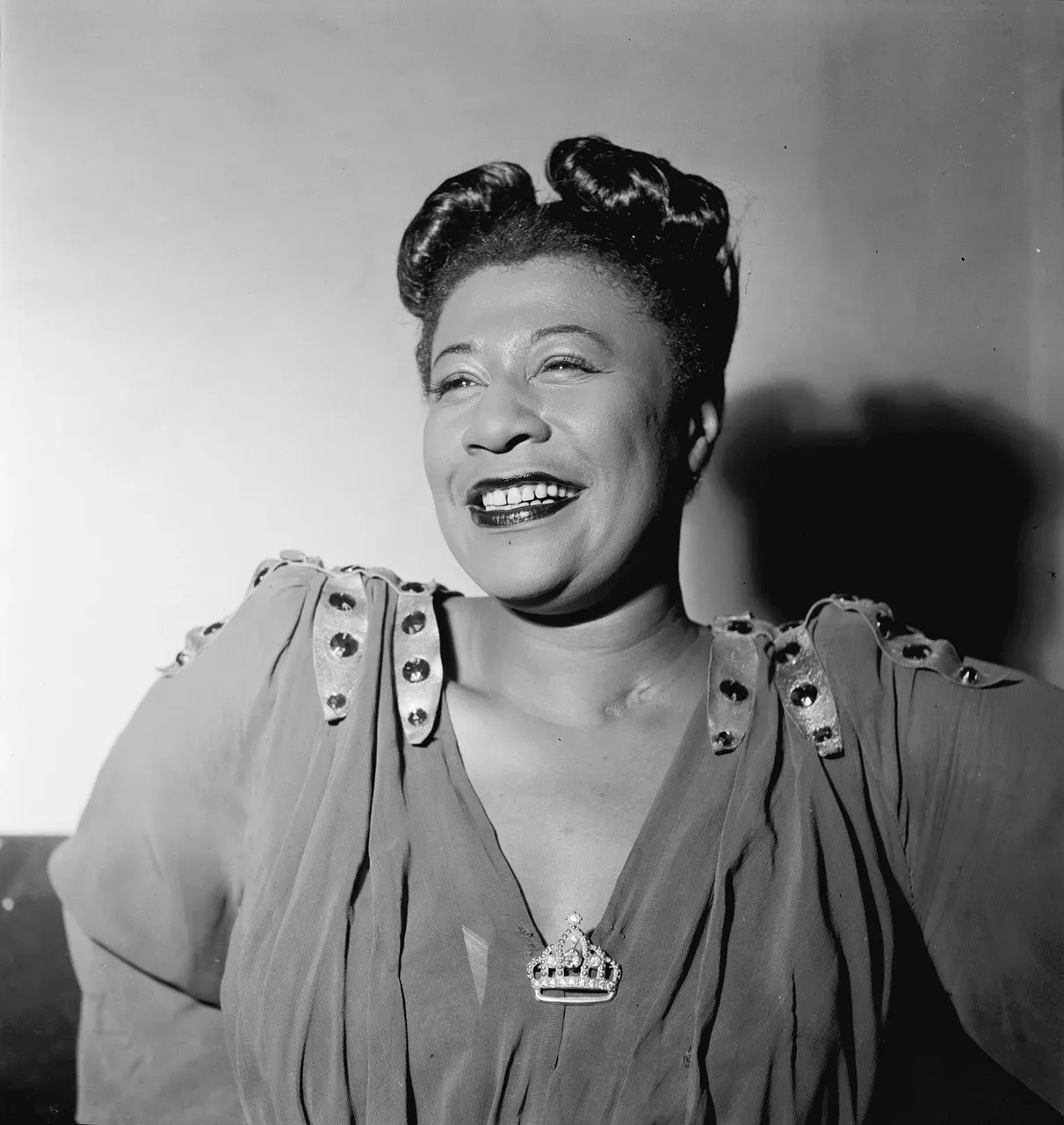
Ella Fitzgerald possessed what might be the most technically perfect voice in music history. Her pitch was impeccable, her tone crystalline, and her sense of rhythm unmatched. But technical skill alone doesn’t explain her magic. She had an innate musicality that allowed her to turn her voice into an instrument, improvising with the same freedom as any jazz instrumentalist.
Her scat singing became legendary. She could mimic trumpets, saxophones, and entire orchestras with just her voice. Songs like “How High the Moon” showcased her ability to create complex melodic lines on the spot. Yet she never lost sight of the emotional core of a song. Even in her most virtuosic moments, she remained connected to the lyrics and their meaning.
Fitzgerald’s career spanned six decades, and she recorded everything from jazz standards to contemporary pop songs. Her versatility was remarkable. She could swing with the best big bands, then turn around and deliver a heartbreaking ballad. Her influence extends far beyond jazz into every corner of popular music.
Marvin Gaye – Smooth Soul with Social Consciousness

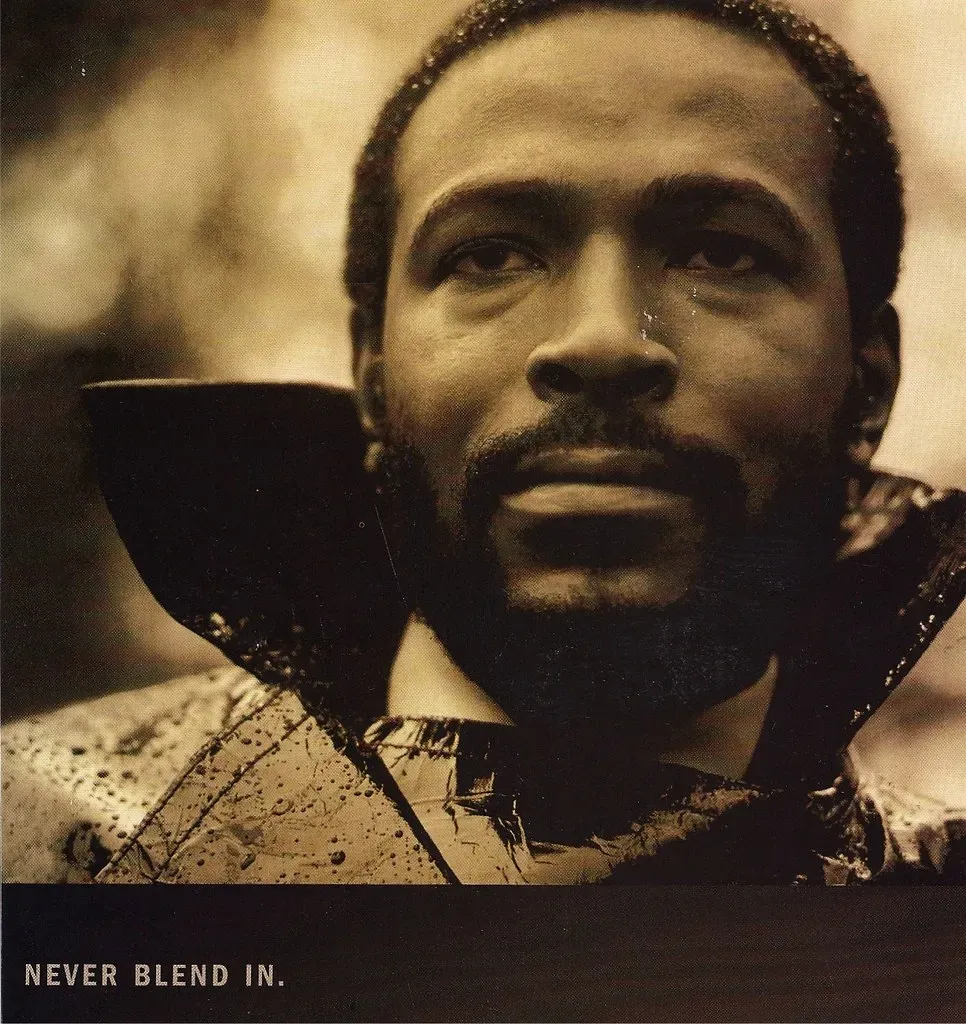
Marvin Gaye had a voice that could make you feel things you didn’t know you were capable of feeling. Smooth as silk, yet filled with yearning and pain. He started as a doo-wop singer and Motown hitmaker, but evolved into an artist who used his voice to address social issues. “What’s Going On” remains one of the most important albums ever recorded.
What set Gaye apart was his vulnerability. Male singers in the sixties weren’t supposed to sound sensitive or questioning. Gaye broke those rules. His voice carried doubt, hope, and frustration all at once. He could sing about love with incredible sensuality, then pivot to songs about war and poverty with equal conviction. That range made him more than just an entertainer.
His influence on R&B cannot be overstated. Artists from D’Angelo to Frank Ocean have cited Gaye as a primary inspiration. He showed that soul music could be both commercially successful and artistically ambitious. His voice became the template for generations of singers who wanted to combine beauty with substance.
Janis Joplin – Raw Emotion and Unbridled Power

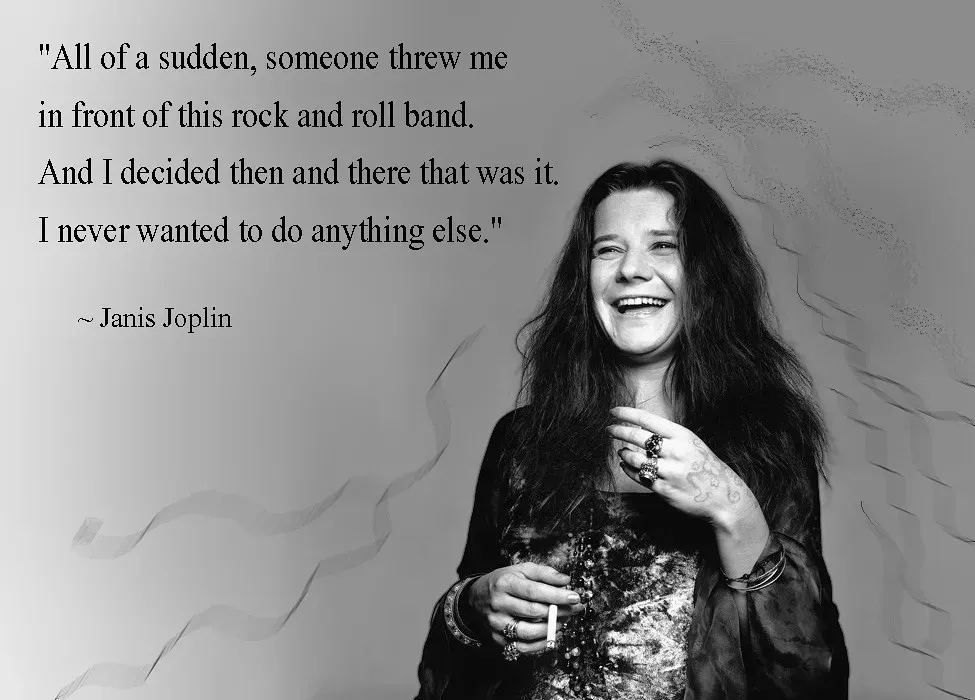
Janis Joplin sang like her life depended on it. Every performance felt like she was pouring her entire soul into the microphone. Her voice was rough, raspy, and completely uninhibited. She didn’t care about sounding pretty or polished. She cared about feeling, and making you feel right along with her. “Piece of My Heart” showcased that emotional intensity perfectly.
Coming from Port Arthur, Texas, Joplin brought a blues sensibility to rock music that few white artists had managed before. She studied Bessie Smith and Big Mama Thornton, absorbing their pain and power. But she added her own desperate energy, shaped by being an outsider in conservative Texas. That combination created something electric.
Her voice broke all the rules for female singers of her era. It wasn’t sweet or demure. It was aggressive, sexual, and unapologetic. Joplin proved that women could be just as wild and powerful as any male rock star. Though her life was tragically short, her influence on rock music endures. She showed an entire generation that vulnerability could be the ultimate strength.
Stevie Wonder – Versatility Wrapped in Joy and Soul

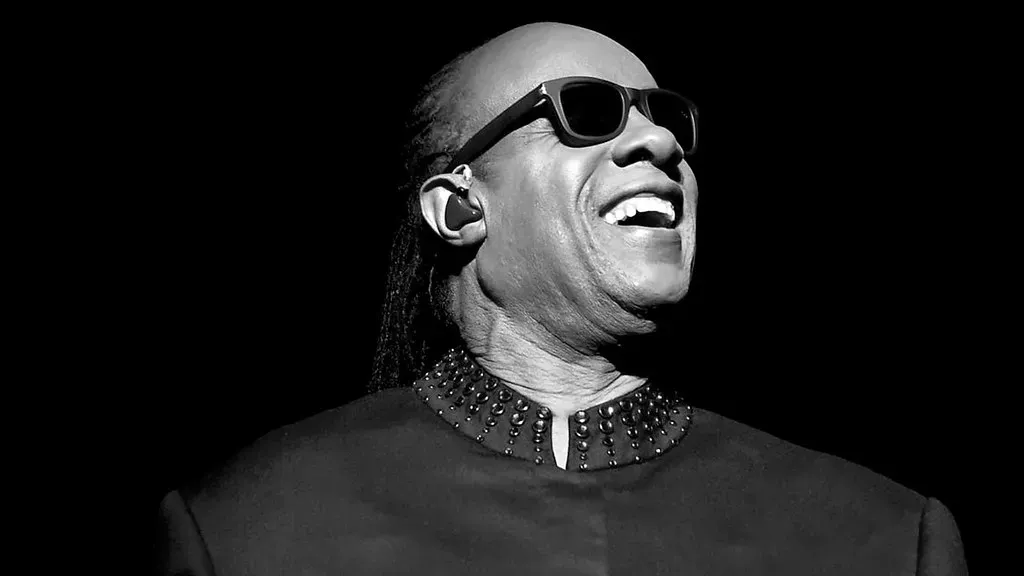
Stevie Wonder’s voice is pure happiness wrapped in soul. He can make you smile, cry, or dance, often within the same song. What’s remarkable is his range, not just vocally but stylistically. He’s equally comfortable on a funk track like “Superstition” or a tender ballad like “Isn’t She Lovely.” That versatility comes from a deep understanding of music itself.
Wonder started performing as a child prodigy at Motown, and his voice matured along with his musical vision. By the seventies, he had become one of the most innovative artists in popular music. His voice carried both wisdom and childlike wonder, a combination that few singers can pull off. He could be playful and profound in the same breath.
What makes Wonder’s voice so special is its warmth. There’s an inherent kindness in his tone that makes listeners feel like he’s singing directly to them. Combined with his incredible harmonica playing and keyboard skills, he created a complete musical universe. His influence spans multiple genres, from R&B and soul to pop and jazz.
Conclusion – Voices That Changed Everything

These nine artists didn’t just have great voices. They changed the way we think about singing, performance, and music itself. Each brought something unique to their craft, whether it was Aretha’s gospel power, Freddie’s theatrical brilliance, or Janis’s raw emotion. They proved that a voice is more than an instrument. It’s a way to connect with the deepest parts of human experience.
What’s striking is how different they all were from each other. There’s no single template for greatness. Some had technical perfection, others had emotional rawness. Some were theatrical showmen, others were intimate storytellers. But they all shared one quality: authenticity. When they sang, you believed every word. That’s what made them legends.
These voices continue to inspire new generations of singers. Their recordings remain as powerful today as when they were first made. They remind us that truly great music transcends time, genre, and fashion. What do you think about this list? Are there any voices you would have included? Let us know in the comments.