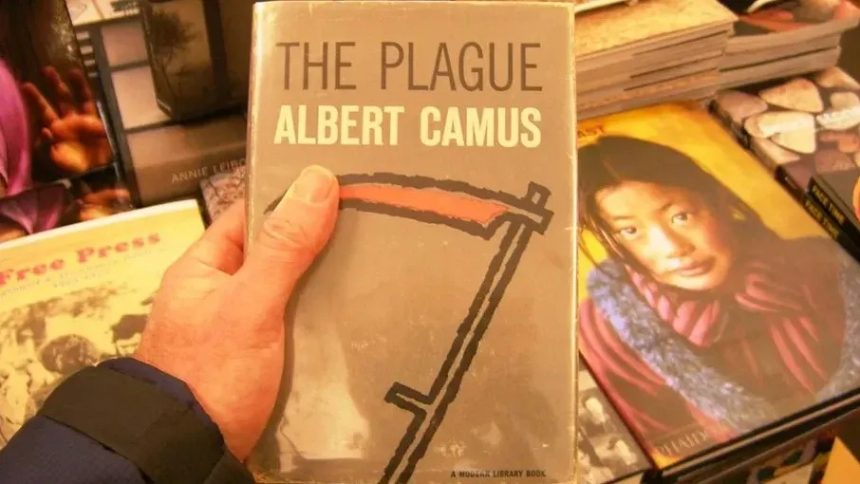
There is something almost unfair about a truly perfect paragraph. You are reading along, minding your own business, and then a sentence – or a cluster of them – reaches off the page and grabs you somewhere deep. It doesn’t ask permission. It just lands.
Modern literature, roughly from the early twentieth century through today, has produced an extraordinary range of these moments. Not just moving stories, but actual arrangements of words that feel like music, like architecture, like a held breath. This list is a gallery of those arrangements. Some will surprise you. All of them deserve to be read slowly.
1. The Opening of “One Hundred Years of Solitude” – Gabriel García Márquez
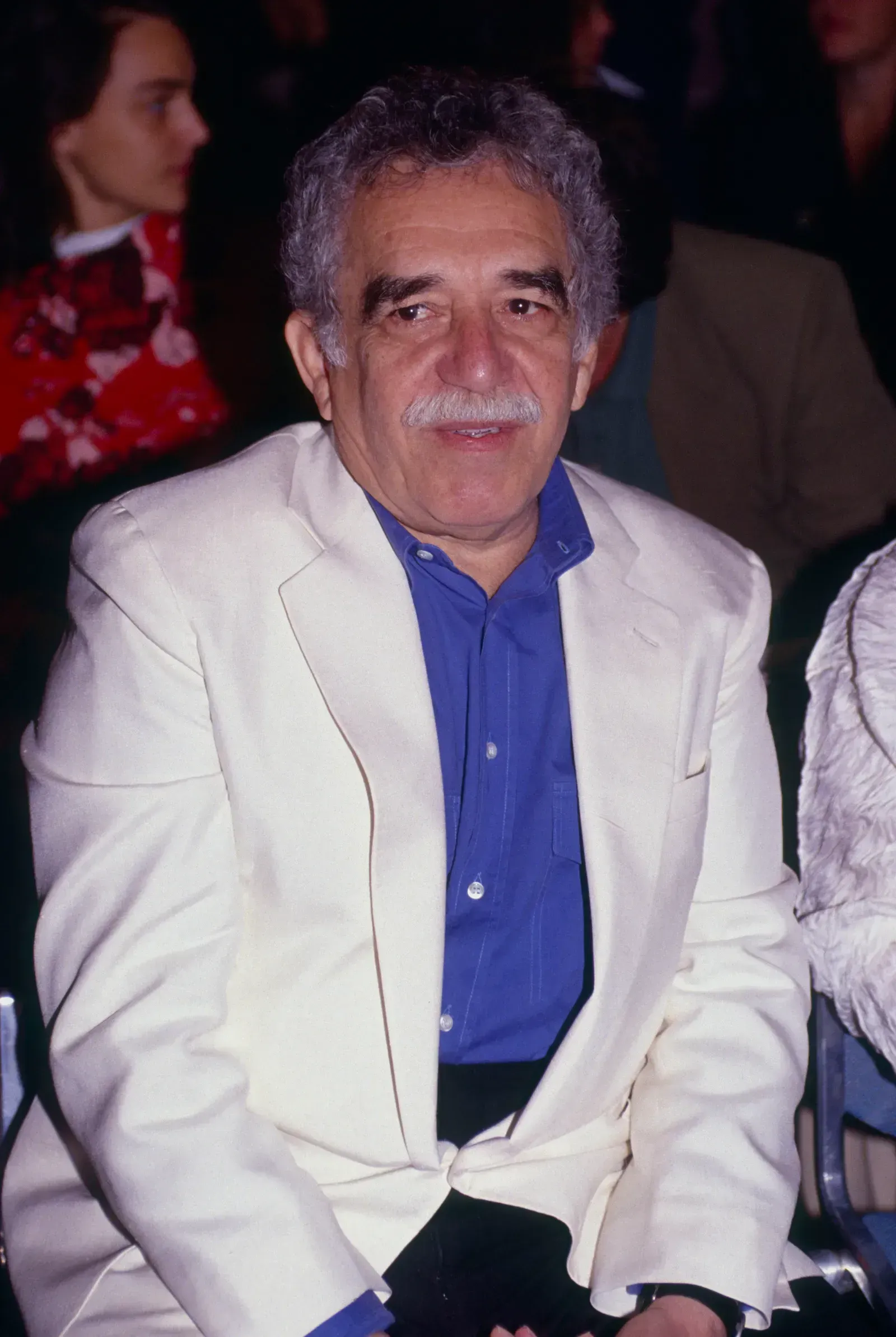
The opening line of García Márquez’s novel, translated into English by Gregory Rabassa, is among the best known and most remarkable opening sentences in literary history. It accomplishes something almost impossible: it pulls the reader immediately to a man facing execution, then drags them backward to a childhood memory of discovering ice, all inside a single, breathless sentence. The effect is like standing on the edge of a cliff and being handed a childhood photograph.
We are presented with knowledge of something which is usually unknowable – the moment of one’s own death – and immediately move into the slightly surreal territory of omniscience: we keep one foot in reality, while the other is not so firmly rooted there, because to foresee the moment of one’s own death is not part of our normal existence at all. There is a reason this first line is considered one of the best opening lines in all of literature: it immediately catches your attention, and it is strange enough and open-ended enough to make you want to keep reading.
2. The Prose of “Mrs Dalloway” – Virginia Woolf
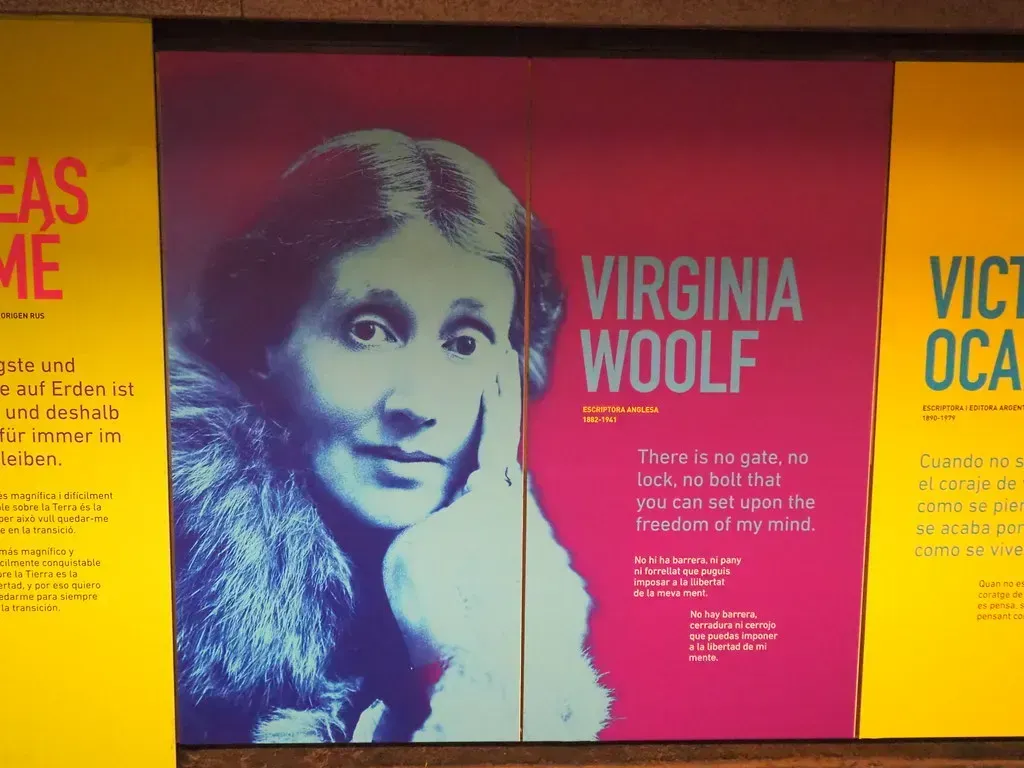
The novel addresses the nature of time in personal experience through multiple interwoven stories, using a stream of consciousness narration style. What makes Woolf’s paragraphs so quietly devastating is how she refuses to separate the trivial from the profound. A woman walking to buy flowers in the morning air becomes an expedition into mortality, memory, and joy, all at once. The sentences stretch and contract like breathing.
The everyday is seen in a new light: internal processes are opened up in her prose, memories compete for attention, thoughts arise unprompted, and the deeply significant and the utterly trivial are treated with equal importance. Woolf’s prose is also enormously poetic. She has the very special ability to make the ordinary ebb and flow of the mind sing. The rhythm of Woolf’s prose often reflects her exploration of time and perception, with sentence lengths varying to create a sense of movement and fluidity.
3. The Healing Passage in “Beloved” – Toni Morrison
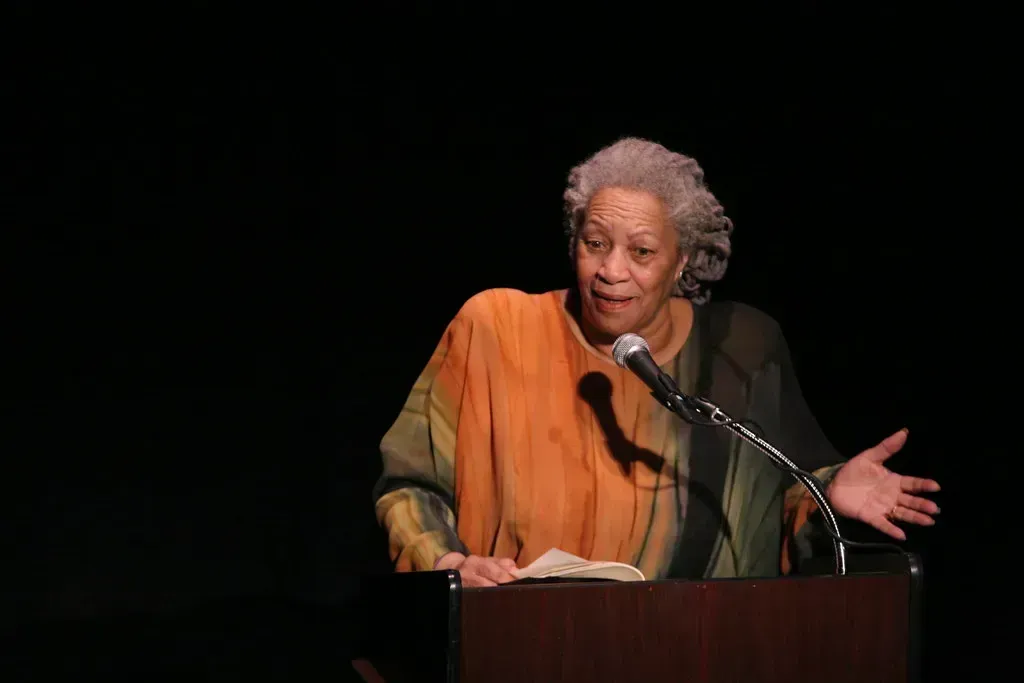
This passage touches on the transformation that love and friendship can spark in a person, especially after deep trauma. Morrison’s prose is both poetic and raw, making the act of being emotionally “gathered” feel like a sacred ritual. Morrison wrote in a mode that refused to let the reader stay comfortable. Her language operates like memory itself – it circles, it returns, it insists.
Readers often remark on the healing power of this passage, especially those who have felt fragmented by loss or hardship. The language is simple, direct, and deeply moving – it is the kind of line people tattoo on their bodies or write in letters to loved ones. Honestly, that is probably the highest compliment prose can earn: someone thought it beautiful enough to carry on their skin forever.
4. The Sorrow Paragraph in “The Great Gatsby” – F. Scott Fitzgerald

Fitzgerald’s prose is lush without being indulgent, and his closing pages of “The Great Gatsby” represent perhaps the most famous meditation on the American dream ever written. His sentences have a particular quality that is hard to name. They feel melancholy even when describing beauty. They feel beautiful even when describing loss. It is a trick very few writers have pulled off so completely.
The Great Gatsby by F. Scott Fitzgerald is often described as the epitome of the “Jazz Age” in American literature. Gustave Flaubert and Ernest Hemingway are the two writers widely regarded as having influenced style the most of any writer throughout history, yet Fitzgerald carved his own entirely distinct groove – one soaked in longing and green lights and the cruelty of possibility. His closing paragraph, with its boats beating against the current, has haunted readers for a century. That is not an accident.
5. Snow Country’s Opening – Yasunari Kawabata
Snow Country earned Kawabata the Nobel Prize for Literature, and its lyrical, haiku-like prose is retained well in the English translation by Edward G. Seidensticker. The novel opens with a train emerging from a long tunnel into a snow-covered landscape, and Kawabata turns that moment into something almost transcendental. It is one of the most quietly stunning openings in world literature, and it works without any visible effort at all.
The prose here feels stripped of everything unnecessary, like a stone smoothed by a river. Each sentence is short but carries tremendous weight, like a held note at the end of a song. Japanese literature has never ceased to amaze, whether it be the modern golden age of writers such as Yukio Mishima or Yasunari Kawabata with his “Thousand Cranes.” Kawabata’s particular genius was making silence feel louder than speech.
Partner offer
6. The Nature Passage in “The Secret History” – Donna Tartt
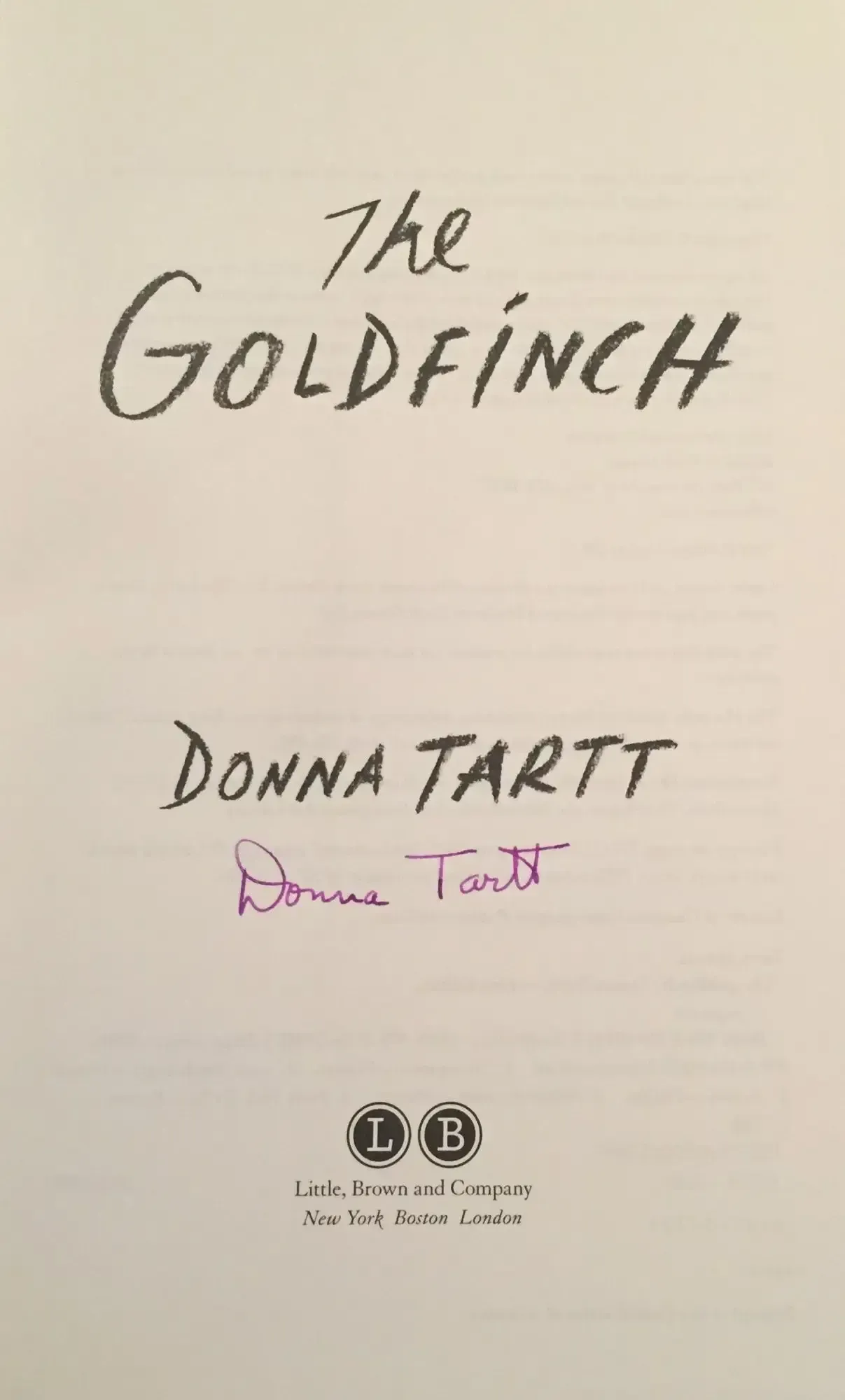
Donna Tartt’s Pulitzer Prize-winning book “The Goldfinch” contains so many underlined passages that choosing one feels arbitrary. One of Tartt’s sentences does the job of most other writers’ entire paragraphs. This is equally true in “The Secret History,” where her autumnal descriptions of the Vermont countryside read like something between a painting and a fever dream. She uses repetition deliberately, musically, and it works every single time.
Let’s be real: a lot of literary fiction about college students and moral collapse sounds pretentious on paper. Tartt somehow avoids it, largely because the prose itself is so alive, so richly sensory, that you forgive everything. Writers often try not to use the same word over and over because it seems clunky, unnecessary. But Tartt writes musically and hits all the right notes. Her paragraphs prove that restraint and extravagance can coexist.
7. The Letter Passage in “Atonement” – Ian McEwan
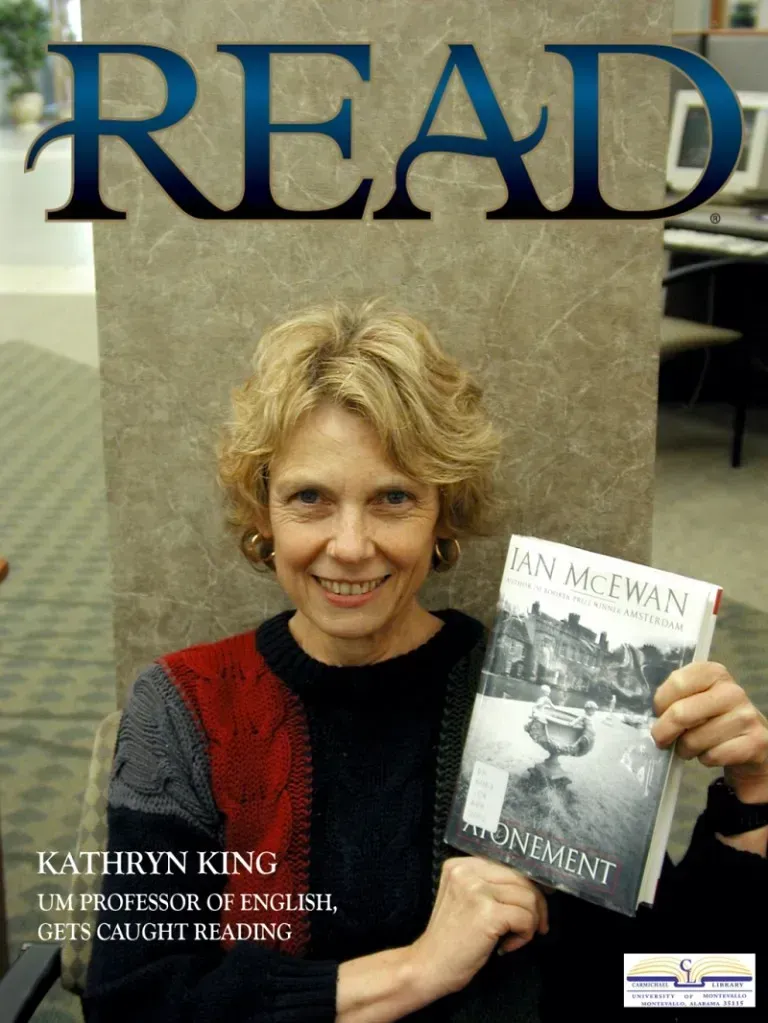
The simplicity of the language in “Atonement” – love, belief, dearest, reason – makes the sentiment feel both intimate and monumental. McEwan’s exploration of guilt and redemption is anchored by moments like this, where love becomes both a weapon and a shield. “Atonement” is a novel about the damage a single lie can do across decades, and McEwan’s prose carries that damage with a cold, controlled precision that somehow never feels unfeeling.
Literary critics often highlight the most celebrated passages in “Atonement” as defining moments in modern literary fiction. The impact of such paragraphs lingers, reminding readers that sometimes the most beautiful thing we can say is also the simplest. McEwan writes like someone who has thought very carefully about every single word and then had the confidence to keep only the essential ones. That kind of discipline is extraordinarily rare.
8. The Time Meditation in “The Plague” – Albert Camus
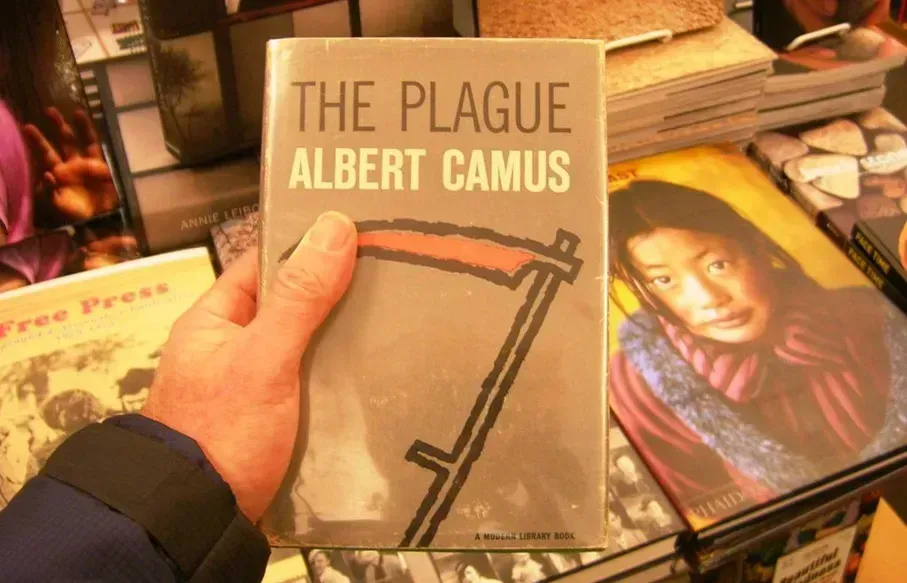
Camus was a novelist who somehow managed to make philosophy feel like sunlight and shadow on a white wall. In “The Plague,” his paragraphs describing collective suffering and the quiet persistence of ordinary life achieve something remarkable – they feel both allegorical and devastatingly specific at the same time. It is hard to say for sure which level he intended, and I think that ambiguity is the whole point.
The main periods of modern literature are often grouped by scholars as Modernist literature and Postmodern literature, flowering roughly from 1900 to 1940 and 1960 to 1990 respectively. Camus sits at the crossroads of these traditions, and his prose reflects that restless, searching position. His paragraphs in “The Plague” about the human capacity to adapt, to endure, and to still notice beauty in the middle of catastrophe feel more relevant today than they perhaps ever have. Some writing ages. This kind deepens.
9. The Closing Vision in “The Dead” – James Joyce
What many consider the most beautiful thing ever written in English is Joyce’s short story “The Dead,” the last piece in his collection Dubliners. It is perfect in every way, but the ending is both perfect and incomparably beautiful. The final paragraphs, in which Gabriel Conroy watches snow falling across all of Ireland and feels himself dissolving into some vast, shared human experience, are simply among the finest sentences ever assembled in the English language.
The snow falls on the living and the dead equally. That is what Joyce gives us. Not consolation exactly, but something bigger – a sense of universal belonging, of shared fate, of the whole world breathing together in the dark. Beauty in literature is subjective. Yet there are certain passages in the books we read that strike us with their power or inspire us to reflect on who we are and what our place in this world is. Joyce’s closing paragraphs are exactly that kind of passage. They do not explain anything. They simply make you feel, for a moment, that everything is connected.
A Final Thought on What Makes Prose Truly Beautiful
Here is the thing about all nine of these paragraphs: none of them are trying to be beautiful. That is probably the secret. Hemingway noted that the dignity of the movement of an iceberg arises from the fact that nine tenths of it resides underwater. So with prose, the vast majority of the work goes unsaid, or remains as subtext. The greatest writers understand that the most powerful moment in a paragraph is often the one that isn’t written.
The paragraphs on this list all work because they trust the reader. They do not over-explain. They do not perform. They simply arrive, fully formed, and somehow know exactly where to stop. That quality – the discipline to stop at exactly the right moment – is what separates good writing from something that genuinely changes the way you see the world.
Of the nine, which one caught you off guard? What would you add to this list? Tell us in the comments.
Partner offer
Planning a trip to Vegas?
Compare hotel rates and show tickets on VEGAS.com.