There’s a specific kind of silence that settles over a room when a TV show does something truly unexpected. Not just a gasp or a rewind, but a full stop – the kind where you sit there staring at the credits, trying to piece together what just happened. That feeling is rare. Most twists are guessed in online forums days before they air. The ones on this list weren’t.
What separates a great twist from a cheap one isn’t surprise alone. It’s the combination of careful setup, emotional weight, and narrative consequence that makes a reveal feel earned rather than cheap. The nine moments below did all three, in ways that audiences – even dedicated, eagle-eyed ones – mostly failed to anticipate.
9. Gossip Girl Was Dan All Along – “Gossip Girl” (2012)
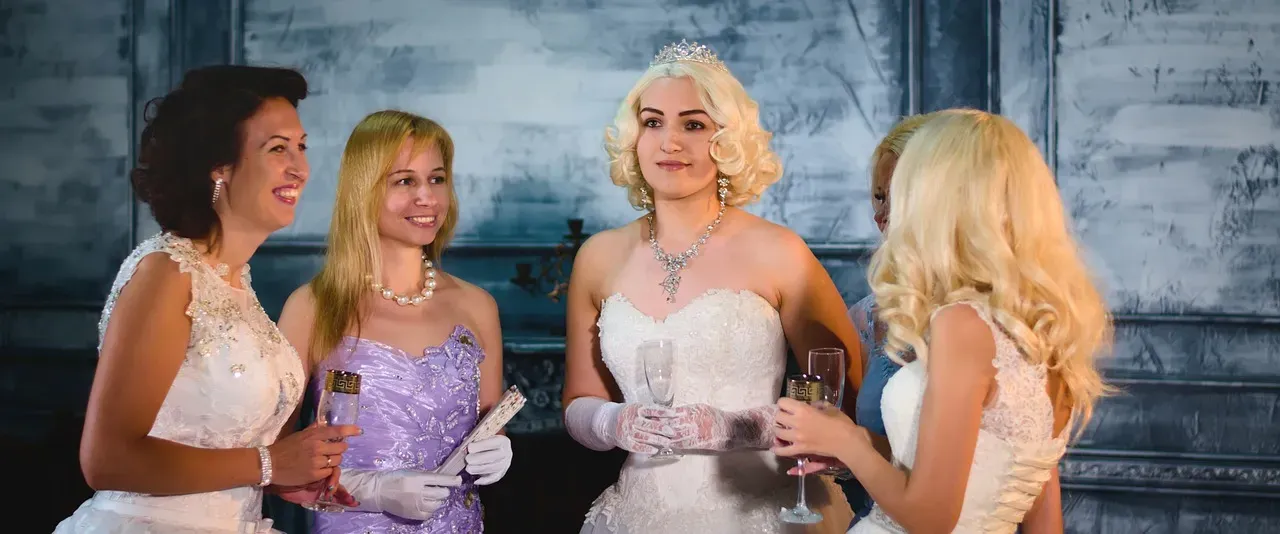
For six seasons, viewers obsessively theorized about the identity of the anonymous blogger terrorizing Manhattan’s elite. The reveal in the series finale landed as genuinely jaw-dropping, though the reaction was mixed almost immediately. The showrunners admitted they originally wanted Nate or Serena’s younger brother Eric to be Gossip Girl, but fans figured out both of those options, forcing them to change course.
The twist that Dan Humphrey had been orchestrating chaos while performing outrage made structural sense as a concept, but it collapsed under scrutiny. Throughout the earlier seasons, Dan keeps reacting to Gossip Girl blasts while he’s completely alone in a room, which undercuts the reveal – made worse by the fact that Dan then marries Serena, the girl he cyberbullied most. Still, few saw it coming in the days before the finale. That counts for something.
8. The Newhart Dream Ending – “Newhart” (1990)
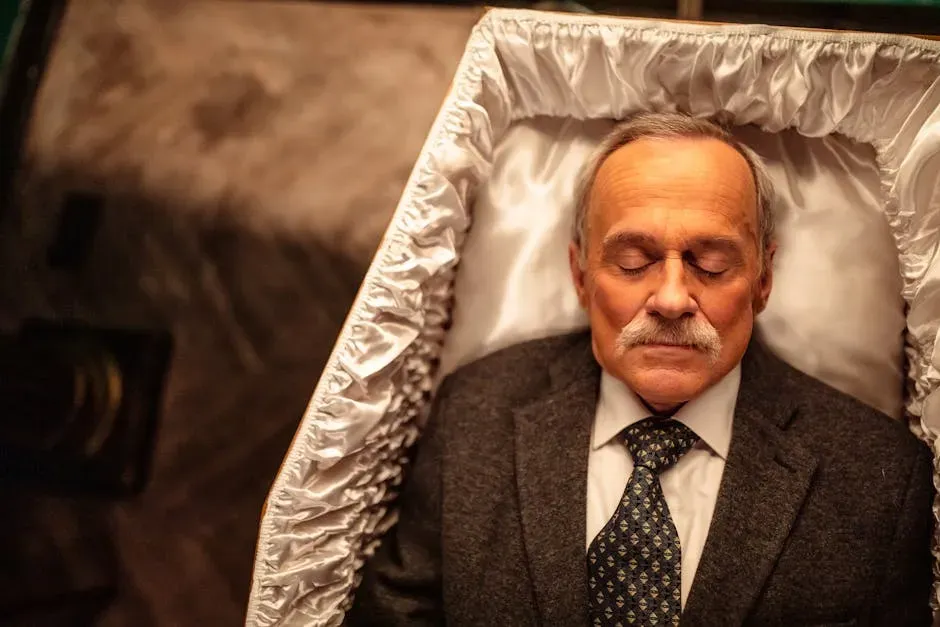
The series finale of Newhart pulled off one of the most audacious sitcom conclusions in broadcast history. Although neither the 1970s Bob Newhart Show nor Newhart were connected at all – with Bob Newhart playing completely different characters in different settings – in the final episode he awakens in bed on his old show, revealing the second show was all just a dream of his first character. It was a meta move years before TV regularly attempted such things.
People talked about it for weeks. The finale was kept under tight secrecy, and even the cast of the original 1970s show had to travel to the set without knowing exactly why. The moment Bob Newhart woke up next to Suzanne Pleshette remains one of the most celebrated final scenes in American television. Very few audience members had any clue what was about to happen.
7. St. Elsewhere Was a Snow Globe Dream – “St. Elsewhere” (1988)

Before today’s compelling medical dramas, St. Elsewhere surprised viewers with its series finale. In “The Last One,” viewers find out that nothing on the show actually happened – Tommy Westphall, a character with autism, dreamed up the entire story with a snow globe featuring St. Eligius Hospital. Six full seasons of television, retroactively reimagined as the interior life of a child.
Even the show’s cast members had strong feelings about the ending, with Christina Pickles telling Entertainment Weekly she thought it was wonderful while Bonnie Bartlett called it “terrible.” It’s not easy for a finale that aired in 1988 to still feel so important, but ever since, savvy viewers have been more prepared for unexpected scenes in the final moments of a show’s run. The twist also sparked years of fan theory about a shared TV universe connected through St. Elsewhere’s fictional world.
6. The Good Place Was the Bad Place All Along – “The Good Place” (2016)
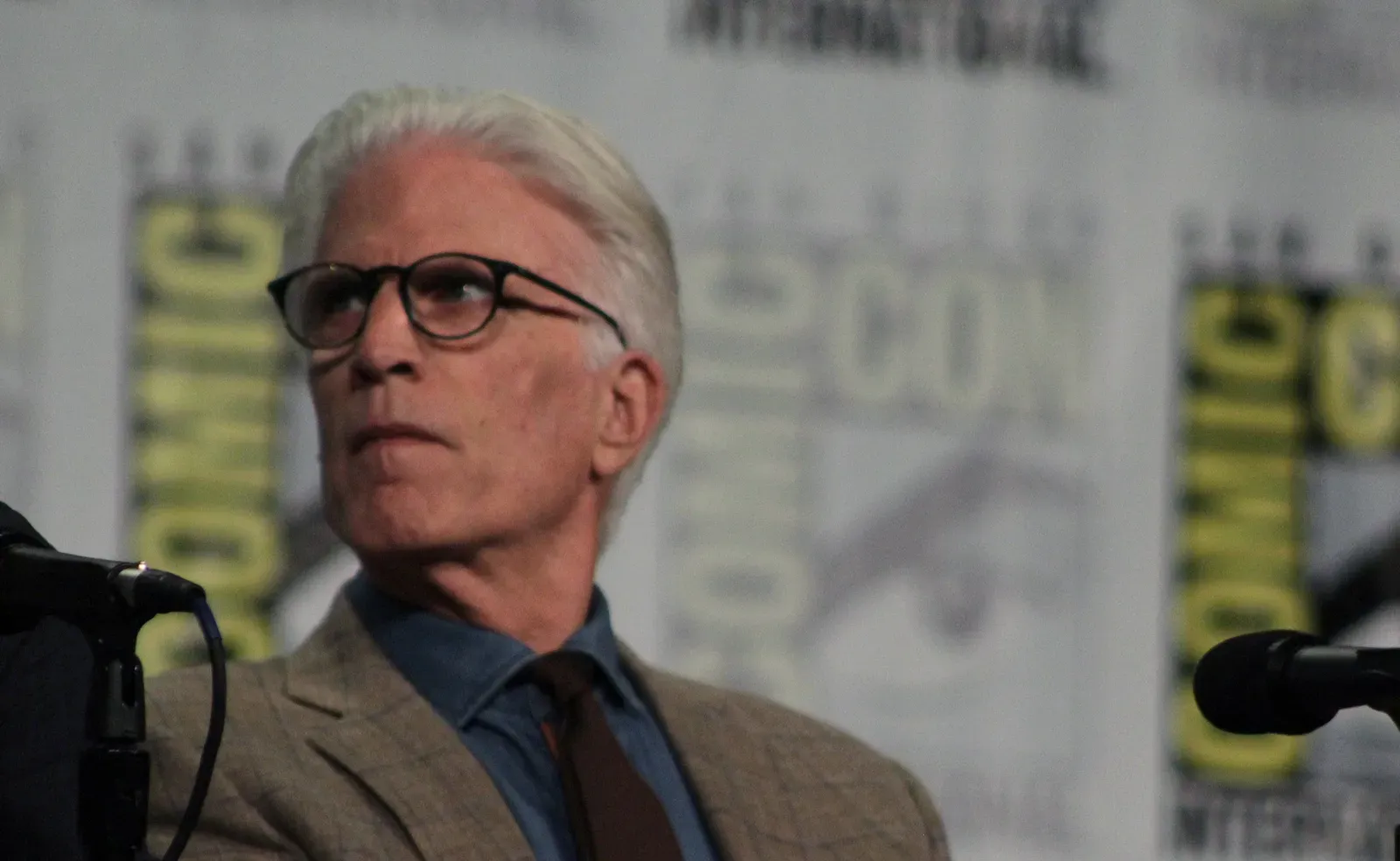
The premise of The Good Place seemed clear: a group of flawed humans navigate the afterlife in a paradise designed for virtuous people. Then the Season 1 finale arrived. At the end of the first season, the main cast works out that the realm they find themselves in isn’t the Good Place at all – it’s the Bad Place, used to punish those who lived with selfishness and dishonor, and they had been collectively toyed with without even realizing it. This was a huge gut punch that added a whole new layer of depth to the acclaimed sitcom.
It was a riveting plot twist that was so good even the cast didn’t know about it until they filmed the episode. Creator Michael Schur had concealed the ending from the actors playing the main characters, ensuring their genuine reactions on screen. The twist has become so famous that it became a popular reaction image online, often used in response to something the poster doesn’t like very much. In retrospect, every clue had been hidden in plain sight.
5. Bernard Is a Host – “Westworld” Season 1 (2016)
Westworld gave audiences Season 1’s most epic twist when it was revealed that Bernard Lowe is not a human, but one of Robert Ford’s host creations. Jeffrey Wright had been playing Bernard as a compassionate, intellectually curious technician – one of the most seemingly grounded characters in the entire park – which made the reveal land with genuine force. In episode 7, “Trompe L’Oeil,” watching Theresa Cullen realize Bernard Lowe is a host is a wild moment, made more disturbing when Robert Ford demands he murder Theresa – and it alters the course of the rest of the season, since it becomes clear that Bernard is dangerous and untrustworthy.
Partner offer
Though there were breadcrumbs throughout Season 1 suggesting Bernard was perhaps more like his robotic creations than he could have believed, it’s still a shocking reveal. The showrunners, Jonathan Nolan and Lisa Joy, had structured the first season to reward a rewatch, where Bernard’s behavior reads entirely differently once you know the truth. Audiences loved him, and when it turned out he was a “host,” it was mind-blowing for many – though as is the nature of shows like Westworld, plenty of people had “called it” in online discussions.
4. Dr. Cox’s Best Friend Was Dead the Whole Time – “Scrubs” (2004)
Scrubs was a comedy. That framing mattered enormously when the show suddenly delivered one of the most devastating emotional sucker punches in sitcom history. Ben, the best friend of Dr. Cox, isn’t alive at all – he died of leukemia, and most of the episode has been Dr. Cox’s attempt to cope with the death of his friend. He hasn’t been avoiding a birthday party; he’s been avoiding Ben’s funeral. The entire episode plays as normal until the final moments recontextualize everything you just watched.
Like The Sixth Sense, to which the episode is an homage, this one hits the viewer and the characters like a punch in the gut. Given how well the audience knows that Dr. Cox and Ben are best friends, it’s haunting to watch Cox not be able to reckon with his friend’s death – and the revelation resonates with anyone who has ever had difficulty accepting the loss of a loved one. The show never telegraphed where it was going. Most viewers had no warning at all.
3. The Lost Flash-Forward – “Lost” Season 3 Finale (2007)
Lost built its entire identity around flashbacks. Every episode opened with a character’s past illuminating their present-day struggles on the island. After three seasons, audiences had internalized the grammar of the show completely. In the final two episodes of Season 3, audiences were treated to one of the most “what the” moments in TV history when they realized what they thought was one of Jack’s flashbacks was actually a flashforward when he tells Kate they “have to go back” to the island. It changed the show forever.
In the Season 3 finale “Through the Looking-Glass,” a perturbed Jack says something strange to Kate in a scene we learn isn’t a flashback at all, but a flashforward – and the audience was absolutely gobsmacked, as Lost clearly wasn’t playing by typical TV narrative rules. The reveal didn’t just shock viewers for a moment. When fans learned that the Season 3 finale was actually a flash-forward, they were truly taken aback – and some fans haven’t watched TV the same way since.
2. Breaking Bad’s “Ozymandias” – Every Twist in One Hour (2013)

“Ozymandias” received universal critical acclaim and is widely considered not only Breaking Bad’s best episode, but also one of the best episodes in the history of television. Many publications named it the best television episode of 2013; some named it the best of the decade. Within a single hour, Hank was killed, Jesse was captured, Walt’s family was destroyed, and Walter White’s last illusion about himself was stripped away. The episode title refers to Percy Bysshe Shelley’s poem, which recounts the crumbling legacy of a once-proud king.
After the shocking execution of Hank Schrader and the capture of Jesse Pinkman, Walt flees with his daughter Holly – and during this sequence, the baby actor spontaneously said “Mama,” which writer Moira Walley-Beckett revealed was not scripted, perfectly timed with Bryan Cranston’s emotional reaction. Viewers had theorized about Hank’s fate for months but the speed and finality of how it happened left audiences stunned. The emotion carried throughout the episode reached a completely new level, with shock after shock – a feeling that many felt had never been matched on any other TV show.
1. The Red Wedding – “Game of Thrones,” Season 3 (2013)
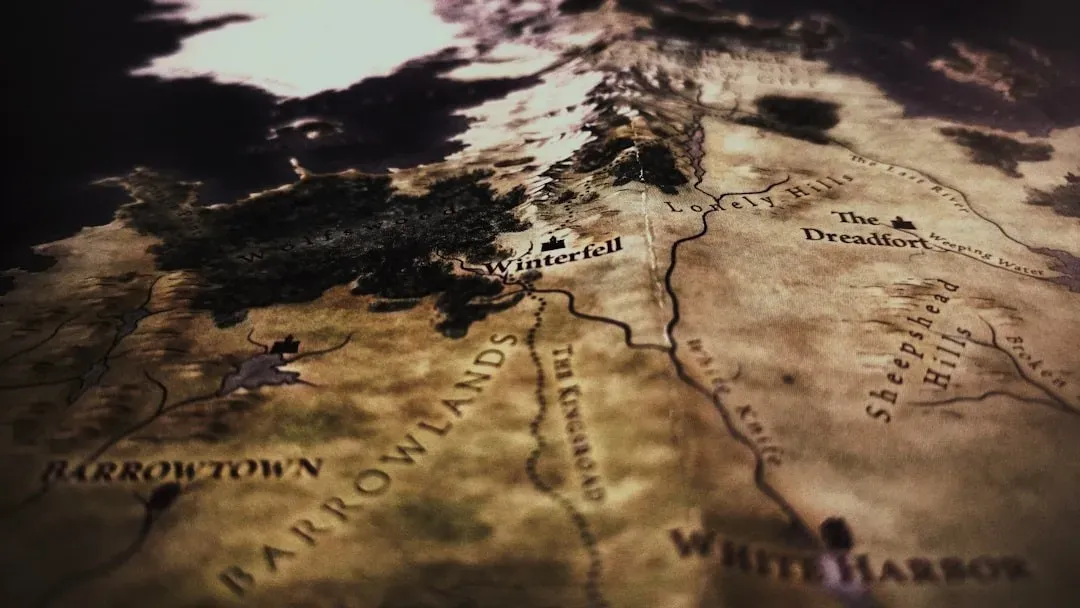
The Red Wedding breaks the rules of TV, and what’s even more impressive is that it catches viewers off guard just two seasons after Game of Thrones had already done so once. The death of Ned Stark told us that nobody was safe – but surely there was no way we’d lose more of the Starks so soon. Because it takes place at a wedding, where guest right is sacred, it lulls you into a false sense of security before gradually ratcheting up the tension.
The episode includes one of the most important plot turns of the series – the betrayal and assassination of the Stark forces during a marriage ceremony – and this tragic turn of events had a profound impact on showrunners David Benioff and D.B. Weiss in their very first read of the novels. It was the scene that convinced them to attempt to obtain the rights for a television series. George R. R. Martin conceived the Red Wedding during the earliest stages of planning his saga, and was particularly inspired by two events in Scottish history, including the 15th-century “Black Dinner.” Martin has said the Red Wedding was the hardest thing he has ever written.
This really felt like a communal experience where everyone was watching and reacting at the same time, with countless reaction videos online to prove it – heartbreaking and internet-breaking in a way that’s very hard to recapture in a more fractured TV viewing landscape, and so may never be defeated as the all-time great plot twist. “The Rains of Castamere” remains the highest-rated Game of Thrones episode on IMDb, and it’s easily one of the show’s strongest installments. More than a decade later, those two words still carry a kind of quiet dread that no other episode title quite manages to match.
Partner offer
Planning a trip to Vegas?
Compare hotel rates and show tickets on VEGAS.com.