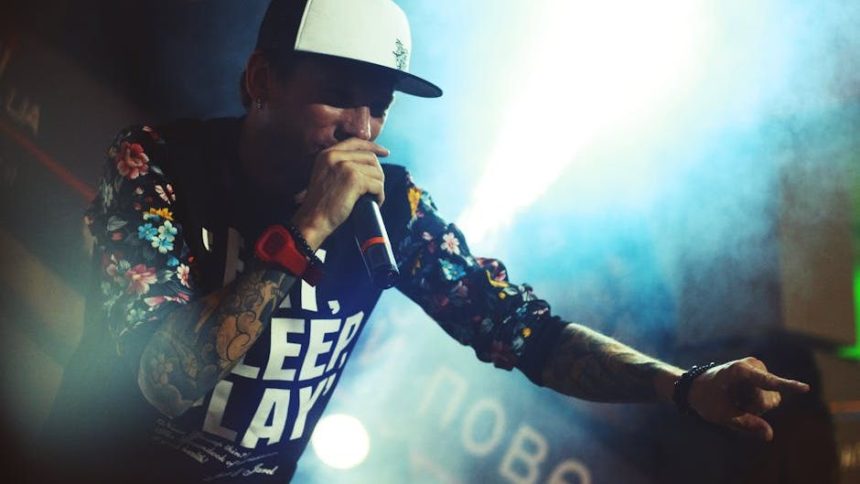
There’s a particular kind of cringe that happens at a family dinner or a road trip when someone over 50 starts explaining why modern music “isn’t really music.” Younger listeners know the feeling well. They’ve heard the same arguments recycled for years, delivered with the confident air of someone who believes they once lived through the true golden age of sound.
The generational divide in music is genuinely fascinating, though not quite for the reasons older fans assume. The older generation often criticizes newer music as being shallow and lacking substance, while the younger generation sees the older generation’s music as outdated and irrelevant. Both camps are wrong in interesting ways, and the specific opinions that keep circling back deserve a closer look.
“Real Musicians Play Real Instruments”
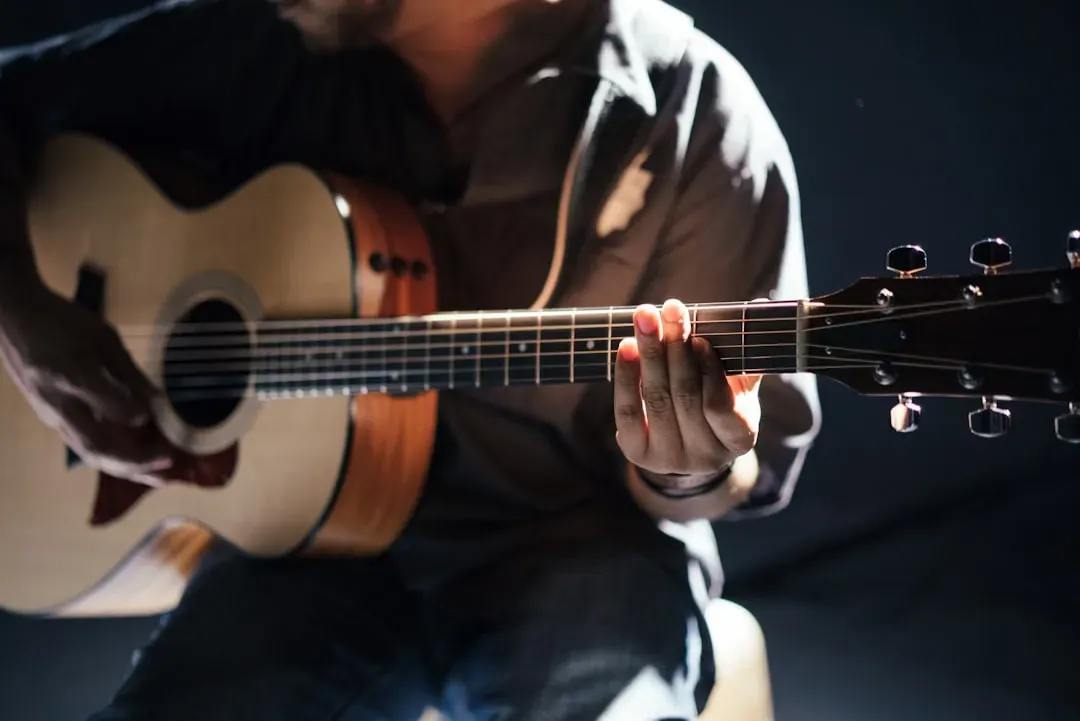
This is probably the oldest argument in the modern music wars, and it refuses to die. The logic goes: if you didn’t learn to play guitar or piano for years, what you’re doing doesn’t count. Electronic production, beatmaking, and sample-based composition get dismissed as cheating, or at best, a shortcut.
The irony is that the same panic erupted every generation prior. People called sampling lazy and likened it to theft; a federal judge opened a 1991 landmark sampling opinion with the biblical quote “Thou shalt not steal.” When hip-hop producers in the 1980s were building entire sonic landscapes from found sounds, critics said the same things being said today about electronic producers. The tool has always changed. The dismissal hasn’t.
“Streaming Is Ruining the Music Industry”
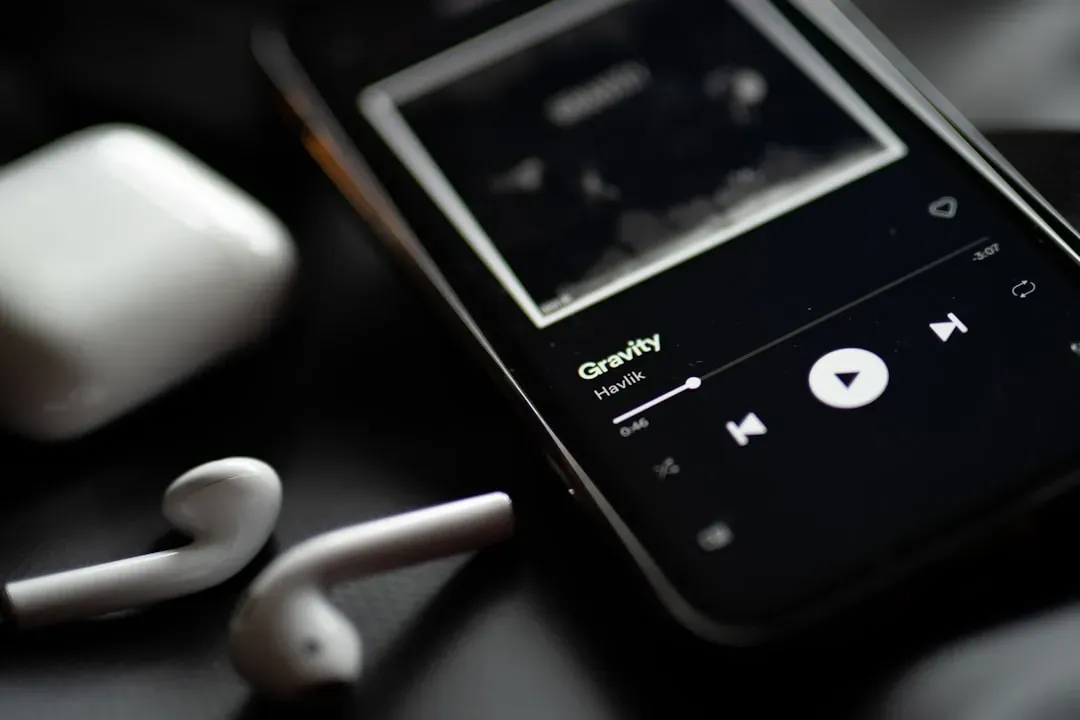
Older listeners often frame streaming as a kind of cultural apocalypse, something that cheapened music and destroyed artist income overnight. There’s a grain of truth buried in there, but the broader claim is far messier than the argument suggests. The generational divide extends to the way music is consumed and experienced: the younger generation tends to stream music on digital platforms like Spotify and Apple Music, while the older generation may still prefer the traditional method of buying physical records or CDs.
Streaming dwarfs both vinyl and CDs. Spotify, Apple Music, and YouTube account for the vast majority of listening today. Physical media is no longer about access; it’s about identity. Younger fans know this. They’re not against physical formats, but they’re not pretending that buying a CD in 2026 is a morally superior act of music appreciation either.
“Vinyl Sounds Better Than Everything Else”
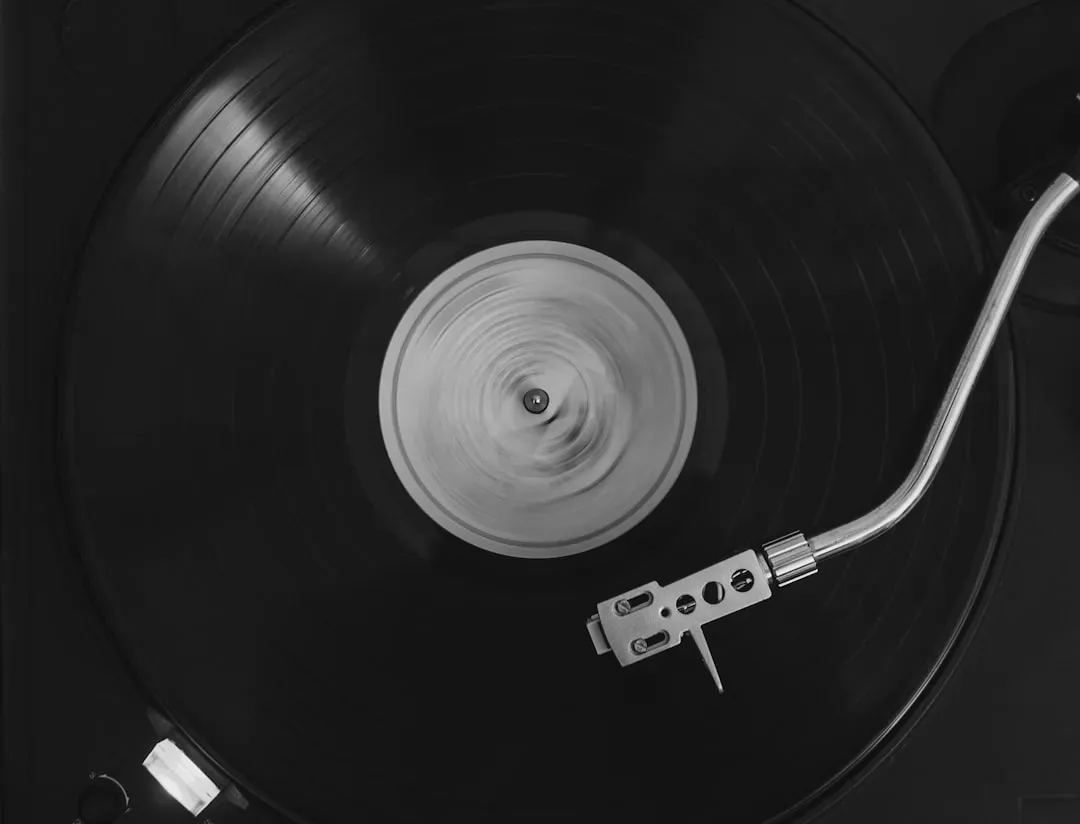
The vinyl superiority argument is a rite of passage for anyone visiting an older relative who still has a turntable setup in the living room. The warmth, the ritual, the analog soul – the speech is practically scripted. One of the main reasons people prefer vinyl over digital streaming is the sound quality. Vinyl records produce an analogue sound, which many describe as warm, rich, and full. This warmth comes from the continuous waveform that vinyl captures, preserving subtle nuances and natural distortions that some listeners find more pleasing.
The technical reality is more complicated, though. Vinyl, romantic as it may be, comes with compromises. Its usable dynamic range is limited by surface noise and groove geometry. High-quality pressings deliver around 65 to 70 dB at the start of a side, falling to around 55 dB near the label due to groove spacing. Meanwhile, some modern vinyl pressings are mastered from the same digital files used for streaming or CD. If there’s no separate vinyl master, don’t expect miracles. Younger listeners who’ve done the research know this, and being lectured about a format’s purity gets old fast.
“Music Was Better in the 80s or 90s”
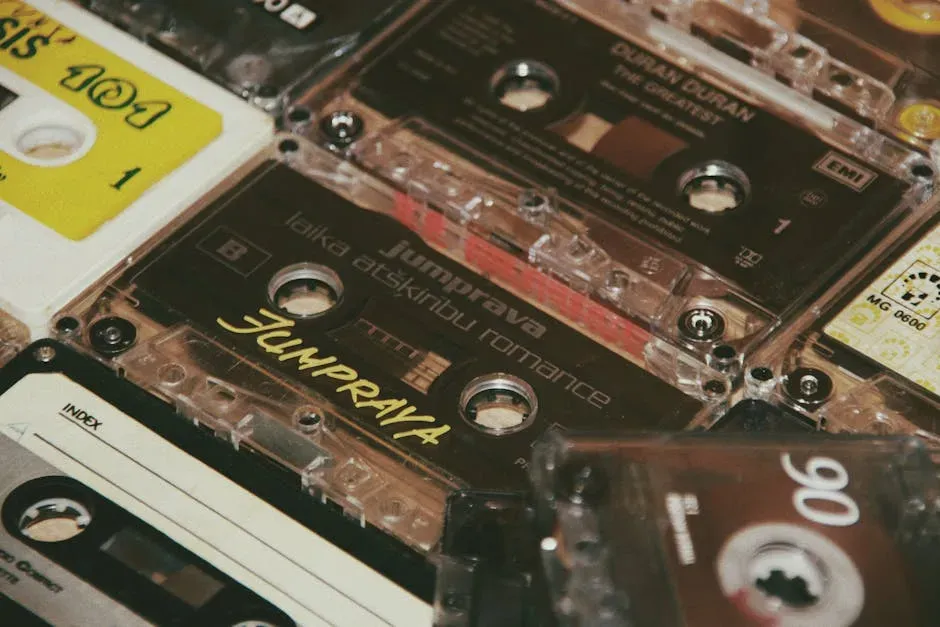
Every generation believes the music of their teenage years was objectively the best. That’s not a cultural insight. That’s just brain chemistry. Research suggests that what we listen to between the ages of 13 and 16 is formative for our musical tastes, a bias that reaches across all generations. Other studies suggest that music discovery peaks around age 24, and that stagnation sets in during one’s early 30s.
The belief that the 80s or 90s produced uniquely superior music is therefore more autobiographical than analytical. For Boomers aged 60 and above, new music discovery is largely an afterthought. Only about a third rated it at least somewhat important, with just nine percent extremely passionate. For this group, music engagement tends to focus on nostalgia and long-standing favorite artists rather than seeking out fresh sounds. That’s a preference, not a verdict on quality.
“Rap Isn’t Real Music”
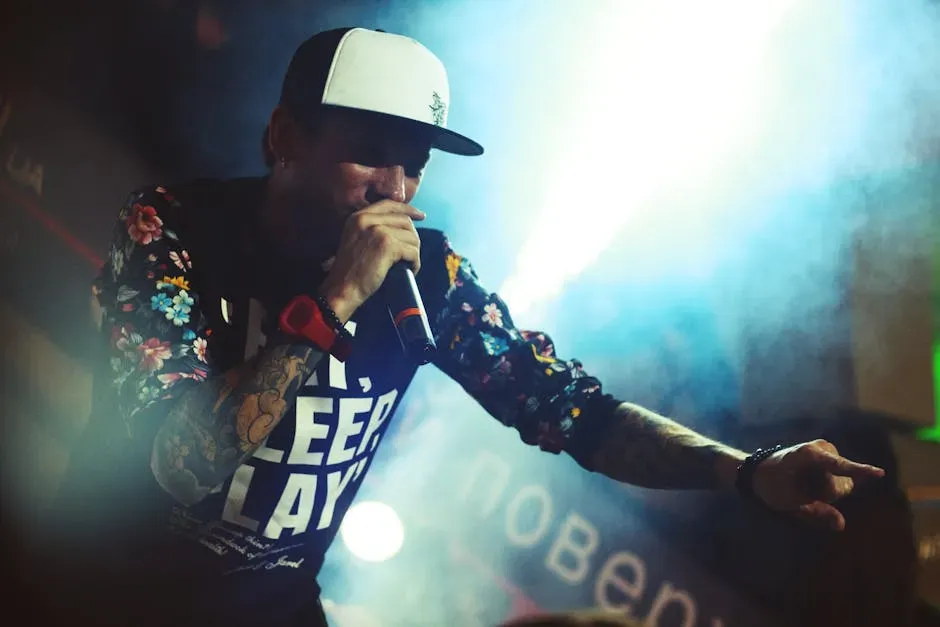
This one has been around since the late 1980s and still surfaces with alarming regularity. The argument rests on the idea that rapping doesn’t require vocal talent and that hip-hop lacks emotional depth or technical skill. Neither claim holds up to even minimal scrutiny. Hip-hop is an art and a way of life for so many people, with roots buried deep in New York City and branching out toward the rest of the country. The different aspects and nuances of rap are far more complex than the media gives them credit for. These components go far deeper than just the music, extending into fashion, language, art, and ideology.
Partner offer
Even from a purely commercial standpoint, the numbers make the dismissal absurd. The streaming era has undoubtedly changed the sound and culture surrounding music. Rap has taken the spotlight as the new genre of pop, with almost a quarter of all streams being hip-hop songs. Hip hop remains the dominant genre of youth culture today, a role it usurped from rock around 2003. Telling young fans that their most-listened-to genre “isn’t music” is about as persuasive as it sounds.
“Artists Today Can’t Sing Without Autotune”
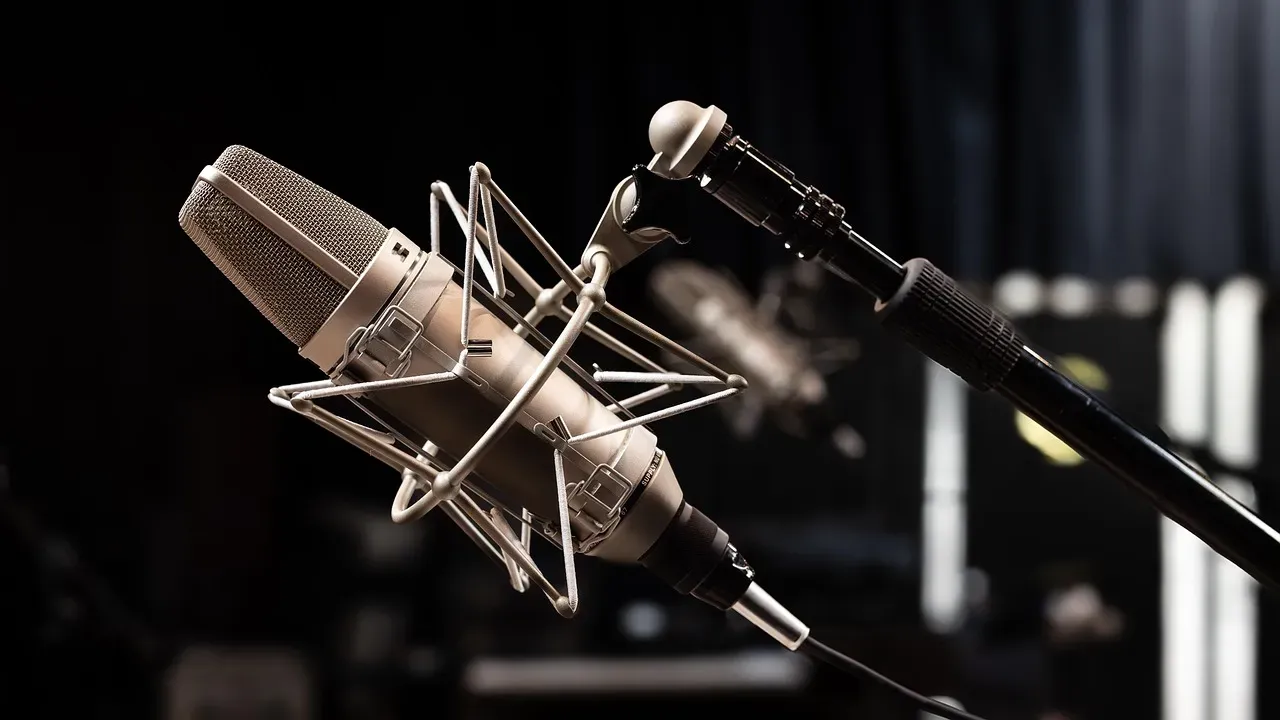
The autotune complaint is a perennial favorite at dinner tables everywhere. The implication is always the same: past vocalists were the real deal, while today’s artists are technologically propped-up frauds who would crumble without pitch correction. This argument conveniently ignores decades of studio trickery, tape splicing, and heavy-handed production that shaped the “authentic” sounds older listeners love.
There’s also the matter of how autotune is actually used. For many contemporary artists, it’s a deliberate aesthetic choice, not a crutch. Younger fans understand this distinction intuitively. They grew up with it as a texture and a style, not a scandal. When an older listener hears autotune and assumes technical failure, a younger listener often hears a genre signature they chose on purpose.
“TikTok Is Killing Music by Making Songs Too Short”
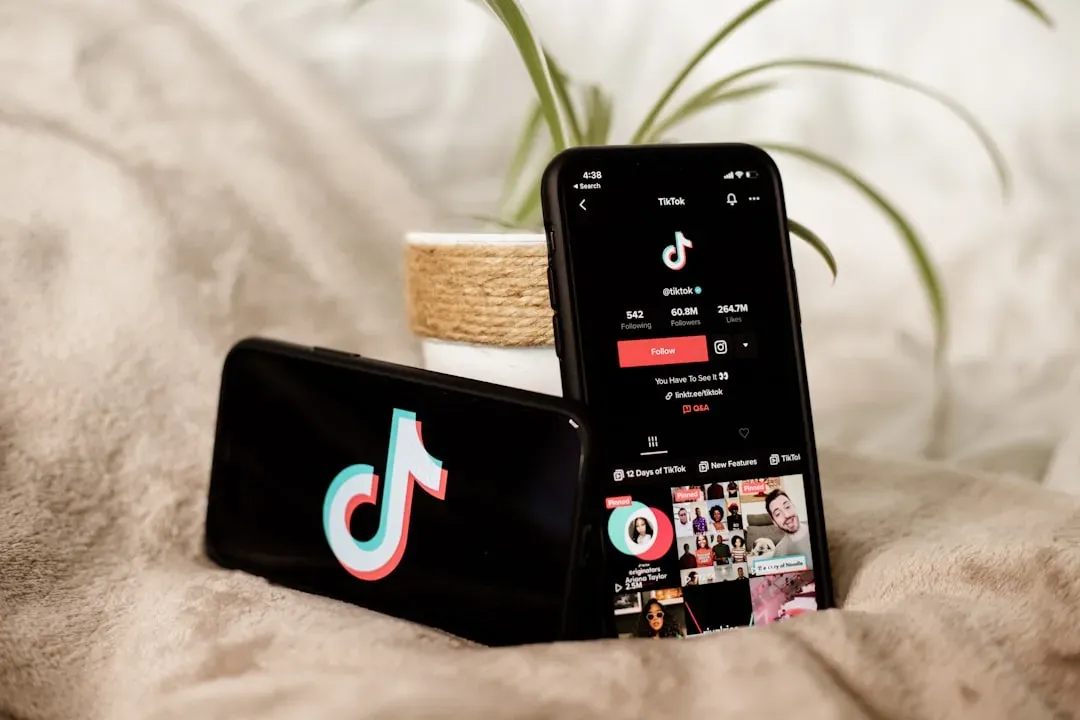
The concern that short-form video is eroding attention spans and forcing artists to compress their work into 15-second hooks is genuinely debated in music circles. But older fans often frame it as pure destruction, an unambiguous tragedy with no upside. Younger listeners are more measured about it. They’ve grown up navigating an enormous catalog of music, and the algorithm has introduced them to artists they would never have found otherwise.
For generations before Gen Z, the taste-forming years were deeply intertwined with discovering new music and identifying with emerging artists. From the Beatles and Rolling Stones in the 60s to the grunge and hip-hop explosion of the 90s and 2000s, music often served as both a cultural divider and a unifying force. It shaped peer group segmentation, provided common ground for friendships and relationships, and established musical identities that often lasted a lifetime. Today’s discovery is faster and wider, even if it’s different. That’s not automatically worse.
“AI Music Is an Obvious Threat That Everyone Should Oppose”
Older generations often assume that younger fans share their level of alarm about AI-generated music, and that everyone under 30 is sleepwalking into a cultural disaster. The reality is more nuanced. Younger listeners are aware of the ethical tensions, but they’re also watching how artists navigate the tools with curiosity rather than pure horror. Artists aren’t using AI to replace themselves. Research found a clear hierarchy in how musicians approach AI tools: sound design ranks highest, followed by co-composition, with full AI composition at the bottom, though it’s rising in 2025.
The moral panic framing also carries some historical irony. In the 1970s, as disco DJs extended and edited songs for the dance floor, remix culture was born. In the 1980s, hip-hop artists sampled funk, soul, and rock songs to create new tracks. Earlier generations heard people call sampling lazy and liken it to theft. Every new creative tool has faced the same reaction. A recent survey conducted by Ipsos found that 97 percent of people polled couldn’t tell if a song was created by a human or generated by AI. The conversation deserves seriousness, but blanket condemnation from a generation that resisted every prior shift doesn’t land with the authority it intends.
“They Don’t Make Albums Like They Used To”
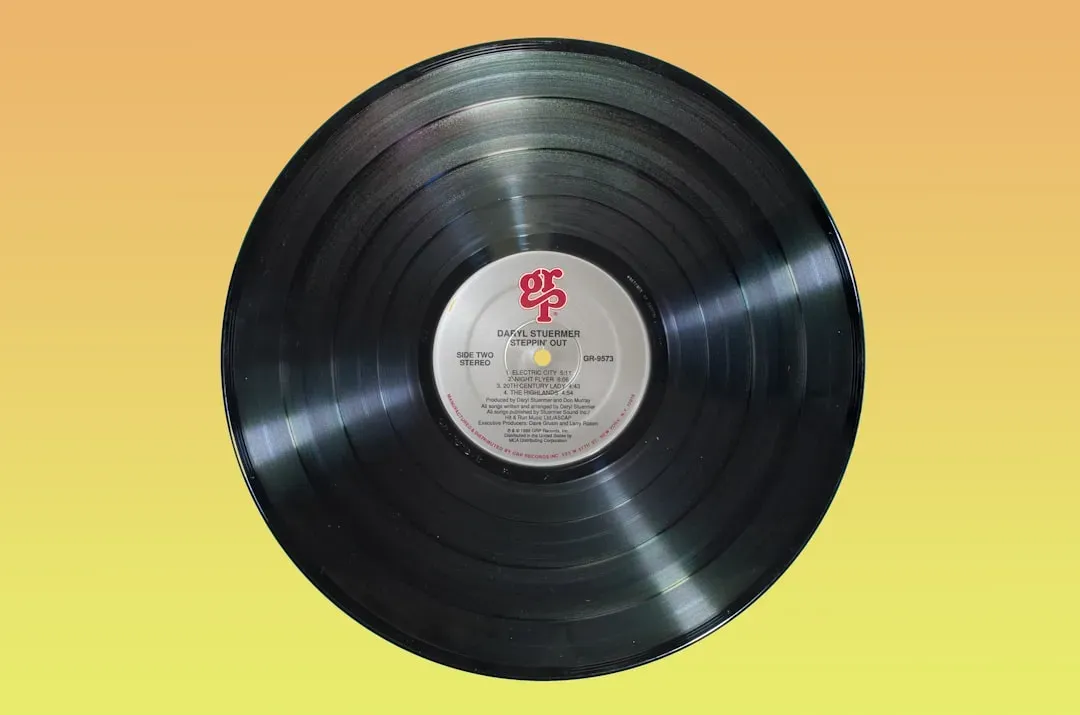
The album-as-art-form argument is one of the more sentimental entries on this list, and it has real substance behind it. The idea that streaming culture has pushed artists toward singles and playlists at the expense of cohesive album experiences is a legitimate observation. Vinyl encourages active listening. You sit down. You flip sides. You stay engaged. That experience is genuinely different from background streaming.
Still, the claim that nobody makes great albums anymore simply doesn’t survive a scan of recent release history. Gen Z listeners have found album-oriented artists who challenge them just as deeply as any classic record. Generation Z, having gone through financial instability, political division, frequent school shootings, climate anxiety, and the challenges of a global pandemic, has fostered a sense of caution. They find it easier to relate to artists that are more sensitive with their lyrics and instrumental delivery. Depth is still there. It just doesn’t always look like a gatefold double LP from 1973.
“Nobody Buys Music Anymore, So Artists Don’t Care”
This argument carries a nostalgic logic: when people paid hard cash for every album, artists had skin in the game. Streaming changed the financial equation, and the implication is that today’s music therefore lacks the same investment and sincerity. Vinyl, the iconic format of decades past, is enjoying a spectacular resurgence. In 2023, vinyl sales surpassed CD sales in several countries, including the United States, with 35.6 million records sold. Younger fans are clearly willing to invest when something moves them.
The idea that financial models determine artistic sincerity is also a strange one. Some of the most commercially ruthless eras in music history produced plenty of throwaway product alongside genuine masterpieces. Whether today’s music culture will be less defined by generational anthems or if these trends shift as Gen Z ages remains to be seen. What’s clear is that music discovery in 2026 looks very different from any era before it. Different doesn’t mean hollow.
Partner offer
Planning a trip to Vegas?
Compare hotel rates and show tickets on VEGAS.com.