


Award show speeches look effortless on television. Someone’s name gets called, they walk up, they say a few gracious lines, and everyone moves on to the next category. Behind that smooth surface, though, plenty of these moments were nearly derailed before a single word reached the microphone. Envelopes got mixed up, invitations got denied, cameras cut away too soon, and sometimes the speaker themselves almost weren’t in the room at all. What follows is a look at some of the acceptance speeches, mostly from the Academy Awards but not only, that came within inches of never happening the way we remember them.
Hattie McDaniel and a segregated hotel

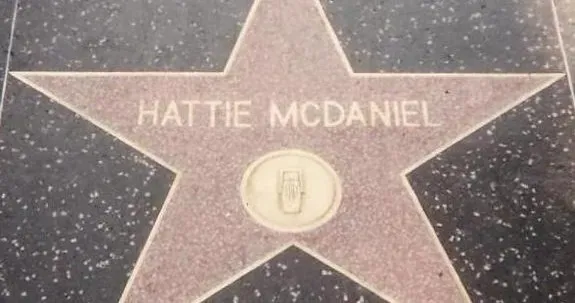
In 1940, Gone With the Wind’s Hattie McDaniel became the first African American to ever win an Academy Award, but she was almost not allowed to attend the ceremony. The Ambassador Hotel, where the ceremony took place, operated under segregation policies that could have kept her out entirely. Her film’s producer David O. Selznick had to ask the then segregated Ambassador Hotel for permission to invite McDaniel, which they granted, but she was relegated to a separate table away from her white co-stars.
Even after clearing that hurdle, McDaniel still had to walk to the stage and deliver remarks in front of a room that had just decided, grudgingly, to let her sit at its edges. Her win is remembered today as historic, but the road to that podium was never guaranteed. It’s a reminder that some of the most celebrated speeches in Oscar history nearly got stopped before they started, not by nerves or bad luck, but by policy.
Marlon Brando’s message that almost went unheard

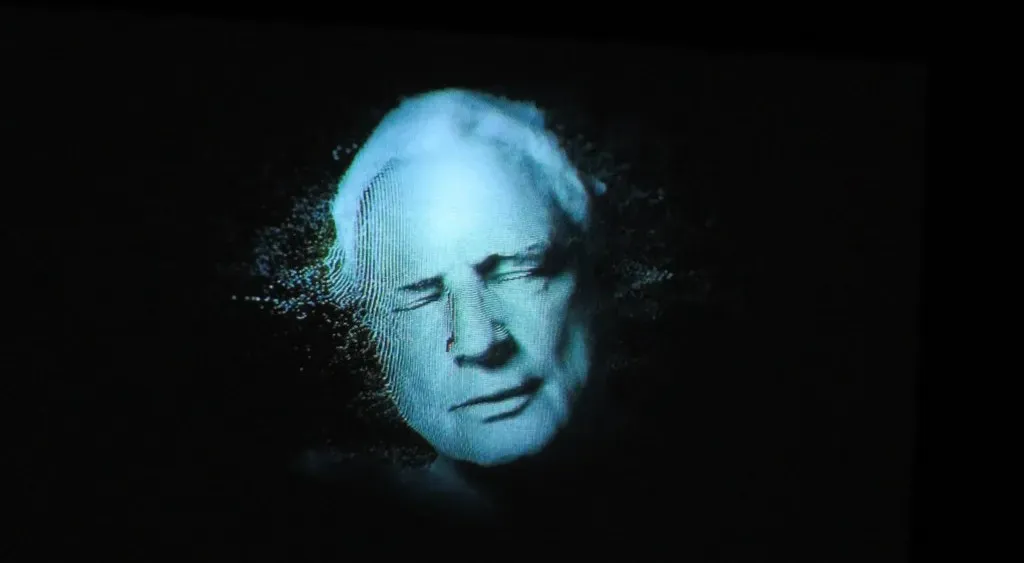
When Marlon Brando won Best Actor for The Godfather in 1973, he did not attend the ceremony himself. He chose to boycott the ceremony, sending Apache and Yaqui actor and activist Sacheen Littlefeather in his place, and the then-26-year-old respectfully refused the honor on his behalf in protest of Hollywood’s treatment and portrayal of Native Americans in film. That decision alone made the moment uncertain, since nobody could be sure how producers or the crowd would respond to a surrogate walking up instead of the winner.
It turned out Brando had written a far longer statement for the occasion. Brando had written a longer speech to be read at the podium, but Littlefeather said she couldn’t read it due to time constraints, and after being booed by the audience, she read the entire message to the press backstage. So in a real sense, the full speech almost never reached an audience at all. It only survived because Littlefeather found another venue for it once she left the stage.
The envelope mix up that stole Moonlight’s moment

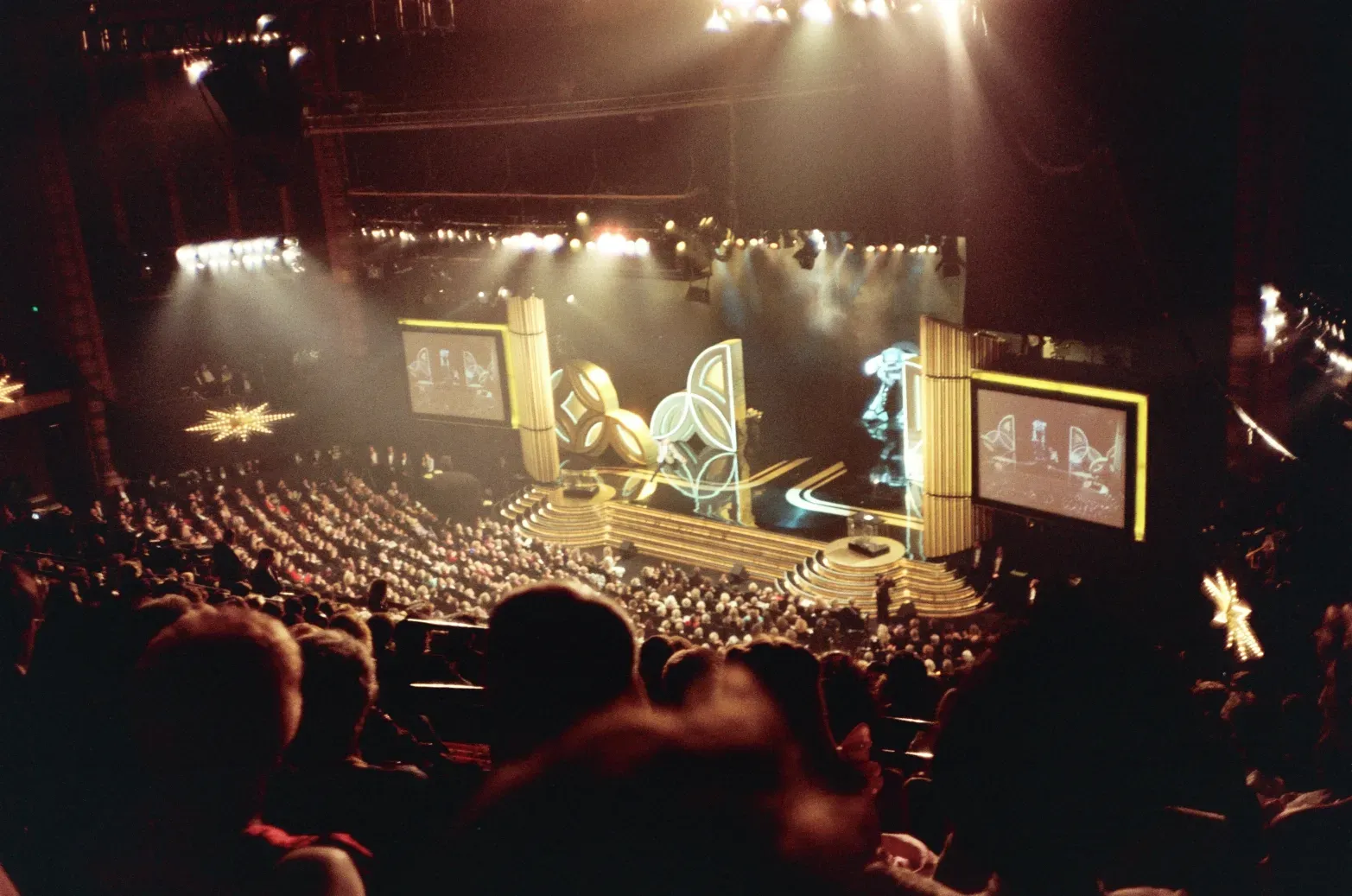
Few Oscar nights carried more chaos than 2017, when the wrong film was named Best Picture live on air. Warren Beatty and Faye Dunaway glided through the wings and onto the stage to announce the Oscar for best picture, but things went sideways inside the Dolby Theatre when a stagehand realized the presenter had the wrong envelope. That glitch led to one of the biggest embarrassments in Academy Awards history when Beatty handed the envelope to Dunaway, who incorrectly named La La Land and not Moonlight as the winner.
La La Land’s producers had already begun their acceptance speeches before anyone on stage understood the mistake. Presenters Warren Beatty and Faye Dunaway apparently took the wrong envelope, the one for best actress winner Emma Stone, onto the stage, and when they realized the mistake, representatives for ballot tabulators PricewaterhouseCoopers raced onstage to stop the acceptance speech. Moonlight’s team had to step forward and deliver their own remarks only after that correction, meaning the speech that actually belonged to the winning film almost got swallowed entirely by someone else’s celebration.
Judy Holliday’s speech that nobody outside the room heard

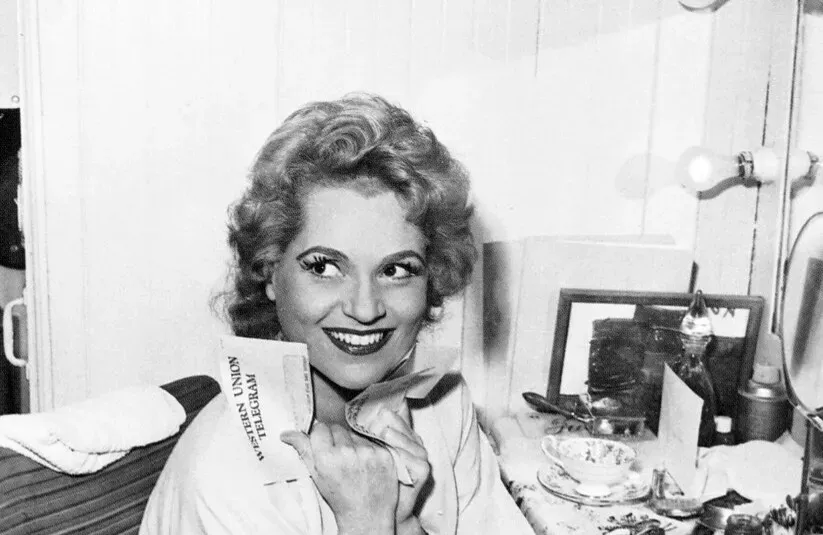
Long before satellite feeds and instant broadcasts, winning an Oscar in absentia carried its own risks. Judy Holliday won Best Actress for Born Yesterday in 1951, beating out heavyweight names in the process. In the 1951 race for Best Actress, newcomer Judy Holliday triumphed with Born Yesterday, beating out Bette Davis for All About Eve and Gloria Swanson for Sunset Blvd, and she gave an acceptance speech from the New York Oscar party, where Swanson was also celebrating, but the radio connection was lost, and no one outside the room heard it.
So the speech happened, technically, but only for the small crowd physically standing beside her in New York. Everyone else listening at home got dead air where her words should have been. It’s an early example of how fragile these broadcast moments really were before television took over the ceremony the following year.
Vivien Leigh’s win delivered by radio, mid performance

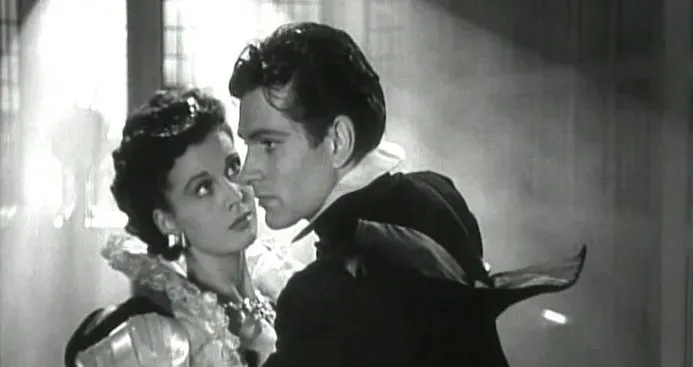
Vivien Leigh had her own strange path to accepting an Oscar. In 1952, Vivien Leigh was appearing as Cleopatra on Broadway with husband Laurence Olivier and heard about her Best Actress win for A Streetcar Named Desire over the radio while backstage. She was mid run in a stage production three thousand miles from Hollywood, catching news of her own Oscar between scenes rather than delivering a speech from a podium at all.
There was no formal acceptance in that moment, just a radio broadcast reaching her secondhand backstage at a theater. It underscores how differently these wins were handled decades ago, when travel and scheduling could easily keep a winner an ocean away from the ceremony honoring them.
Jack Palance’s push ups to prove a point

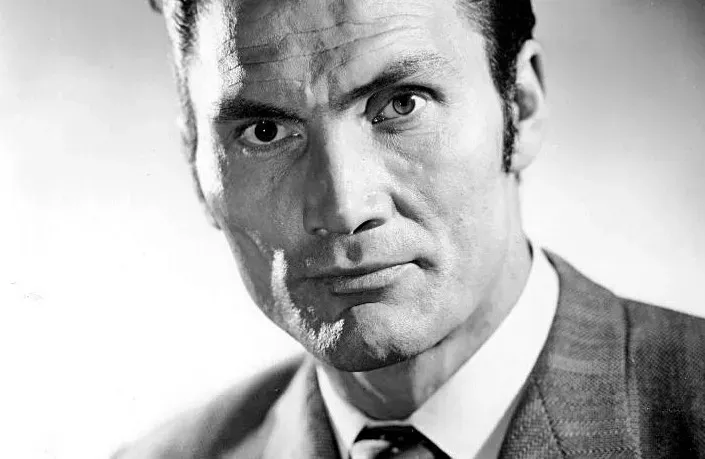
Not every near miss involved absence or technical failure. Sometimes the speech itself the way it was planned because the winner changed course on stage. In 1992, while accepting his Best Supporting Actor Oscar for City Slickers, Jack Palance did one-arm push-ups on the floor to demonstrate his physical strength and counteract the view of some executives who had not wanted to risk hiring an elderly person for fear they may die during filming.
That was not a rehearsed line delivered from a podium. It was a physical rebuttal to an industry bias, performed on live television in front of millions. Palance essentially replaced a conventional thank you speech with a demonstration, which meant the traditional acceptance moment almost got skipped entirely in favor of something far more memorable.
Jorge Drexler sang his way onto a stage he wasn’t invited to

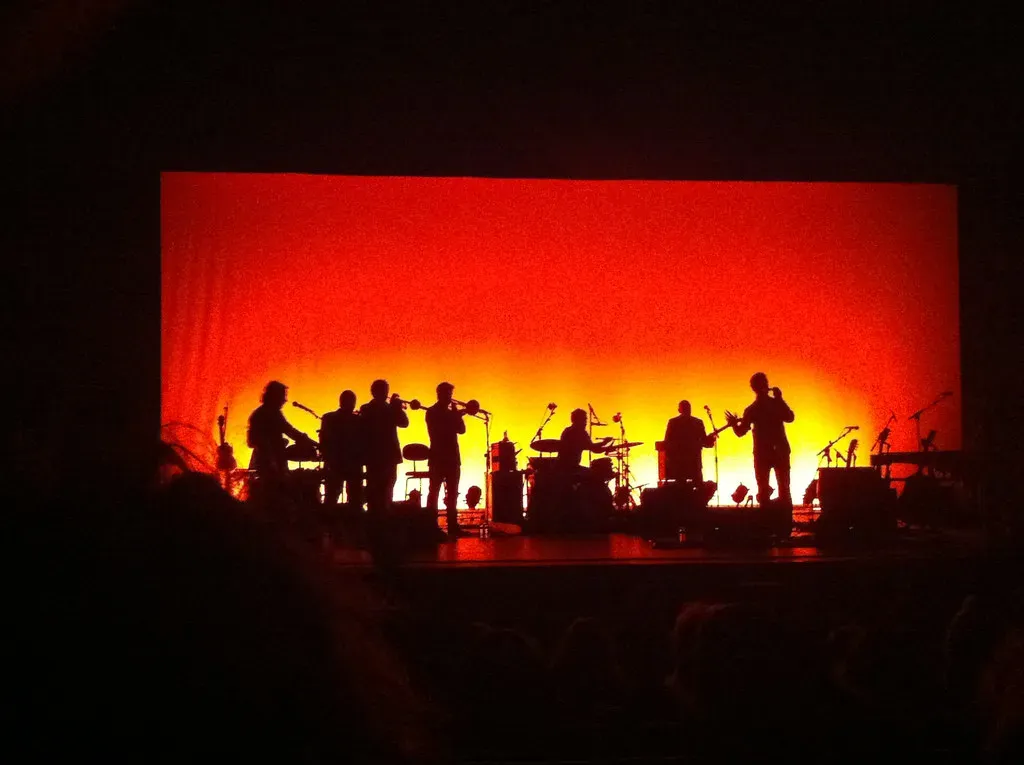
Sometimes an artist has to create their own opportunity when the ceremony leaves them out. When Jorge Drexler accepted the Oscar for Best Original Song in 2005, instead of a speech he sang the winning song, Al Otro Lado del Río, as he had not been invited to perform earlier in the ceremony. Producers had chosen someone else to perform his own nominated song during the broadcast, which left Drexler without a platform until he actually won.
Rather than deliver a standard speech, he used his brief window at the microphone to do what the show had denied him earlier. It turned an acceptance speech into an improvised performance, born directly out of being excluded from the night’s original lineup. Without that snub, the moment as audiences remember it simply would not exist.
Adrien Brody’s unscripted kiss

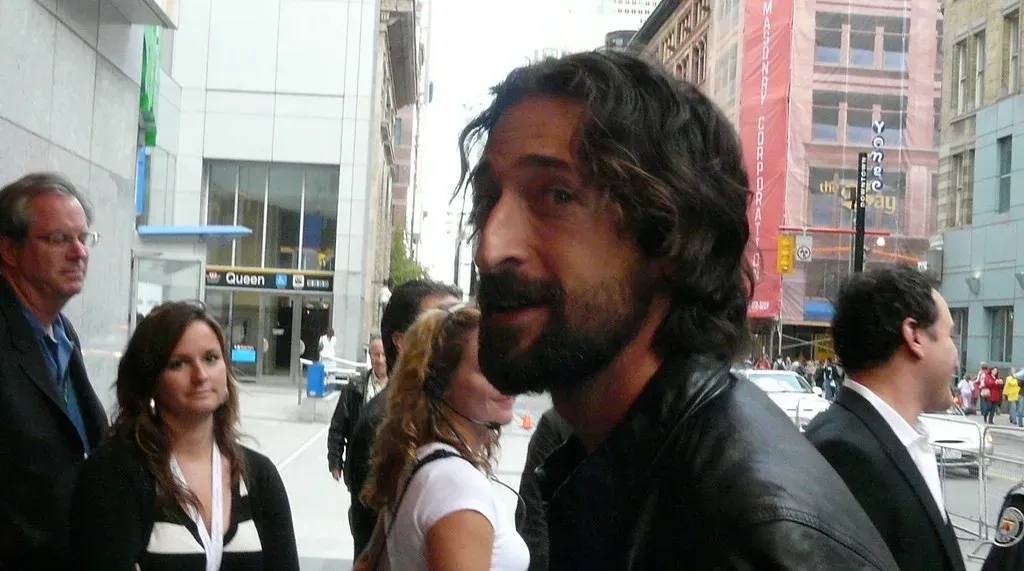
Some acceptance speeches almost got overshadowed by what happened before a single word was spoken. Adrien Brody was on top of the world after winning an Oscar for his performance in The Pianist at the 75th Academy Awards, and after making his way to the stage, he embraced presenter Halle Berry by laying a big kiss square on her lips, before pointing at her and joking that they didn’t tell her the kiss was in the gift bag.
Presenters do not expect to become part of the winner’s moment in that way, and Berry certainly hadn’t planned for it. The unplanned kiss risked derailing the entire segment before Brody even reached the microphone to speak. It became one of those instances where the actual words of the speech nearly got lost behind the spectacle that preceded them.
Michael Keaton’s speech that stayed in his pocket

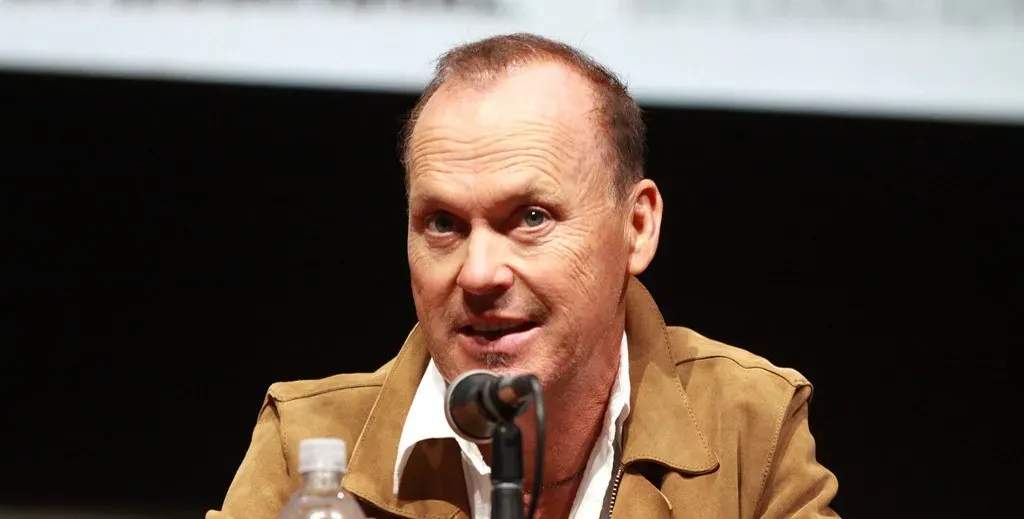
Not every prepared speech makes it to a podium, even when the winner is standing right there in the room. There were many emotional moments at the Oscars, but none were quite as noted as when Michael Keaton subtly put his acceptance speech back into his jacket, shown in a clip that went viral, as the actor was seen tucking his speech away when Eddie Redmayne’s name was announced for best actor instead.
Keaton had clearly written something, folded it, and carried it into the theater expecting to use it. The moment the winner’s name turned out to be someone else, that speech simply went back into a pocket, unread and unheard by anyone beyond the cameras that happened to catch the gesture. It stands as a quiet example of a speech that existed, word for word, yet never actually happened at all.
Golden’s speech cut short in 2026

Even in the modern era, with tighter production schedules than ever, speeches still get interrupted mid sentence. As the KPop Demon Hunters songwriters were in the middle of accepting the Oscar for Best Original Song at the 98th Academy Awards, that moment was cut short, with the team making history as the first K-pop song to ever win an Oscar before being abruptly ushered off the stage. Fans criticized the award show for interrupting the historic victory and allowing only EJAE to make her speech before the orchestra played everyone off.
The team did eventually get to finish their thoughts, just not where the television audience could see it. Though their time on stage was limited, the Golden group did get to finish accepting the best original song prize backstage, with Yu-Han Lee calling the win an incredible honor while Sonnenblick got to shout out his family and husband. So the speech existed in full, just split between a stage moment cut off by music and a quieter, unseen continuation once the cameras had already moved on.


