Award shows like to present themselves as timeless institutions, guarding tradition with velvet ropes and gold statuettes. In reality, most of them are far more reactive than they let on. When enough people complain loudly enough, on social media, in trade papers, or through an outright boycott, categories get added, renamed, or quietly buried within a news cycle or two. Some of these additions came after decades of lobbying from industry insiders who felt overlooked. Others arrived almost overnight, a defensive move after a specific controversy threatened ratings or credibility. Looking at a handful of these moments side by side says a lot about how awards shows actually work behind the curtain.
The Oscars finally recognize casting directors

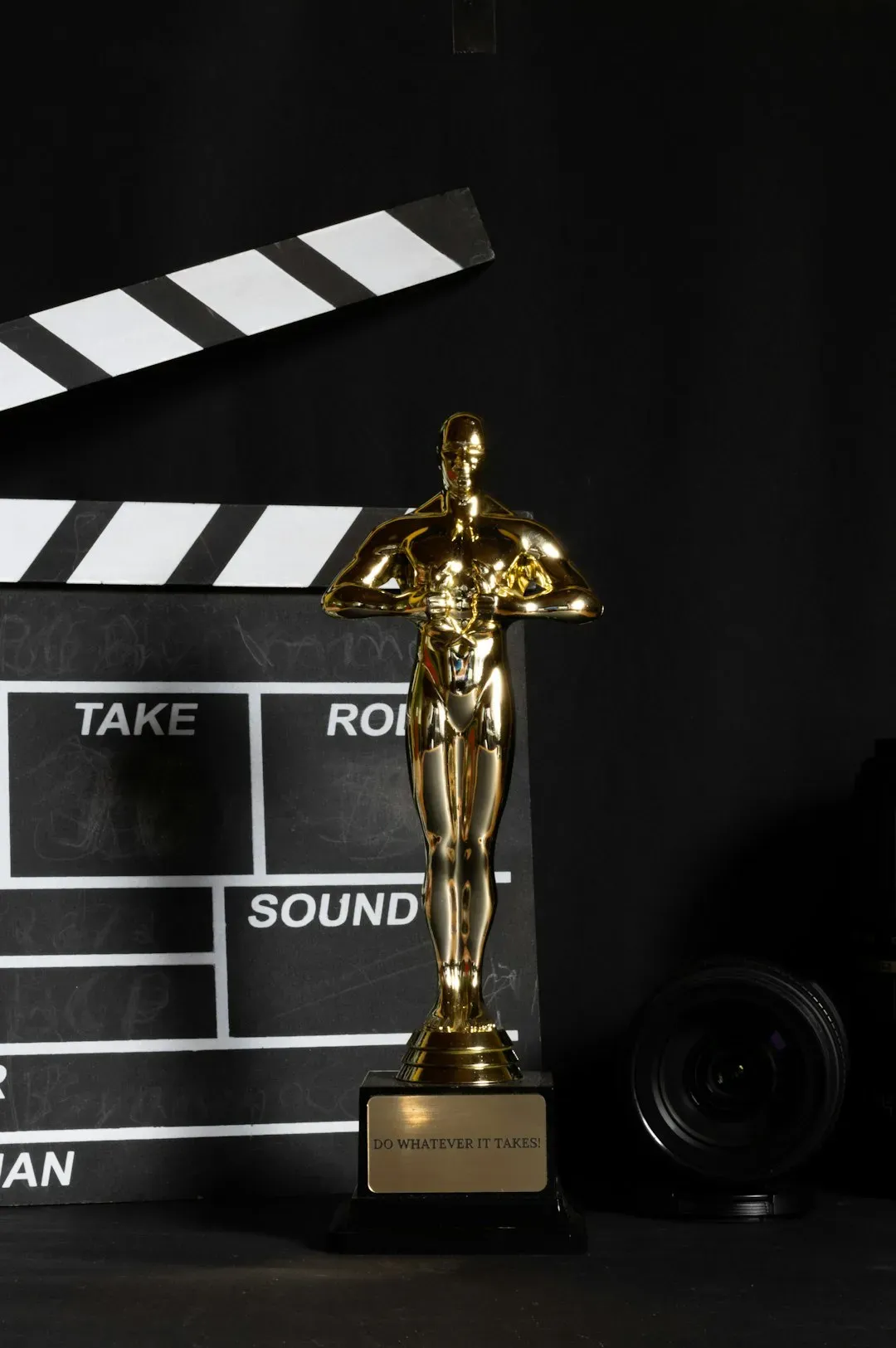
For over seventy years, the people who cast movies, the ones who decide who plays what role, had no Oscar of their own. A category to award achievement in casting had previously been rejected by the Academy in 1999. That rejection did not end the push from casting professionals, who kept making the case that their work shaped films as fundamentally as editing or cinematography.
The Academy finally relented in February 2024. “Casting directors play an essential role in filmmaking and as the Academy evolves, we are proud to add casting to the disciplines that we recognize and celebrate,” academy Chief Executive Bill Kramer and President Janet Yang said in a joint statement. It became the first new Oscar category introduced since Best Animated Feature Film in 2001. The award debuted at the March 2026 ceremony, with Cassandra Kulukundis winning for her work on “One Battle After Another” and dedicating the honor to “casting directors who never had the chance to get nominated.”
The Oscars’ Popular Film category that public pressure killed

Not every category survives the pressure that created it. In August 2018, the Academy announced the addition of a popular film award category and the promise of a shorter, three-hour ceremony in an effort to combat declining viewership and criticisms that the awards are out of touch with the mainstream. The idea was clearly aimed at satisfying fans who felt blockbuster movies never got real Oscar attention.
It backfired almost immediately. The announcement was met with immediate backlash online, raising questions about what the new category would mean for a film like “Black Panther,” a global blockbuster that has also been talked about as a favorite contender for the best picture Oscar. Within weeks, the idea was shelved following widespread backlash, with the Academy saying it would further study plans for the category, citing the fact that implementing a new award three quarters of the way into the year would create challenges for films already released. It is a rare case where public pressure both created a category and then erased it before a single trophy was handed out.
Golden Globes add a box office category after the Oscars flinched

The Golden Globes picked up almost exactly where the Oscars left off. The new popcorn pics category for the Globes was similar to the one proposed by AMPAS in August 2018, Outstanding Achievement in Popular Film, which received a barrage of criticism, seen as an attempt to pander to mainstream audiences. Rather than avoid the idea entirely, the Globes tried a version of it with clearer rules.
The prize became the Golden Globe for Cinematic and Box Office Achievement, requiring titles to have grossed at least 150 million dollars during release, with at least 100 million of that from domestic box office. Even so, observers noted the resemblance to the earlier failed attempt. Some critics felt that the new category was an attempt to improve the ceremony’s viewership and relevance, with comparisons drawn to the Academy Awards’ attempt to introduce a category for Popular Film in 2018.
Stand-up comedy gets its own Golden Globe

Comedians had spent years being funneled into acting categories that never quite fit their work. Specials, sets, and hosting gigs did not map cleanly onto Best Actor or Best Actress in a Comedy. The Globes addressed that gap alongside the box office category rather than in isolation.
Best Performance in Stand-Up Comedy on Television was created to recognize outstanding work from a comic in a traditional stand-up format, with comedy specials airing on broadcast, basic and premium cable, streaming, and pay-per-view all eligible. Golden Globes president Helen Hoehne framed it as overdue recognition, noting “the Golden Globes has a rich history of supporting and celebrating the work of comedians, and we’re thrilled to honor their brilliance alongside outstanding motion picture and television performances of the year.” It filled a gap that comedy fans had pointed out for years without much organized pushback, more a slow accumulation of complaints than a single flashpoint.
A Best Podcast award answers a medium that outgrew the room


Podcasts spent the better part of a decade becoming a dominant form of entertainment while awards shows treated them as an afterthought, if they acknowledged them at all. Listeners and creators alike noted the disconnect between the format’s cultural reach and its total absence from major ceremonies.
The Globes closed that gap for the 2026 awards. For the 2026 awards the Golden Globes added a new category for Best Podcast, citing the seismic growth of the medium. Nominees were chosen from a list of 25 most-listened-to podcasts that have made a significant impact over the past year, celebrating the creativity and influence of creators worldwide. It is a good example of pressure that built quietly over years rather than exploding in a single news cycle.
Grammys widen the field after a diversity backlash

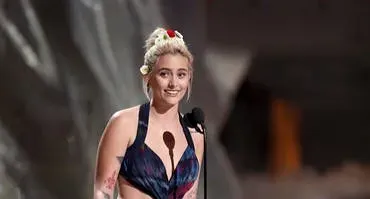
By 2018, the Recording Academy was facing sustained criticism over how few women and artists of color won in its top categories, despite frequent nominations. The frustration had been building for years and reached a breaking point after a particularly lopsided awards season.
The response was structural rather than a brand new category, but it came from the same kind of pressure. The Grammys expanded the number of nominees in main categories as organizers tried to counter a backlash over how few women and minorities were winning, boosting the field of hopefuls from five to eight for the top four categories. The change echoed the 2009 decision of the Academy Awards to double the number of contenders for the Best Picture Oscar from five to ten at the most. It showed that sometimes the fix for public pressure is not a new trophy but simply more room at the existing table.
The Grammys’ Asian Pop category becomes a cautionary tale

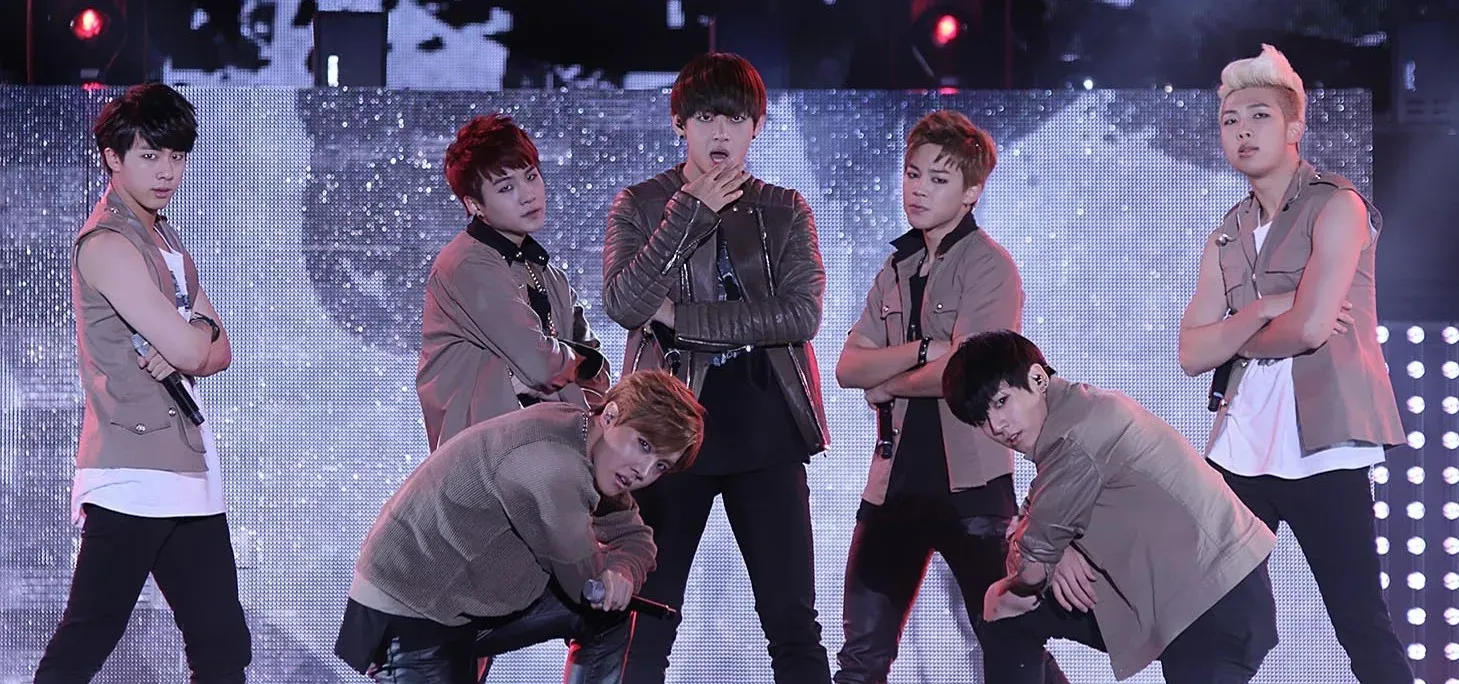
Sometimes a category meant to answer one kind of pressure creates an entirely new kind of backlash. The Grammys added five categories taking effect at the 69th Grammy Awards, including Best Asian Pop Music Performance, Best Latin Song, Best R&B Collaboration or Duo/Group Performance, Best Traditional Pop Vocal Performance, and Best Traditional Folk Album. The intention, according to the Academy, was inclusion. The category quickly drew criticism from fans who argued it risked walling off Asian artists from the Grammys’ main categories rather than opening a path into them.
The controversy escalated sharply when one of the biggest acts in the world weighed in. BTS announced that none of their music, including their recent album ARIRANG, would be submitted for consideration at the 2027 ceremony, with all seven members posting identical statements to their individual Instagram accounts saying they had decided not to submit to the Grammys this year. Recording Academy CEO Harvey Mason Jr. responded that “I am saddened to hear that BTS has chosen not to participate in the Grammy Awards process this year, but as a music creator, I understand and respect their decision.” The Academy is now convening its full Board of Trustees along with its Awards and Nominations Committee to seek further guidance, a review that also extends to how the Academy introduces new categories more broadly. It is a rare instance where the pressure to add a category and the pressure that followed its creation came from opposite directions entirely.
MTV adds a category built for a political moment

By 2017, cultural and political tension in the United States had spilled directly into award show programming, and MTV responded with a category built around activism rather than genre. MTV added the Best Fight Against the System category, with qualifying videos focused on social injustices. Nominees included Logic, Big Sean, Alessia Cara, and John Legend.
The move came in the same cycle where MTV made another notable adjustment. With its announcement of the nominees for the 2017 Video Music Awards, MTV scrapped gender-specific categories such as best female video and best male video, instead combining them into the artist of the year award. Both changes reflected a broader cultural conversation happening well beyond the world of music videos, and MTV moved quickly to make its ceremony feel current rather than dated.
MTV keeps rewriting categories to match the moment
The pattern did not stop in 2017. Three years later, the pandemic forced another round of quick adjustments that reflected exactly what audiences were living through in real time.
The MTV Video Music Awards added two new categories to reflect how musicians were responding to the coronavirus pandemic. Lady Gaga, John Legend, Post Malone, and DJ D-Nice all won nominations in the special best quarantine performance category for their appearances earlier that year on virtual concerts, fundraisers, and social media events. It is one of the clearest examples of an awards show treating categories less like fixed tradition and more like a running conversation with whatever audiences happen to be talking about that year.
What these categories reveal about awards shows

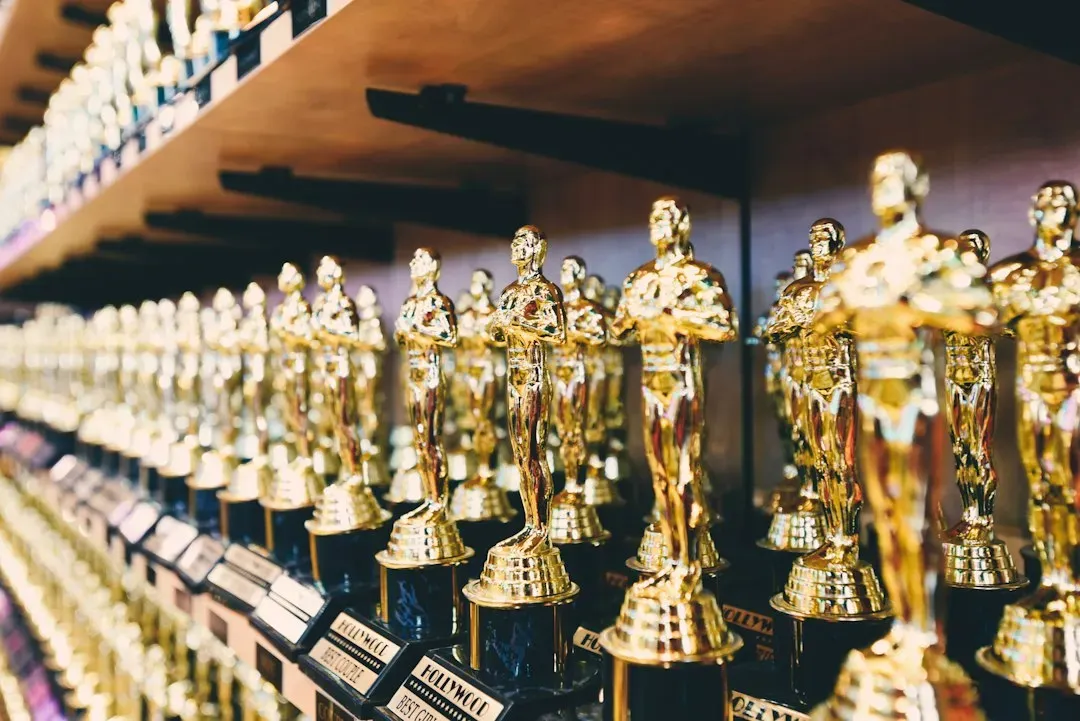
Looking across film, music, and television awards, a pattern emerges that has little to do with tradition and a lot to do with survival. Categories get added when an awards show senses that ignoring an issue costs more, in credibility, ratings, or goodwill, than acknowledging it does. The Oscars needed decades of advocacy before casting directors got their moment, while the Globes moved on stand-up comedy and podcasts with far less friction.
Not every fix lands cleanly, as the Grammys’ Asian Pop category and the Oscars’ abandoned Popular Film award both show. Public pressure can create a category just as easily as it can dismantle one within the same news cycle. That tension, between wanting to look responsive and actually getting it right, is likely to keep shaping award show categories for years to come.