Some characters stick with us because we love them. Others stick with us because we cannot stand them, and that reaction says just as much about great writing. Ask readers online, on forums, in book club threads, or in the comment sections of Goodreads reviews, and certain names come up again and again as the ones people love to hate, or sometimes just plain hate. This list pulls together the characters who consistently top reader polls and discussion threads as the most disliked in fiction. Some are villains doing exactly what villains are supposed to do. Others are protagonists or supporting characters whose flaws crossed a line readers could not forgive.
1. Dolores Umbridge, Harry Potter series
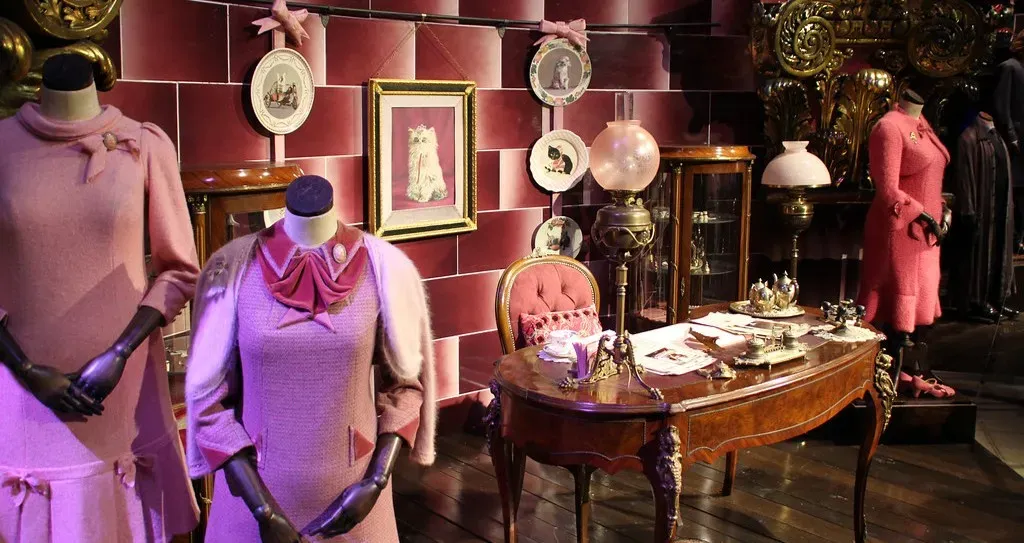
Few characters in modern fiction generate the visceral reaction that Dolores Umbridge does. Unlike Voldemort, whose evil feels almost mythic, Umbridge’s cruelty is bureaucratic and petty, wrapped in pink cardigans and forced smiles. Readers have long pointed out that her particular brand of institutional nastiness feels more real and more infuriating than a dark wizard’s grand schemes.
J.K. Rowling herself has noted that Umbridge represents a kind of evil rooted in ordinary human pettiness rather than supernatural menace. That grounded quality is exactly why so many readers rank her above Voldemort on lists of most hated characters. She is the teacher everyone has had a nightmare version of, and that familiarity makes her worse.
2. Joffrey Baratheon, A Song of Ice and Fire
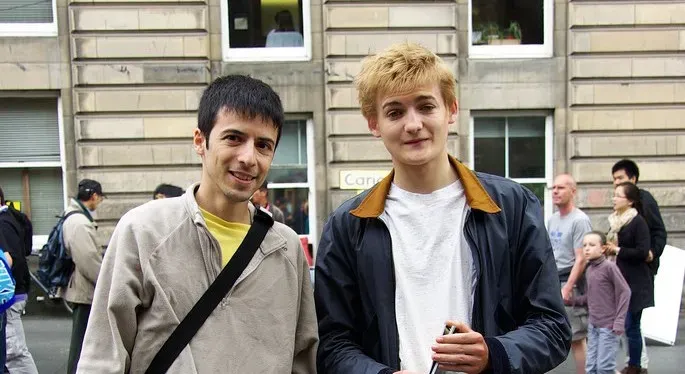
George R.R. Martin built an entire universe of morally gray characters, yet Joffrey Baratheon stands out as one with almost no redeeming qualities. Cruel, cowardly, and drunk on power he never earned, Joffrey became a shorthand among readers for pure entitled villainy. His death partway through the series remains one of the most celebrated character deaths in the fantasy genre.
What makes Joffrey particularly disliked is how consistently he abuses power without ever facing real consequences until the very end. Fans of the books and the television adaptation alike have pointed to his treatment of Sansa Stark as a defining moment of cruelty that cemented his reputation. He is often cited in fan discussions as the character readers were most relieved to see gone.
3. Holden Caulfield, The Catcher in the Rye

Holden Caulfield divides readers more than almost any other narrator in twentieth century literature. To some he is a sympathetic portrait of teenage alienation, but to a large number of readers he simply comes across as whiny, judgmental, and exhausting to spend an entire novel with. J.D. Salinger’s narrator calls nearly everyone around him phony, yet many readers find that same accusation applies right back to him.
Online reader discussions frequently cite Holden as a character people were assigned in school and grew to resent rather than admire. His constant complaining without much self-awareness or growth is the most common complaint. It is a rare case where the dislike is aimed at a protagonist rather than a villain, which makes his presence on this list notable.
4. Bella Swan, Twilight series

Stephenie Meyer’s Twilight saga made Bella Swan one of the most recognizable protagonists of the 2000s, but recognition did not translate into universal affection. Many readers have criticized her passivity, her tendency to define herself entirely through her relationships with Edward and Jacob, and her lack of independent motivation throughout much of the series. Even fans of the franchise often admit Bella is one of its weaker elements.
The criticism intensified as the broader cultural conversation around female protagonists shifted in the years following the books’ release. Readers revisiting the series in recent years have frequently pointed to Bella as an example of a character who reflects the limitations of her era’s storytelling around young women. She remains a frequent entry on lists of characters readers wish had more agency.
5. Amy Dunne, Gone Girl

Gillian Flynn wrote Amy Dunne to be unsettling, and by most reader accounts, she succeeded completely. Amy’s manipulation, her willingness to frame her husband for murder, and her chilling monologues about performing femininity make her one of the most talked about antagonists in contemporary thriller fiction. Readers do not just dislike her, many find her genuinely disturbing in a way that lingers after finishing the book.
Part of what makes Amy so widely disliked is how convincingly Flynn writes her perspective, forcing readers to sit inside the mind of someone calculating and remorseless. Book club discussions of Gone Girl consistently circle back to Amy as the character people most want to discuss, dissect, and condemn. Her cool detachment throughout the novel’s twists is often cited as more disturbing than outright villains who show emotion.
6. Cathy Ames, East of Eden

John Steinbeck rarely wrote characters as coldly calculating as Cathy Ames. Described within the novel itself as someone born without a normal capacity for conscience, Cathy manipulates, harms, and abandons nearly everyone who crosses her path throughout East of Eden. Readers frequently describe her as one of classic literature’s most disturbing antagonists precisely because Steinbeck offers so little explanation or redemption for her actions.
Unlike more sympathetic villains in the same novel, Cathy is written with a kind of clinical detachment that many readers find chilling rather than compelling. Her abandonment of her own children and her manipulation of the men around her have made her a recurring name in discussions of literature’s most unsettling characters. Decades after publication, she still generates strong reactions in reading groups tackling Steinbeck’s work.
7. Draco Malfoy, Harry Potter series
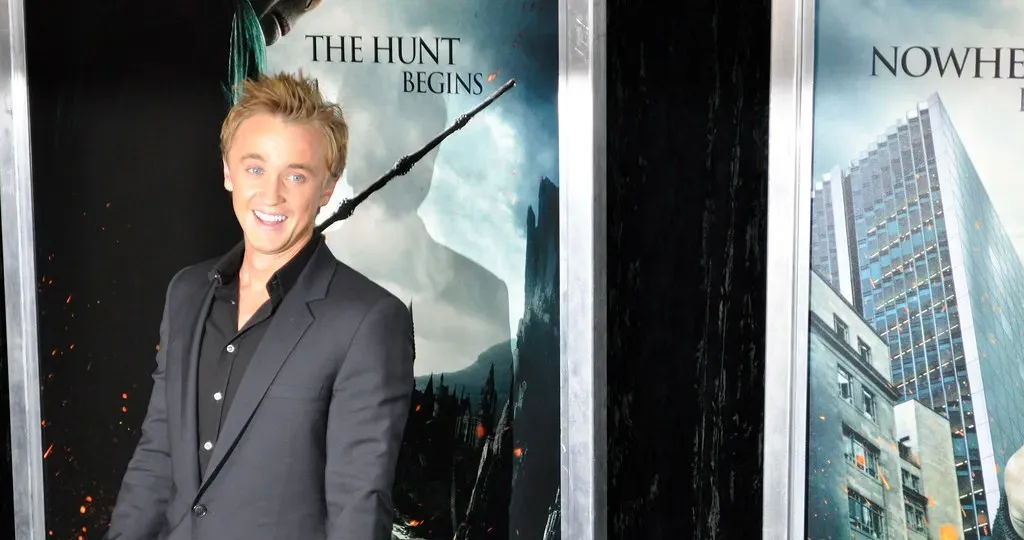
Draco Malfoy occupies a strange space in reader sentiment, disliked for most of the series before earning some sympathy in the later books. For much of the earlier novels, his bullying, casual cruelty, and inherited prejudice made him one of the more frustrating recurring antagonists for young readers to encounter. Rowling wrote him as a product of his upbringing, and that context does not fully excuse his behavior in the eyes of many fans.
Even readers who appreciate his more nuanced arc in later books often note that his early actions, particularly his treatment of Hermione Granger and his role in various schemes against Harry, left a lasting negative impression. Discussion threads about the series regularly debate whether his eventual redemption arc earns forgiveness or simply complicates an already disliked character. He remains a frequent name in polls ranking the series’ most frustrating figures.
8. Humbert Humbert, Lolita

Vladimir Nabokov’s narrator in Lolita is disliked in a way that reflects the novel’s disturbing subject matter rather than any failure of craft. Humbert Humbert’s self-justifying narration, his manipulation of language to soften his own predatory actions, and his complete lack of genuine remorse have made him one of the most reviled narrators in literary history. Readers consistently note that the discomfort is the point, not a flaw in the writing.
What makes discussions of Humbert particularly charged is the ongoing debate about how his eloquent, persuasive voice can obscure the horror of what he actually does. Book clubs and literature courses continue to grapple with how a novel can be considered a masterwork while its narrator remains almost universally condemned by readers. He is frequently cited in surveys of literature’s most reviled characters, precisely because Nabokov never lets him off the hook.
9. Eustacia Vye, The Return of the Native

Thomas Hardy’s Eustacia Vye has divided readers since the novel’s publication, with many finding her selfish ambitions and dismissive treatment of those around her difficult to sympathize with. Her restlessness and desire to escape rural life at any cost, including through manipulation of the men who love her, have made her a frequent target of reader frustration in discussions of Hardy’s work. Some readers argue she is simply a product of her constrained circumstances, while others see her actions as genuinely selfish regardless of context.
The character’s willingness to use both Clym Yeobright and Damon Wildeve for her own purposes, without much regard for the consequences to either man, is the most commonly cited source of reader dislike. Even in academic discussions of the novel, Eustacia rarely receives the same sympathy afforded to other tragic Hardy heroines. Her name continues to surface in discussions ranking classic literature’s least sympathetic female leads.
10. Percy Weasley, Harry Potter series
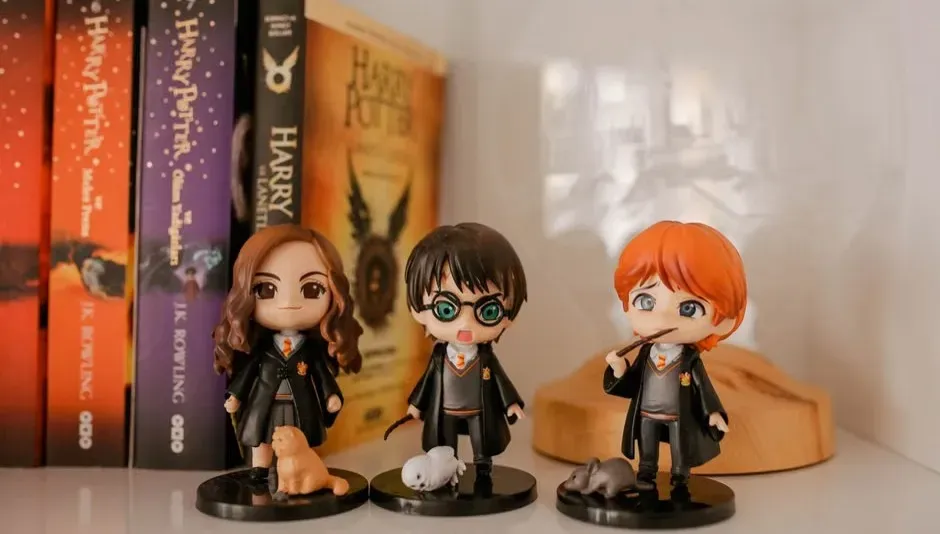
Percy Weasley is a more understated entry on this list, disliked not through grand villainy but through a betrayal that felt personal to many readers. His decision to side with the Ministry of Magic against his own family during a critical point in the series struck many fans as a genuine act of cowardice and pride. Even though his arc eventually resolves with reconciliation, that stretch of estrangement left a mark on how readers view him.
Discussion forums dedicated to the series often note that Percy’s dislike is different from characters like Umbridge or Voldemort because it comes from disappointment rather than fear or disgust. Readers who grew up with the Weasley family as a symbol of loyalty found his choices particularly hard to forgive. He remains a frequently debated figure among fans who argue about whether his later actions fully redeem his earlier ones.
11. Scarlett O’Hara, Gone with the Wind
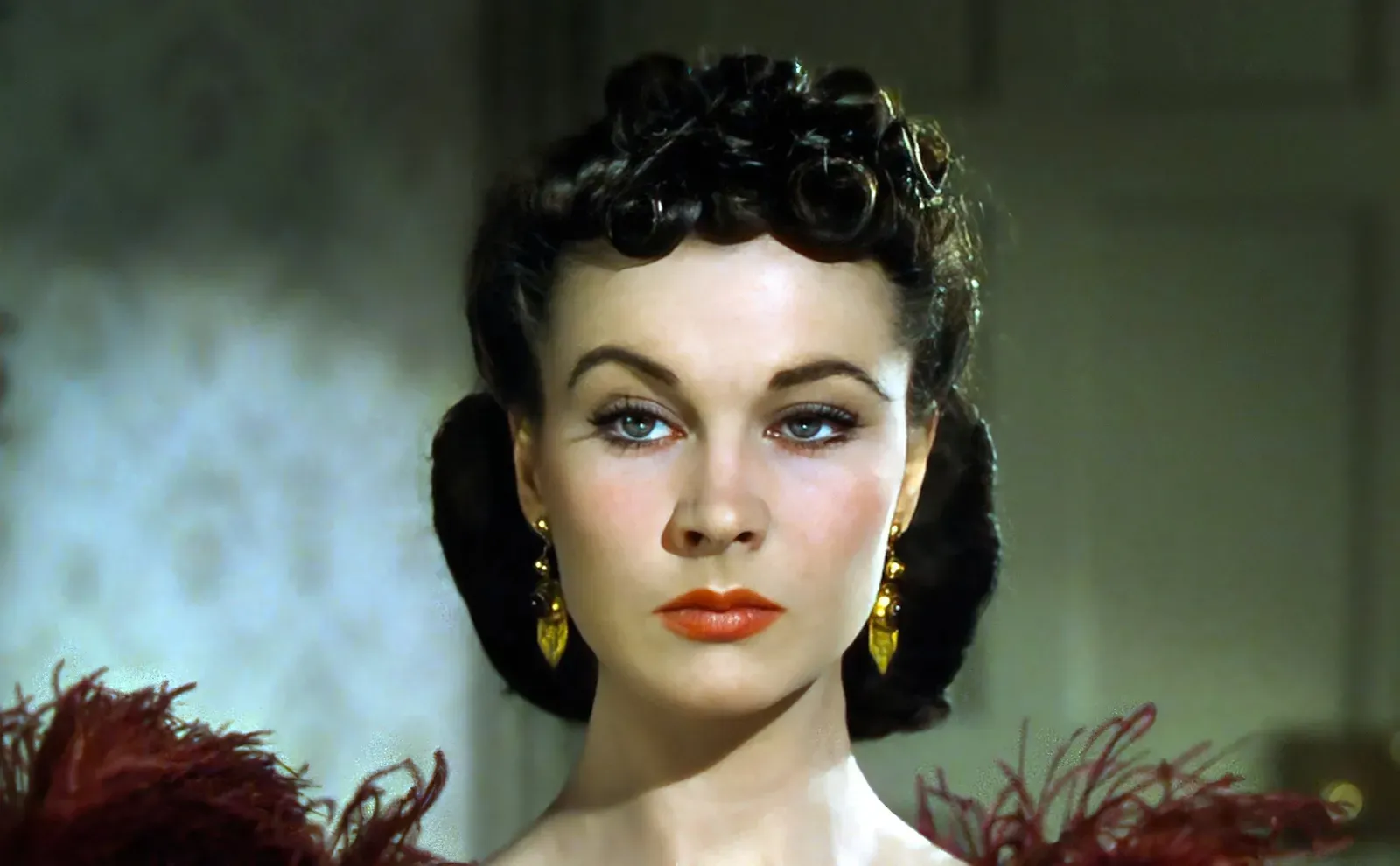
Margaret Mitchell’s Scarlett O’Hara has generated debate since Gone with the Wind was first published, admired by some for her resilience and disliked by many others for her selfishness and manipulation of nearly everyone in her orbit. Her treatment of Melanie Wilkes, her repeated scheming to secure wealth and status, and her often careless disregard for the feelings of those who love her have made her a polarizing figure in reader discussions for decades. Even readers who find her survival instincts admirable often struggle with how little regard she shows for others along the way.
Modern readers revisiting the novel frequently note that Scarlett’s flaws feel less like complexity and more like genuine selfishness that the narrative does not always hold her accountable for. Her dismissiveness toward Rhett Butler’s affection, until it is far too late, is commonly cited as a moment where reader patience runs out entirely. She continues to appear in rankings of classic literature’s most frustrating protagonists, a testament to how strongly her choices still provoke reaction generations later.
These eleven characters span centuries of storytelling, from Victorian tragedy to contemporary thrillers, yet they share a common thread. Each one provoked a strong, lasting reaction from readers, proof that a character does not need to be liked to be unforgettable.