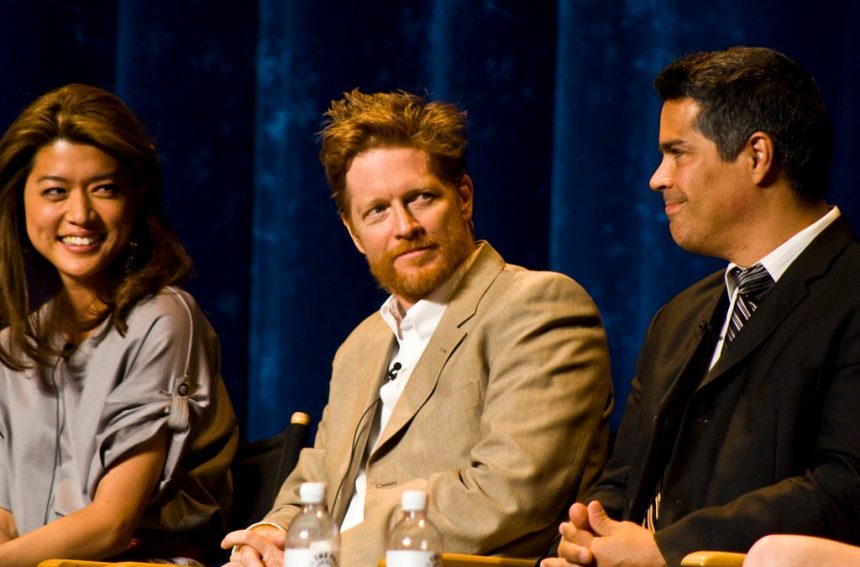
Getting cast in a major film is the kind of news that sends actors calling their agents in disbelief. It’s a done deal. Contracts are signed, schedules cleared, costumes fitted. Then, sometimes, the cameras start rolling – and everything falls apart anyway. Directors realize the fit is wrong. Producers lose patience. Egos collide. And someone who thought they had the role of a lifetime suddenly doesn’t.
These stories are more common than Hollywood likes to admit. Film history is full of moments where a production suddenly realized the actor they hired was simply not working and replaced them in the middle of making the movie. The reasons range from creative misalignment to personal misconduct to something as mundane as a scheduling dispute. What makes each case fascinating is not just the firing itself, but what came next – for the actor who left, and for the film that had to carry on without them.
Eric Stoltz in Back to the Future (1985): Too Serious for Marty McFly
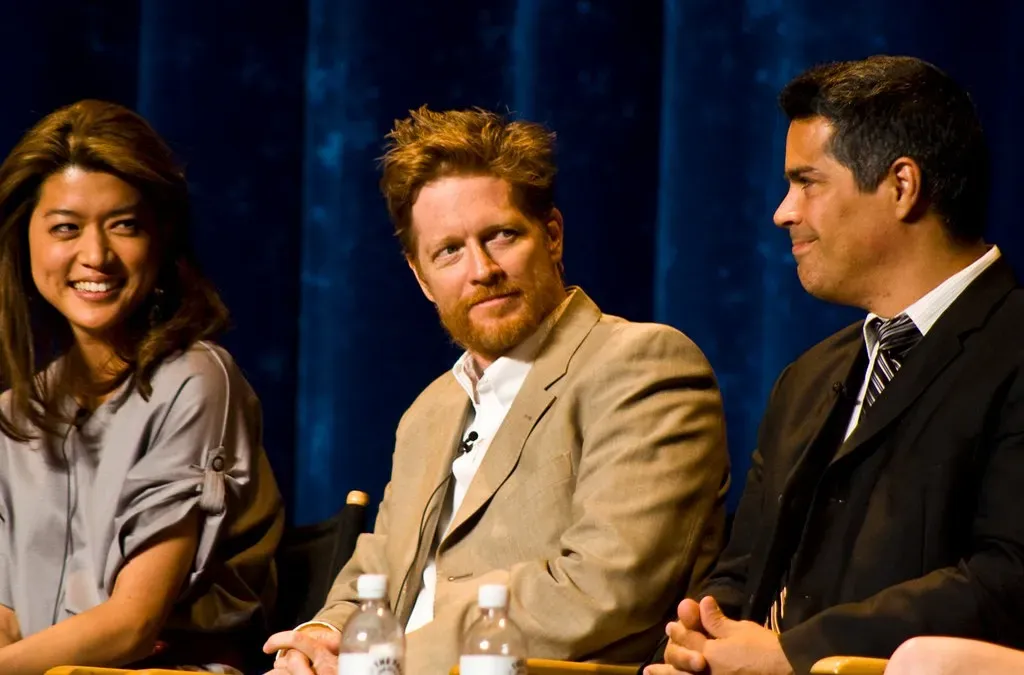
Eric Stoltz played the role of Marty McFly for six weeks before director Robert Zemeckis decided the actor’s performance was too dramatic for the intended tone. Michael J. Fox was the original first choice for the part, but he had been unavailable due to his commitments to the sitcom “Family Ties.” The production pushed forward with Stoltz, hoping the issue would resolve itself in the edit. It didn’t.
The top people working on the movie, among them director Robert Zemeckis and producer Steven Spielberg, realized weeks into production that Stoltz wasn’t getting many laughs in rough cuts of the film. The production eventually reached an agreement that allowed Fox to film the movie at night while working on his show during the day. Zemeckis later described telling Stoltz as the hardest meeting of his career. Fox’s version of Marty McFly became one of cinema’s most beloved characters, and the film grossed nearly $400 million worldwide.
Harvey Keitel in Apocalypse Now (1979): Wrong Energy in the Jungle
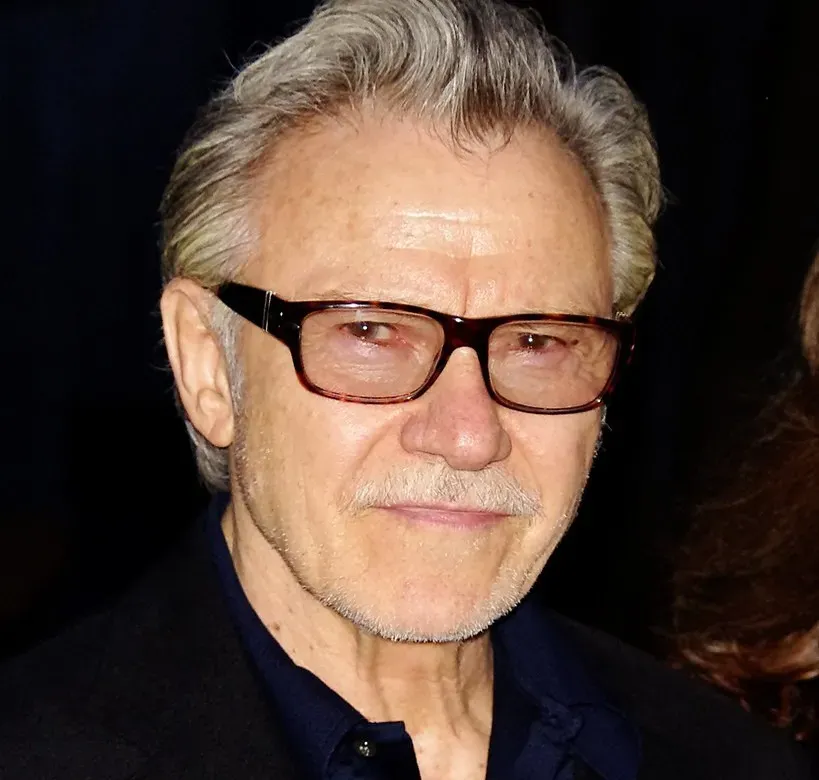
Harvey Keitel was originally cast as Captain Willard and spent about a week filming scenes in the Philippine jungle. Director Francis Ford Coppola became concerned that Keitel’s acting style was not a good fit for the introspective nature of the character. Martin Sheen was quickly brought in as a replacement to lead the cast of the ambitious Vietnam War epic. The decision to swap leads so early in such a massive production was a significant gamble.
The production faced numerous other setbacks, including a typhoon that destroyed sets and Sheen suffering a heart attack during filming. Despite these challenges, “Apocalypse Now” went on to be recognized as one of the greatest films in cinematic history. Keitel went on to work with major directors for decades after, including Quentin Tarantino and Martin Scorsese, establishing himself as one of the most respected character actors of his generation.
Stuart Townsend in The Lord of the Rings (2001): Four Days as Aragorn

Stuart Townsend was originally cast as Aragorn and spent two months training for the role in New Zealand prior to the start of filming. However, after only four days of shooting, director Peter Jackson realized the actor was too young to portray the weathered and experienced Ranger of the North. The dismissal came after significant preparation on Townsend’s part, which made the situation particularly brutal.
Viggo Mortensen was quickly recruited as a replacement and joined the production without having read the source material. Mortensen famously committed to the role by performing his own stunts and carrying his sword everywhere to get into character. This last-minute casting choice defined the character for the duration of the “Lord of the Rings” trilogy. Townsend continued working steadily in both film and television but has spoken openly about how painful the experience was.
Dennis Hopper in The Truman Show (1998): Two Days and Out
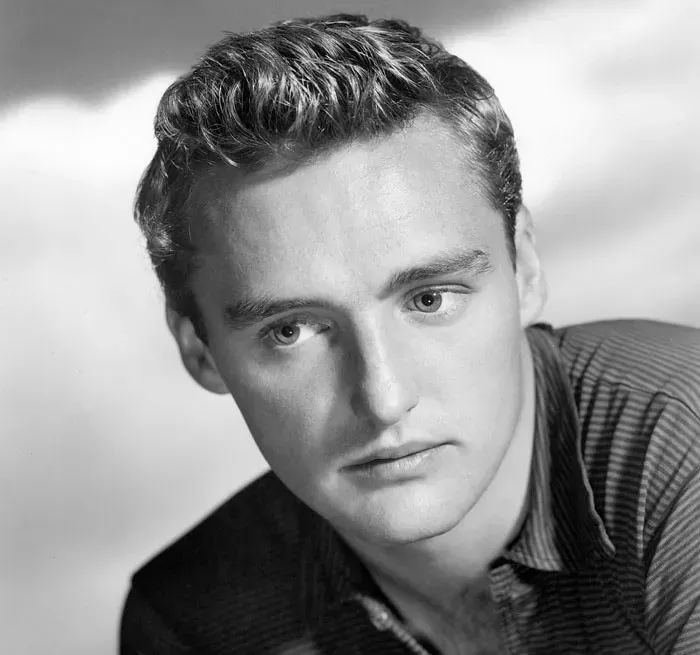
Dennis Hopper was cast as Christof, the all-powerful TV producer controlling Truman Burbank’s life. However, two days into filming Christof’s scenes, which were expected to take around 10 days to complete, Hopper was let go from the film over “creative differences.” Hopper said he had an agreement with producer Scott Rudin that he’d be fired should his work be unsatisfactory. The performance must have been extremely underwhelming, given director Peter Weir was described as extremely reluctant to ever remove an actor from a movie.
Finding a replacement was difficult, with production set to shut down if the role couldn’t be filled in time. Ultimately Ed Harris took the job and earned an Academy Award nomination for the role. It remains one of the more striking examples of a replacement outshining the original casting so completely that it’s nearly impossible to imagine anyone else in the part. Hopper continued working prolifically until his death in 2010, though The Truman Show remains one of his more unusual near-misses.
Kevin Spacey in All the Money in the World (2017): Replaced After the Film Was Already Done
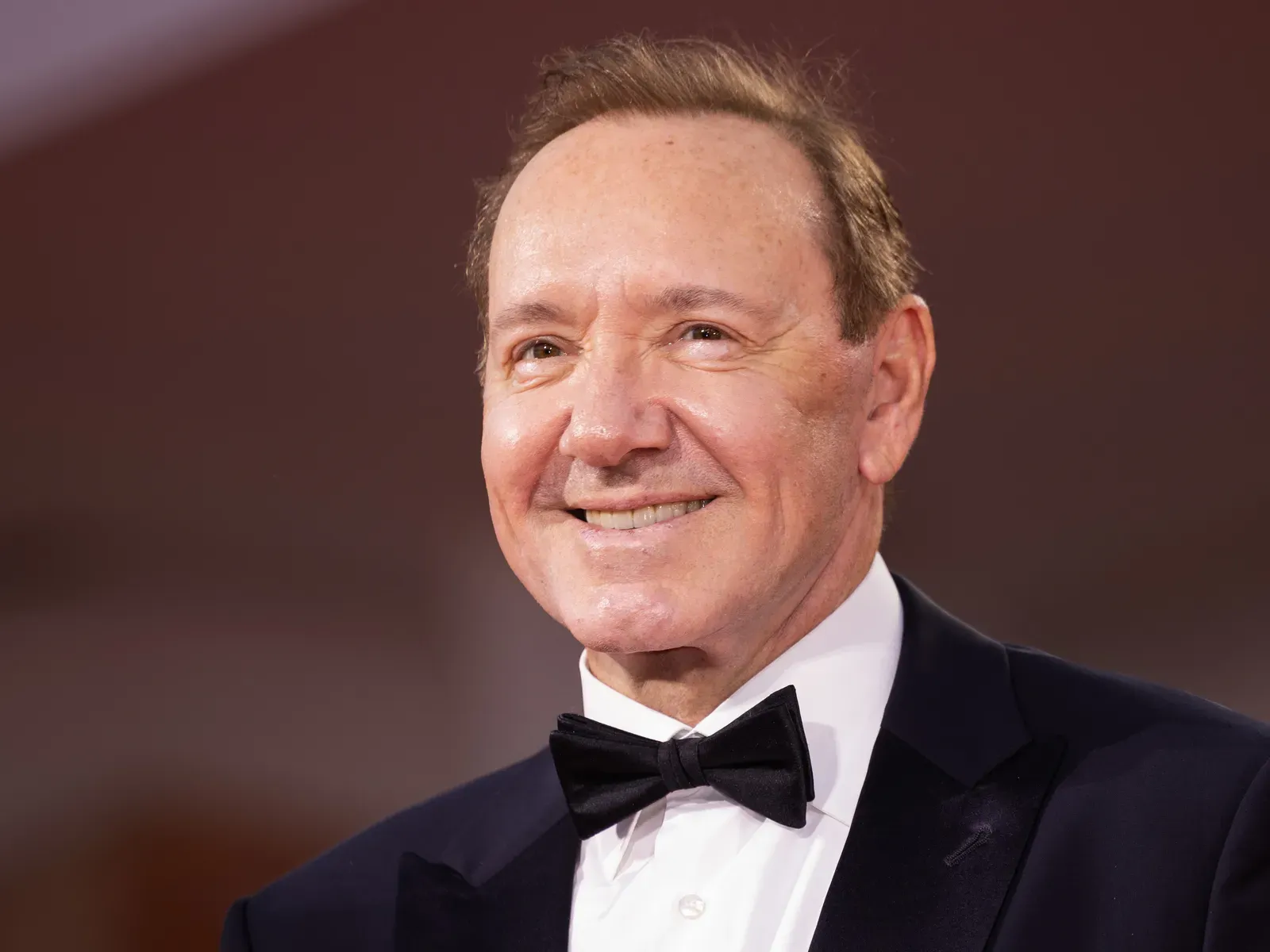
Kevin Spacey had finished filming as J. Paul Getty in “All the Money in the World” when sexual assault allegations surfaced. Director Ridley Scott acted swiftly. Christopher Plummer reshot all of Spacey’s scenes in just 10 days, earning an Oscar nomination for his powerful performance. The speed of the decision was extraordinary, particularly given how late in the process it happened.
The reshoots cost an additional $10 million, but it proved a successful one as Plummer’s performance was praised, and he received an Academy Award nomination. The case became a reference point for how studios began responding to misconduct allegations in the post-MeToo era. Scott’s ability to pull off the recast so close to the film’s release date is still considered one of the more remarkable logistical feats in recent Hollywood history.
James Remar in Aliens (1986): A Drug Problem Ends the Mission
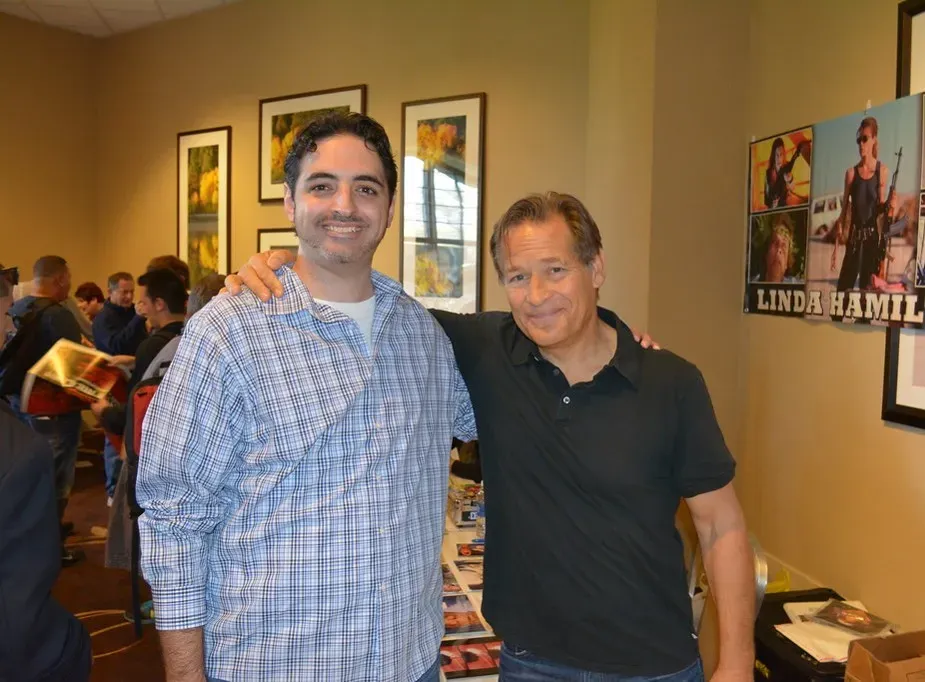
James Remar had already started shooting James Cameron’s 1986 sequel “Aliens” when he was fired. Originally cast as Hicks, Remar was replaced after about a month of filming. While he has pointed to a couple of different incidents that may have led to his dismissal, the underlying problem was drug addiction, which led to his arrest. Michael Biehn took over the role, and scenes featuring Remar were reshot.
Michael Biehn replaced him, becoming a fan favorite. Biehn’s cool-headed performance fit perfectly with the film’s tension. Remar’s personal struggles cost him a career-defining role. Remar later spoke honestly about his struggles in interviews, acknowledging that addiction derailed a pivotal moment in his career. He went on to appear in dozens of films and television series, including a long run on Dexter, and has been open about his recovery.
Ryan Gosling in The Lovely Bones (2009): A Surprise Transformation No One Approved
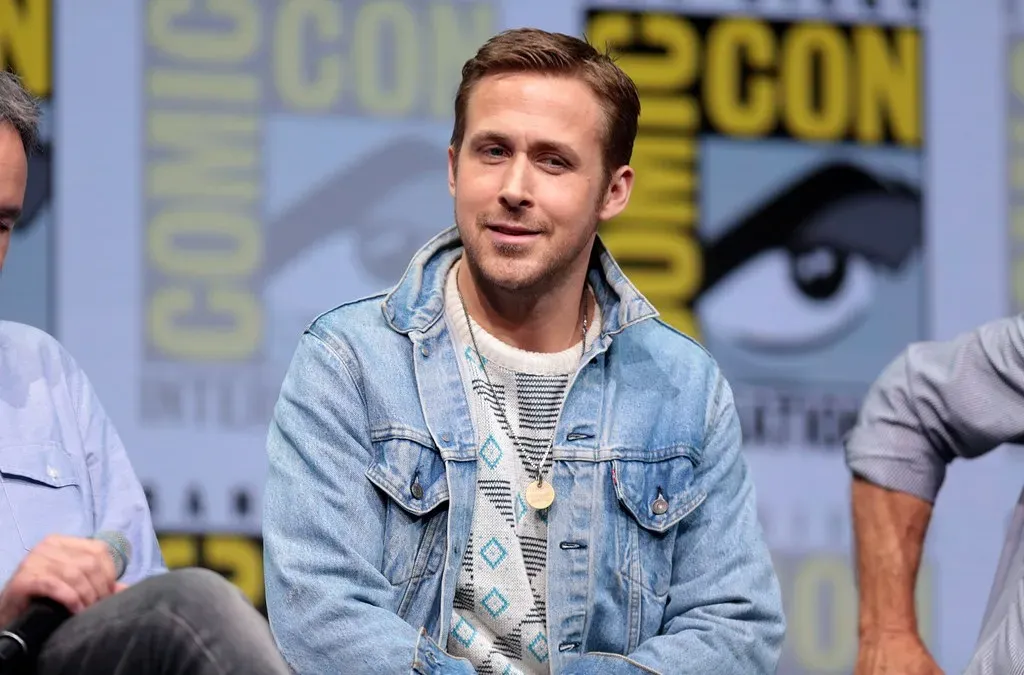
Ryan Gosling was cast as the grieving father in Peter Jackson’s adaptation of “The Lovely Bones.” He decided the character should look older and worn down, so he gained about sixty pounds. Unfortunately he never told the director. When Gosling showed up for filming looking completely different from the planned character, he was replaced by Mark Wahlberg. The situation stands out as one of the more avoidable mid-production dismissals in recent memory.
Gosling later told the Hollywood Reporter, “We didn’t talk very much during the preproduction process, which was the problem. It was a huge movie, and there’s so many things to deal with, and director Peter Jackson couldn’t deal with the actors individually. I just showed up on set, and I had gotten it wrong.” Gosling’s career trajectory after the incident was hardly derailed – he went on to earn Oscar nominations for “La La Land” and “Barbie” – but it remains a candid reminder of how even well-intentioned preparation can misfire without communication.
James Purefoy in V for Vendetta (2005): Six Weeks Behind the Mask
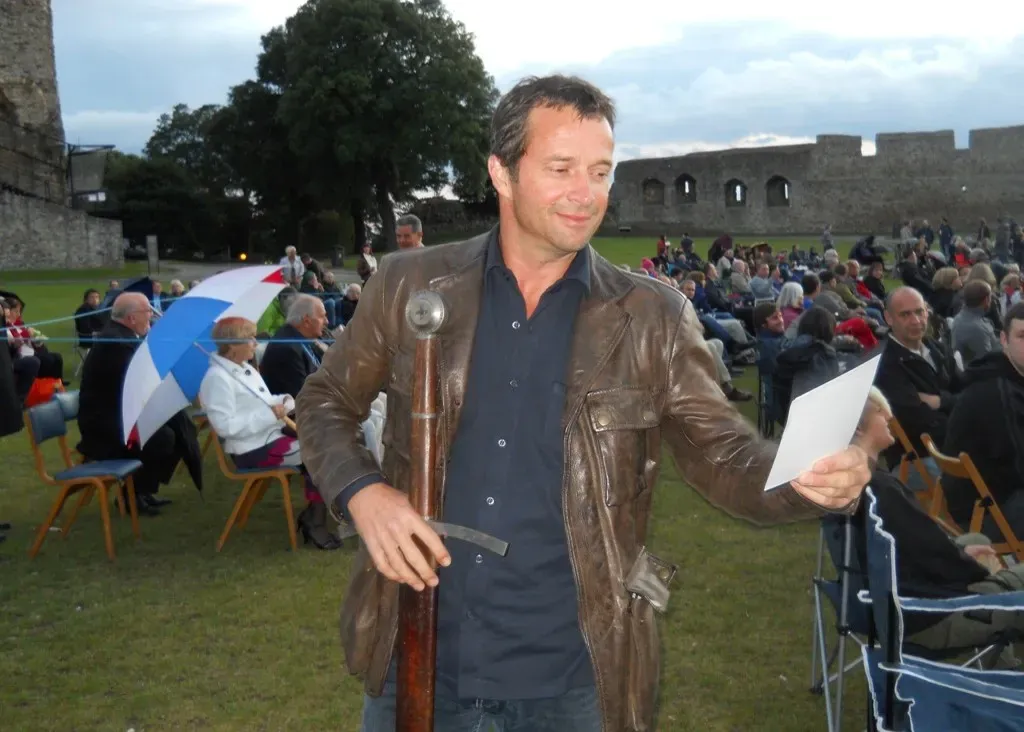
James Purefoy had the role of V and went through six weeks of filming before it was decided, by everyone involved, that he couldn’t make the character work. The reason given was that Purefoy felt he couldn’t emote properly behind the character’s iconic mask. Why this didn’t come up right away is anyone’s guess. Interestingly, footage from Purefoy’s performance is still in the film. The scenes with Purefoy as V are either silent or have Hugo Weaving re-recording the lines.
According to Purefoy, his departure came down to “genuine creative differences” that eventually became “intolerable.” Purefoy is an actor known today for roles in “Altered Carbon,” “Pennyworth,” and “The Following.” His post-“V for Vendetta” career proved strong, particularly on television. Meanwhile, Hugo Weaving’s interpretation of V became iconic, lending the masked revolutionary a vocal intensity that audiences connected with deeply.
Buddy Ebsen in The Wizard of Oz (1939): A Costume That Sent Him to Hospital
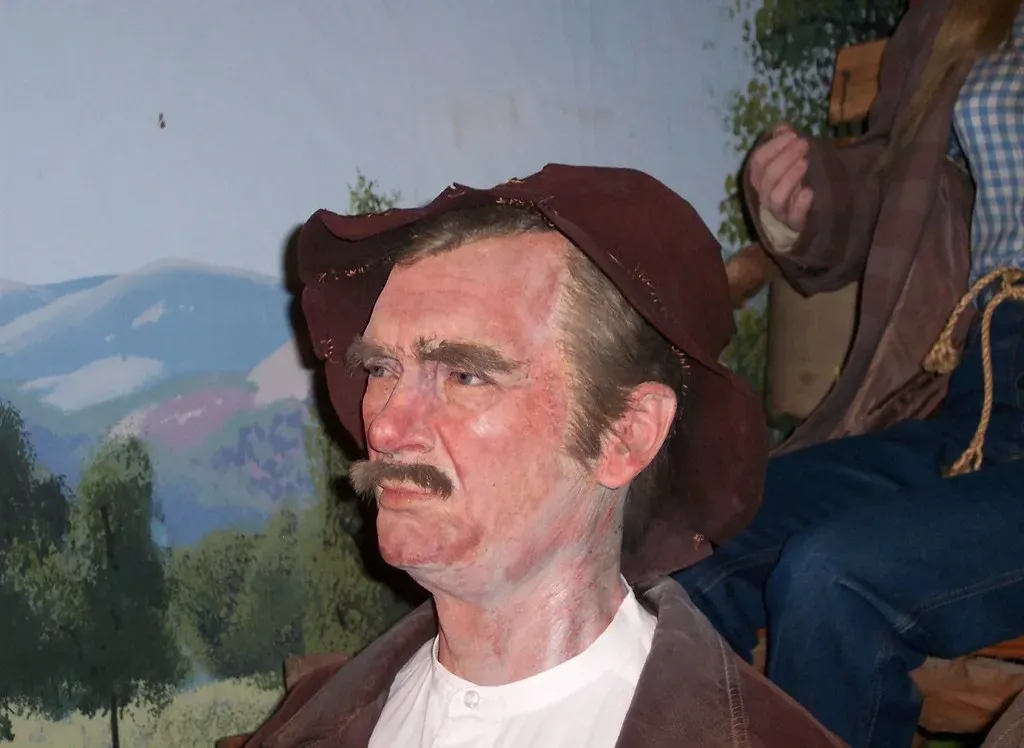
Buddy Ebsen was the original choice to play the Tin Man and had spent weeks recording songs and filming early scenes for the classic musical. He suffered a life-threatening allergic reaction to the aluminum powder used in his silver makeup, which led to his hospitalization. Jack Haley was hired as his replacement, and the production switched to using a safer aluminum paste for the character’s look. This is one of the rare cases where a replacement was forced by a genuine health crisis rather than any creative or interpersonal conflict.
Although Haley is the actor seen on screen in “The Wizard of Oz,” Ebsen’s voice can still be heard in some of the group recordings of the song “We’re Off to See the Wizard.” The incident remains one of the most famous examples of production health hazards in Hollywood history. Ebsen went on to have a long and successful career, eventually becoming widely known as Jed Clampett on “The Beverly Hillbillies.” He spoke about the Wizard of Oz incident in interviews throughout his life, often with a mix of residual disappointment and good humor.
Megan Fox in Transformers: Dark of the Moon (2011): One Interview, One Career Pivot

Megan Fox compared director Michael Bay to Hitler during an interview. This did not go over well with the people making “Transformers 3.” Fox was removed from the movie and replaced by Rosie Huntington-Whiteley. Reports at the time indicated that producer Steven Spielberg played a role in pushing for the decision, though the full details of internal conversations were never fully confirmed publicly.
Rosie Huntington-Whiteley took her place, playing a new character who filled a similar role as the franchise continued. Fox’s departure from the franchise marked a significant shift in her career, moving her away from blockbuster films for several years. She later returned to high-profile projects and has spoken about the experience as a turning point, both professionally and personally. Her story is among the clearest examples of how a single public statement can alter the trajectory of a film career almost overnight.
Firing an actor mid-production is never a clean solution. It costs money, disrupts the crew, and creates pressure that ripples through every remaining day of shooting. Yet the cases above show that the decision, when it happens, can occasionally produce something better than what the original casting might have delivered. The performances that replaced them – Mortensen as Aragorn, Harris as Christof, Fox as Marty McFly – became so definitive that it’s genuinely hard to picture anyone else in those roles. That’s the strange arithmetic of creative risk: sometimes losing one person is the only way a film finds exactly who it needed all along.