Romantic movies have an almost magnetic pull. Even skeptics find themselves watching them on a Sunday afternoon, half-grudgingly rooting for people they just met twenty minutes ago. The genre has real power when it works. The problem is that it too often doesn’t bother to try anything new.
One thing romantic comedies are frequently critiqued for is creating unrealistic expectations of romance, and the numbers back this up: the majority of Americans say the genre’s portrayals of romance are very or somewhat unrealistic. It happens too often – a person is happily watching a couple in a romantic film, only to realize halfway through that they seem to have seen this exact movie before. Countless romantic flicks out there continuously employ the same done-to-death clichés. Here are four that are genuinely wearing out their welcome.
The “Stalking Is Sweet” Love Interest

The protagonist falls for someone and then either pursues them persistently despite multiple obvious rejections, or monitors them in ways that would register as alarming in any other context. What makes this rusty cliché unbearable is that more often than not, the woman ends up finding this stalker-like behavior endearing and eventually falls in love with the guy. It’s a pattern that rewards exactly the wrong behavior on screen.
Stalking as a sign of true love is one of the most consistently called-out tropes in the genre, and fortunately it is starting to be challenged more openly in recent years, but it still exists. In fact, forced, unnatural, or toxic romantic relationships ranked among the top ten most disliked themes in a survey of young viewers, with one participant specifically describing a pattern of a guy being a jerk to a woman and her ending up falling in love with him anyway. Women recognize the dynamic. They’re simply tired of watching it dressed up as passion.
The Woman Who Gives Up Everything for Love
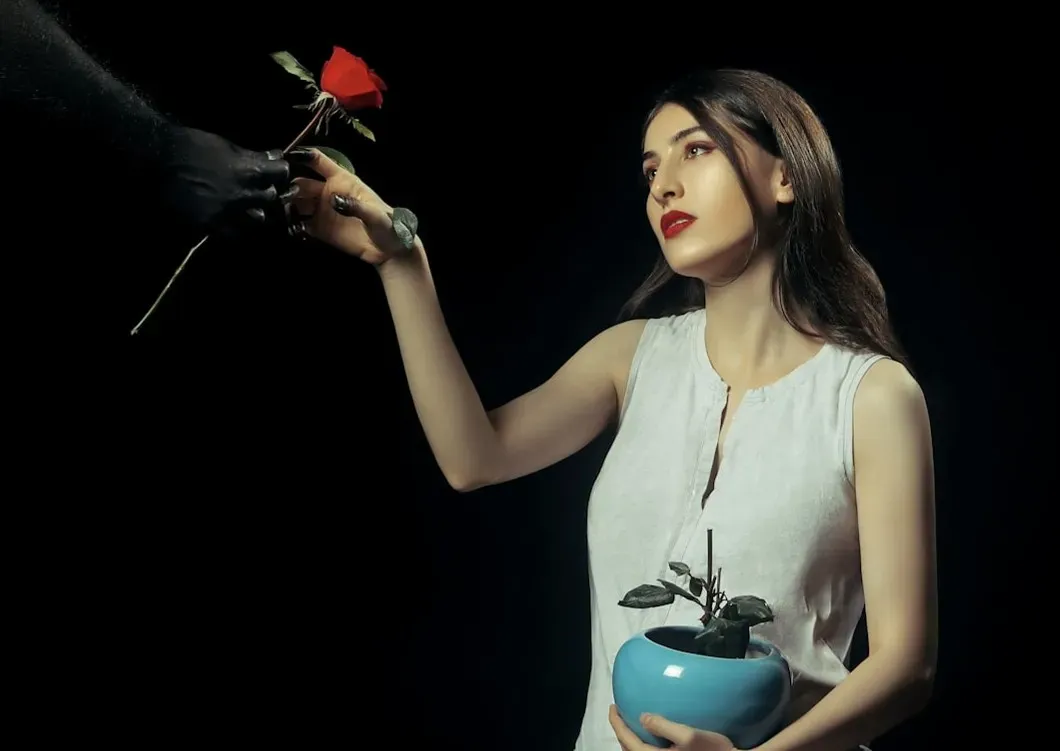
The “happy ending by erasing the third element” trope sees one partner giving up essential parts of themselves, including ambition, culture, or friendships, to fit the relationship. The underlying suggestion is that love requires self-abnegation. It’s almost always the woman making the sacrifice, rarely the man, and the film frames it as romantic rather than unsettling.
Partner offer
Traditional images in romantic cinema continue to show women at the mercy of men and what they want to do, with cinema continuing to support typified social roles: the woman is weak and emotional, while the man is a protector. Hollywood sets parameters for women within romantic films that they must follow in order to be happy and fulfilled, and these limitations are not only regressive but are detrimental to the way women place importance on their own identity. A woman watching herself disappear into a love story isn’t a fantasy most women are still buying into.
The Makeover That Unlocks Desirability
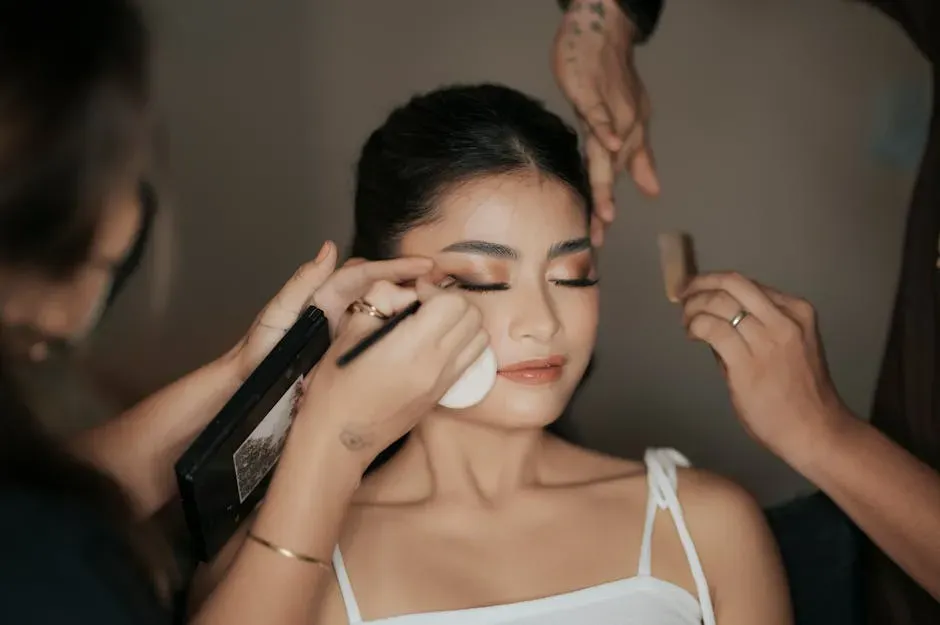
More often than not in romantic films, when the lead character is seen wearing glasses or baggy clothes, they are headed for one epic makeover, after which they become instantly irresistible. For some utterly nonsensical reason, their prior appearance automatically makes them unattractive, and all they have to do is remove their glasses for everyone to exclaim, “Oh my, what a beauty!” Films from “She’s All That” to “The Princess Diaries” have recycled this premise so many times it barely registers as a plot anymore.
Nothing is more boring and misogynistic than a makeover trope in love stories. Many women grew up romanticizing it through their favorite rom-coms, but revisiting those films as adults leaves a bad taste, knowing the mental issues it can create in younger viewers regarding looks and femininity. Because of shifting beauty standards in media, this trope hasn’t held up in recent years for more modern shows and movies. The audience has moved on. The studios are just catching up slowly.
The “Bad Boy” Who Changes for Her

The “bad boy fixes himself for love” arc romanticizes controlling or even violent behavior because “she sees the good in him,” effectively excusing red flags and normalizing the idea of staying in dangerous relationships. The stereotype of a person who comes from nothing, falls in love, and gets everything they wanted sets a damaging mindset for younger audiences, suggesting that all they need is a significant other to be happy.
Female characters who show complete dependence on a love interest, to the point of barely functioning without him, are poor role models for the young women consuming these stories. These narratives romanticize female weakness and enforce the idea that having a boyfriend is more important than almost anything else. Nearly half of young viewers in a UCLA survey felt that romance is overused in media, and romantic tropes ranked fourth on a list of the ten most disliked stereotypes. The bad boy redemption arc sits comfortably at the top of that frustration. It asks women to be endlessly patient, endlessly forgiving, and endlessly responsible for someone else’s growth, which is a lot to ask, especially when the film calls it a love story.
Partner offer
Planning a trip to Vegas?
Compare hotel rates and show tickets on VEGAS.com.