We live in a city that never sleeps, where flashing lights compete for our attention every second. Vegas thrives on speed – quick wins, fast shows, instant gratification. But here’s the thing: our reading habits have become just as frantic. We skim headlines between slot pulls, scroll through articles while waiting for drinks, and barely finish a paragraph before our phones buzz with another notification.
What if I told you there’s a counter-movement brewing? People are deliberately slowing down, choosing depth over speed, and finding something we’ve nearly forgotten – the pure pleasure of getting lost in words. It’s not about reading less. It’s about reading better. Let’s dive in.
What Slow Reading Actually Means

Slow reading isn’t about moving your finger along each word like a first-grader. It’s a mindset shift. You’re choosing to engage with text at a natural pace, letting ideas sink in rather than racing to the bottom of the page. Think of it like savoring a meal at a high-end Strip restaurant instead of grabbing fast food on the go.
The practice emerged as a response to information overload. Researchers noticed that people were consuming more content than ever but retaining almost nothing. Our brains weren’t processing information – they were just passing it through like a sieve. Slow reading asks you to pause, reflect, and actually think about what you’re absorbing.
It means putting your phone in another room. Closing unnecessary browser tabs. Reading passages twice if they deserve it. Some people even take notes in the margins, a habit that feels almost rebellious in 2026.
The Science Behind Deep Focus
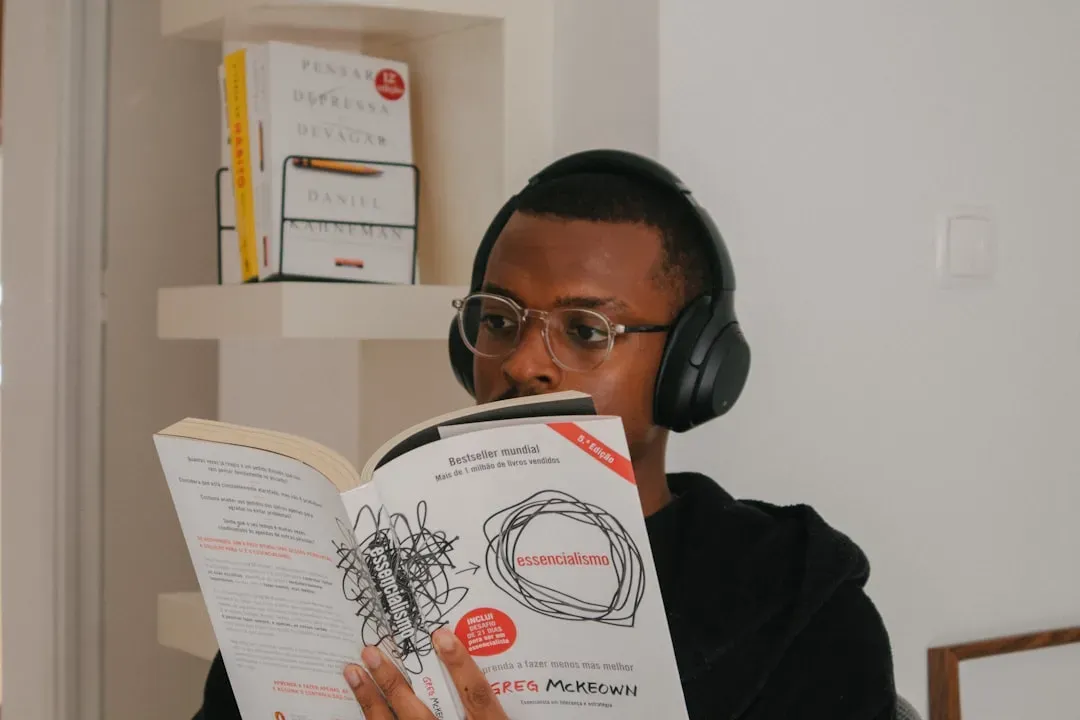
Neuroscientists have discovered something fascinating about how our brains handle sustained attention. When we read slowly and deliberately, different neural pathways activate compared to skimming. The comprehension centers light up more intensely, creating stronger memory formations.
Dr. Maryanne Wolf, a cognitive neuroscientist, found that deep reading activates empathy circuits in our brains. We don’t just understand characters – we feel what they feel. This doesn’t happen when we’re speed-reading or scrolling through condensed summaries. The brain needs time to build those emotional connections.
There’s also evidence that slow reading reduces cortisol levels. Your body interprets focused, uninterrupted reading as a form of meditation. Heart rates slow down. Breathing becomes deeper. It’s basically the opposite of doom-scrolling through social media at two in the morning.
Why We Lost This Skill

Let’s be real – the internet rewired us. Every platform now fights for attention using algorithms designed by teams of psychologists. They’ve gamified information consumption, turning reading into a race we didn’t sign up for. We trained ourselves to scan for keywords rather than absorb meaning.
The shift happened gradually. First came email, demanding quick responses. Then social media taught us to digest thoughts in 280 characters or less. News became bite-sized. Books became summaries. Summaries became bullet points. Suddenly, anything longer than a tweet felt exhausting.
Even physical changes occurred. Studies show that people who primarily read on screens develop different eye movement patterns than book readers. We’ve literally changed how our eyes move across pages. The question is whether we can change back.
Starting Your Slow Reading Practice

Begin with just fifteen minutes a day. Pick something you actually care about – not what you think you should read. Maybe it’s a mystery novel, maybe it’s poetry, maybe it’s long-form journalism. The genre matters less than your genuine interest in it.
Create a distraction-free zone. I know it sounds crazy, but turn off your phone. Not vibrate mode – actually off. If that feels impossible, you’re probably the person who needs this most. Find a comfortable spot away from screens and other people if possible.
Read sentences twice if they strike you. Underline passages that resonate. Write questions in the margins. Treat the text like a conversation partner who deserves your full attention. Some readers keep a notebook nearby to jot down thoughts without breaking their reading flow.
Don’t worry about finishing quickly. There’s no prize for speed here. The goal is engagement, not completion.
Choosing the Right Material
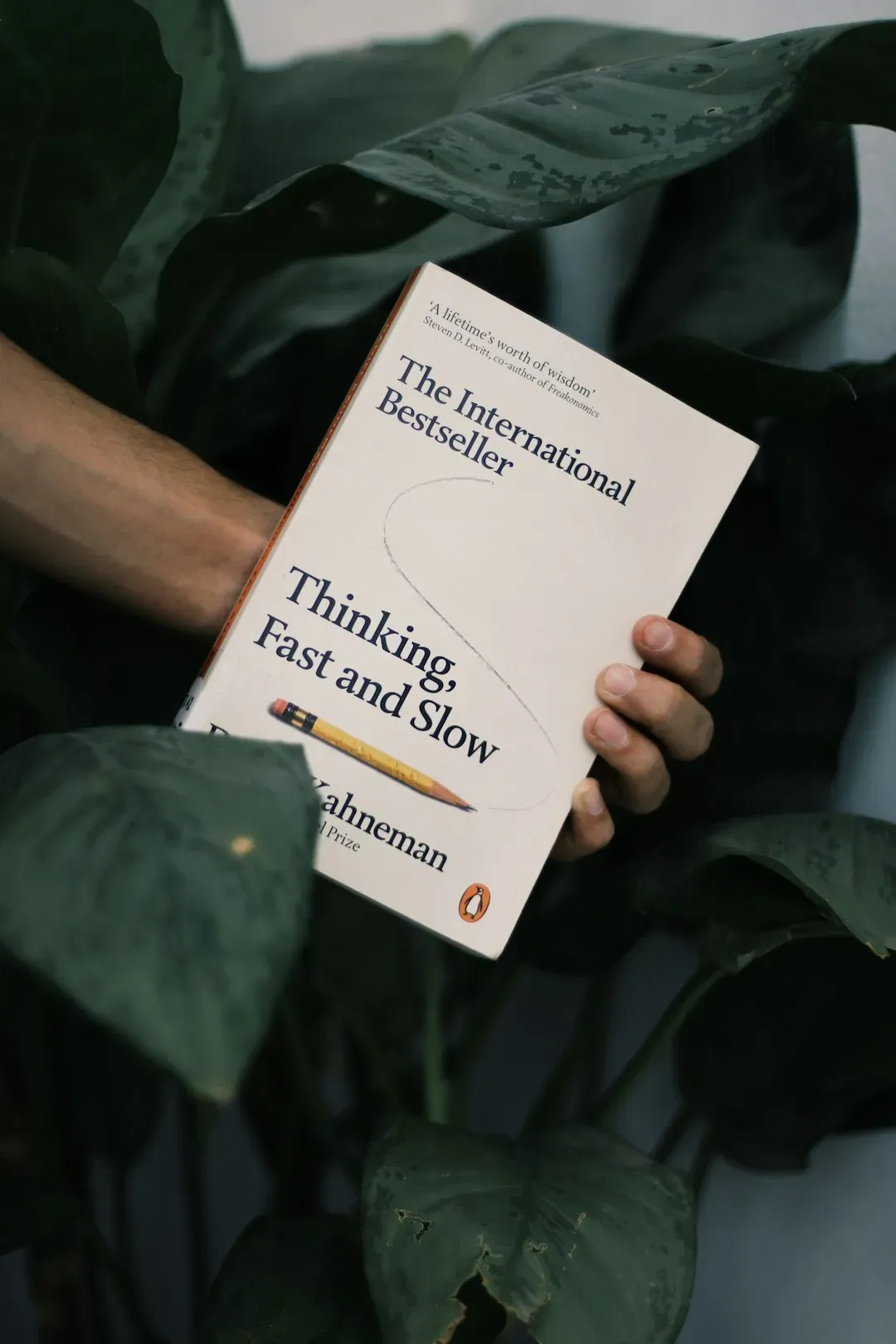
Not everything deserves slow reading. Your electricity bill doesn’t need deep focus. Neither do most emails or social media posts. Reserve this practice for content that offers something valuable – whether that’s knowledge, beauty, or emotional depth.
Physical books work better than screens for most people. The tactile experience matters more than we realized. There’s something about holding pages, feeling the book’s weight, even smelling the paper that enhances focus. E-readers can work too, but turn off notifications and remove distracting features.
Classic literature often rewards slow reading more than modern bestsellers. Novels from earlier eras assumed readers would linger over sentences. Contemporary books sometimes cater to our shortened attention spans. Neither is wrong, but know what you’re getting into.
The Vegas Connection You Didn’t Expect

Here’s something interesting – several high-end Vegas hotels now offer “reading rooms” as amenities. The Wynn opened a curated library space in late 2025 where guests can escape the casino chaos. No phones allowed. Comfortable chairs. Natural light. It’s become surprisingly popular.
Local bookstores report increased sales of literary fiction and poetry over the past year. The Amber Unicorn Books on Maryland Parkway hosts slow reading circles twice monthly. People gather to read silently together for an hour, then discuss what they’ve absorbed. Attendance keeps growing.
Even some casinos are experimenting with quiet zones – not for sleeping, but for reading. The concept seems contradictory in a city built on stimulation, yet it’s working. Visitors are craving these pockets of calm amid the chaos.
Conclusion: Your Attention Is Worth Protecting

We’re surrounded by forces designed to fragment our focus. Every app, every notification, every autoplay video wants a piece of your attention. Slow reading is one way to push back – not aggressively, but persistently. It’s a small act of self-preservation that compounds over time.
The joy of deep focus isn’t nostalgia. It’s something our brains still crave, even in 2026. When you give yourself permission to slow down and truly absorb what you’re reading, you’re not escaping the modern world. You’re finding balance within it. That distinction matters.
Start small. Fifteen minutes today with something you genuinely want to read. No pressure to finish quickly or remember everything. Just be present with the words. That’s enough. What surprises you most about your own reading habits?