


What the Agreement Actually Entails

On December 5, 2024, the Clark County Stadium Authority Board unanimously approved the final agreements to bring Major League Baseball to Las Vegas. Among the items up for Board approval on December 5th were a non-relocation agreement, which commits the team to play in the stadium for 30 years; the baseball stadium lease, also 30 years; and the development agreement for financing and developing the stadium. Let’s be real, this wasn’t just paperwork – it was the last major regulatory hurdle before shovels could officially hit the ground.
The Las Vegas Stadium Authority approved lease, non-relocation and development documents Thursday to clear the last major hurdles for the Athletics to construct a $1.75 billion stadium on the Strip and bring Major League Baseball to the expanding sports market. Approval includes a 140-page project development agreement that requires an independent construction monitor to oversee stadium progress. The Athletics organization, through their construction subsidiary Athletics StadCo LLC, would assume full responsibility for design, construction, and any cost overruns that might pop up along the way.
Who Gave the Green Light

The Las Vegas Stadium Authority approved the development, nonrelocation and lease agreements for the A’s planned $1.75 billion ballpark during a Thursday afternoon meeting. It’s hard to say for sure, but it seems this meeting was the culmination of months of negotiation and scrutiny. The Board also found that John Fisher and the Fisher family, owners of the A’s, have the financing in place to complete the $1.75 billion enclosed stadium.
On Apr. 2, Clark County commissioners officially approved the zoning permits for the team’s new ballpark, clearing the way for construction to begin later this year. The approval process required multiple layers of government sign-off, from the state level down to local county commissioners. Here’s the thing: this wasn’t a rubber-stamp situation – several elected officials had to weigh public opinion and economic forecasts before committing hundreds of millions in taxpayer-backed resources.
What the Team Must Commit To

The agreement locks the Athletics into Southern Nevada for three decades straight. The lease and non-relocation agreements each cover 30 years. This binding commitment means the franchise can’t pack up and leave on a whim, a clause designed to protect the public investment and reassure fans that this isn’t some short-term Vegas fling. Athletics StadCo LLC, the team construction subsidiary, assumes responsibility for design, construction and cost overruns.
It requires minimum community benefits funding from the A’s of $500,000 each year before the opening of the stadium. Once the ballpark is in operation for the start of the 2028 season, that funding increases to either $1.5 million per year or 1 percent of ticket revenues. Lawmakers built in accountability measures too. A community oversight committee will monitor how those dollars get spent, with members appointed by the governor, legislative leaders, and Clark County. It’s not my money, obviously, but it’s good to know there are some strings attached.
Public Funding and Taxpayer Limits

On June 15 of that year, Nevada governor Joe Lombardo signed an MLB stadium funding bill worth $380 million, known as SB1. The Nevada Senate Tuesday voted 13-8 to approve $380 million in public financing for a baseball stadium in Las Vegas that’s planned to house the relocated Oakland A’s. The vote was bipartisan, with five Republicans joining eight Democrats to support the measure during a special legislative session in June 2023.
The $380 million in public funding would mainly come from $180 million in transferable tax credits and $120 million in county bonds. Backers have pledged that the creation of a special tax district around the proposed stadium – that would be the smallest in Major League Baseball – would generate enough money to pay off those bonds and interest. The plan would not directly raise taxes. Still, critics have raised concerns that if revenues fall short, county taxpayers could end up on the hook for bond repayment – a worst-case scenario officials acknowledge but consider unlikely.
The Tropicana Site and Acreage


The ballpark is being built on nine acres of the 35-acre former site of the Tropicana Las Vegas, which was imploded in October 2024. The Tropicana, one of the classic old-school resorts that defined the Strip for decades, closed its doors in April 2024 after more than 67 years in business. On October 9, 2024, the Tropicana Hotel was demolished by implosion, and site-leveling efforts ensued. That explosive farewell cleared the way for baseball’s newest home.
The new stadium will rise on approximately nine acres at the site of the former Tropicana Hotel and Casino, right in the heart of the Las Vegas Strip. The A’s have 9 acres of the 35-acre site to construct their stadium, with Bally’s Corp. planning to build an integrated resort on the remaining land. The location sits at the busy intersection of Las Vegas Boulevard and Tropicana Avenue, where roughly ninety thousand vehicles pass every day. There are about twenty-five thousand hotel rooms within easy walking distance, which honestly sounds like a recipe for packed stands on game nights.
Build Schedule and the 2028 Timing

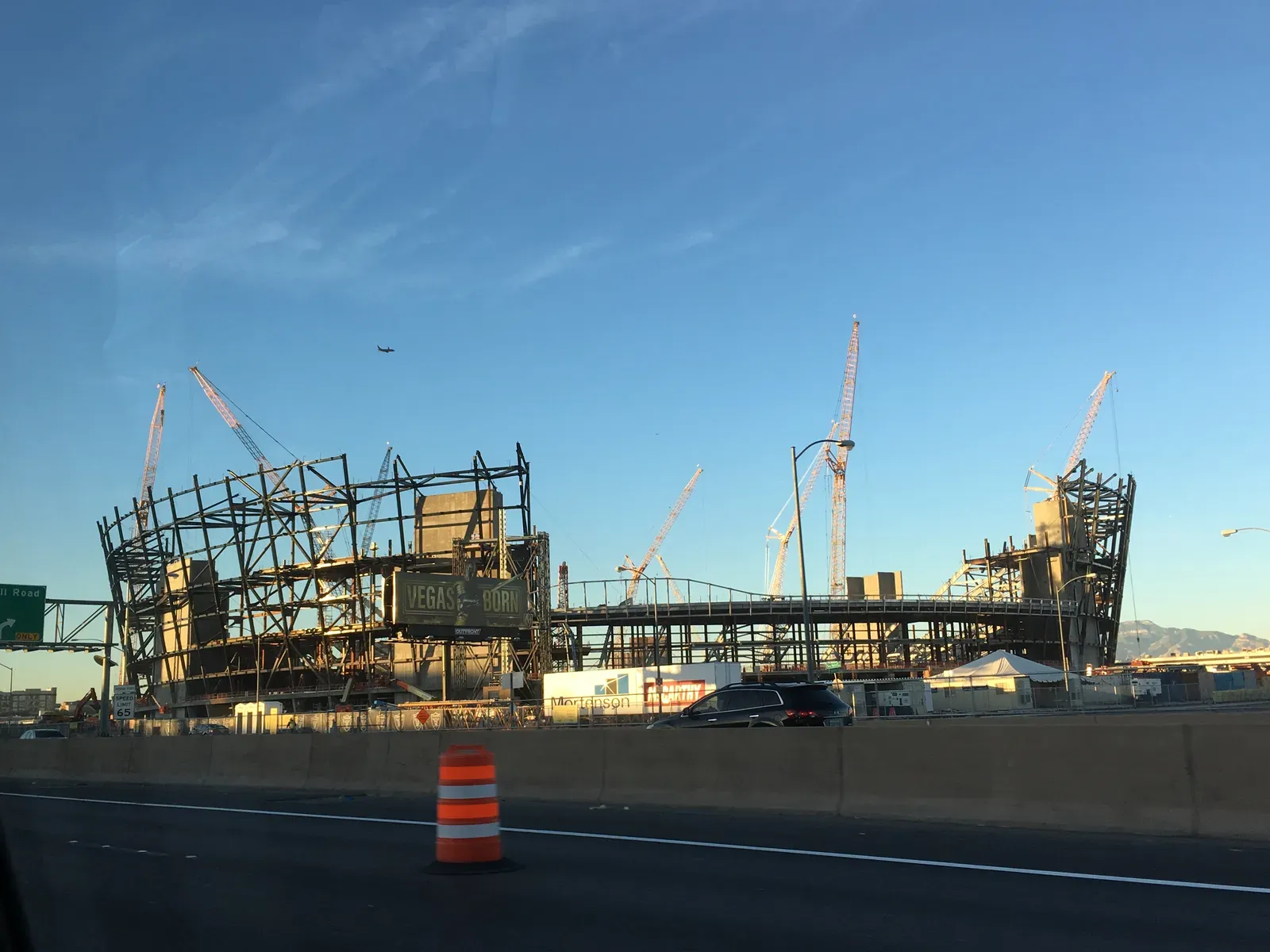
A groundbreaking ceremony was held on June 23. LAS VEGAS – The groundbreaking is set for Monday on a baseball stadium that will forever alter the skyline of the Las Vegas Strip. That ceremonial event officially launched construction, though some foundation work had already begun in the weeks before. The Authority said construction for the new stadium was tentatively slated to begin in April 2025 and finish in January 2028.
The Athletics are on track to open their approximately $2 billion Las Vegas stadium on time, officials said Thursday at the Las Vegas Stadium Authority meeting. The A’s, who are scheduled to move to Las Vegas before the 2028 season, met their year-end goals of beginning the concrete phase, having cranes in place and putting in the first buttress and concrete column. The construction window is roughly thirty-one to thirty-two months, an aggressive timeline that requires everything to go smoothly. Opening Day 2028 is the target – MLB and Athletics leadership have repeatedly emphasized they’re committed to hitting that date.
Stadium Features and Capacity

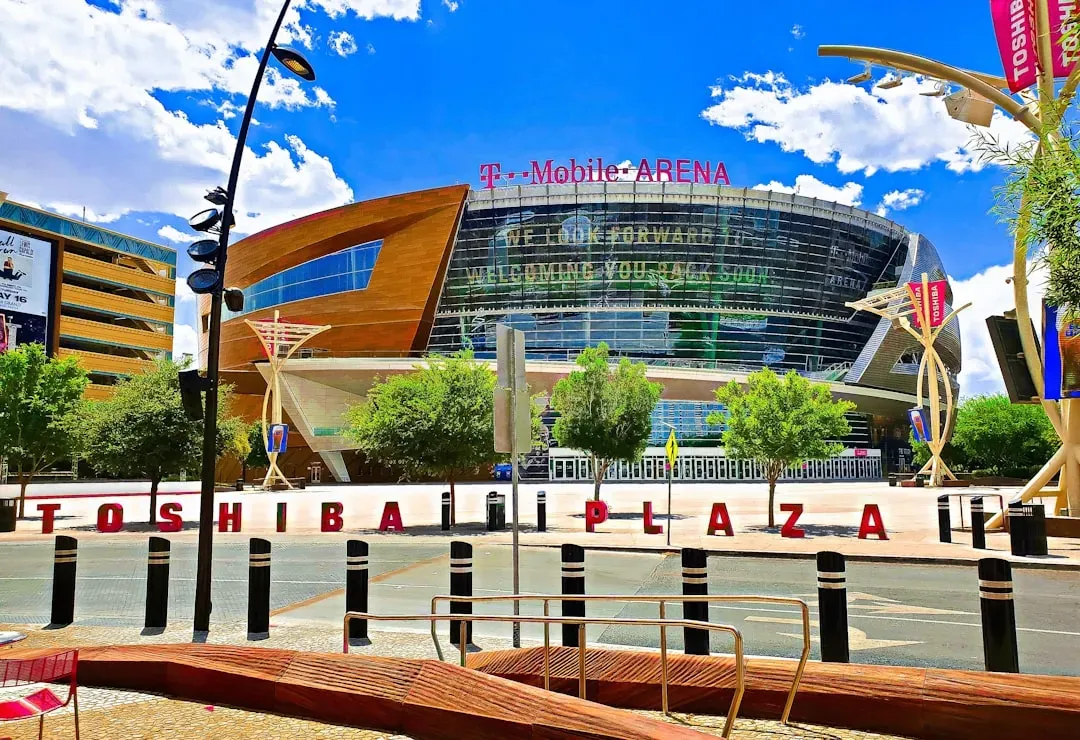
On May 26, the Athletics released renderings of the 33,000-seat ballpark in Las Vegas to the public designed by Schrock KC Architecture. The ballpark, which is said to hold 33,000 people, features upper and lower seating bowls and views of the Strip. It’s poised to become the smallest venue in Major League Baseball by capacity, but that’s intentional – the Athletics are betting on intimacy and a premium experience rather than sheer volume.
By September 13, the ballpark was announced to be climate-controlled and contain a retractable roof to allow for an open-air atmosphere and protect spectators from the heat. The design is said to limit direct sunlight in an effort to avoid heat and make Las Vegas a comfortable place to play ball. Designers also revealed the stadium is expected to feature an 18,000-square-foot Jumbotron that would be the largest in Major League Baseball. The overall aesthetic leans modern and bold, with influences from the unique Vegas climate woven into every design choice.
Infrastructure and Community Benefits Requirements

The stadium agreement doesn’t just focus on the ballpark itself – it bakes in community obligations and infrastructure improvements. It requires minimum community benefits funding from the A’s of $500,000 each year before the opening of the stadium. Once the ballpark is in operation for the start of the 2028 season, that funding increases to either $1.5 million per year or 1 percent of ticket revenues. A baseball stadium community oversight committee will submit reports detailing the progress and accountability of the community benefits to the governor, the Legislative Counsel Bureau and Clark County officials. A community benefits director will advise the committee and monitor compliance with the agreement.
Clark County, which includes Las Vegas, would also contribute $25 million in credit toward infrastructure costs. Roads, pedestrian access, and utilities around the site will need upgrades to handle game-day crowds and the surrounding mixed-use development. The deal requires the Athletics to coordinate with local agencies on traffic flow, public transit connections, and parking solutions – critical details that often get overlooked until opening night chaos reminds everyone why planning matters.
Financing Status and Cost Escalation

The stadium is projected to cost $2 billion, up from initial estimates of $1.5 billion, including $380 million from taxpayers. Stadium construction costs are estimated at $1.75 billion, up $250 million from the initial $1.5 billion projection. According to December 2024 reporting, the cost had climbed to $1.75 billion; by late 2025, officials confirmed it had reached roughly $2 billion. Inflation, upgraded amenities, and construction market pressures all contributed to the jump.
A’s owner John Fisher and his family will be responsible for $1.4 billion of the cost. That will be covered by a $1.1 billion Fisher family equity contribution and $300 million via a construction loan from U.S. Bank and Goldman Sachs. The remaining $350 million will come from public funding made available through SB1. Steve Vogel, who oversees the bank’s sports investments, told the board based an analysis of Fisher’s brokerage statements, filings with the Securities and Exchange Commission and other documents that Fisher has “assets more than sufficient to fund the equity portion” of the stadium’s construction. The team has been seeking additional investors – up to $500 million – though as of late 2025, no major new partners had been publicly announced.
What This Means for Las Vegas’s Pro-Sports Strip Era Lineup
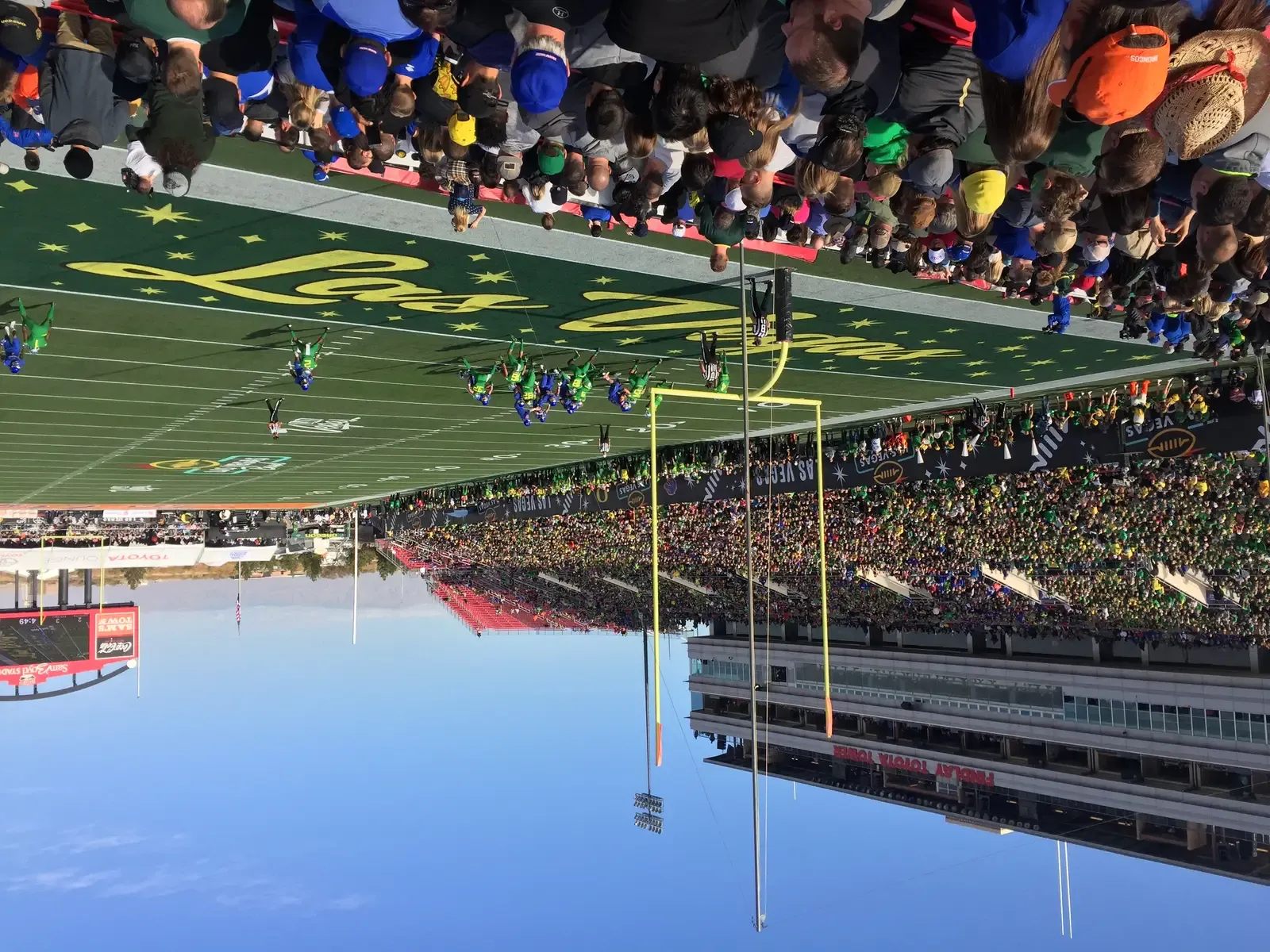
The A’s would add another professional team to a Las Vegas market that also includes the NFL’s Raiders, NHL’s Golden Knights and WNBA’s Aces. The Golden Knights and Aces have combined to win three championships in recent seasons. The 2028 addition of Major League Baseball will complete a transformation that began when the Raiders arrived in 2020 and continued as the city hosted Formula 1 races and UFC mega-events. Las Vegas is now positioning itself as a year-round sports destination, not just a place for playoff spectacles and exhibitions.
If the current timeline holds, the Las Vegas Athletics will take the field in 2028, further cementing the city’s reputation as the sports and entertainment capital of the world. This ballpark will sit in the heart of the Strip, surrounded by tens of thousands of hotel rooms and a constant flow of tourists. The Athletics are betting that they can draw from that nearly forty-million-visitor pool every year, filling seats even when local fandom is still building. It’s a bold experiment – bringing a midsized MLB venue into one of the world’s busiest tourist corridors and seeing if it can thrive.


