Something shifted in early 2025. Americans who had calmly boarded flights for decades suddenly found themselves googling “is flying safe?” in airport lounges. The headlines had become impossible to ignore. A midair collision over the Potomac River. Near-misses over Phoenix. A door blowing off a plane at 16,000 feet. Suddenly, a question that once seemed almost ridiculous was front and center again: Is U.S. aviation actually safe?
The honest answer is complicated. The statistics tell one story, the headlines tell another, and the truth, as always, lives somewhere in between. What’s actually going on with American flight safety standards, and should you be worried the next time you buckle your seatbelt? Let’s dive in.
The Potomac Disaster That Changed Everything
Honestly, no single event in recent aviation history shook American air travel confidence quite like what happened on the evening of January 29, 2025. A Bombardier CRJ700 operating as American Airlines Flight 5342 and a United States Army Sikorsky UH-60 Black Hawk helicopter collided in mid-air over the Potomac River near Ronald Reagan Washington National Airport. All 67 people aboard both aircraft were killed, 64 passengers and crew on the airliner and the three crew of the helicopter.
It was the first major U.S. commercial passenger flight crash since Colgan Air Flight 3407 in 2009, and the deadliest U.S. air disaster since the crash of American Airlines Flight 587 in 2001. The shockwave was immediate and nationwide.
Air traffic control practices contributed to the accident. The NTSB found that high workload during a period of elevated traffic reduced air traffic control’s ability to monitor developing conflicts and provide timely safety alerts. The use of separate radio frequencies for helicopters and airplanes further increased risk, as blocked transmissions prevented critical instructions from being fully received. The NTSB’s final verdict? NTSB Chairwoman Jennifer Homendy said that “system flaws led to tragedy” and allowed dependency on “see and avoid,” in which pilots are expected to watch out for other aircraft that may be too close.
Public Confidence Takes a Nosedive
The data on how Americans feel about flying tells a story that no airline PR department wants to read. An AP-NORC poll conducted in February 2025 found that confidence in air travel safety is dropping, with 64 percent of U.S. adults considering plane travel “very safe” or “somewhat safe,” down from 71 percent the year before. Around 20 percent of participants believe flying is very or somewhat unsafe, compared to 12 percent in 2024.
While the total number of incidents was lower than the number reported the previous year, fatalities from crashes more than doubled in 2025 compared to 2024, with at least 85 people killed in crashes early in the year. That’s the kind of paradox that confuses and unsettles people. Fewer incidents but more deaths. It sounds like a trick question, but it reflects a painful reality about how concentrated tragedies distort perception.
What the Hard Numbers Actually Show

Here’s the thing about aviation statistics. They’re genuinely reassuring, but they require some context. There were seven fatal accidents globally in 2024, among 40.6 million flights. That is higher than the single fatal accident recorded in 2023 and the five-year average of five fatal accidents. So yes, 2024 was a step back, globally speaking.
The all-accident rate for 2025 was 1.32 per million flights, which was better than the 1.42 recorded in 2024 but slightly above the five-year average of 1.27. The bigger picture, though, is nothing short of remarkable. A decade ago, the fatal accident rate stood at one for every 3.5 million flights. Today, it is one fatal accident for every 5.6 million flights. That is extraordinary progress, even if it doesn’t feel that way right now.
Still, in 2024, NTSB data revealed approximately 1,415 total aviation accidents in the United States, including 257 fatal incidents resulting in over 300 deaths across all categories of aviation. The critical nuance: the vast majority of those involved small, private planes, not the commercial jets most travelers board.
Boeing’s Long Shadow Over Safety Culture
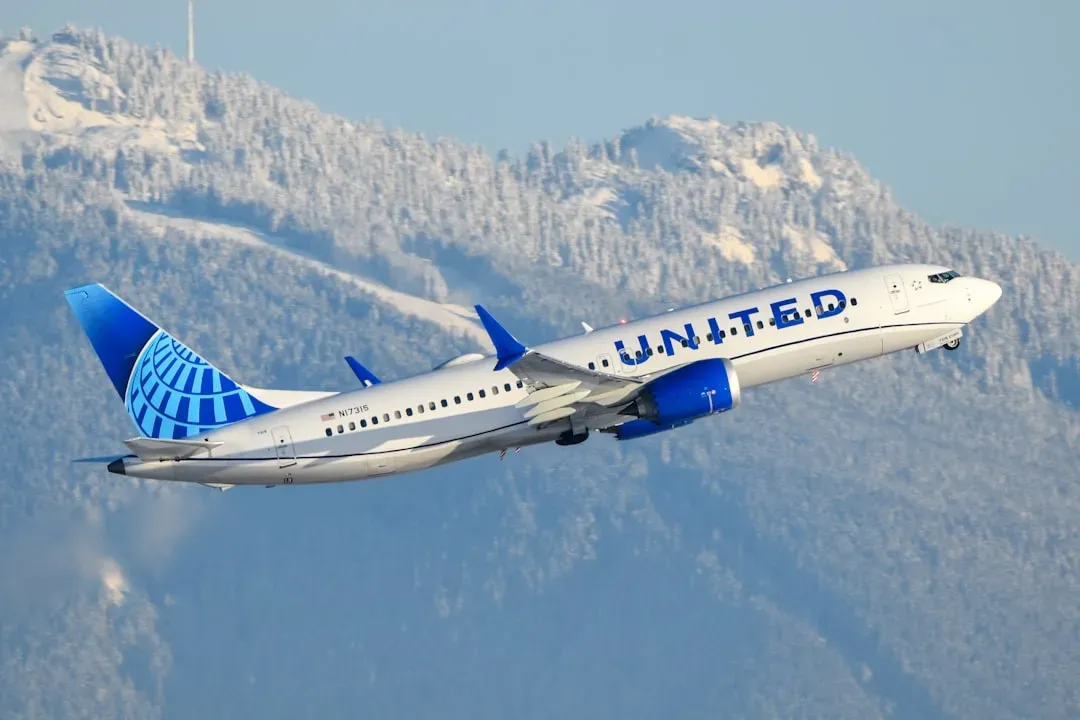
You simply cannot talk about U.S. aviation safety right now without talking about Boeing. The company has been under microscopic scrutiny since a door plug blew off an Alaska Airlines 737 MAX 9 at 16,000 feet in January 2024. On January 5, Alaska Airlines Flight 1282 experienced rapid depressurization after the left mid-exit door plug blew out of a Boeing 737-9 MAX. Immediately following, on January 6, the FAA issued an emergency airworthiness directive grounding all 737-9 MAX airplanes with that particular door plug configuration.
The FAA noted allegations against Boeing including interfering with safety officials’ independence and “hundreds of quality system violations” at the company’s 737 factory in Renton, Washington, and Spirit AeroSystems’ fuselage facility in Wichita, Kansas. In September 2025, the FAA proposed a $3.14 million fine against Boeing, alleging hundreds of lapses in 737 production oversight and citing pressure placed on an inspector to sign off on a jet that did not meet standards.
The FAA in January 2023 appointed 24 experts to review Boeing’s safety management processes and how they affect safety culture. The panel submitted its recommendations in September 2024, and the FAA agreed with all 53, which included 44 to Boeing, seven to the FAA, and two jointly to the FAA and Boeing. The FAA and Boeing are comprehensively addressing the recommendations and tracking the completion of each one.
The Air Traffic Controller Crisis Nobody Wanted to Admit
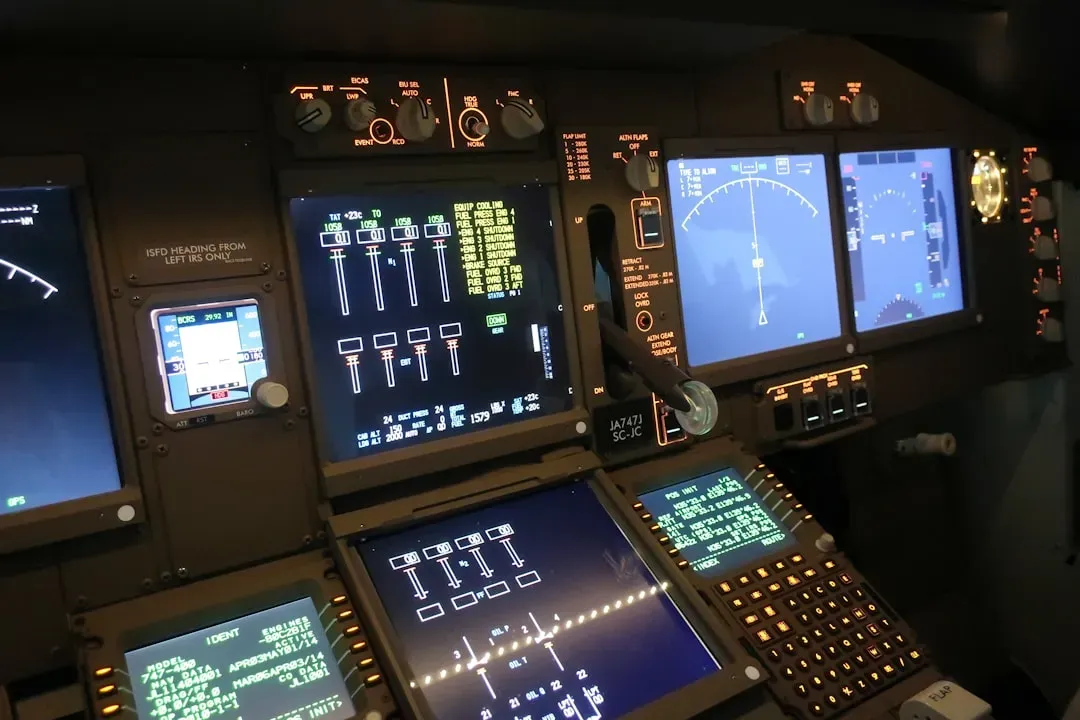
I think this is one of the most underreported stories in American aviation. The shortage of certified air traffic controllers is not a new problem. It’s been quietly growing for years. At the end of fiscal year 2025, the FAA employed 13,164 controllers, about 6 percent fewer than in 2015. Between fiscal years 2015 and 2024, total flights using the air traffic control system increased by about 10 percent to 30.8 million.
Partner offer
Think of it like a highway that keeps adding lanes of traffic while the number of traffic cops actually shrinks. The FAA controls air traffic at 290 terminals, and as of September 2024, over 40 percent of them were understaffed. The nation’s airport control towers and approach and departure facilities had 7,047 certified controllers as of September 2023, nearly 2,000 short of an 8,966-controller goal set jointly by the FAA and the air traffic controllers’ union.
One controller wrote in NASA’s Aviation Safety Reporting System, “The working conditions have become consistently unsafe for those in the sky, as well as the physical and mental health of the controllers. Overloaded sectors and sessions over 2, sometimes 3 hours have become common occurrences.” That is not a small concern. That is a warning signal from inside the system itself.
The Staffing Pipeline Is Broken
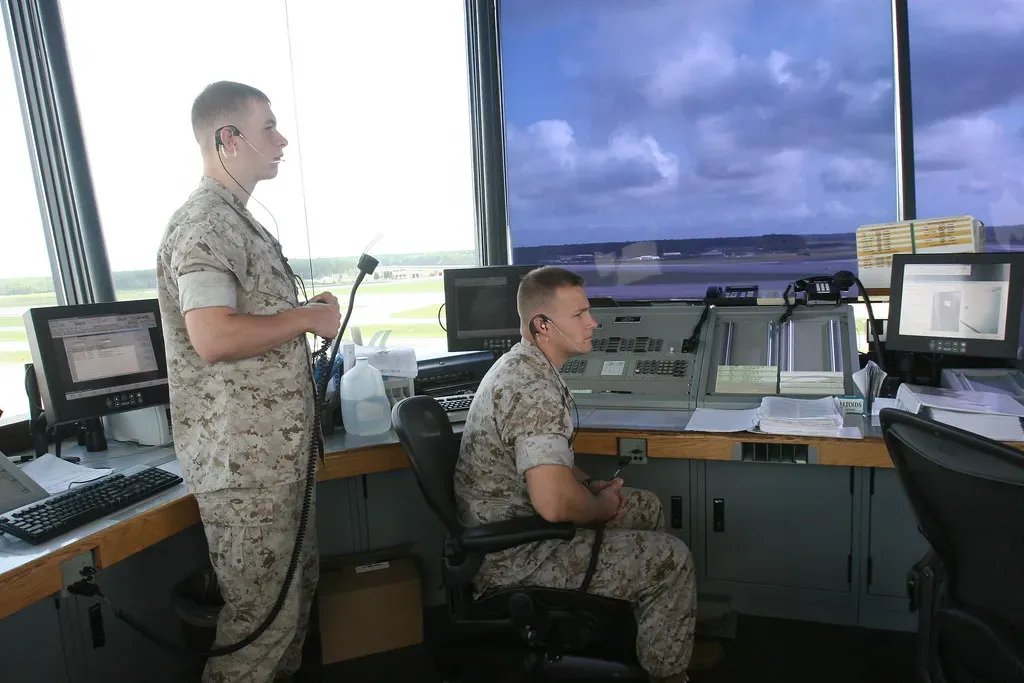
Fixing the controller shortage sounds simple enough. Just hire more people, right? It’s nowhere near that easy. The number of air traffic controllers in the U.S. has declined by about 6 percent in the last decade. At the same time, there has been a 10 percent increase in the number of flights that rely on the air traffic control system.
The hiring and training process is designed to ensure candidates are well equipped to handle this demanding career. Yet very few applicants, about 2 percent, qualify for and complete the full training process. You read that right. Roughly about 2 out of every 100 applicants make it through. The FAA netted just 36 new controllers in fiscal 2024, a staggeringly low figure that emphasizes the severity of the controller shortage. The FAA has since announced ambitious goals: a hiring target of 2,000 new controllers for FY 2025, 2,200 for FY 2026, and an estimated 2,300 for FY 2027 and 2,400 for FY 2028.
Runway Incidents: Scary Headlines vs. Real Trends
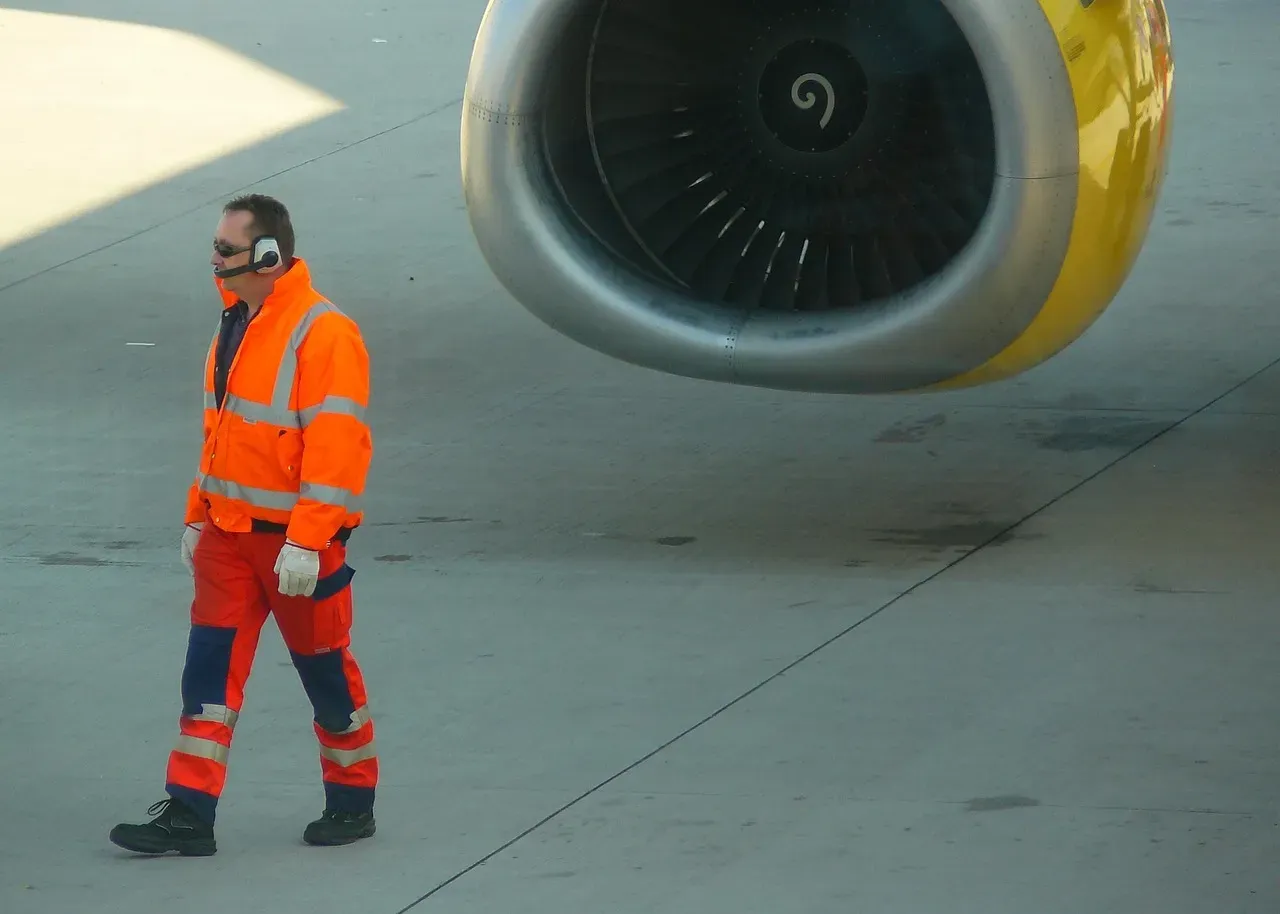
Here’s a fact that might surprise you. Despite all the panic about runway close calls, the actual data is not spiraling. Runway incursions fell between 2023 and 2024. The FAA reported 1,664 runway incursions in 2024, down from 1,837 in 2023. Serious “Category A” safety events, classified as serious incidents where a collision was narrowly avoided, also fell from 6 to 2.
That said, several high-profile near-misses rattled the public. A Delta Air Lines flight and a United Airlines flight were both approaching Phoenix Sky Harbor airport in January 2025 when the aircraft got within a couple thousand feet of each other. After collision warnings sounded in both cockpits, the pilots maneuvered apart and later landed safely. Each incident like that, even when it ends safely, chips away at the public’s sense of invulnerability in the air. It’s a bit like watching a car run a red light and narrowly miss a pedestrian. The pedestrian is fine, but the trust in the intersection is shaken.
General Aviation Is the Real Danger Zone
Here’s something the media rarely explains clearly. Most fatal aviation accidents in the U.S. have nothing to do with the commercial flights most of us take. Approximately 72 percent of fatal aviation incidents involve non-commercial general aviation flights. Small planes, charter aircraft, helicopters, and private jets operate under far less stringent rules than the Delta or United flight you board at a major airport.
Commercial airline flights operate under much stricter safety standards, maintenance requirements, pilot training, and regulatory oversight than private aircraft. This distinction matters enormously. When you see alarming total accident numbers, it is essential to understand that the overwhelming bulk of those incidents happen far from the gate at Terminal C. Aviation safety experts estimate that a person would need to fly daily for over 15,000 years to statistically encounter a fatal commercial airline accident. That figure is almost impossible to wrap your head around, but it belongs in every conversation about flight safety.
The FAA Oversight Question: Who Watches the Watchdogs?
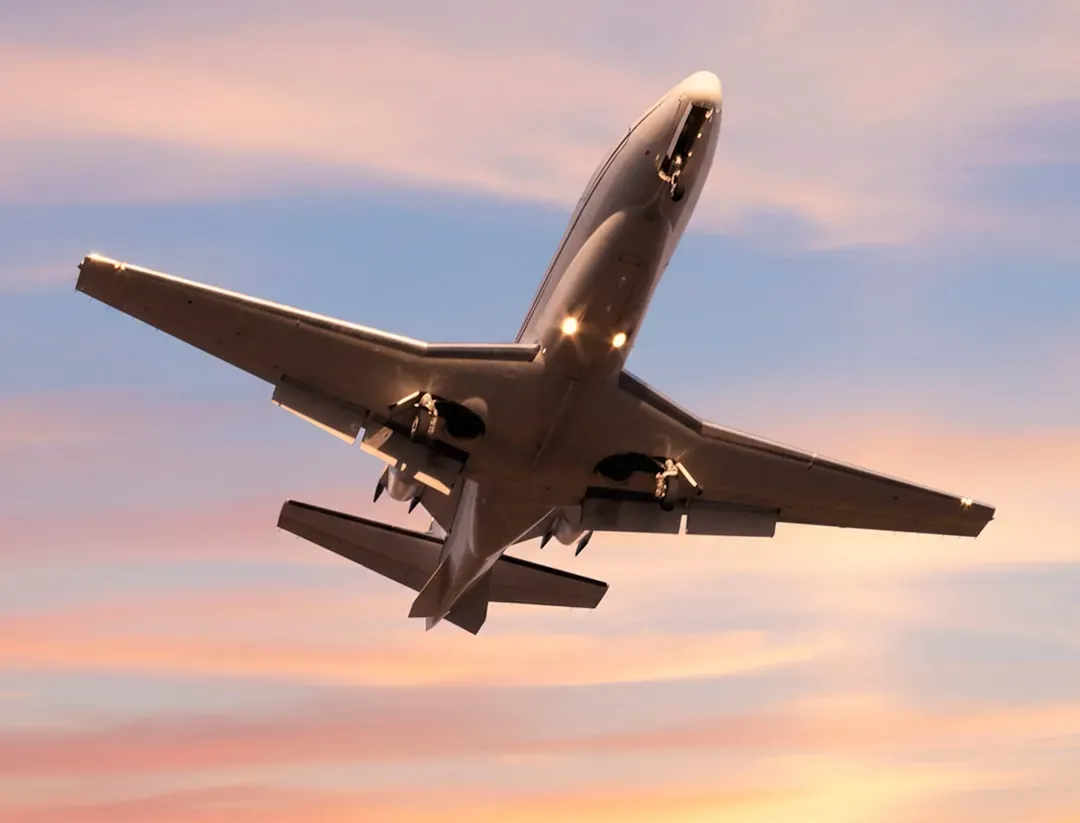
It’s hard to say for sure whether the FAA has been fully equal to the challenge in recent years. The evidence suggests the agency has been reactive rather than preventive in some critical areas. The FAA confirmed that it will continue its enhanced oversight of Boeing indefinitely, with then-outgoing FAA Administrator Mike Whitaker saying its scrutiny of Boeing’s manufacturing practices is “here to stay” and is not just a year-long project.
The FAA proposed a rule to update the criteria for conducting safety assessments to reduce the likelihood of potentially catastrophic risks due to undetected failures. Revising these safety-assessment regulations would eliminate ambiguity in, and provide consistency between, the safety assessments that applicants must conduct for different types of airplane systems. Meanwhile, the FAA has issued numerous Airworthiness Directives involving defective or non-compliant aircraft components in recent months. An AD is issued when an unsafe condition is discovered. The volume of those directives, when reviewed carefully, paints a picture of a manufacturing ecosystem under significant strain.
Flying Is Still the Safest Way to Go Far
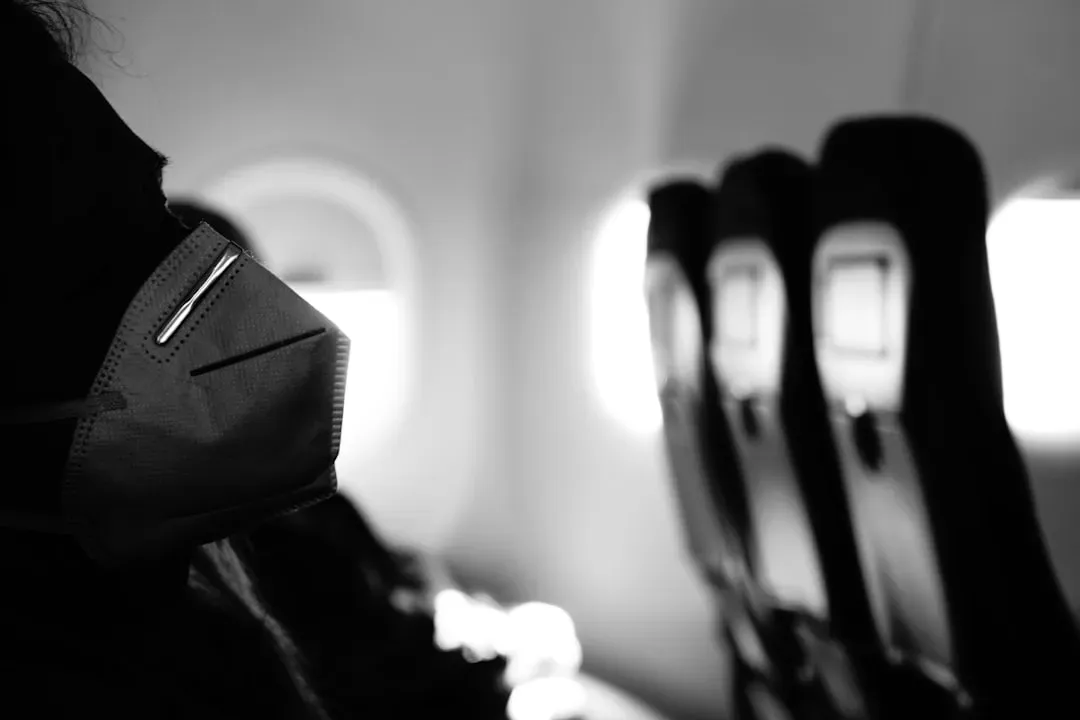
Let’s be real about one final, fundamental fact that often gets buried under the anxiety. Despite media coverage of aviation incidents, commercial flying is statistically far safer than driving. Approximately 40,000 people die in motor vehicle crashes in the United States each year. Per mile traveled, commercial aviation is approximately 95 times safer than automobile travel. That comparison doesn’t make aviation tragedies less devastating, but it does demand honesty about perspective.
The long-term story of aviation safety is one of continuous improvement. A decade ago, the five-year average was one accident for every 456,000 flights. Today, the five-year average is one accident for every 810,000 flights. That is the broader, steadier truth. The “aviation panic” is real as a feeling, but the statistics behind it are far more nuanced than the headlines suggest. The systemic problems, from controller shortages to Boeing’s quality woes, deserve urgent attention and vigorous reform. As a result of the Potomac River collision investigation, the NTSB issued 33 safety recommendations to the FAA. The system is being examined. Pressure is being applied. Change, slow and never guaranteed, is underway.
The real question is not whether flying is safe. It clearly remains the safest long-distance way to travel on earth. The question is whether the institutions responsible for keeping it that way are being held accountable with the urgency the moment demands. What do you think, and does that answer change how you feel the next time you walk down that jet bridge?
Partner offer
Planning a trip to Vegas?
Compare hotel rates and show tickets on VEGAS.com.