You settle into your seat at a Las Vegas cinema, popcorn in hand, ready for another blockbuster. The credits roll and you see those magic words: “Based on the novel by…” Wait, what? That movie you just watched came from a book?
It happens more often than you’d think. Hollywood loves a good story, and sometimes the best ones come from lesser-known novels that flew under the radar. While everyone knows about Harry Potter or The Lord of the Rings making it to the big screen, there’s a whole world of surprising adaptations that most people never connect back to their source material. These aren’t your typical book-to-movie conversions that get announced years in advance with casting controversies and promotional tours through Vegas casinos.
Some of these films became cultural touchstones. Others quietly entertained millions without anyone realizing they started as ink on paper. Let’s dive into the hidden literary origins of movies you probably thought were original screenplays.
Die Hard Started as a Sequel Novel Nobody Wanted

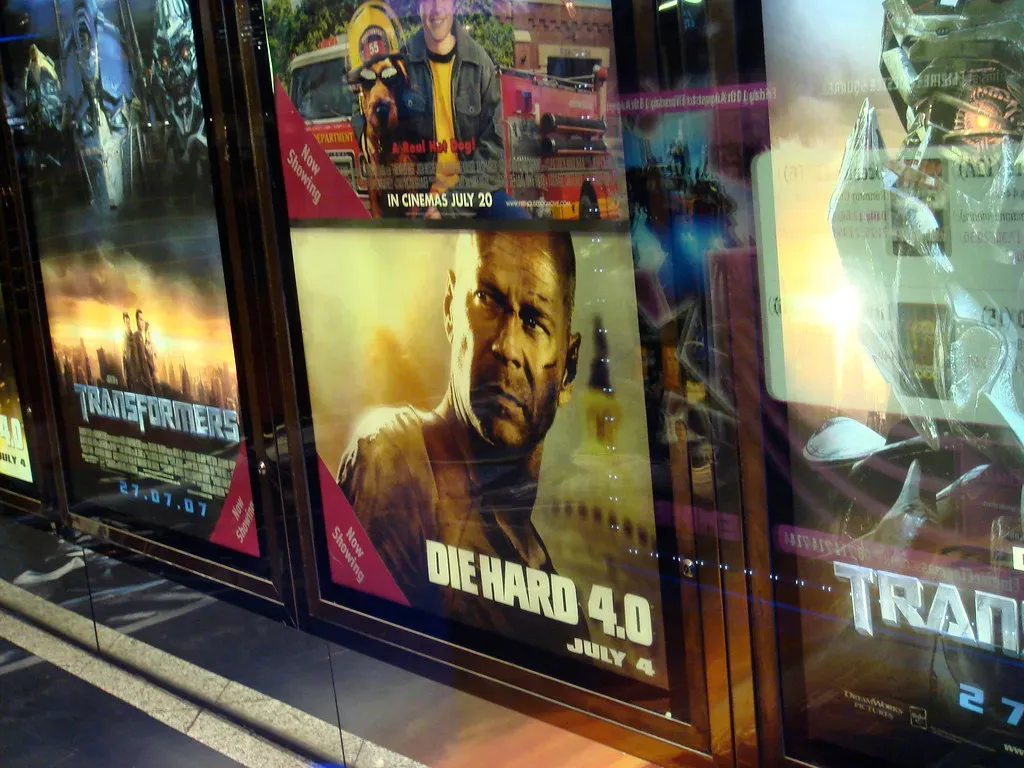
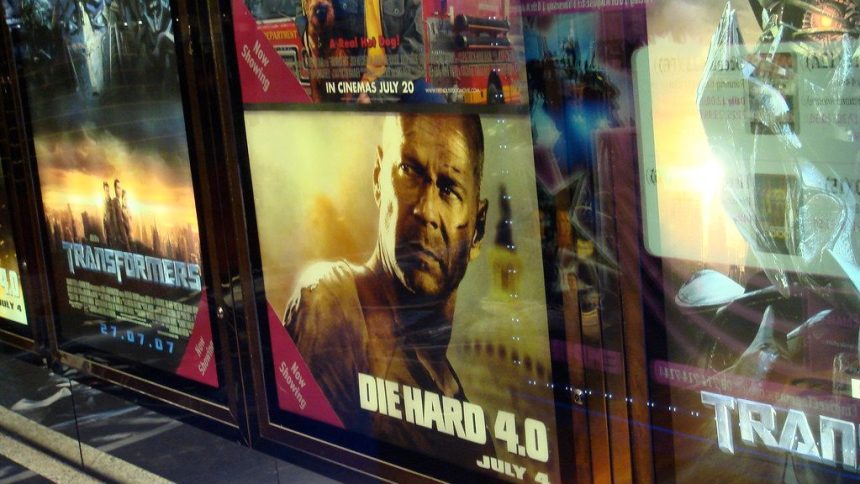
Here’s the thing about Die Hard: it’s actually based on a book called “Nothing Lasts Forever” by Roderick Thorp. The wild part? That novel was itself a sequel to “The Detective,” which had already been adapted into a Frank Sinatra film back in 1968. Fox Studios technically had to offer Sinatra the role of John McClane first because of contractual obligations from the earlier movie.
Obviously, a 73-year-old Sinatra crawling through air ducts wasn’t going to happen. The studio transformed the aging detective Joe Leland into the wisecracking John McClane, and Bruce Willis turned it into one of the greatest action films ever made. Thorp wrote the book after having a nightmare about a man trapped in a skyscraper, which is pretty fitting for a story that would become synonymous with Christmas terror in high-rises.
The novel is darker and grimmer than the film. Way darker. McClane’s daughter replaces his wife as the hostage, and the whole thing ends on a much bleaker note. Thank goodness Hollywood decided to lighten things up with some one-liners and a happy ending.
Blade Runner Came From a Philip K. Dick Novel With a Completely Different Title


Most film buffs know Blade Runner as this groundbreaking sci-fi noir masterpiece. What they don’t always realize is that it’s based on Philip K. Dick’s novel “Do Androids Dream of Electric Sheep?” The title alone should have been a dead giveaway, but the movie changed so much that the connection got lost.
Dick’s novel explores themes of empathy and what makes us human in a post-apocalyptic world where owning a real animal is the ultimate status symbol. The film kept the central question about artificial intelligence and humanity but ditched the electric sheep entirely. Ridley Scott took the philosophical bones of the story and wrapped them in stunning visuals of a rain-soaked, neon-lit future Los Angeles.
Sadly, Dick died just months before the film’s release in 1982. He did get to see some early footage and apparently gave it his blessing, which is more than many authors get when Hollywood mangles their work. The movie initially flopped at the box office but became a cult classic that influenced countless sci-fi films afterward.
Shrek Was Actually a Children’s Book First


Let’s be real, when you think of Shrek, you think of DreamWorks Animation’s massive franchise with Eddie Murphy’s motormouth Donkey and that earworm of a Smash Mouth song. You probably don’t think “oh yeah, that picture book from 1990.”
William Steig wrote and illustrated “Shrek!” as a 32-page children’s book about an ugly ogre who goes on a journey to find an equally ugly princess. The original Shrek is way meaner and less lovable than the version we know. There’s no Donkey, no Fiona with a secret, and definitely no pop culture references or fairy tale mashups.
DreamWorks bought the rights and completely reimagined the story into a satirical take on Disney fairy tales. They kept the basic premise of an ogre on a quest but added layers of humor, heart, and surprisingly sharp commentary on beauty standards and acceptance. The book Shrek would probably eat movie Shrek for breakfast. And not feel bad about it.
Forrest Gump’s Source Novel Is Wildly Different and Way Weirder
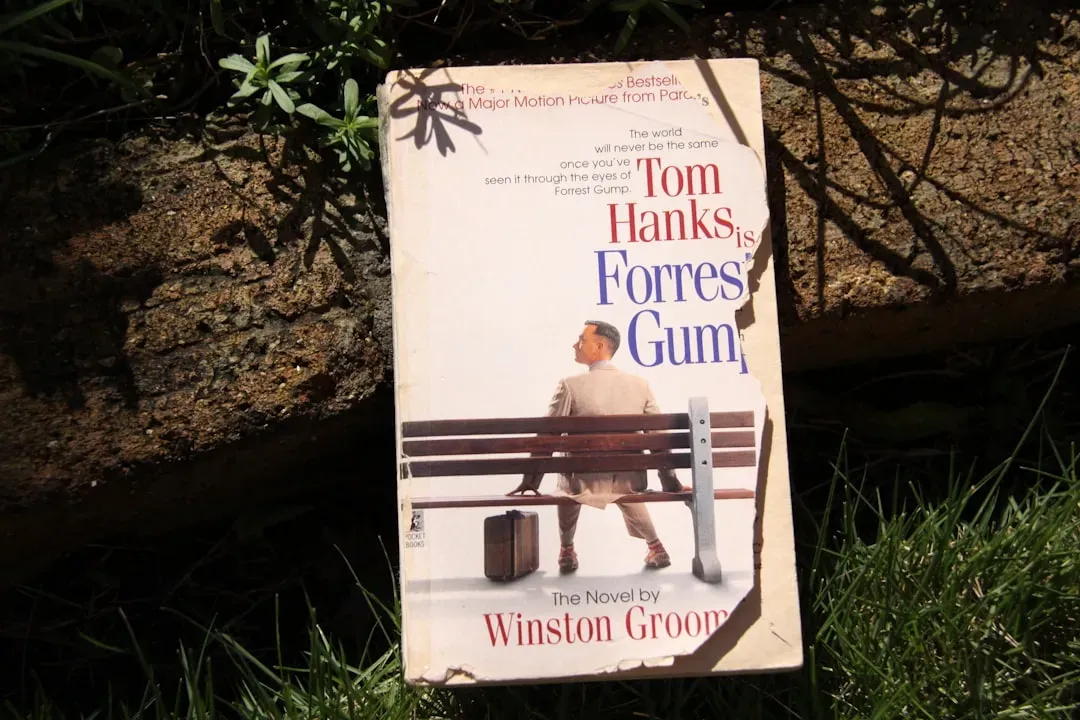
Winston Groom’s novel “Forrest Gump” shares the basic premise with the movie, but that’s about where the similarities end. Book Forrest is a mathematical savant who becomes a chess champion, gets involved with the Black Panthers, works as a stunt man, and even travels to space with an orangutan named Sue.
Seriously. There’s a whole space mission subplot. The novel is more satirical and bizarre, with Forrest having wild adventures that feel more like a picaresque romp than the heartfelt journey Tom Hanks delivered on screen. Author Groom apparently wasn’t thrilled with how much the movie changed, especially when the studio claimed the film never made a profit despite earning hundreds of millions.
The movie transformed a weird, somewhat cynical book into an optimistic meditation on American history and the power of kindness. Eric Roth’s screenplay took the kernel of Groom’s idea and grew something completely different. Sometimes Hollywood gets it right by getting it wrong, if that makes sense.
The Shawshank Redemption Has Novella Roots

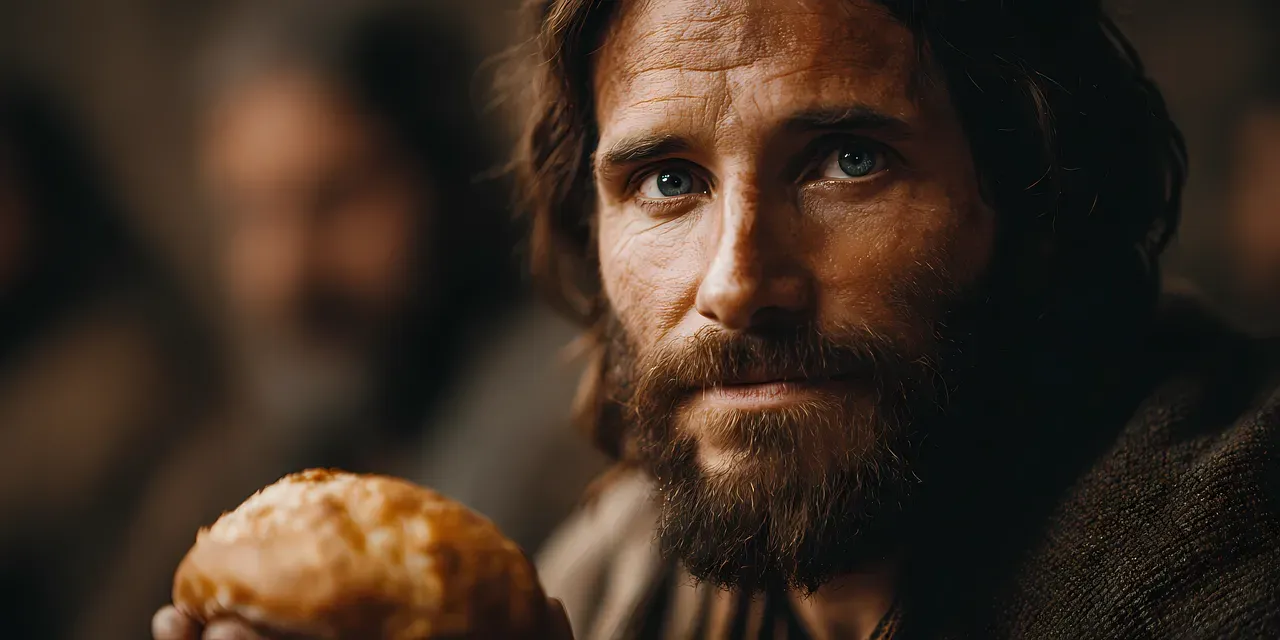
Everyone loves The Shawshank Redemption. It regularly tops “greatest movies ever made” lists, and for good reason. But mention Stephen King and most people think of horror. They don’t connect him to this prison drama about hope and friendship.
The film is based on King’s novella “Rita Hayworth and Shawshank Redemption” from his collection “Different Seasons.” Same collection that gave us Stand By Me, by the way. King writes plenty of non-horror, though his scary stuff obviously gets more attention. The novella is told entirely from Red’s perspective, and the famous “Get busy living or get busy dying” line? That’s pure King.
Director Frank Darabont stayed remarkably faithful to the source material while expanding certain scenes and relationships. The movie flopped initially at the box office in 1994 but found its audience through word of mouth and constant cable TV airings. Now it’s basically mandatory viewing, even if you stumble across it at 2 AM in a Vegas hotel room.
Mean Girls Originated as a Self-Help Book


This one blows people’s minds. Mean Girls, the quotable 2004 teen comedy that made “fetch” almost happen and turned Lindsay Lohan into a superstar, is based on a non-fiction parenting guide called “Queen Bees and Wannabes” by Rosalind Wiseman.
Wiseman’s book examines cliques and social hierarchies among teenage girls. It’s a serious look at bullying and adolescent psychology meant to help parents understand their daughters’ social struggles. There’s no Cady Heron, no Plastics, no Spring Fling drama.
Tina Fey read the book and saw the potential for a comedy that could tackle these real issues while still being hilarious. She created all the characters and plot from scratch, using Wiseman’s research as a foundation. The result became a cultural phenomenon that people still quote nearly two decades later. On Wednesdays, we still wear pink.
No Country for Old Men Adapted Cormac McCarthy’s Bleak Novel

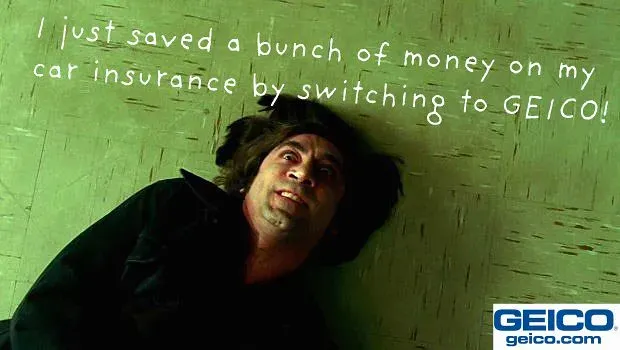
The Coen Brothers’ intense thriller about a psychopathic killer with a captive bolt pistol comes from Cormac McCarthy’s novel of the same name. McCarthy is known for dense, literary prose that seems impossible to film, yet the Coens managed to translate his stark vision almost perfectly.
They kept McCarthy’s sparse dialogue and long stretches of tense silence. The film follows the book’s structure remarkably closely, right down to that controversial ending that left some viewers frustrated. Anton Chigurh’s chilling philosophy about fate and chance comes straight from McCarthy’s pages, as does the weary Sheriff Bell’s meditations on a changing, increasingly violent world.
What makes this adaptation work is how the Coens understood that McCarthy’s style is inherently cinematic despite being so literary. The landscape becomes a character. Violence erupts suddenly and realistically. McCarthy apparently loved the film, which is high praise from an author notorious for being selective about adaptations of his work.
Jaws Swam From Page to Screen With Major Changes

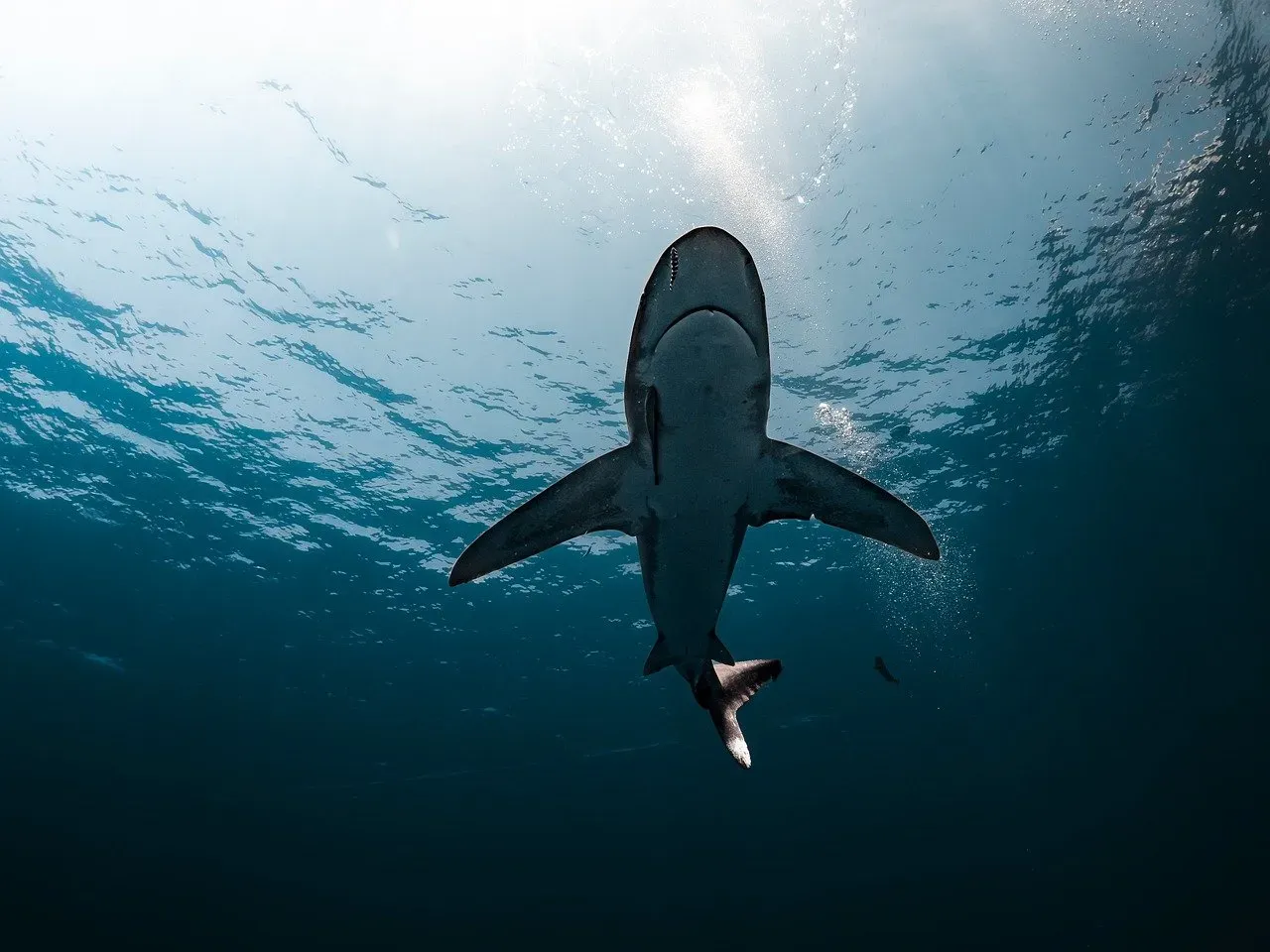
Peter Benchley’s novel “Jaws” became the blueprint for the summer blockbuster when Spielberg adapted it in 1975. But the book is nastier and sleazier than the movie. There’s an affair between Hooper and Brody’s wife that thankfully got cut. The shark dies anticlimactically from its wounds rather than the explosive finale we got on screen.
Benchley wrote the novel after reading about a fisherman who caught a 4,500-pound great white shark off Long Island. He combined that with his fascination with shark attacks and created a story about a beach town terrorized by a killer shark. The book became a bestseller before the movie even started filming.
Spielberg took the premise and made it scarier, tighter, and more emotionally resonant. The mechanical shark’s constant breakdowns forced him to show less and imply more, which made the film more terrifying. Sometimes technical difficulties lead to genius. The movie improved on the book in almost every way, which isn’t something you hear often.
The Princess Bride Sprang From William Goldman’s Fantasy Novel

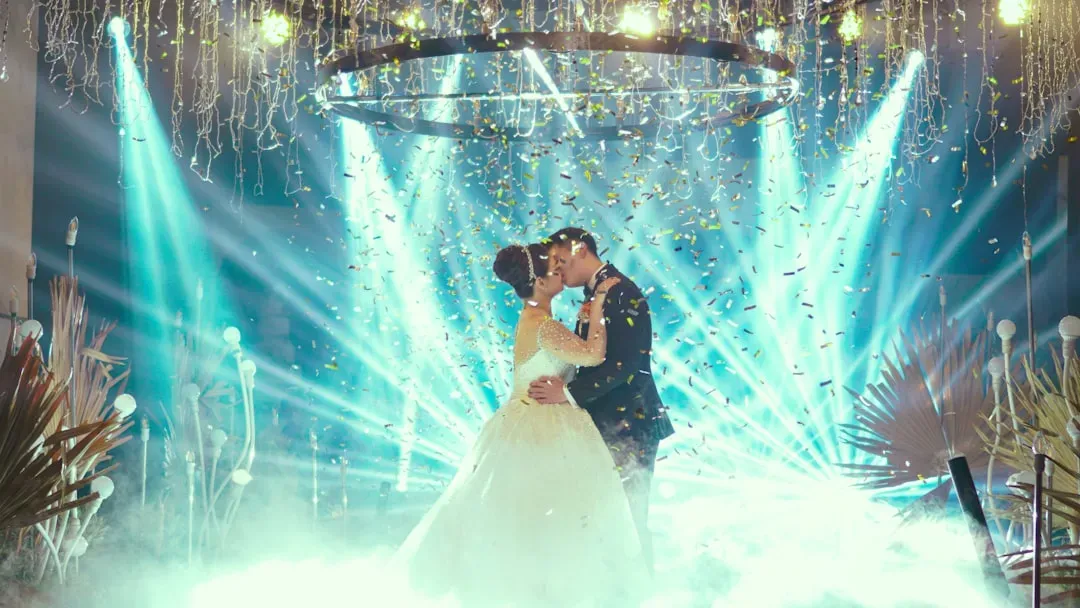
Okay, some people know this one, but plenty don’t realize that screenwriter William Goldman adapted his own 1973 novel. The movie keeps the book’s frame story about a grandfather reading to his sick grandson, and most of the dialogue comes straight from Goldman’s witty prose.
The novel pretends to be an abridged version of a longer classic by fictional author S. Morgenstern. Goldman adds commentary throughout about what he’s cutting from the “original” text, which is a clever literary device that obviously couldn’t translate to film. The movie drops this layer and plays it straight as a story within a story.
Director Rob Reiner and Goldman worked together to trim the book down while keeping its heart and humor intact. The result is one of those rare cases where book and movie fans can coexist peacefully because both versions are beloved. The cast is perfect, the lines are endlessly quotable, and true love really does conquer all. Inconceivable that it almost didn’t get made.
Jurassic Park Evolved From Michael Crichton’s Techno-Thriller

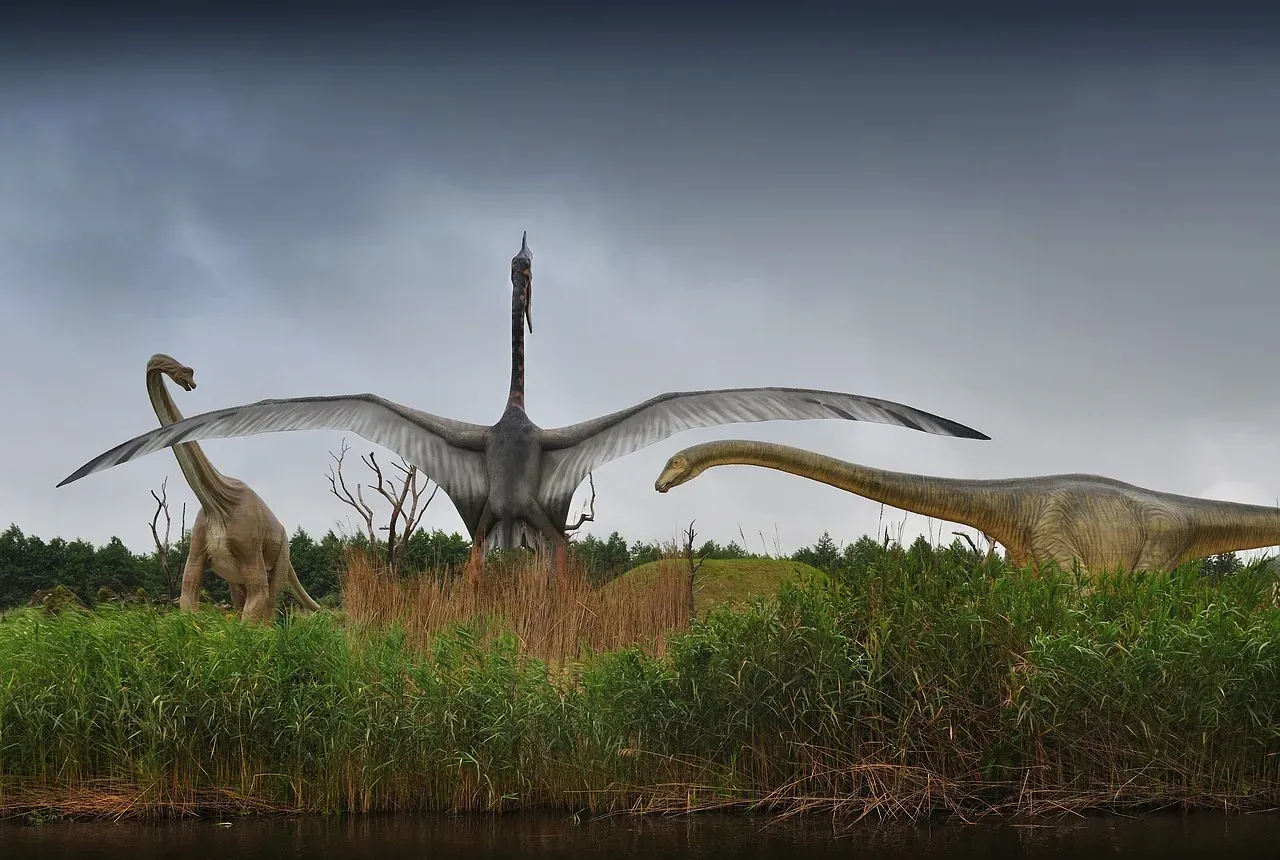
Most people associate Jurassic Park with Spielberg’s dinosaur spectacle, but Michael Crichton’s novel came first and is significantly different in tone. The book is more like a techno-thriller exploring chaos theory and the dangers of genetic engineering run amok by corporate greed.
Crichton wrote it as a cautionary tale about playing God with science. The characters are less sympathetic in the book, particularly John Hammond, who’s portrayed as a ruthless businessman rather than the lovable Richard Attenborough version. Kids still get chased by dinosaurs, but there’s way more mathematical theory and scientific exposition.
Spielberg streamlined the story, made it more accessible, and focused on the wonder and terror of dinosaurs rather than lengthy discussions about mathematics. He turned Hammond into a tragic dreamer instead of a villain. The T-Rex attack scene is more intense in the movie, while the book has more diverse dinosaur encounters throughout. Both work in their respective mediums.
Conclusion

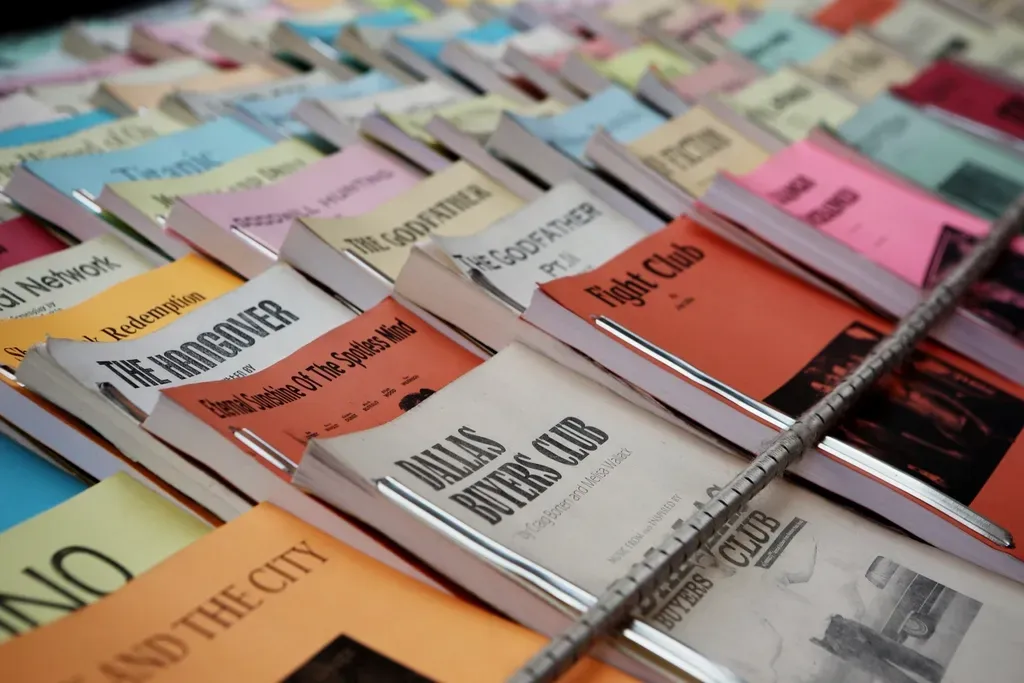
These hidden literary origins remind us that great stories can come from anywhere. A self-help book becomes a teen comedy classic. A rejected sequel novel turns into the ultimate action movie. A dense philosophical short story transforms into an emotional sci-fi masterpiece that makes you question free will while ugly crying.
Hollywood’s relationship with literature is complicated and unpredictable. Sometimes adaptations improve on their source material. Other times they simplify or completely reimagine the original vision. But the best adaptations, whether faithful or radically different, capture something essential from the page and make it sing on screen in ways that surprise even the authors themselves.
Next time you’re watching a movie at one of Vegas’s luxury theaters or streaming something at 3 AM after a long night on the Strip, check those opening credits. You might be surprised to discover that original screenplay you’re enjoying actually started as words on a page somewhere. What other movies do you think have surprising literary origins? Tell us in the comments.