Las Vegas has always been a stage for spectacle, excess, and unforgettable moments. But when celebrities push boundaries, the fallout doesn’t stay in Vegas. It reshapes entire industries, careers, and how we consume entertainment. From award show meltdowns to scandalous performances, certain moments become cultural earthquakes that force Hollywood, music executives, and networks to rewrite the rules.
These aren’t just embarrassing clips that live forever on the internet. They’re pivotal events that changed contracts, sparked movements, and shifted public opinion overnight. Let’s dive into the celebrity controversies that left permanent marks on entertainment.
Janet Jackson’s Super Bowl Halftime Show

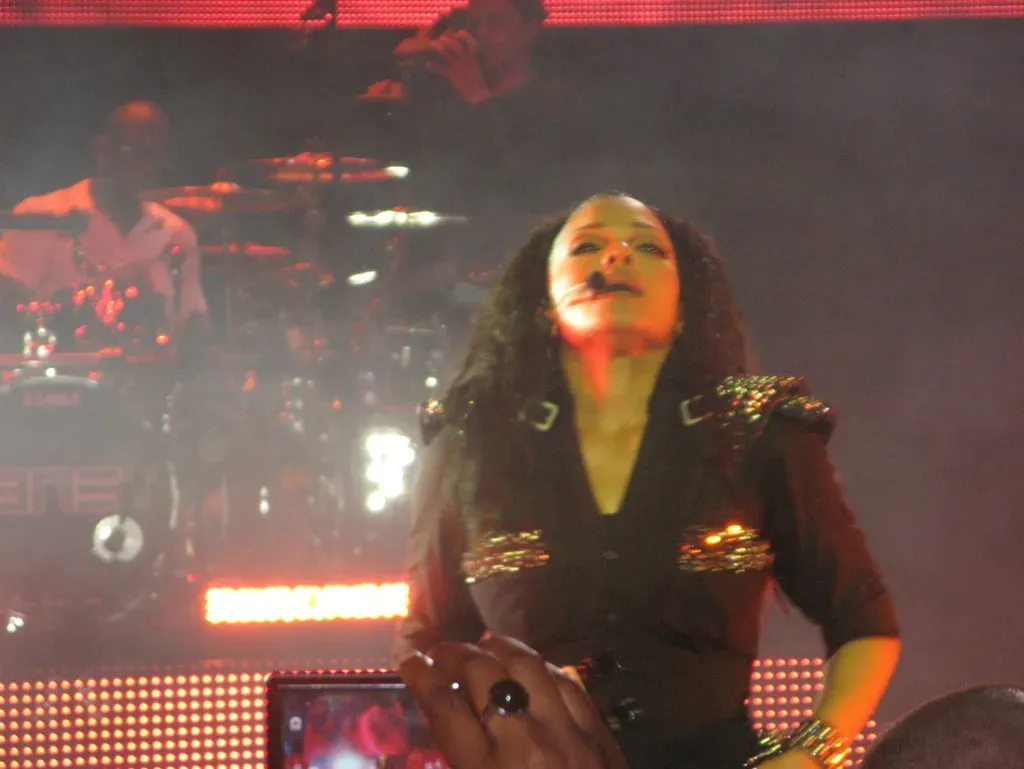
The 2004 Super Bowl halftime show became one of television’s most debated moments when Justin Timberlake exposed Janet Jackson’s breast during their performance. Networks scrambled to implement broadcast delays, and the phrase “wardrobe malfunction” entered everyday vocabulary. The FCC fined CBS over half a million dollars.
Jackson’s career took a massive hit while Timberlake’s remained largely intact, sparking conversations about racial and gender double standards in entertainment. Major networks adopted stricter content policies. Live television would never be broadcast the same way again. The incident fundamentally altered how America approached censorship and accountability in broadcast media.
Kanye West Interrupts Taylor Swift at the VMAs

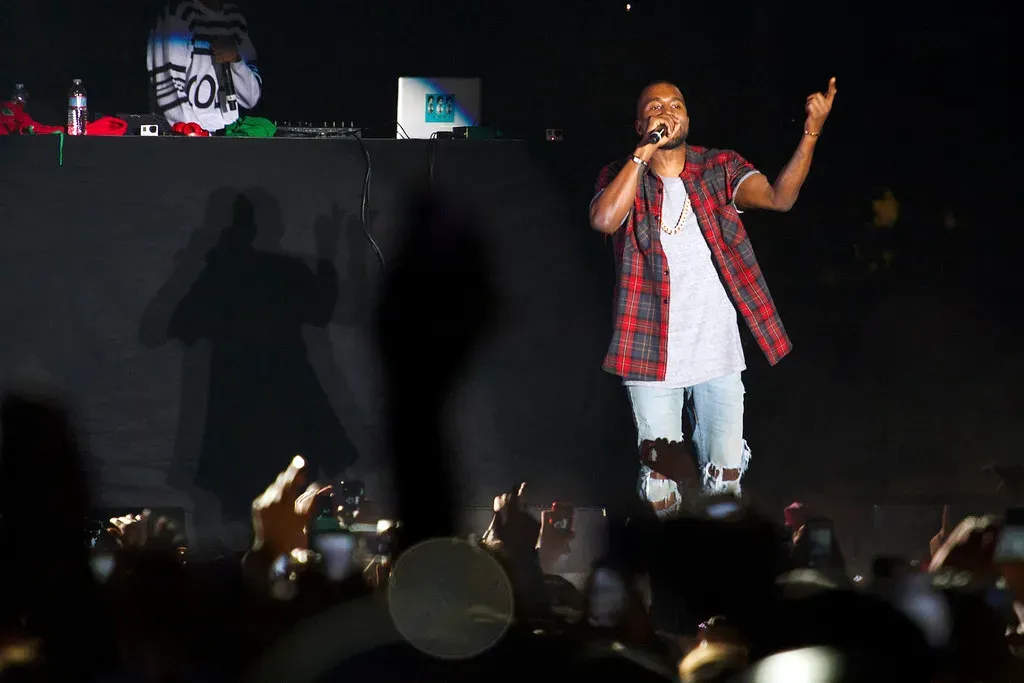
When Kanye West stormed the stage during Taylor Swift’s 2009 VMA acceptance speech, he created a cultural moment that defined a generation’s relationship with celebrity behavior. His declaration that Beyoncé deserved the award instead became an instant meme and talking point across every media platform.
The backlash was swift and brutal. President Obama called him a “jackass” in an off-the-record comment that leaked anyway. Award shows implemented new security protocols. Swift’s fanbase exploded with protective energy, solidifying her victim-to-victor narrative that would shape her career trajectory for years.
What’s fascinating is how this moment birthed an entirely new celebrity archetype. The internet-era disruptor who breaks protocol became normalized. Reality TV stars and social media influencers took notes. Breaking decorum wasn’t career suicide anymore, it was marketing.
Will Smith Slaps Chris Rock at the Oscars

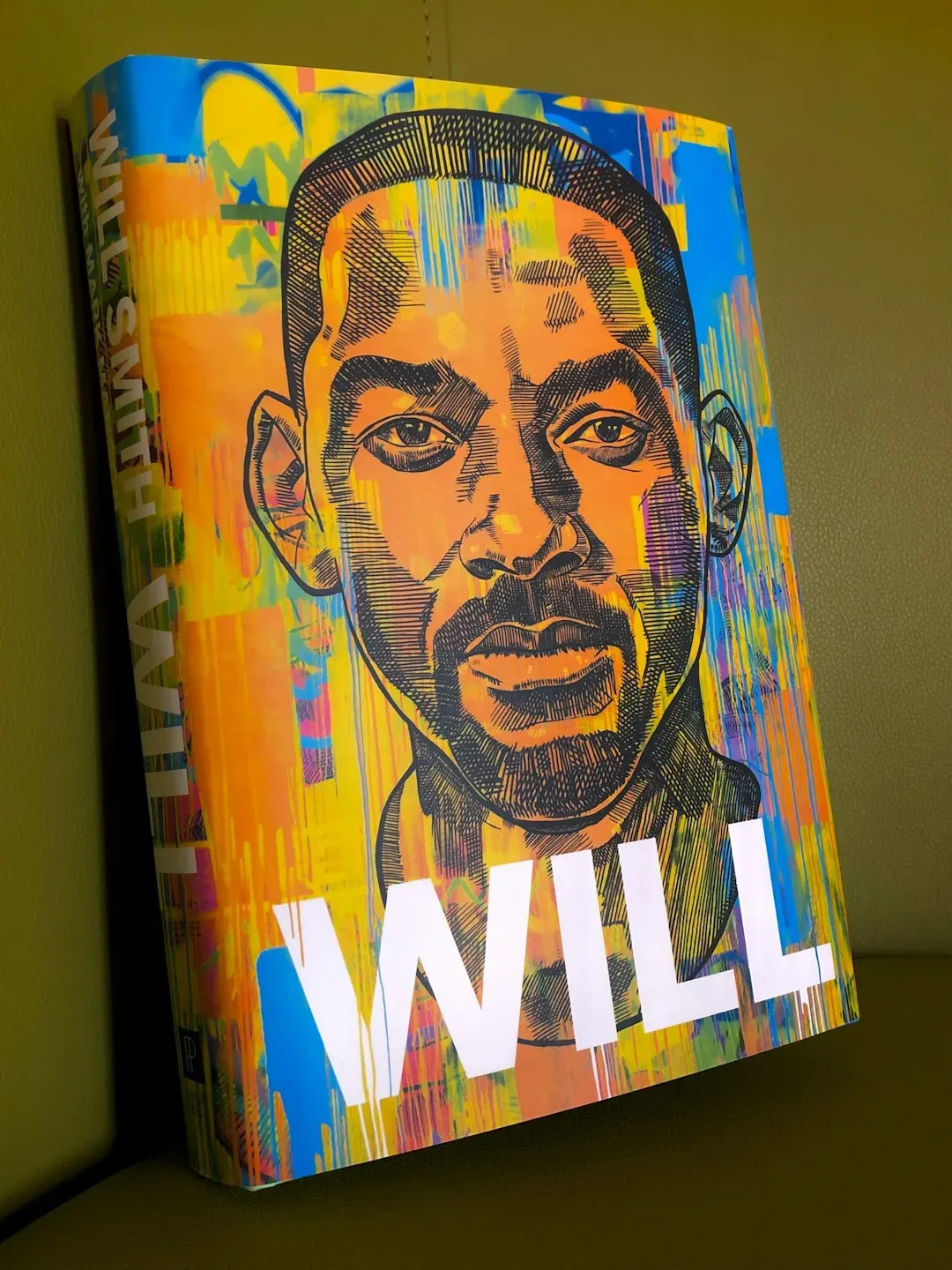
The 2022 Academy Awards were plodding along until Will Smith walked onto the stage and slapped presenter Chris Rock across the face. Rock had made a joke about Jada Pinkett Smith’s shaved head, not knowing she suffered from alopecia. The sound of that slap echoed through every corner of the entertainment world.
Smith won Best Actor minutes later, giving an emotional speech that tried to contextualize his actions. But the damage was done. He resigned from the Academy and received a ten-year ban from attending their events. Dozens of projects were quietly shelved or delayed.
The incident forced Hollywood to confront questions about masculinity, protection, and acceptable responses to provocation. Should comedians face physical consequences for jokes? Where’s the line between defending family and assault? Insurance companies now include violence clauses in live event contracts. The industry learned that even beloved megastars aren’t untouchable when cameras catch everything.
Britney Spears’ 2007 Meltdown

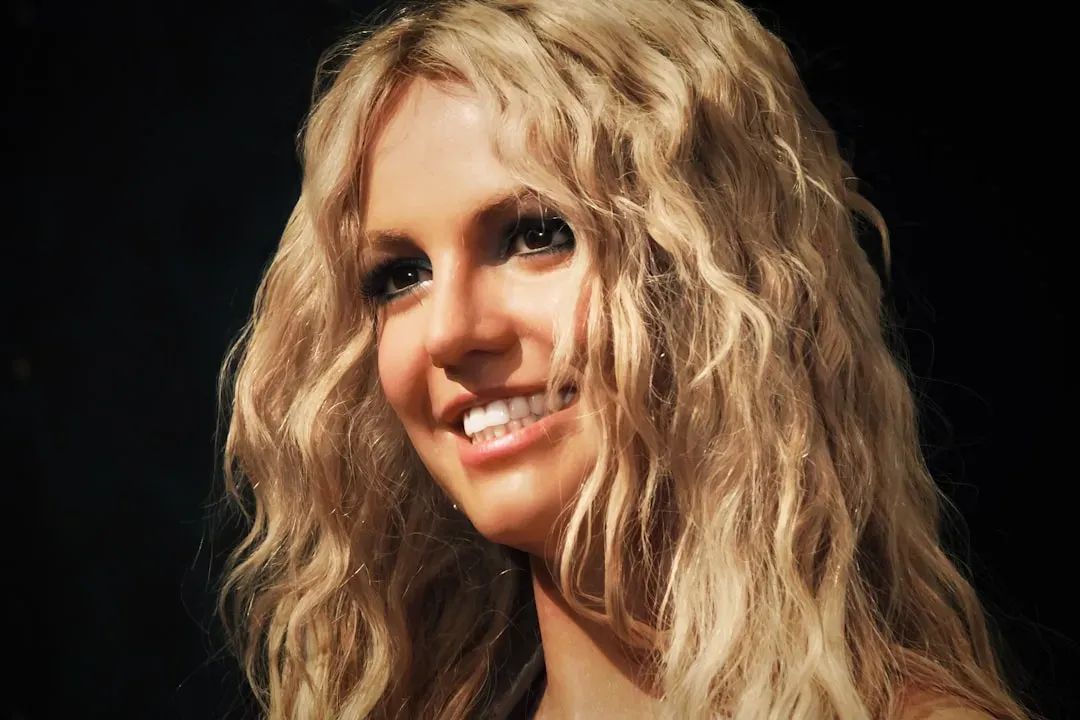
Britney Spears shaving her head in a San Fernando Valley hair salon became the visual symbol of celebrity mental health crisis. Paparazzi swarmed her everywhere. She attacked a photographer’s car with an umbrella. She lost custody of her children. The public couldn’t look away from the trainwreck.
What nobody recognized then was that we were watching someone in serious psychological distress being exploited for profit. Tabloids made millions. TMZ became a cultural powerhouse. The conservatorship that followed would control her life for thirteen years, sparking the #FreeBritney movement decades later.
Partner offer

This period changed how mental health in entertainment is discussed, though it took way too long. Celebrities now openly talk about therapy, medication, and needing breaks. The utter cruelty of 2007 media coverage looks barbaric in hindsight. It forced a reckoning about how we treat people in crisis, even if that reckoning came far too late for Britney.
Ellen DeGeneres Coming Out

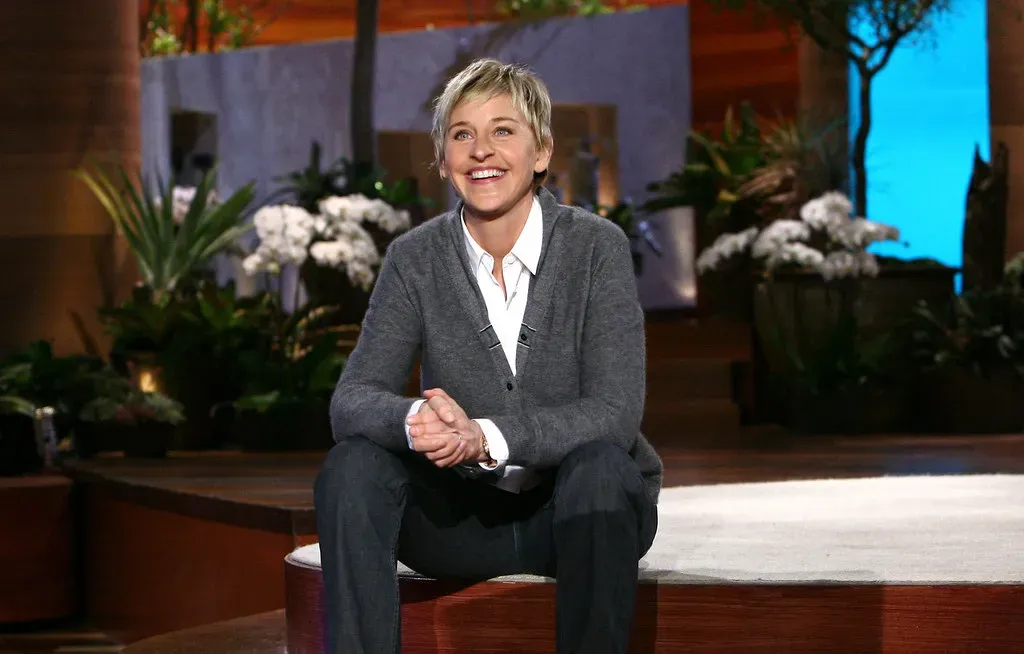
When Ellen DeGeneres came out as gay in 1997, both in real life and through her sitcom character, ABC received bomb threats. Advertisers pulled out. The show was cancelled the following year despite Ellen winning an Emmy for the coming-out episode.
Her career went dark for three years. Networks wouldn’t touch her. Stand-up clubs were her only option. It seemed like professional suicide for daring to be authentic about her sexuality on mainstream television.
But then something shifted. Ellen came back stronger, launching a daytime talk show that became a cultural institution for nearly two decades. She proved that authenticity could win in the long run. Her journey opened doors for LGBTQ+ representation across all media. Shows like Will & Grace, Modern Family, and countless others followed a path she helped clear. Television executives learned that diverse stories could be profitable, not just politically correct.
Sinead O’Connor Rips Up the Pope’s Photo

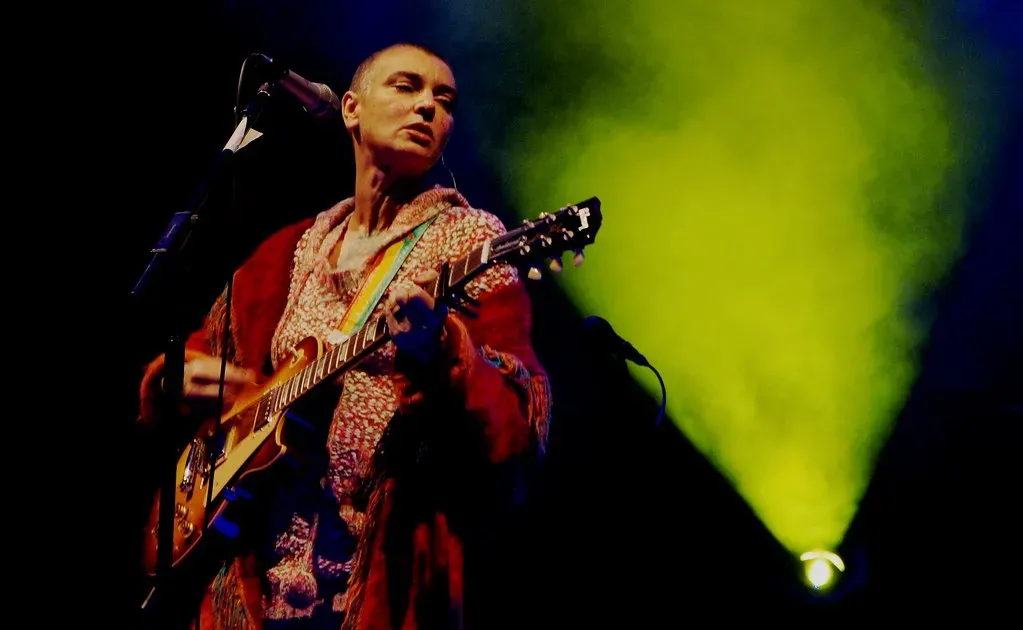
During a 1992 Saturday Night Live performance, Sinead O’Connor sang an a cappella version of Bob Marley’s “War” before tearing up a photograph of Pope John Paul II. She said “Fight the real enemy” directly into the camera. America collectively gasped.
The backlash destroyed her American career almost instantly. Radio stations banned her music. Frank Sinatra threatened violence. When she appeared at a Bob Dylan tribute concert two weeks later, the crowd booed her for several minutes straight. Industry executives blacklisted her from major venues and television appearances.
Years later, revelations about widespread abuse in the Catholic Church vindicated her protest. She was trying to draw attention to institutional cover-ups of child sexual abuse, something nobody wanted to hear in 1992. The music industry learned that prophetic statements often arrive before the culture is ready to hear them. O’Connor paid the price for being ahead of her time.
The Milli Vanilli Lip-Syncing Scandal

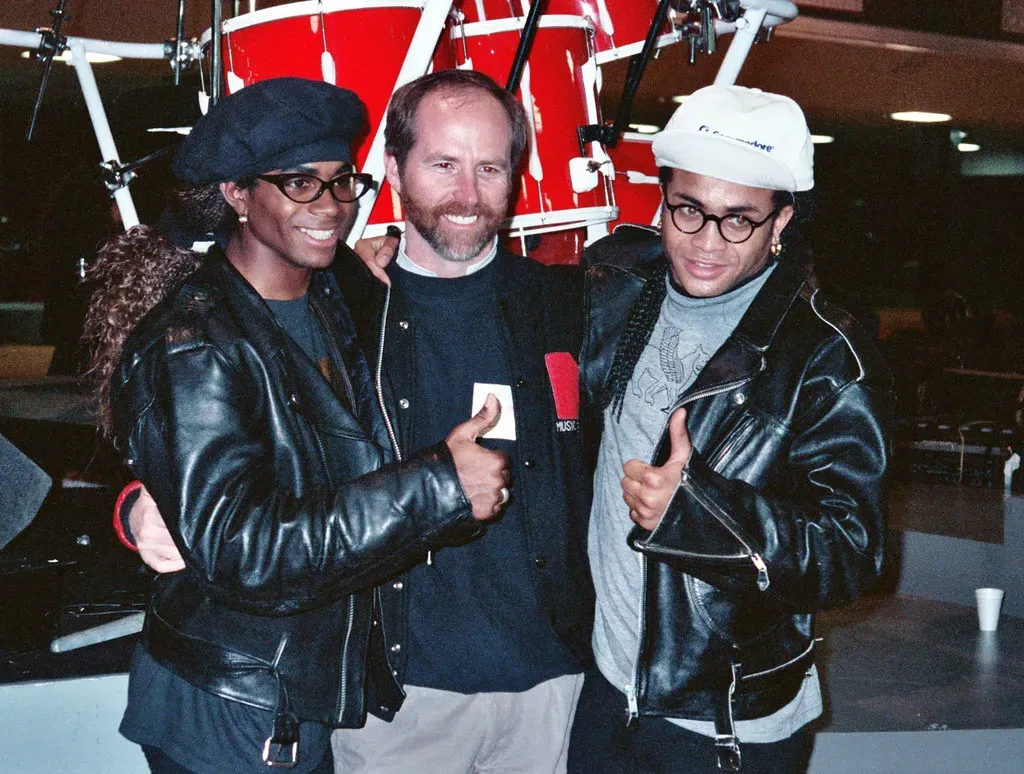
When Milli Vanilli’s backing track skipped during a 1989 MTV live performance, it exposed one of music’s biggest frauds. Rob Pilatus and Fab Morvan hadn’t sung a single note on their Grammy-winning album. They were models hired to be the face of producer Frank Farian’s creation.
The duo returned their Grammy for Best New Artist, the first time in history that had happened. Lawsuits from buyers seeking refunds piled up. Their meteoric rise ended in total professional destruction and personal tragedy. Pilatus struggled with addiction and died in 1998.
The scandal forced the music industry to be more transparent about production credits and vocal contributions. Record labels implemented stricter disclosure policies. Reality singing competitions became obsessed with “authenticity” as a selling point. The entire concept of manufactured pop acts had to be reconsidered, even though the practice never really stopped.
Conclusion
These controversial moments didn’t just create temporary scandals. They fundamentally altered how the entertainment industry operates, from broadcast delays to workplace policies to career management strategies. Each incident taught the industry painful lessons about accountability, technology, and the shifting boundaries of acceptable behavior.
What’s your take on how these moments shaped entertainment? Do you think the industry learned the right lessons, or did we just get better at managing controversies? Share your thoughts in the comments.
Partner offer
Planning a trip to Vegas?
Compare hotel rates and show tickets on VEGAS.com.