
History books love their heroes and villains. They fixate on grand battles, famous leaders, and turning points that everyone knows by heart. But tucked away in the margins are colossal blunders that changed everything yet somehow slipped through the cracks of collective memory. These aren’t just minor slip-ups. We’re talking about decisions so catastrophic, so mind-bogglingly wrong, that they redirected the course of entire civilizations.
What makes these mistakes fascinating isn’t just their scale. It’s that most people have never heard of them. While everyone learns about the Titanic or Napoleon’s Russian campaign, there are plenty of other disasters that were just as impactful but got buried under layers of obscurity. Some were covered up. Others were simply forgotten. Ready to discover what history teachers conveniently left out? Let’s dive in.
The Library of Alexandria’s Real Destruction

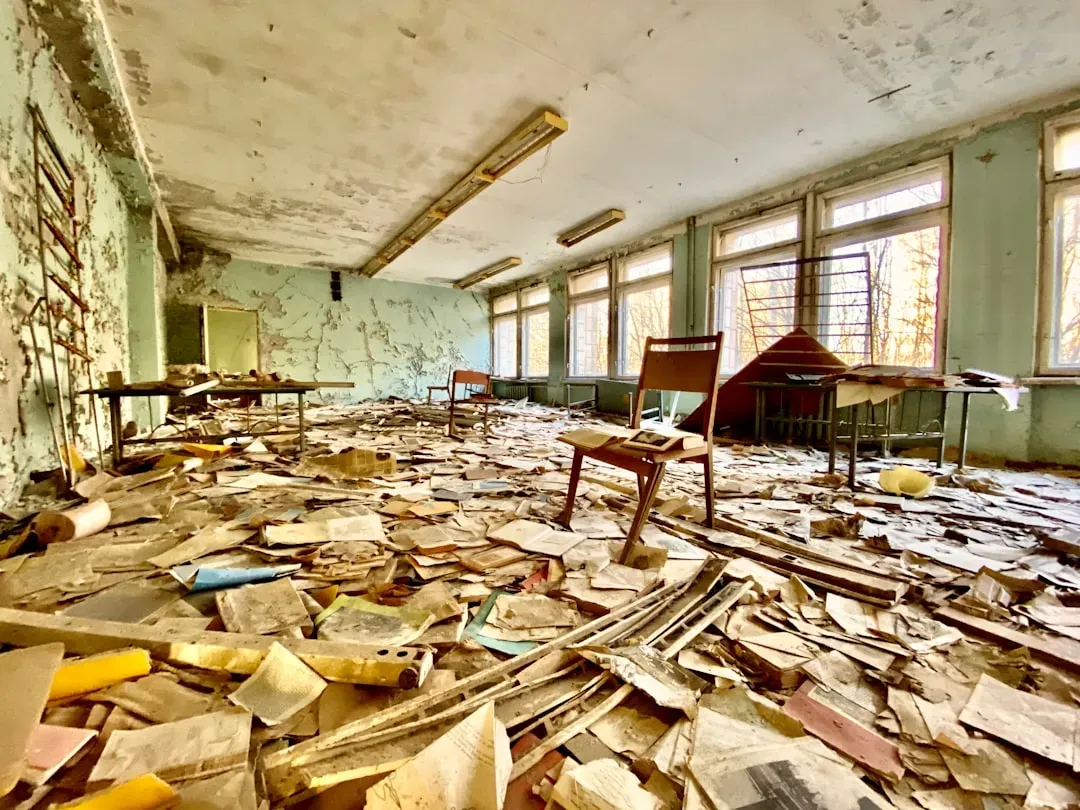
Everyone thinks Julius Caesar accidentally burned down the Library of Alexandria in a single dramatic fire. That story has been repeated so many times it feels like fact. The reality? Far messier and way more embarrassing. The library’s destruction happened gradually over centuries through neglect, budget cuts, and a series of smaller fires and raids. No single villain to blame, just a slow institutional collapse that nobody wanted to take responsibility for.
The Roman authorities kept cutting funding. Religious tensions led to periodic attacks on scholars. By the time anyone realized what was happening, most of the irreplaceable knowledge had already vanished. We lost mathematical treatises, scientific discoveries, and historical records that might have accelerated human progress by centuries. The real mistake wasn’t one fire. It was the continuous decision to prioritize everything else over preserving knowledge.
Think about that for a second. Entire branches of ancient science and philosophy gone because nobody wanted to maintain a library properly. Some historians estimate we lost roughly seventy percent of classical knowledge. That’s not just a mistake; that’s a civilizational catastrophe that unfolded in slow motion while people watched.
The Chinese Treasure Fleet’s Sudden End

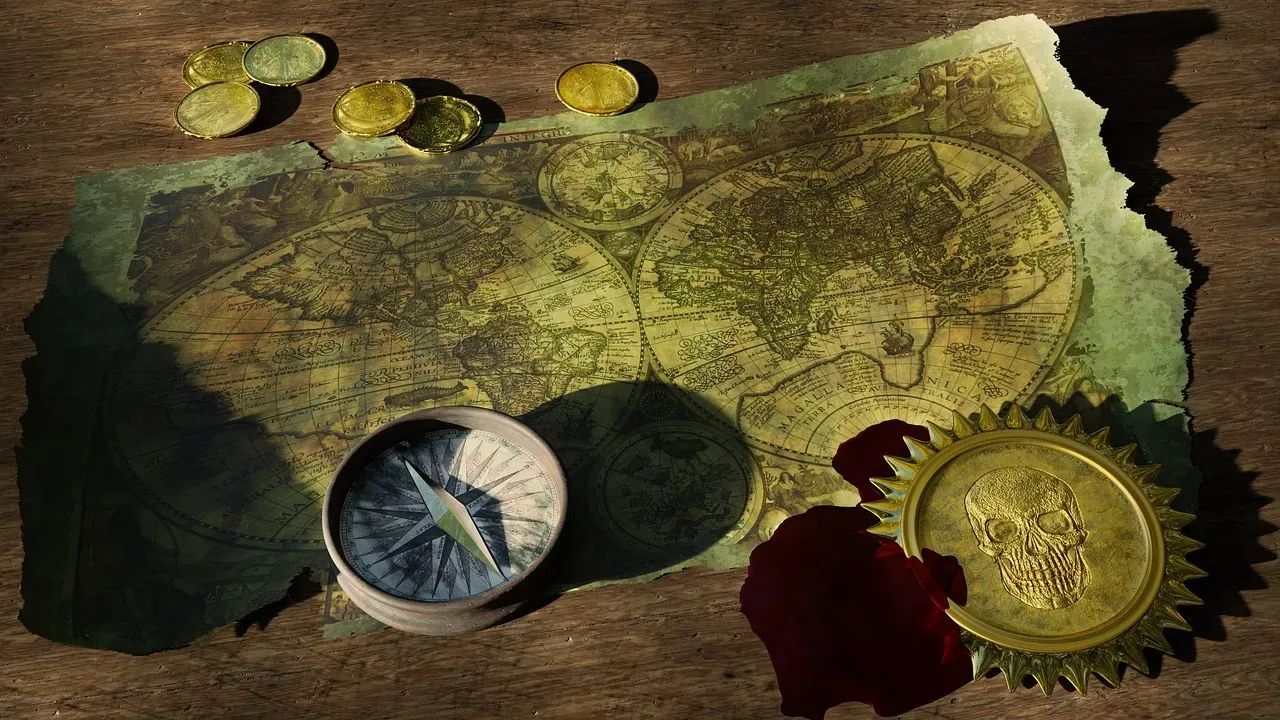
In the early fifteen hundreds, China had the most advanced navy in the world. Not even close. Their treasure fleet consisted of massive ships that dwarfed anything Europe could build, and they sailed to Africa, the Middle East, and possibly even further. Admiral Zheng He commanded expeditions that brought back exotic goods, established trade routes, and demonstrated Chinese technological superiority to anyone who saw those ships.
Then in fourteen thirty-three, the Chinese government made a decision that historians still scratch their heads over. They stopped. Completely. The emperor ordered the fleet dismantled, forbade ocean voyages, and basically turned China inward. The reasoning involved Confucian philosophy and budget concerns, but the timing couldn’t have been worse. Just as Europe was gearing up for its Age of Exploration, China voluntarily withdrew from the world stage.
Imagine if China had continued those voyages for another fifty years. They might have reached the Americas before Columbus. They could have established a global trading empire while European powers were still figuring out basic navigation. Instead, they chose isolation, and the entire trajectory of global history shifted. One policy decision, centuries of consequences.
The Romans and Lead Poisoning

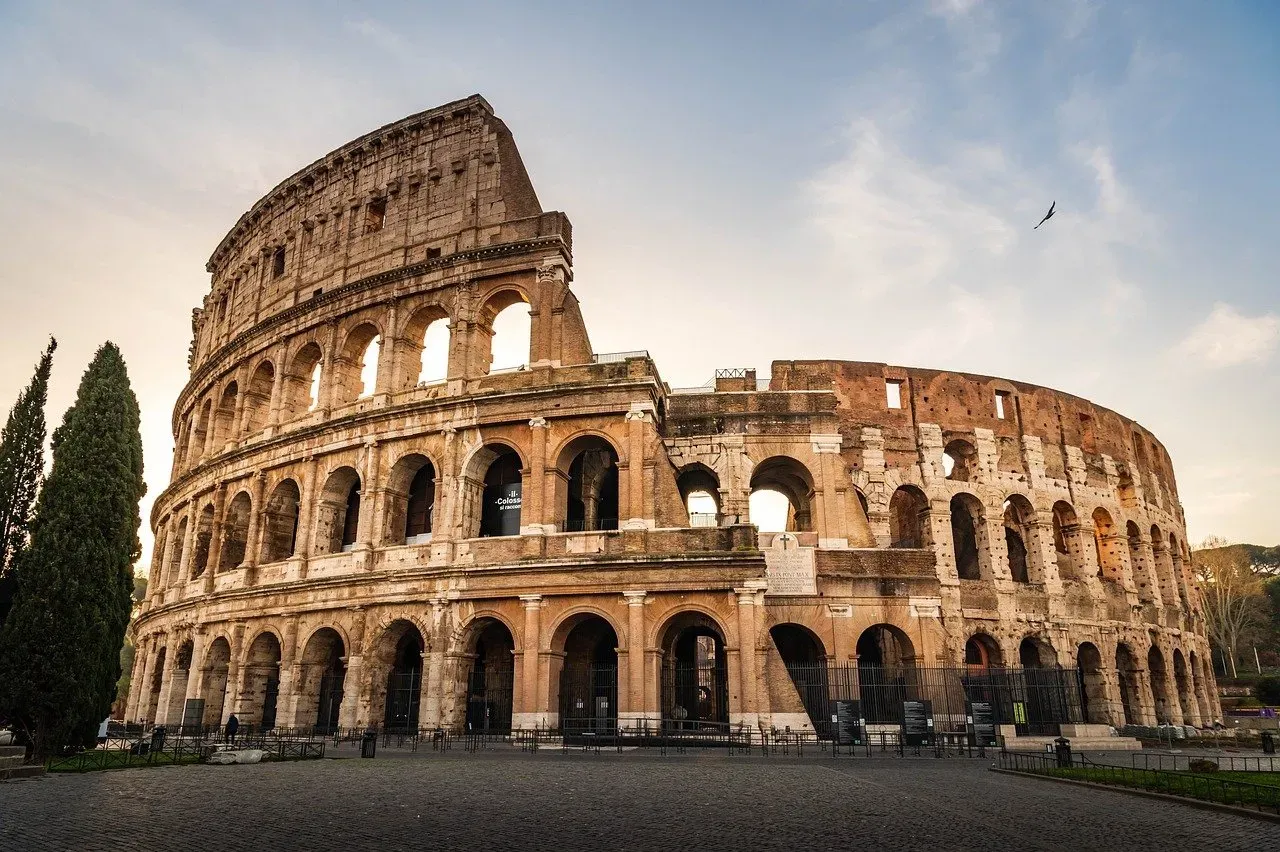
Roman engineers were brilliant. Their aqueducts, roads, and buildings still stand today. But they made one consistently terrible choice that slowly poisoned their entire civilization. Lead. They used it everywhere, particularly in water pipes and cooking vessels. Even worse, they sweetened their wine with a lead-based syrup called sapa. Wealthy Romans consumed this stuff daily.
The effects were devastating but gradual. Lead poisoning causes cognitive decline, infertility, and behavioral changes. Some researchers believe it contributed to the erratic behavior of later Roman emperors and declining birth rates among the aristocracy. The empire’s elite were literally poisoning themselves and their children for generations. They knew lead was dangerous in high doses but didn’t connect the dots about chronic low-level exposure.
What makes this particularly frustrating is they had alternatives. Clay pipes existed. Other sweeteners were available. But lead was cheap, easy to work with, and culturally embedded. By the time the damage became undeniable, the practice was too widespread to stop. A whole civilization slowly dulled its own edge with preventable heavy metal poisoning.
The Missed Warning Before Pearl Harbor

Everyone knows about Pearl Harbor. The surprise attack, the losses, America entering World War Two. What most people don’t know is that American radar operators actually detected the incoming Japanese planes more than an hour before they arrived. A private at Opana Point picked up a massive blip on his screen and reported it to his superiors.
The response? “Don’t worry about it.” The duty officer assumed it was a flight of American B-17 bombers scheduled to arrive that morning. He told the radar operators to shut down and dismissed the warning entirely. No alarm was raised. No alert went out. That one miscommunication cost thousands of lives and changed the course of the war.
The tragedy isn’t just that someone made a mistake under pressure. It’s that the technology worked perfectly. The system did exactly what it was supposed to do. Human error and institutional complacency turned an effective early warning into nothing. Sometimes the biggest disasters come from people ignoring the information right in front of them.
Napoleon Selling Louisiana

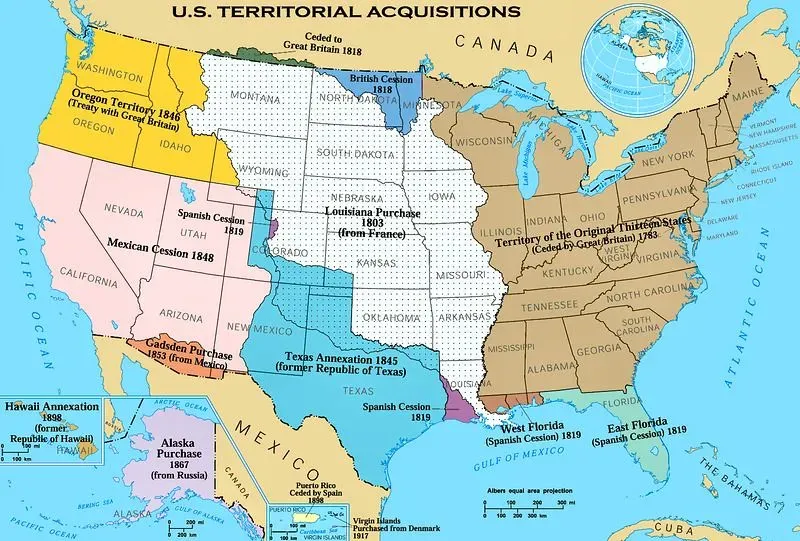
Napoleon Bonaparte made plenty of famous mistakes, but selling the Louisiana Territory to America in eighteen oh-three might be his most consequential. France needed money for European wars, and Napoleon figured the territory was too far away to defend anyway. So he sold roughly eight hundred thousand square miles of land for about fifteen million dollars. Seemed practical at the time.
Here’s the thing. That land included most of the Great Plains, vital access to the Mississippi River, and resources that would later make America a superpower. Napoleon traded control of the North American interior for what amounted to pocket change in historical terms. He handed the United States the geographic foundation for continental dominance without really thinking through the long-term implications.
If France had kept Louisiana, North American history would look completely different. No westward expansion as we know it. Potentially ongoing European power struggles on the continent. Instead, one rushed financial decision during wartime gave America the territory that transformed it from a coastal nation into a continental empire. Napoleon probably spent more time planning individual battles than he did considering this sale.
The Japanese Decision to Attack America

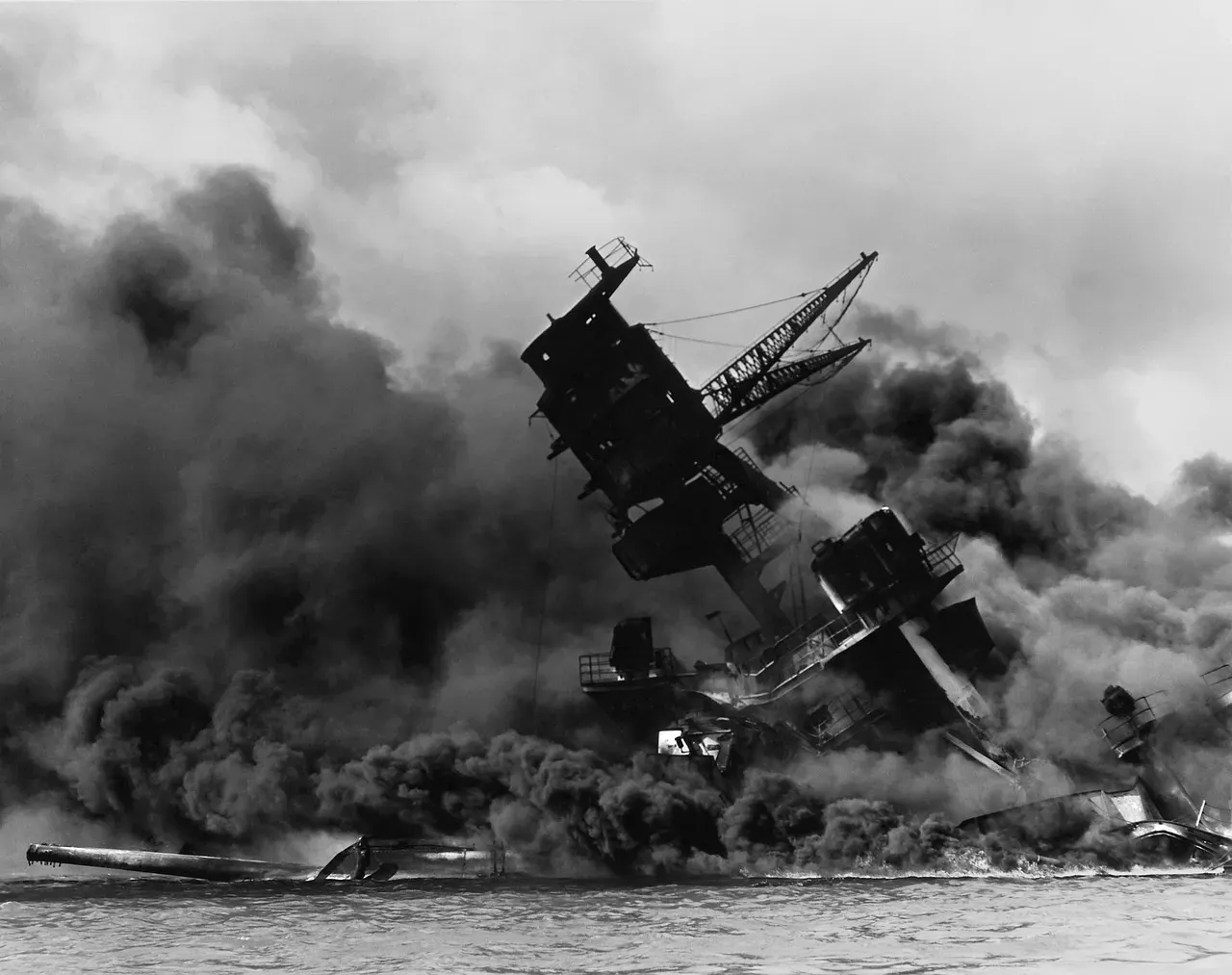
Japanese military leaders in nineteen forty-one faced a difficult situation. American embargoes were strangling their economy. They needed resources from Southeast Asia. But attacking those territories meant war with America, a country with ten times Japan’s industrial capacity. Multiple advisors warned this was suicide. Admiral Yamamoto himself predicted that Japan could fight successfully for maybe six months before American industrial power crushed them.
They attacked anyway. The reasoning combined desperation, pride, and a fundamental misunderstanding of American resolve. Japanese leadership thought a devastating first strike would demoralize America into negotiating peace. Instead, it unified American public opinion and triggered exactly the industrial mobilization that Yamamoto had feared. Within four years, Japan was in ruins.
The miscalculation was so complete it’s almost hard to believe. They gambled everything on their opponent surrendering quickly, despite all evidence suggesting that wouldn’t happen. It’s one of history’s clearest examples of hope overriding analysis, and it cost Japan everything they were trying to protect.
The Conclusion That History Keeps Teaching


These mistakes share common threads. Arrogance. Short-term thinking. Ignoring warnings from people who actually understood the situation. Throughout history, disasters didn’t usually result from a lack of information. They came from powerful people dismissing information that contradicted what they wanted to believe. The library curators who cut funding. The Chinese emperor who scrapped the fleet. Stalin ignoring his spies. Xerox executives focused on copiers.
What makes these stories particularly relevant now is that we’re still making similar mistakes. Climate scientists have been warning us for decades. Public health experts tried to prepare us for pandemics. Technology specialists keep explaining AI risks and cybersecurity vulnerabilities. The patterns persist because human nature hasn’t changed much. We still prioritize immediate convenience over long-term consequences. We still trust charismatic leaders over boring experts.
The biggest mistakes in history weren’t inevitable. They were choices, often made by smart people who should have known better. Every single one could have been avoided if someone in power had listened to the right warnings at the right time. That’s the lesson history keeps trying to teach us. Whether we’re finally ready to learn it remains to be seen. What do you think? Are we any better at avoiding these patterns now? Tell us in the comments.