You know what drives me crazy? When everyone agrees on something in literature that’s just plain wrong. We’ve all heard the same interpretations of classic characters repeated so many times they feel like gospel truth. The villain is evil, the hero is pure, the monster is monstrous. Except sometimes none of that is actually true.
Classic literature is packed with characters who’ve been wildly misread for decades, maybe even centuries. These aren’t minor misunderstandings either. We’re talking about complete inversions of what the author actually wrote. The worst part? Most people never question these popular readings because, well, that’s just what everyone says.
I’ve spent years reading and rereaching these books, and honestly, the more I dig, the more I realize we’ve gotten so much wrong. Some characters we’ve labeled as monsters deserve our sympathy. Others we’ve celebrated as heroes might actually be the problem. Let’s dive into four of the most egregiously misunderstood and set the record straight.
Frankenstein’s Creature: The Victim We Painted as a Monster

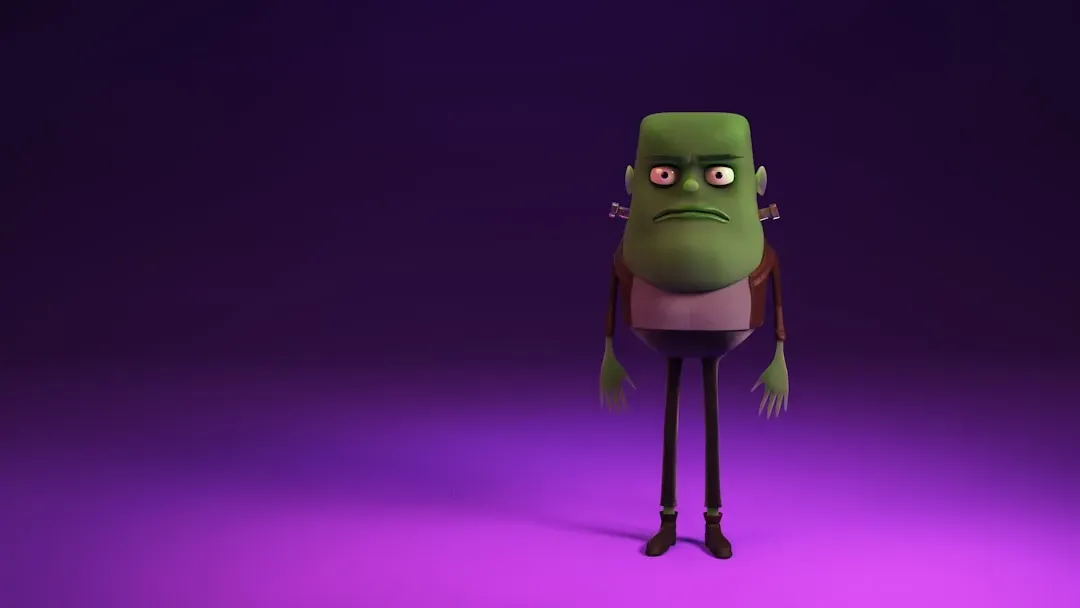
Here’s the thing about Mary Shelley’s creature: he’s not the monster. Victor Frankenstein is. Yet somehow we’ve spent nearly two centuries calling the wrong character by that name. People still say “Frankenstein’s monster” when they mean the creature, completely missing the irony that Frankenstein himself is the true monster of the story.
The creature starts life innocent, curious, and deeply empathetic. He saves a drowning girl and gets shot for his troubles. He learns to read by watching a family through a window, developing genuine emotions and philosophical depth. His violence only emerges after repeated, brutal rejection by literally every human he encounters, including his own creator who abandons him immediately after bringing him to life.
Think about it from his perspective. You wake up alive, alone, with no idea who or what you are. Your creator takes one look at you and runs away in horror. Every person you meet screams or attacks you on sight. You try to help people and they hurt you. You beg for companionship and get rejected. At what point does anyone break?
The creature’s real tragedy is that he’s more human than the humans around him. He shows more compassion, intelligence, and self-awareness than Victor ever does. Yet we remember him as the villain while Victor gets portrayed as some tragic genius. It’s backwards, and it fundamentally misses what Shelley was trying to say about creation, responsibility, and what actually makes someone monstrous.
Shylock: Shakespeare’s Complex Portrait of Persecution

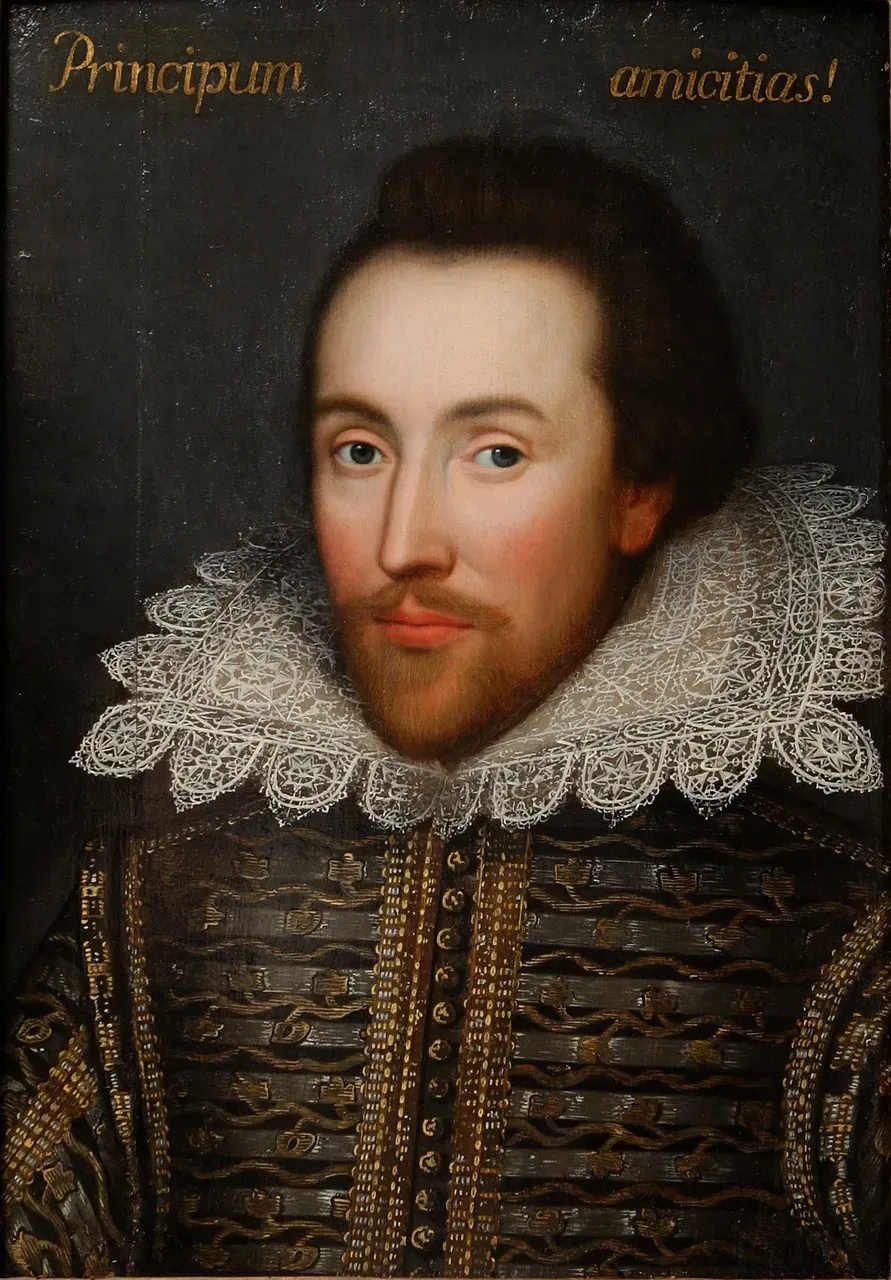
Shakespeare’s Shylock from “The Merchant of Venice” gets reduced to a one-dimensional villain so often it’s almost painful. The greedy Jewish moneylender who demands his pound of flesh. That’s the reputation. The reality? Shylock is one of Shakespeare’s most sympathetic characters if you actually read what he says and understand his context.
Shylock lives in a society that actively persecutes him for his religion. Christians spit on him in the street. They call him dog, insult his faith, and treat him as less than human. Antonio, the play’s supposed hero, has kicked Shylock repeatedly and admits he’ll do it again. Yet Shylock still offers to lend money without interest initially, trying to extend an olive branch.
His famous “Hath not a Jew eyes?” speech is one of the most powerful statements about common humanity and the cruelty of prejudice ever written. Shylock asks if Jews don’t bleed when pricked, laugh when tickled, die when poisoned, just like Christians do. He’s pleading for basic recognition of his humanity. That’s not villainous. That’s heartbreaking.
Sure, Shylock wants revenge. Who wouldn’t after years of abuse and discrimination? His daughter has run off with a Christian, stealing his money and his dead wife’s ring. The Christians he trusted have betrayed him at every turn. His demand for the pound of flesh is extreme, but it comes from a place of profound pain and systematic oppression. The play ends with Shylock being forced to convert to Christianity, losing everything. The supposed comedy concludes with a man being destroyed for his faith. Let’s be real, that’s not exactly heroic behavior from the Christians.
Daisy Buchanan: More Than Just a Careless Rich Girl

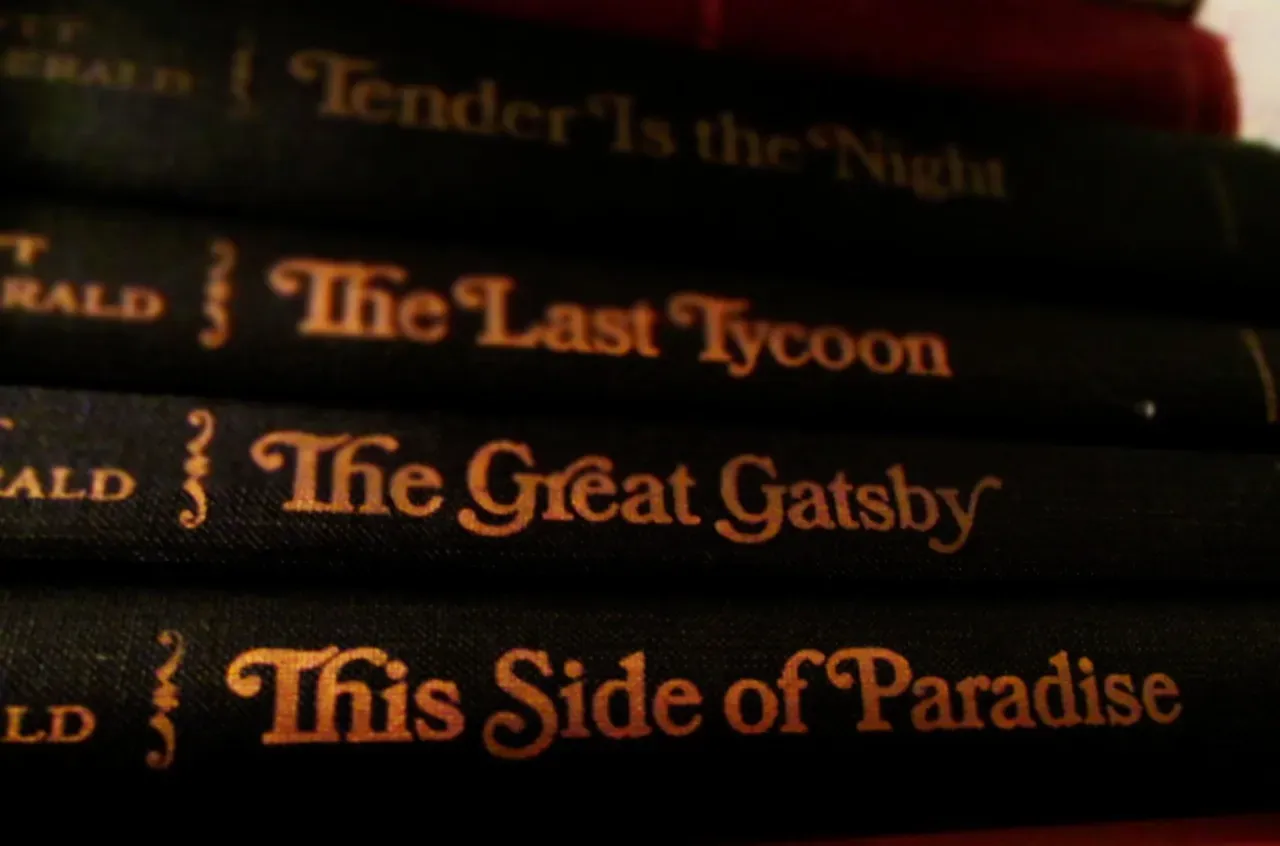
F. Scott Fitzgerald’s Daisy Buchanan gets dismissed as shallow, careless, and ultimately worthless in “The Great Gatsby.” Nick Carraway calls her and Tom “careless people” who “smashed up things and creatures” then retreated into their money. That judgment has stuck for nearly a century. Thing is, it completely ignores Daisy’s actual situation and limited options.
Daisy is trapped in an abusive marriage with a serially unfaithful husband who breaks her nose and flaunts his affairs openly. This is the 1920s. Women couldn’t easily divorce, especially wealthy women whose entire social standing depended on their marriages. She has a young daughter to consider. Her choices aren’t between Gatsby and Tom, they’re between known misery and uncertain chaos.
Gatsby doesn’t actually want Daisy as she really is. He wants the dream girl he invented five years ago. He demands she tell Tom she never loved him, erasing her entire life and her child’s existence. That’s not love. That’s obsession. Gatsby built his entire illegal empire on a fantasy, and Daisy is expected to just go along with it, consequences be damned.
Partner offer

When Daisy hits Myrtle with the car, she’s described as being in shock, frozen, unable to react. Gatsby was driving earlier and encourages the speeding. The accident happens in a moment of panic. Yet Daisy gets blamed for being careless while Gatsby gets romanticized for taking the fall. She’s human, flawed, and trapped. She makes bad choices because all her choices are bad. Reducing her to a villain ignores the systemic constraints on women in that era and the fact that Tom is far worse by any measure.
Satan in Paradise Lost: The Rebel We Shouldn’t Root For

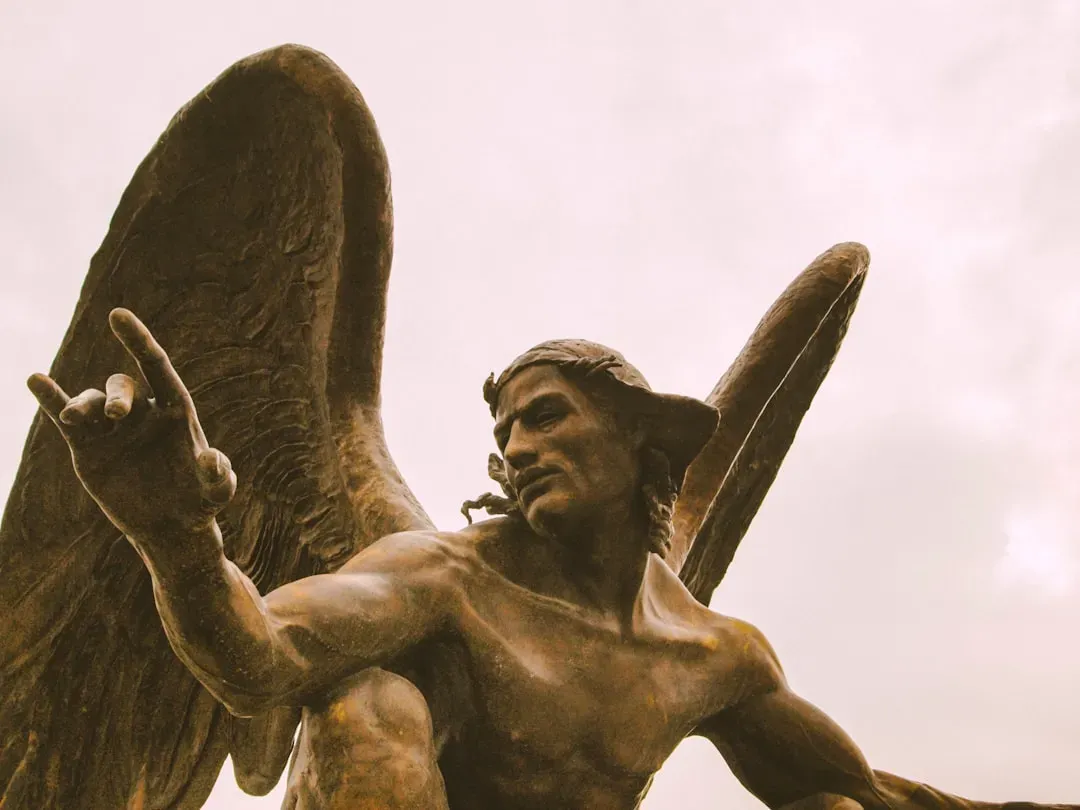
John Milton’s Satan from “Paradise Lost” might be the most dangerously misunderstood character in all of classic literature. Romantic poets made him a hero. Modern readers see him as a freedom fighter rebelling against tyranny. William Blake famously claimed Milton was “of the Devil’s party without knowing it.” Except Milton absolutely knew what he was doing, and Satan is not the hero.
Satan’s speeches are magnificent, no question. “Better to reign in Hell than serve in Heaven” sounds badass. His defiance seems noble at first. He rallies fallen angels with stirring rhetoric about freedom and self-determination. The problem? It’s all manipulation and lies, and Milton shows us that repeatedly if we pay attention.
Satan doesn’t rebel for freedom. He rebels out of pure jealousy and wounded pride when God elevates the Son. He literally cannot stand not being the most important being in existence. Every speech about liberty is undercut by his actions. He enslaves other angels to his cause. He decides to corrupt humanity specifically to hurt God, fully admitting he’s destroying innocent beings out of spite.
Milton gives us Satan’s internal thoughts, and they’re ugly. Satan himself admits his arguments are hollow. He acknowledges God’s justice and his own wrongness multiple times when alone. Then he goes right back to his prideful rebellion because he can’t admit defeat. That’s not heroic. That’s pathological narcissism.
The seductive power of Satan’s rhetoric is exactly Milton’s point. Evil doesn’t announce itself with cackling villainy. It presents itself as reasonable, justified, even noble. Satan is a warning about how pride and resentment can dress themselves up as principle. Treating him as a hero completely misses what Milton spent twelve books trying to show us about the nature of corruption and the danger of charismatic lies.
Why We Keep Getting It Wrong


These misreadings aren’t random. They tell us as much about ourselves as about the characters. We simplify complexity because it’s easier. We accept popular interpretations because questioning them feels pretentious. We see what we expect to see instead of what’s actually on the page.
Sometimes the misreadings come from adaptations that flatten the source material. How many people have actually read “Frankenstein” versus just knowing the Boris Karloff movie? Other times cultural biases blind us. “The Merchant of Venice” gets misread partly because of centuries of antisemitism shaping how audiences view Shylock.
The beauty of classic literature is that these texts are rich enough to withstand scrutiny. They contain multitudes. Characters like Daisy or Shylock or the creature aren’t simple because real people aren’t simple. They’re products of their circumstances, shaped by systemic forces, making choices within limited options. Treating them as flat stereotypes does a disservice to both the characters and the authors who created them.
Reading more carefully means questioning received wisdom. It means looking at what characters actually say and do, not just what we’re told to think about them. It means considering context, examining whose perspective shapes the narrative, and recognizing that unreliable narrators exist just like they do in modern fiction.
These four characters deserve better than the reputations they’ve inherited. The creature deserves recognition as a victim of abandonment and cruelty. Shylock deserves to be seen as a man driven to extremes by persecution. Daisy deserves acknowledgment of the impossible position she occupied. Satan deserves to be recognized as the cautionary figure Milton intended, not the romantic hero later generations invented.
What’s amazing is that you can read these books multiple times and find new layers with each reading. That’s the mark of truly great literature. It doesn’t give up its secrets easily. It challenges us to think harder, look closer, and question our assumptions. Maybe that’s uncomfortable sometimes. Good literature should be.
So what do you think? Have you been guilty of misreading any of these characters? Are there other classic literary figures you think deserve a second look? Tell us in the comments.
Partner offer
Planning a trip to Vegas?
Compare hotel rates and show tickets on VEGAS.com.