Most of us have been there. It’s past midnight, your phone is six inches from your face, and you’re scrolling through something that could absolutely wait until tomorrow. Your eyes burn a little. You blink. You keep going. It’s a ritual so common it barely registers as a problem anymore.
Yet the science building around that nightly habit is becoming harder to ignore. Researchers, ophthalmologists, and sleep specialists are piecing together a picture that links our glow-in-the-dark scrolling culture to something more lasting than a rough morning. What exactly are we doing to our eyes? Let’s find out.
What Blue Light Actually Is (And Why It’s Everywhere)
Blue light refers to the high-energy wavelengths emitted by electronic devices such as smartphones, tablets, and computer screens. It’s not some exotic lab phenomenon. It’s the exact same type of light that pours out of the device in your hand right now.
Light-emitting diodes (LEDs) are widely used in modern lighting and electronic devices, including smartphones, computer monitors, tablets, televisions, and vehicle lights. Blue light hazards to eye health have received increasing attention because white LED bulbs emit higher levels of blue light than traditional lighting sources. In other words, modern life has quietly soaked us in blue light from every direction.
In the visible spectrum, short-wave blue light with a wavelength between 415 nm and 455 nm is closely related to eye light damage. This high energy blue light passes through the cornea and lens to the retina, causing diseases such as dry eye, cataract, and age-related macular degeneration, while also stimulating the brain, inhibiting melatonin secretion, and enhancing adrenocortical hormone production, which will destroy the hormonal balance and directly affect sleep quality.
How Much Screen Time Are We Actually Clocking?
Here’s the thing – the numbers on daily screen use are genuinely staggering. The estimated average number of daily screen hours for U.S. adults is over seven hours per day, with many workers and students well exceeding this threshold. That’s basically a full working shift, except the “work” is sending memes and reading news at 1 a.m.
Roughly half of U.S. teenagers aged 12 to 17 report at least four hours of daily recreational screen time on weekdays alone. On weekends, that number climbs even higher. And adults are not doing much better.
People spend an average of seven hours per day on digital screens, which indicates that the human eye may spend more than 40 percent of waking hours in a blue-light-rich environment. Think about that ratio for a second. Nearly half of every waking moment, staring straight into high-energy light.
Digital Eye Strain: The Epidemic Nobody Talks About
Computer Vision Syndrome is a growing health concern in the digital age, with a reported prevalence of roughly 69 percent of the population. That means about two out of every three people reading this article right now likely deal with it in some form.
The COVID-19 pandemic significantly amplified CVS due to increased screen time for remote work, online learning, and social media use, with studies reporting symptoms in up to nearly three quarters of individuals. The pandemic basically turbocharged a problem that was already quietly spreading.
Hundreds of studies in over 20 countries have collectively shown that two of every three knowledge workers have some degree of Digital Eye Strain. This isn’t fringe science. It’s a finding replicated across continents, cultures, and job types.
The Blinking Problem You Never Knew You Had
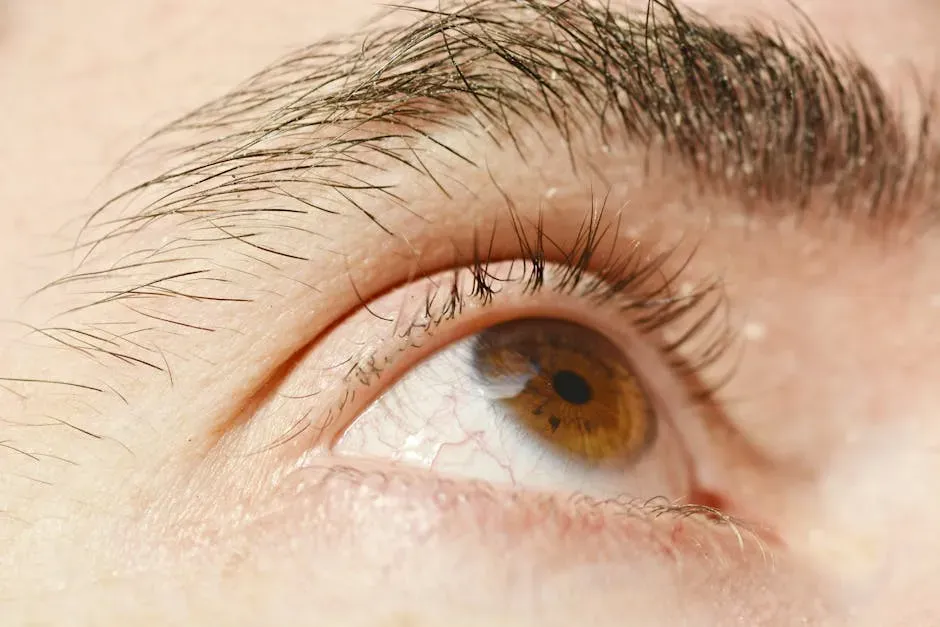
One of the most underrated contributors to screen-induced eye fatigue is something absurdly simple: you stop blinking. Your eyes blink less frequently when you look at screens. Normal blinking spreads tears across your eye surface to keep it moist and comfortable. When you stare at a screen, your blink rate can drop by more than half.
When we concentrate on screens, we blink approximately one-third less frequently than normal, reducing the natural lubrication our eyes need. This decreased blinking rate leads to the characteristic dry, irritated sensation that many patients describe. It’s a bit like forgetting to water a plant and then wondering why it looks sad.
When you look at screens, your eye muscles must constantly adjust to maintain clear vision at close distances. This sustained near focus becomes exhausting over time, especially when you do it for hours without breaks. Combine the blinking drop with that sustained muscle effort, and you have a recipe for real discomfort.
Melatonin, Circadian Rhythms, and the Night Scroll Trap
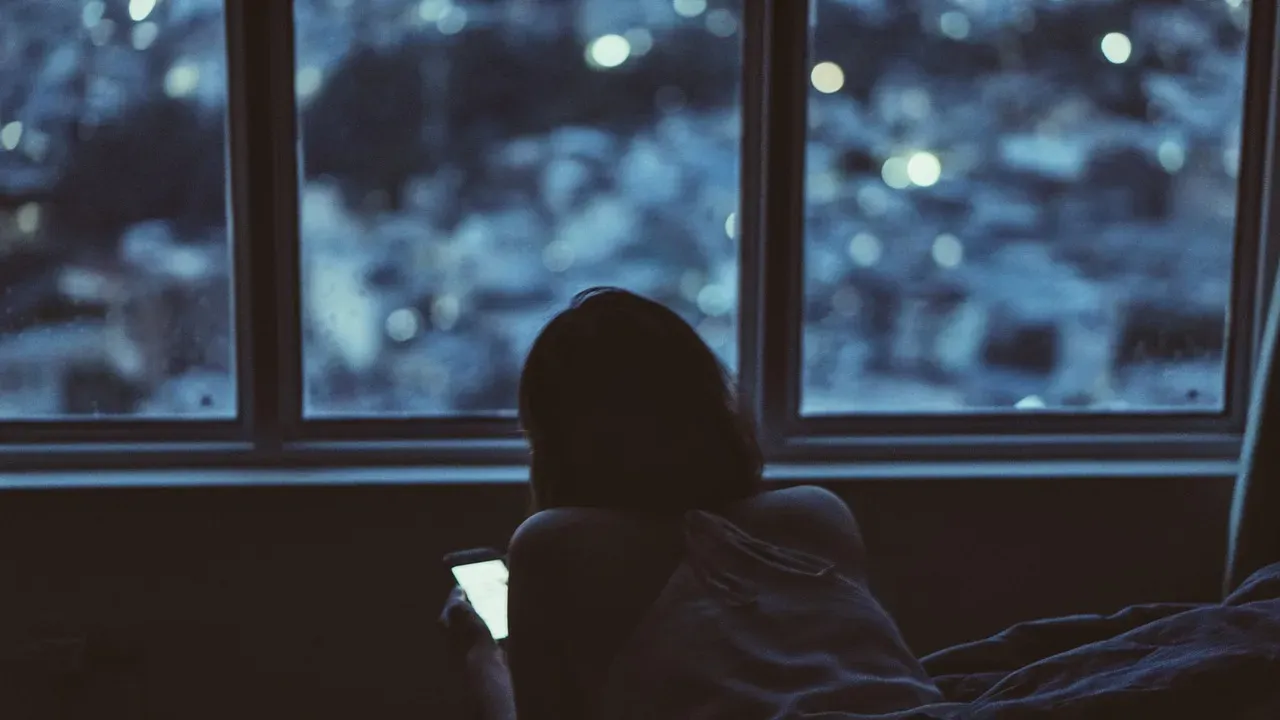
This is where late-night scrolling moves beyond tired eyes and starts affecting your entire biology. Evening exposure to blue light suppresses melatonin, delays circadian phase, and prolongs sleep onset latency, impairing sleep quality. That phone you’re staring at is actively telling your brain it’s still daytime.
Experimental studies show that even short periods of evening tablet or smartphone use significantly reduce melatonin and shift its onset, resulting in later bedtimes and shorter sleep duration. Blue light after dusk exerts a potent alerting effect, reinforcing wakefulness and circadian misalignment, and chronic exposure may cumulatively contribute to insufficient and irregular sleep, with adverse consequences for cognition, mood, and metabolic health.
Following a two-hour exposure to an LED tablet, students exhibited a 55 percent decrease in melatonin and an average melatonin onset delay of 1.5 hours compared to reading a printed book under low light. That’s not a subtle effect. That is a dramatic hormonal disruption caused by something millions of people do every single night.
Retinal Cells Under Fire: What the Research Shows
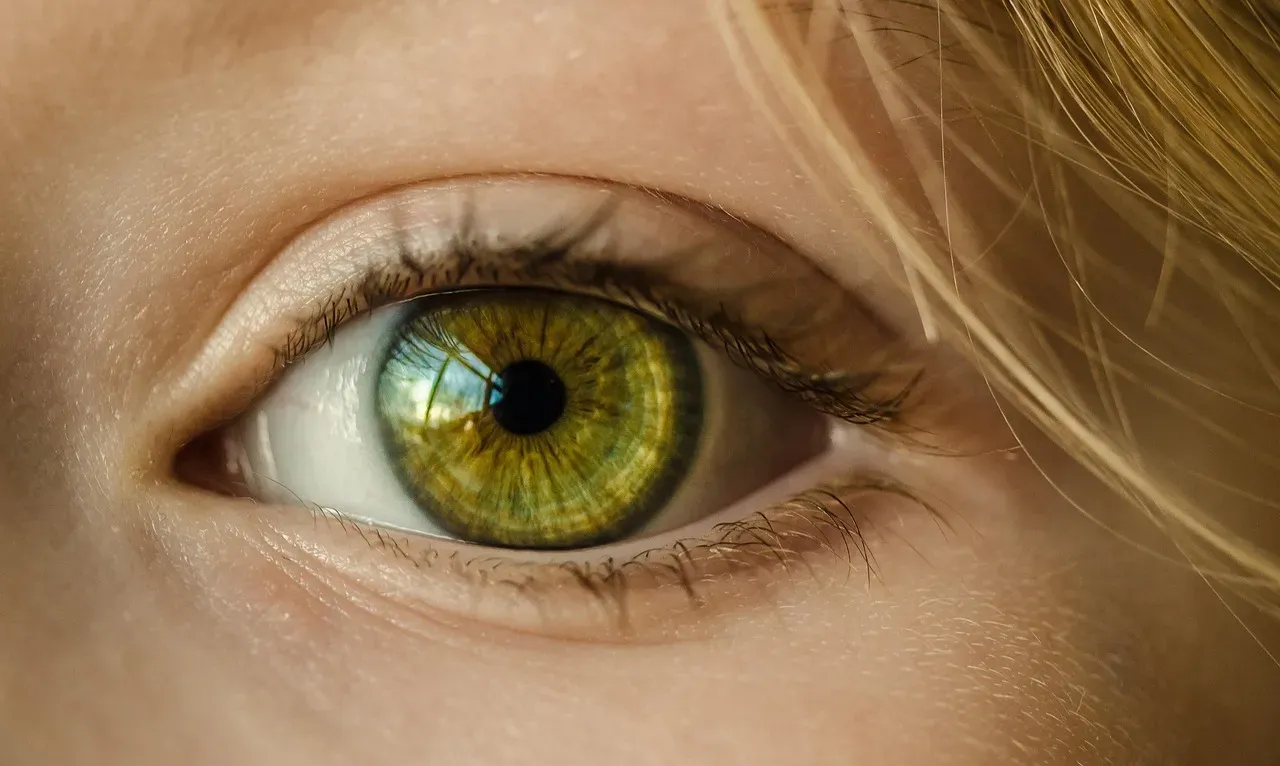
Honestly, this is the part that surprised me most when digging through the research. The blue light wavelengths within sunlight can negatively impact the physiology of light-sensitive retinal cells, including retinal pigmented epithelium (RPE) and photoreceptors.
Research in the field indicates that chronic exposure to blue light in the range of 400 to 490 nm may affect the function of photoreceptors and RPE due to its high energy, and contribute to the pathogenesis of AMD. Age-related macular degeneration, a leading cause of blindness in older adults, is being linked to the same wavelengths your phone puts out every night.
However, it’s important to stay honest about where the science currently stands. Evidence from clinical studies remains inconclusive and a definitive link between blue light from screens and retinal damage has yet to be fully established. The biological mechanisms are real and concerning. Whether typical screen use causes the same kind of damage seen in lab models is still being actively studied.
The Myopia Pandemic and Screen Time’s Role
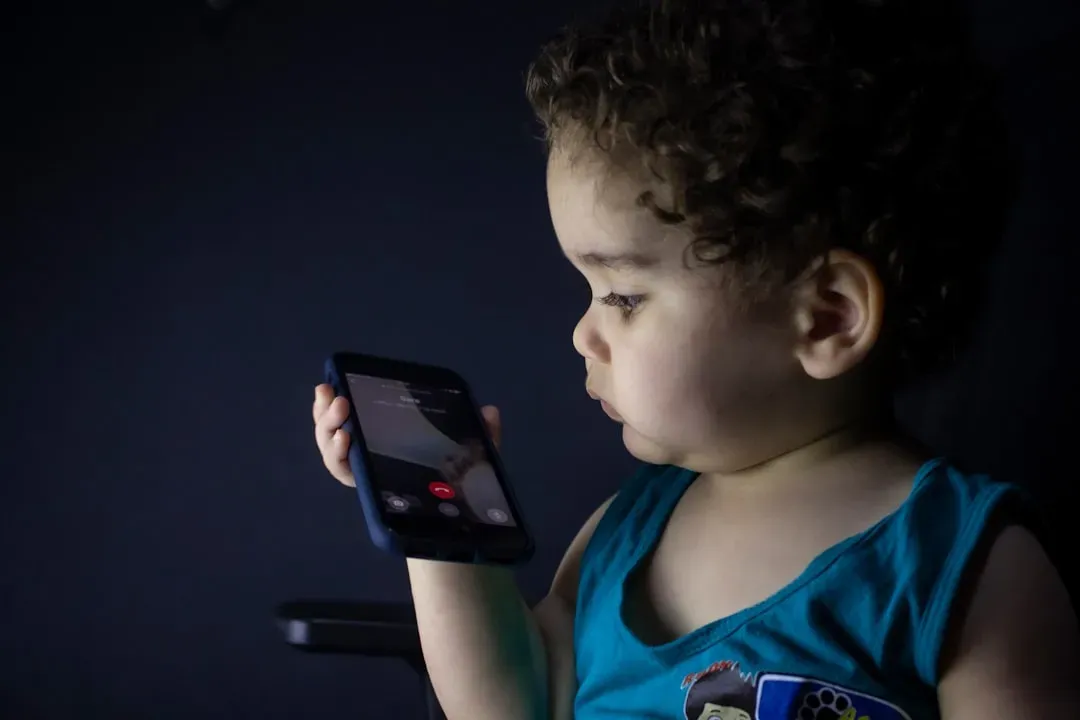
There is a global surge in nearsightedness happening right now, and researchers are connecting it directly to our screen habits. A systematic review and dose-response meta-analysis of 45 studies involving over 335,000 individuals revealed a significant dose-response association of screen time with the odds of myopia. Myopia risk increased significantly from one to four hours of screen time and then rose more gradually thereafter. This was published in JAMA Network Open in February 2025.
Current evidence indicates a strong correlation between prolonged screen use and the incidence of dry eye disease, computer vision syndrome, and myopia. Neurocognitive impacts include circadian rhythm disruption due to blue light exposure, sensory overload, mental fatigue, and early signs of attentional deficits.
Because of blue light’s short wavelength, the focus is not located in the center of the retina but rather in the front of the retina, so that long exposure time to blue light causes a worsening of visual fatigue and nearsightedness. The shape of how your eye processes blue wavelengths is literally working against you during those late-night sessions.
The Economic Weight of Eye Strain You Never See Coming
Let’s be real – most people don’t take digital eye strain seriously because it doesn’t feel like a “real” medical issue. It feels like a minor annoyance. The economic data paints a very different picture.
Screens lead to health consequences ranging from digital eye strain or computer vision syndrome to headaches, back and neck pain. When these symptoms are unmanaged, they cost an estimated 151 billion dollars to the U.S. health system, worker productivity, and wellbeing in 2023. That is not a rounding error. That is a staggering national cost driven substantially by preventable habits.
For employers, the impact of Digital Eye Strain extends beyond individual health concerns and affects productivity, healthcare expenses, musculoskeletal disorder incidence, and overall employee well-being. The downstream consequences of ignoring this problem ripple far beyond tired eyes at the end of the day.
Children and Teens: The Most Vulnerable Eyes in the Room

If the adult numbers are concerning, the data on younger users is outright alarming. Research utilizing the Ocular Surface Disease Index questionnaire revealed that nearly 90 percent of Indian children aged 9 to 14 exhibited dry eye symptoms, with severity directly proportional to screen time.
A variety of scientific studies have shown that blue light exposure, especially before bedtime, can create circadian disruptions and inhibit melatonin secretion in the brain, which ultimately results in deteriorated sleep quality and duration. Sleep deprivation in duration and quality is reflected in negative effects on mood, learning memory, and academic performance of students from middle school to college.
Children’s eyes are also structurally more vulnerable. Blue light had stronger suppression effects on melatonin, particularly in younger participants. The developing visual system simply has fewer defenses against sustained high-energy light exposure, making habits formed in childhood potentially the most damaging of all.
Practical Strategies That Actually Work

Okay, so we’ve established that late-night scrolling has a real cost. The good news is the interventions are not complicated. Recent research published in 2024 examining blue light exposure’s effects on circadian rhythms found that evening blue light exposure from electronic devices can substantially suppress melatonin production and disrupt sleep quality. The study demonstrated that implementing digital curfews two hours before bedtime improved sleep efficiency and reduced daytime fatigue.
For more restful sleep, set devices to night or dark mode in the evening. This setting lowers screen brightness, and its warm colors are less likely to confuse your body into thinking it’s daytime. It takes about three seconds to switch. There is genuinely no reason not to do it.
Research found that “cool” white LED lamps induce considerably greater melatonin suppression than “warm” white LED, “warm” white CFL, or traditional incandescent lamps. This applies to your room lighting too, not just your phone screen. Switching to warmer bulbs in your bedroom at night is a small change with meaningful biological effects. Many patients find equal or better relief from proper breaks, workspace optimization, and correcting underlying vision problems than from expensive gadgets or specialized lenses alone.
We are living through an unprecedented mass experiment on human vision, and most of us signed up without reading the terms. The science is clear enough to act on, even where it isn’t yet definitive. So, next time you reach for your phone at midnight, ask yourself: is whatever you’re about to scroll through really worth the cost to your eyes, your sleep, and your long-term health? What would you change about your screen habits if you took this research seriously?