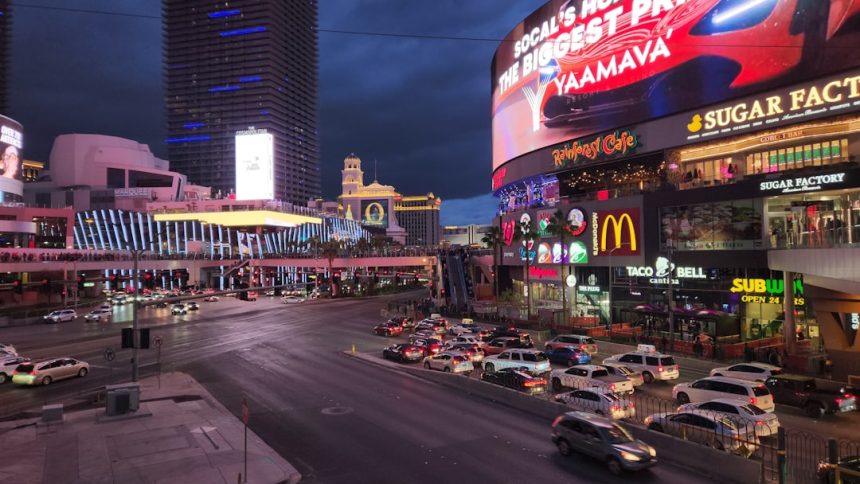
There’s a corner in Las Vegas that never sleeps, never quiets down, and never gives you a polite moment to collect yourself. It sits at the southern end of the Strip, where Tropicana Avenue and Las Vegas Boulevard collide in a near-constant surge of vehicles, tourists, taxi drivers, and electric scooters. Most people stumble into it unprepared. This guide is for everyone who doesn’t want to be that person.
The Intersection That Earned Its Title

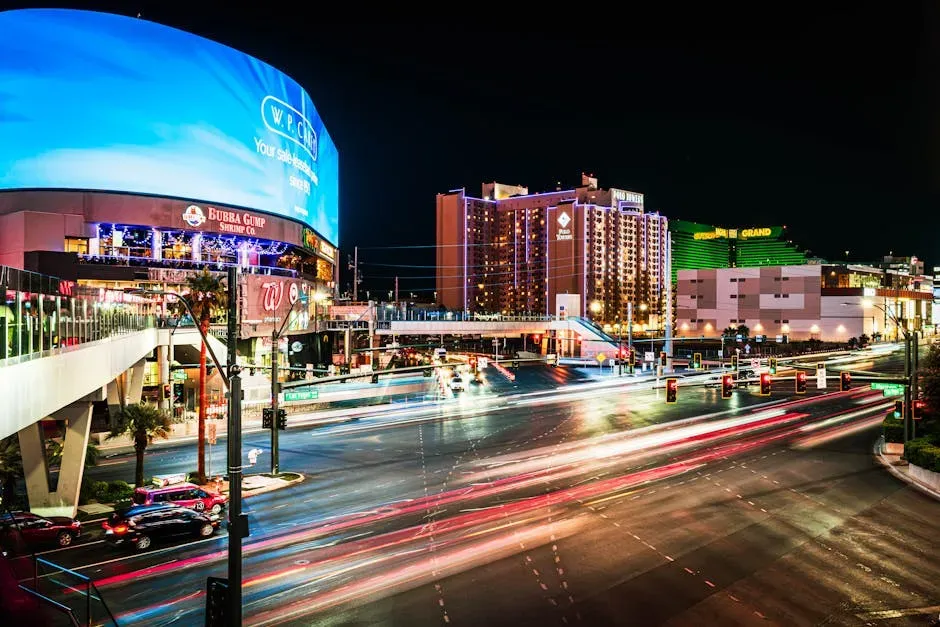
The intersection of Las Vegas Boulevard and Tropicana Avenue has been cited as the busiest street intersection in the world. That’s not marketing language. It’s a confluence of geography, tourism, highway access, and casino density that no other crossroads on earth currently replicates. Tropicana Avenue is the main local street into Harry Reid International Airport and the first major exit from I-15 to the Strip for traffic heading north from the Los Angeles and San Diego areas. That alone makes it extraordinary. Add tens of thousands of daily tourists on foot, and the math becomes staggering.
The Four Corners and What They Hold

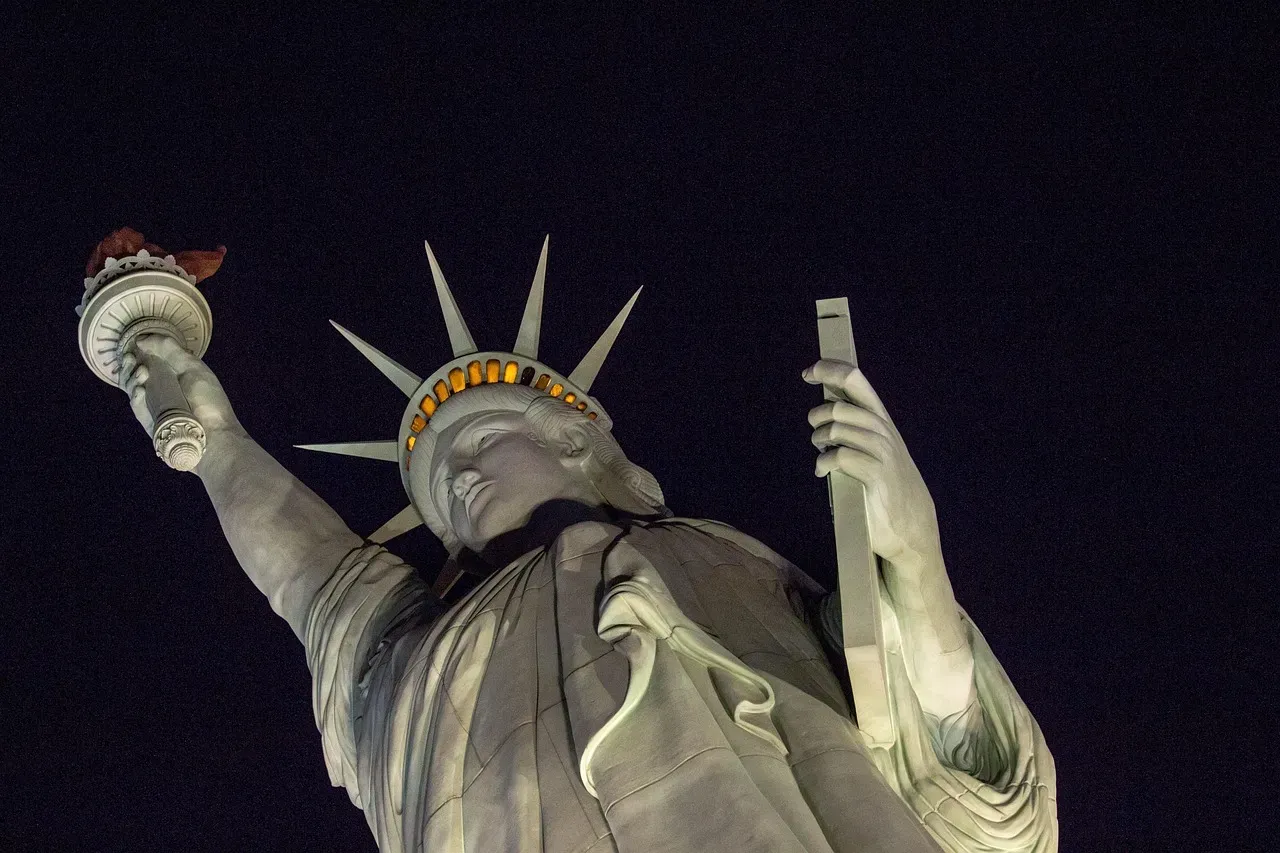
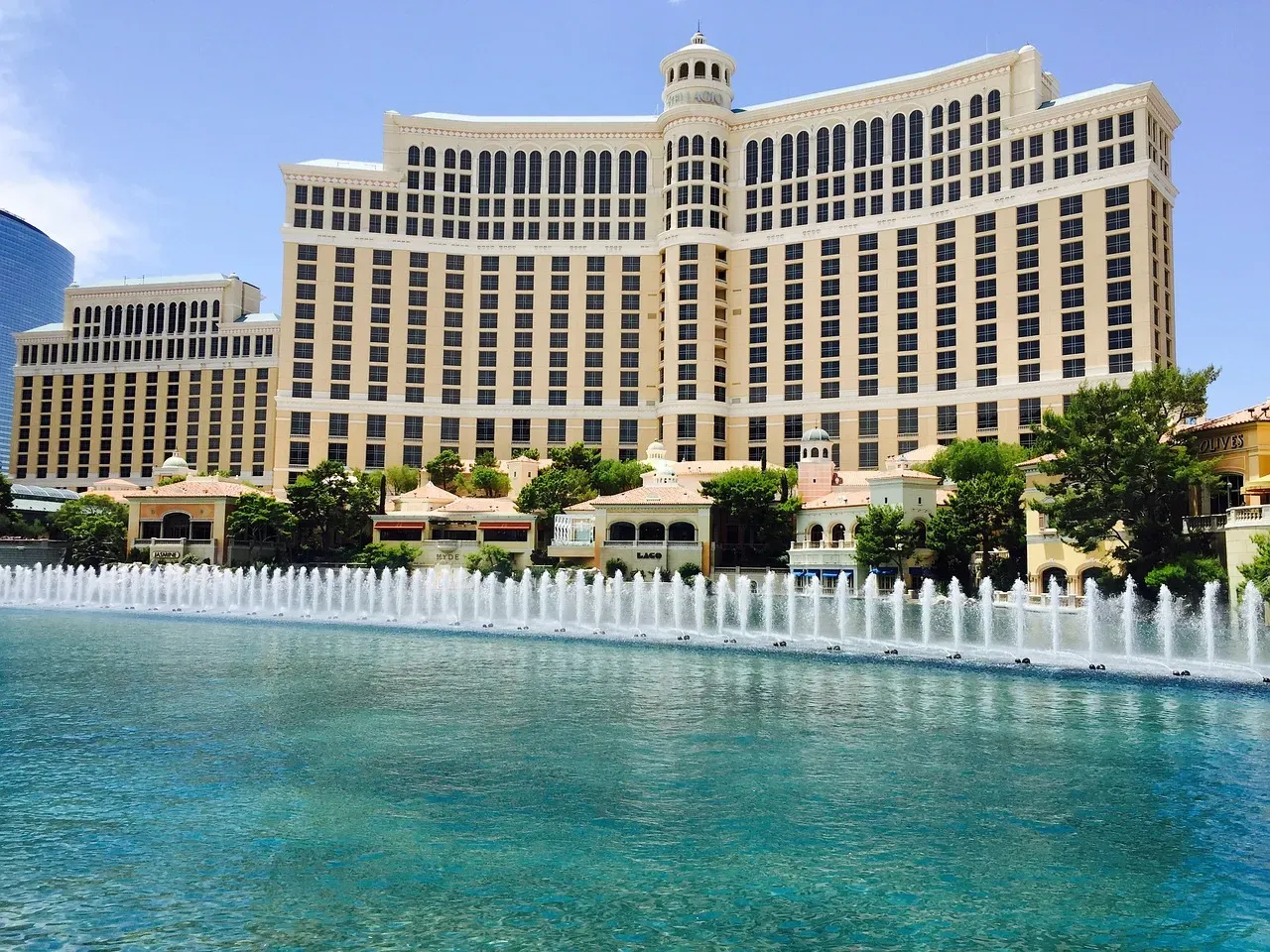
The Tropicana and Las Vegas Boulevard intersection is noteworthy for several reasons. It was the first intersection in Las Vegas completely closed to street level pedestrian traffic, and its four corners are home to three major resorts: Excalibur Hotel and Casino, New York-New York Hotel and Casino, and MGM Grand Las Vegas, the latter of which has 5,044 rooms and was once the largest hotel in the world.
The fourth corner was home to the Tropicana, which Tropicana Avenue is named after. It closed on April 2, 2024, and was demolished by implosion on October 9 to make way for a new Bally’s Las Vegas and a new baseball stadium for the Athletics after they relocate to Las Vegas. It’s a strange thing to watch an iconic building vanish from a corner that defined a city’s identity for nearly seven decades. The intersection still carries its name, though the resort that gave it one is gone.
Why You Cannot Cross at Street Level
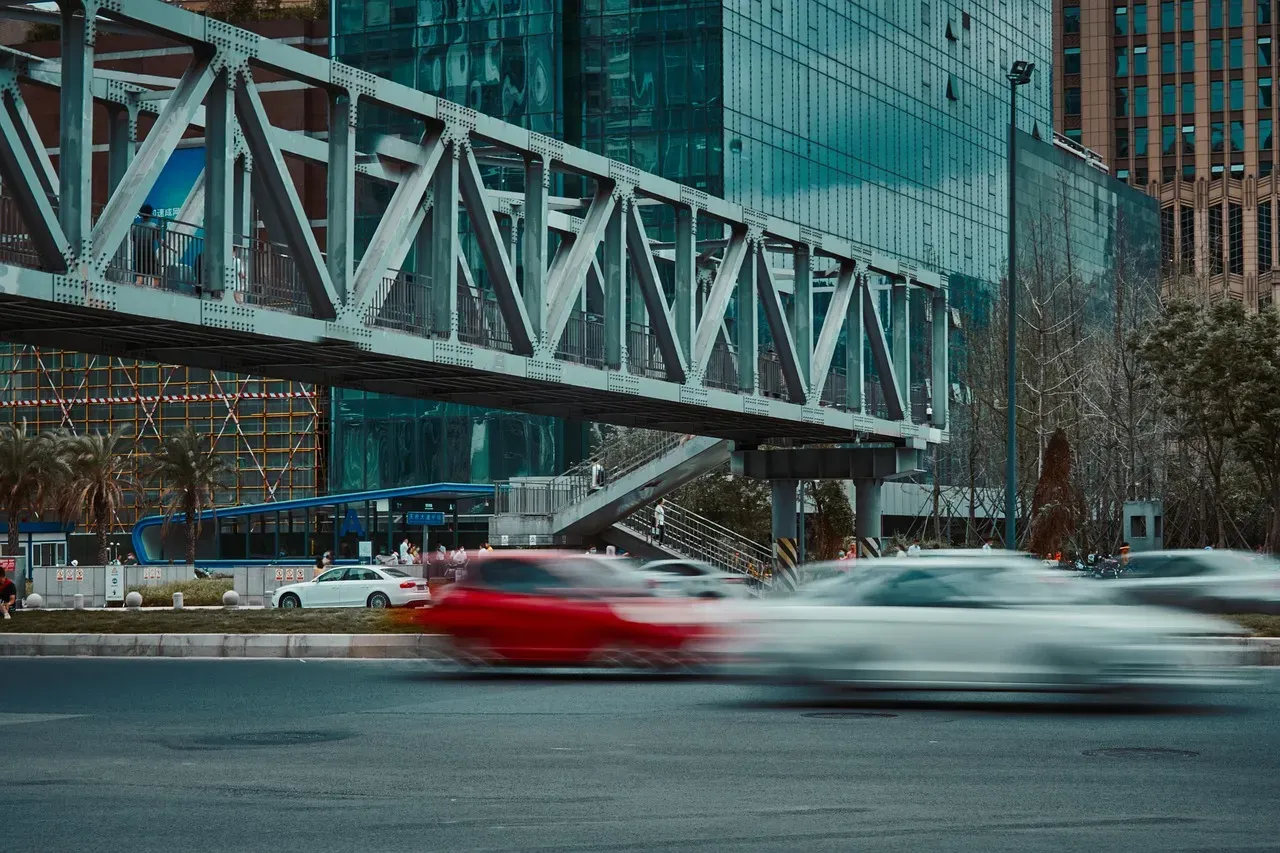
The streets are wide, the traffic is heavy, and it’s busy around the clock. Crossing this intersection on foot at ground level is simply not possible: all sides are fenced, and pedestrians can only get across by using the overpass bridges provided, some equipped with escalators. This wasn’t always the case. It was a deliberate decision made after years of rising accidents and fatalities.
Clark County officials decided that the only solution to reducing crashes at this intersection, while improving pedestrian and vehicular traffic flow, would be to separate the vehicles and pedestrians entirely. Tunnels were considered, but being enclosed and underground posed extra security risks. Uncovered walkways over the streets, using escalators and elevators for access, was selected as the best solution. It was an unusual choice for its time, and it worked.
The Pedestrian Bridges: How They Were Built and What They Cost

Construction began in 1993 on four open-air pedestrian walkways, one bridging each leg of the intersection, with platforms at the ends providing elevator and escalator access between the street and walkway level. The project included barricades between the sidewalks and streets in the vicinity of the intersection, eliminating the at-grade crosswalks.
The first overpass on the Strip was completed in 1995 due to the high volume of pedestrian and vehicular traffic, to increase pedestrian safety. The first bridges were installed at Tropicana Avenue, connecting MGM Grand to New York-New York to Excalibur to the Tropicana. Renovations to the four pedestrian bridges at Las Vegas Boulevard and Tropicana Avenue began in June 2016, allowing for new escalators, tempered-glass panes, aluminum panels, and lighted handrails. The $30.2 million makeover was primarily funded by the Las Vegas Convention and Visitors Authority.
The Numbers That Put It All in Perspective
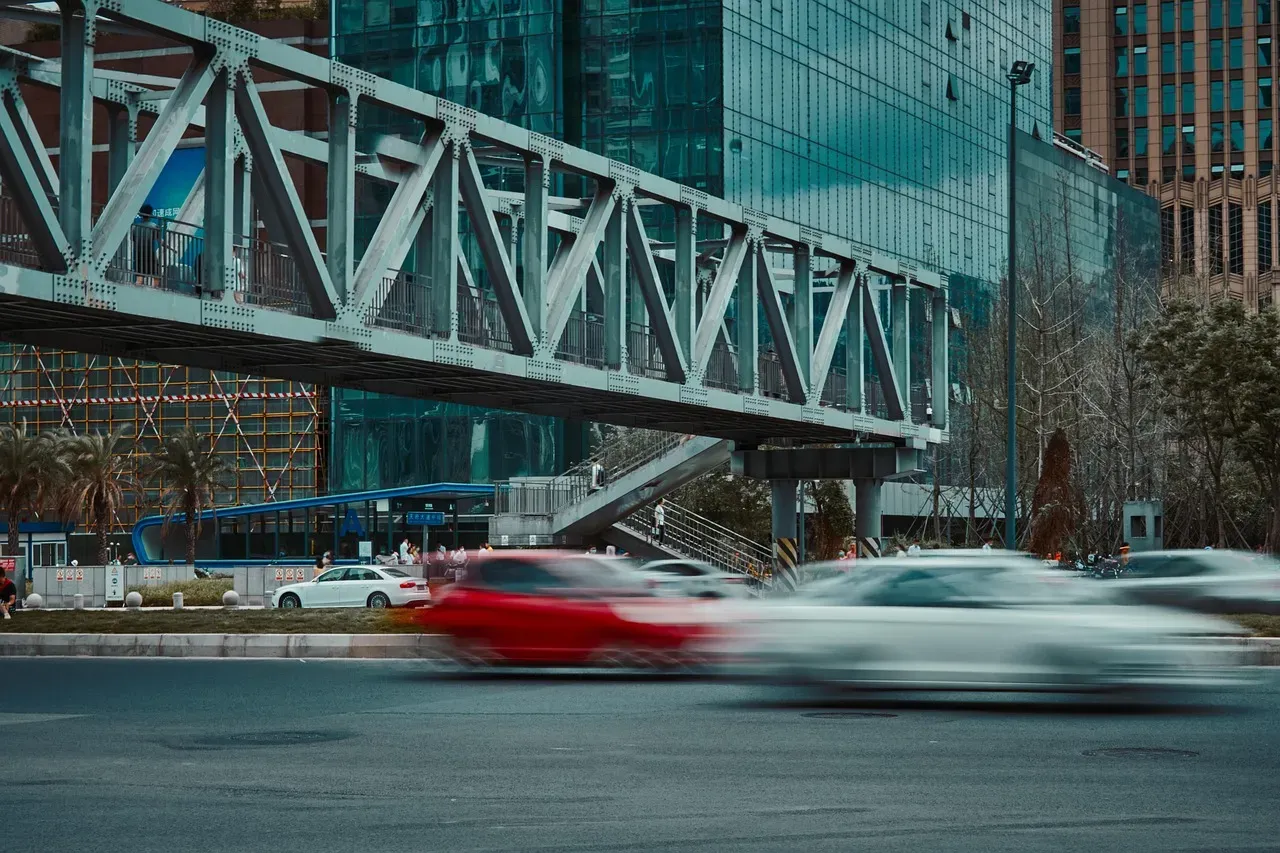
The pedestrian bridge at this intersection serves roughly 130,000 visitors a day. That’s a figure worth sitting with for a moment. More than 130,000 people moving across a single overpass structure on an average day. An average of 72,000 vehicles pass through the intersection daily. Between the foot traffic above and the vehicle traffic below, the sheer volume of human movement here has few comparisons anywhere on the planet.
Over 640,000 people live in Las Vegas, but over 42 million tourists also take to the unfamiliar streets while on vacation. A meaningful share of those tourists pass through this exact corner, usually without a clear plan for navigating it. Knowing what to expect before you arrive makes a substantial difference.
The Bridge Infrastructure Up Close
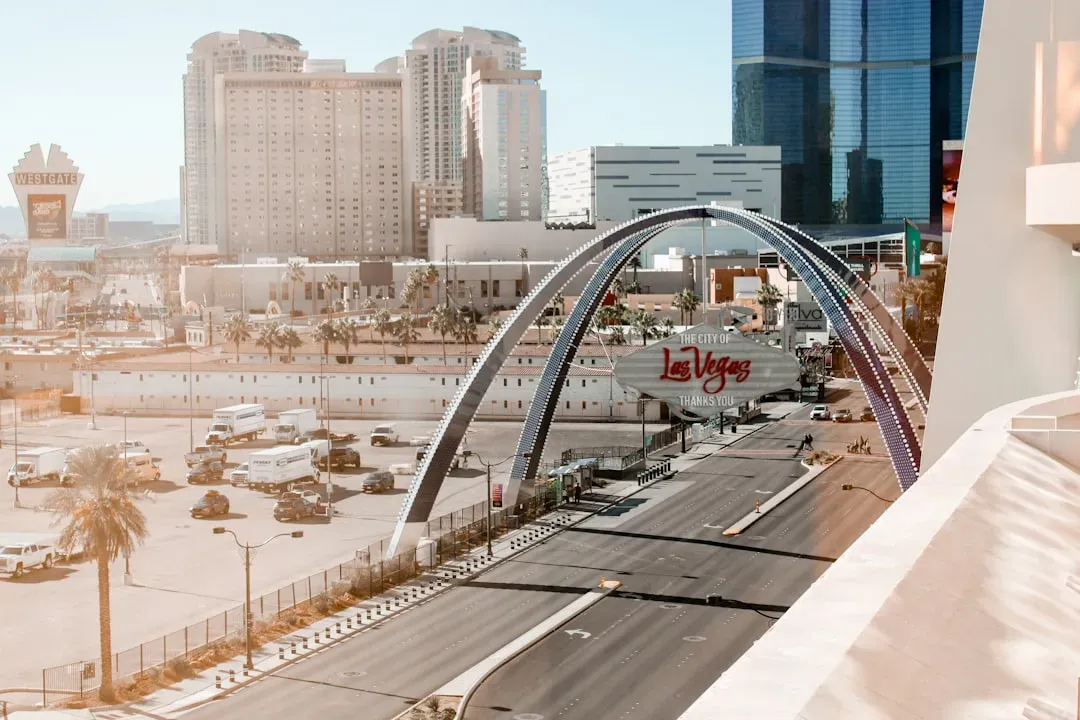
Clark County Public Works has designed and constructed various bridges on the Resort Corridor. The bridges provide safe movement for visitors and relieve traffic congestion created by the mix of large numbers of pedestrians and vehicles along Las Vegas Boulevard. These pedestrian bridges feature wide, straight paths and glass barrier walls supported by steel beams. Each bridge has an ADA-compliant elevator and escalator access, making them accessible to all tourists and visitors.
The bridge features low-energy glass that protects against both harsh sun and wind, eight air-conditioned elevators, and new lighted hand railings, providing maximum visitor comfort and safety. That last detail matters more than it sounds. Summer temperatures in Las Vegas regularly push past 110 degrees Fahrenheit, and the air-conditioned elevators offer a brief but real reprieve for visitors who underestimate the heat.
Road Safety: What the Data Tells Us

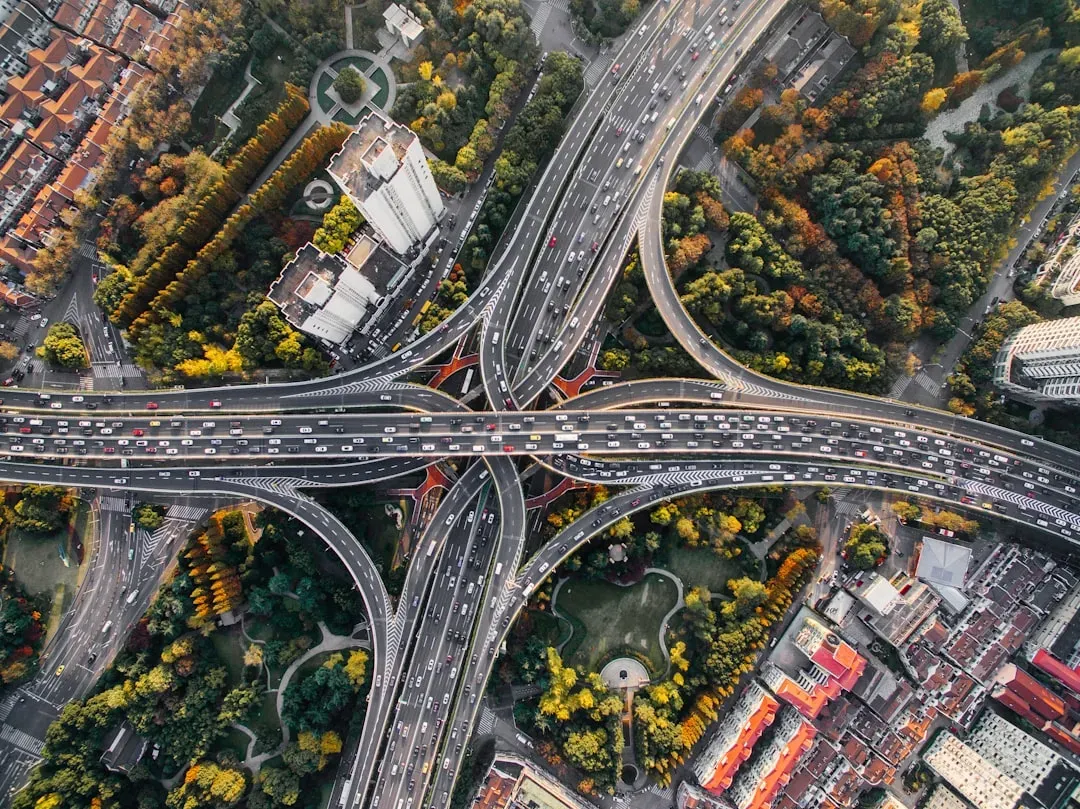
According to the Nevada Office of Traffic Safety statewide federal report, 412 lives were tragically lost on Nevada roadways in 2024. That marks a 5.64% increase from the previous year, and unfortunately, these numbers continue to climb into 2025. The broader Tropicana corridor carries its own share of risk. Tropicana Avenue serves as a vital connector for the Strip and Harry Reid International Airport. Its heavy traffic, high-speed limits, and distracted drivers create hazardous conditions. Sudden stops and lane changes are common causes of collisions.
According to statistics, the most common reason for car accidents in Las Vegas is distracted driving and speeding. For pedestrians on the bridges, the risk profile is different but still real. Crowds, narrow walkways during peak hours, and inattentive walkers looking at their phones rather than the path ahead all contribute to minor injuries. Stay aware, especially during weekend evenings.
The Ongoing I-15 and Tropicana Infrastructure Project

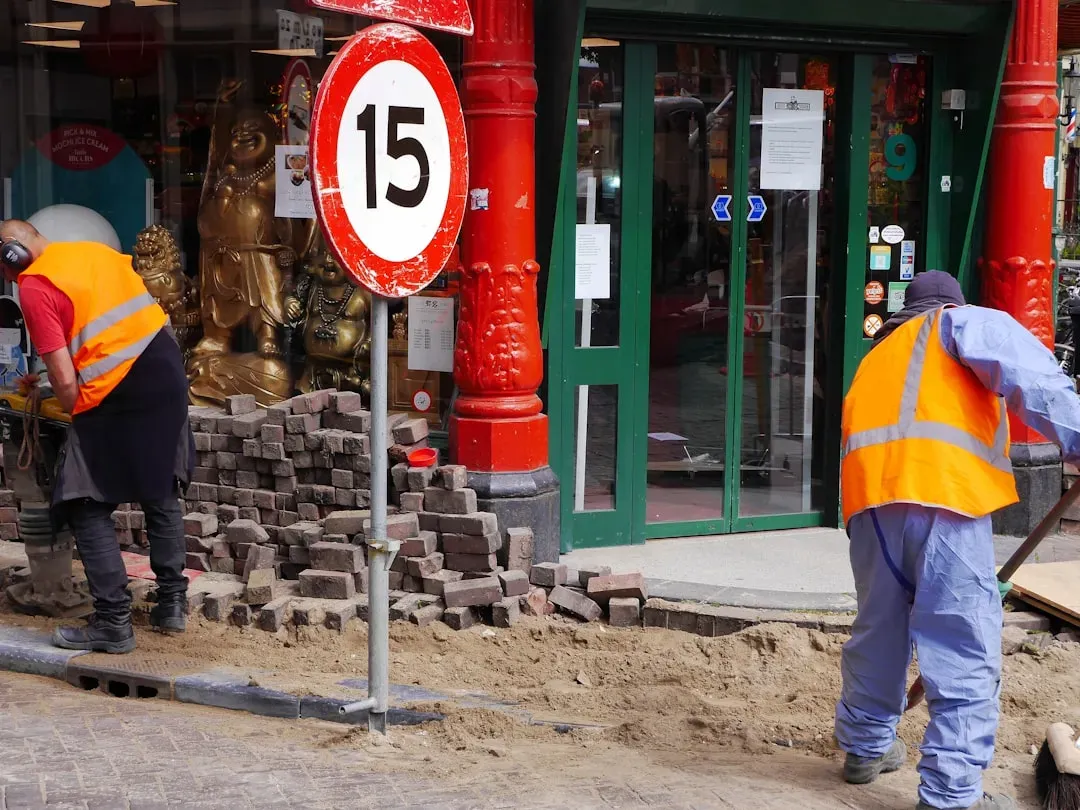
Construction on NDOT’s I-15 Tropicana Interchange Project started in 2022. This project will widen Tropicana, construct new bridges, realign Dean Martin Road under I-15, add capacity, and improve traffic operations. Located at the heart of the resort corridor, the I-15 and Tropicana Avenue interchange serves as the gateway to the Las Vegas Strip. The project reflects just how much pressure this corridor is already under, and how much more it will need to handle once construction of the new stadium and resort complex reaches full swing.
Each phase of the Las Vegas Boulevard improvement project includes water line replacement, new pavement, intersection modifications to improve pedestrian crossings, upgrades to traffic signals, LED street lighting systems with smart poles, and enhanced median landscaping. These upgrades are happening in stages, which means visitors in 2026 will likely encounter some lane restrictions or adjusted pedestrian paths in sections near the intersection. Checking navigation apps before traveling through the corridor is genuinely useful.
What’s Rising on the Old Tropicana Corner

On April 2, the Tropicana Las Vegas closed after 67 years. On October 9, 2024, the Tropicana Hotel was demolished by implosion, and site-leveling efforts ensued. What replaces it will transform this corner into something entirely new. The New Las Vegas Stadium is the project name of an indoor ballpark under construction on the site of the former Tropicana Las Vegas on the Las Vegas Strip. It is to be the home venue of the Las Vegas Athletics of Major League Baseball upon their move to the city in 2028. The stadium is projected to cost $2 billion, including $380 million from taxpayers.
Bally’s total plan calls for 3,000 rooms, a 90,000 square-foot casino, 110,000 square feet of meeting space, restaurants and retail outlets, and a day club behind the outfield. Work on the A’s $2 billion ballpark is well underway, with work continuing on the first two levels. A’s officials have said the project is on time and on budget for completion in 2028. This corner is set to become even more densely packed with visitors than it already is. That’s a fact worth absorbing.
Practical Tips for Surviving the Intersection Like a Pro

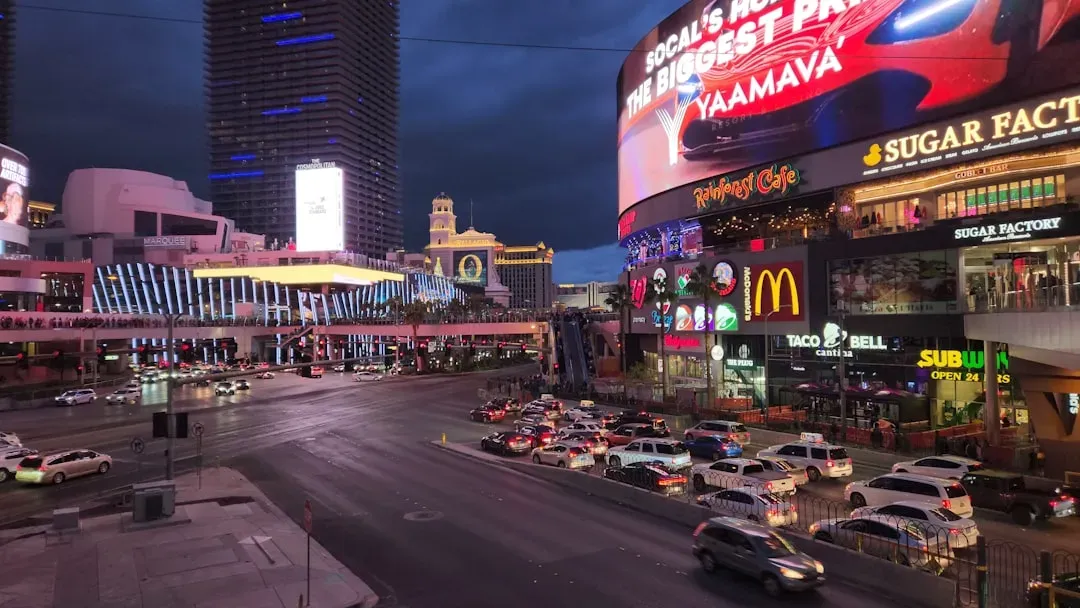
For those visiting the famous Las Vegas Strip, a mix of buses, taxis, monorails, and feet will get you most places. At the Tropicana intersection specifically, your feet will always take you to a bridge, never a ground-level crossing. Although the escalators are sometimes not running, the elevators and escalators are rarely both out of service at the same time at any of the intersections. Stairs are always an option if neither is working, so pace yourself.
Plan your route before stepping out of your hotel. The bridges connect MGM Grand, New York-New York, and Excalibur in a loop, so if you know which property you’re heading toward, you can walk across via the bridge rather than doubling back on the sidewalk. Getting around Las Vegas can take longer than anticipated thanks to giant hotel acreage, often slow traffic, and large numbers of people exploring. At this intersection especially, building in extra time is less of a suggestion and more of a necessity.
A Corner That Keeps Reinventing Itself
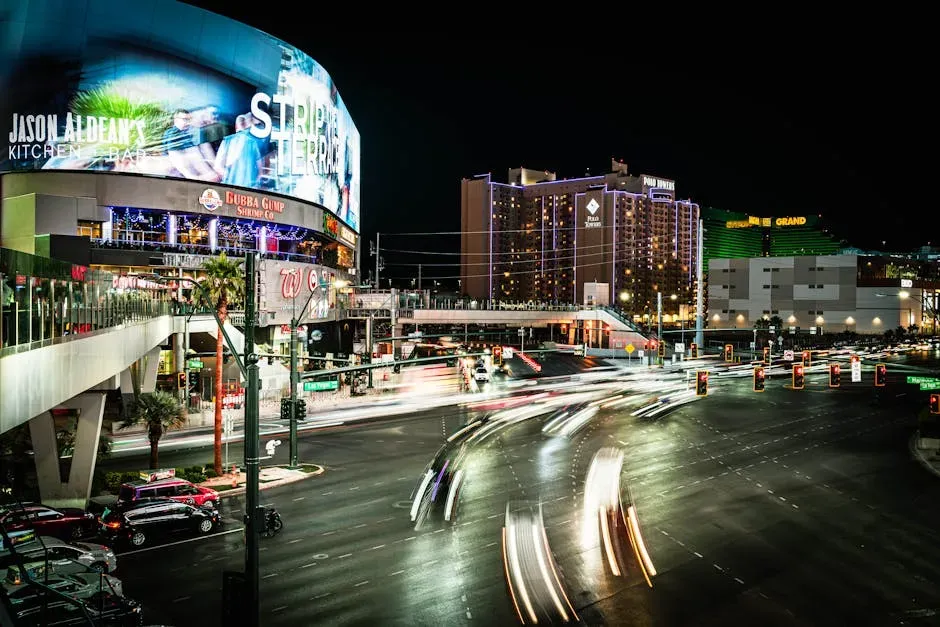
The Tropicana and Las Vegas Boulevard intersection has witnessed the Strip evolve through several distinct eras. It hosted the city’s first pedestrian overpass system in 1995, survived decades of record-breaking foot traffic, and is now watching a 67-year-old casino icon give way to a Major League Baseball stadium. Few intersections anywhere in the world carry that kind of layered history.
What makes it genuinely fascinating beyond the statistics is what it represents: a city that keeps building on top of itself, never fully discarding the old but never staying still either. Whatever this corner looks like by 2028, it will still be, in all likelihood, the busiest intersection in the world. Only the skyline around it will have changed.