The Cuban Missile Crisis: Thirteen Days on the Brink
For thirteen days in October 1962, the world teetered on the edge of nuclear war. Russian officials later revealed that 162 nuclear weapons had been stationed in Cuba when the crisis broke out, far more than American intelligence understood at the time. Nuclear missiles positioned just 90 miles south of Florida were capable of quickly reaching targets across the eastern United States.
Kennedy ordered the Strategic Air Command into DEFCON 2, one step short of nuclear war, with 66 B-52s carrying hydrogen bombs constantly airborne. The confrontation is widely considered the closest the Cold War came to escalating into full-scale nuclear war. The resolution came through secret negotiations and a tense naval blockade, but it left an indelible mark on both superpowers.
Stanislav Petrov’s Choice: The Man Who Saved the World

On September 26, 1983, the Soviet nuclear early warning system Oko reported the launch of one intercontinental ballistic missile with four more missiles behind it from the United States. Lieutenant Colonel Stanislav Petrov was on duty at the command center when alarms screamed that America had launched a nuclear strike.
He decided to wait for corroborating evidence rather than immediately relaying the warning up the chain of command, a decision that prevented a retaliatory nuclear strike that would likely have resulted in full-scale nuclear war. The false alarms were caused by a rare alignment of sunlight on high-altitude clouds and the satellites’ orbits. One expert later said this was the closest the country had come to accidental nuclear war.
Able Archer 83: When NATO Nearly Triggered Armageddon
In November 1983, NATO conducted a military exercise called Able Archer 83 that simulated a period of heightened nuclear tensions, leading to concerns that it could have been mistaken for a real attack by the Soviet Union. Coming just eleven days after Petrov’s incident, the timing couldn’t have been worse.
Soviet observers spotted planes carrying what appeared to be warheads taxiing out of NATO hangars, and after receiving reports of chemical weapons use, the United States intensified readiness to DEFCON 1, surpassing even the Cuban Missile Crisis alert level. Soviet forces prepared their nuclear weapons for launch in response. A high-level review later concluded that some Soviet forces were preparing to preempt or counterattack a NATO strike launched under cover of Able Archer.
Vasili Arkhipov and Submarine B-59: A Single Vote Against Oblivion
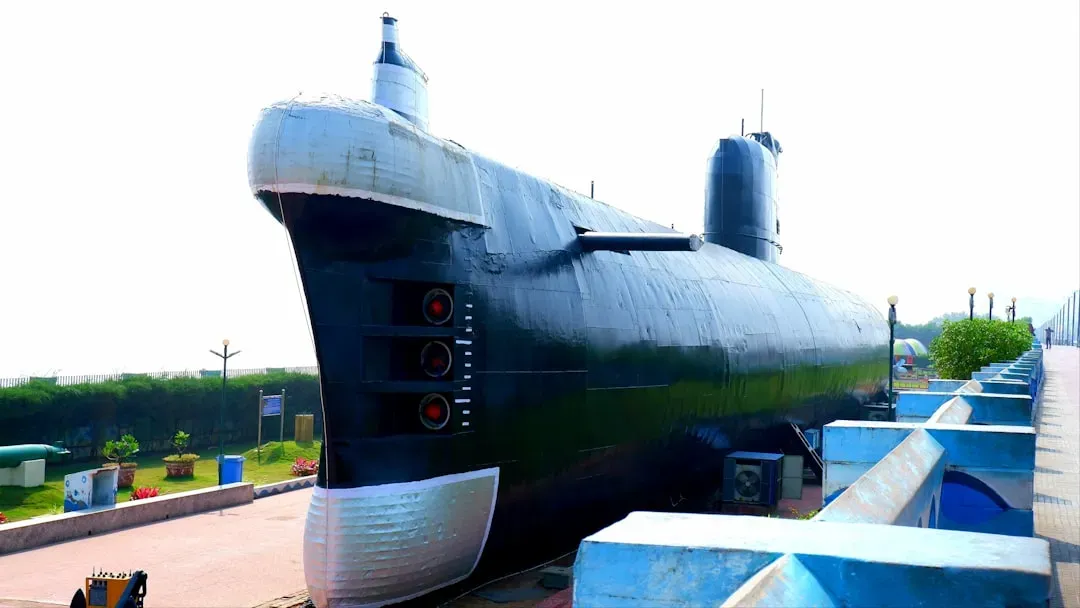
On October 27, 1962, during the Cuban Missile Crisis, the American destroyer USS Beale began dropping depth charges on the nuclear-armed Soviet submarine B-59, and the submarine’s captain mistook them for live explosives. Deep beneath the Caribbean waters, three Soviet officers had to make a unanimous decision about launching their nuclear torpedo.
That same day, a minor incident aboard the submarine might stand as the closest the world has ever come to nuclear war. Two of the three officers voted to launch. Vasili Arkhipov, the only dissenting vote, prevented what would have been a catastrophic escalation. The captain, thinking they were under attack, wanted to retaliate, but required unanimous consent.
The Berlin Blockade: When Hunger Nearly Sparked War

The Berlin Blockade from June 24, 1948, to May 12, 1949, was one of the first major international crises of the Cold War when the Soviet Union blocked the Western Allies’ railway, road, and canal access to West Berlin. The blockade separated two million west Berliners from their normal sources of supply.
American and British air forces landed in Berlin more than 250,000 times, with the peak daily delivery totalling 12,941 tons of supplies. At least 78 people died in airplane accidents during the airlift. At the height of the campaign, one plane landed every 45 seconds at Tempelhof Airport. The Soviets could have shot down these aircraft at any time, but doing so would have meant war.
MacArthur and Korea: The Nuclear Temptation
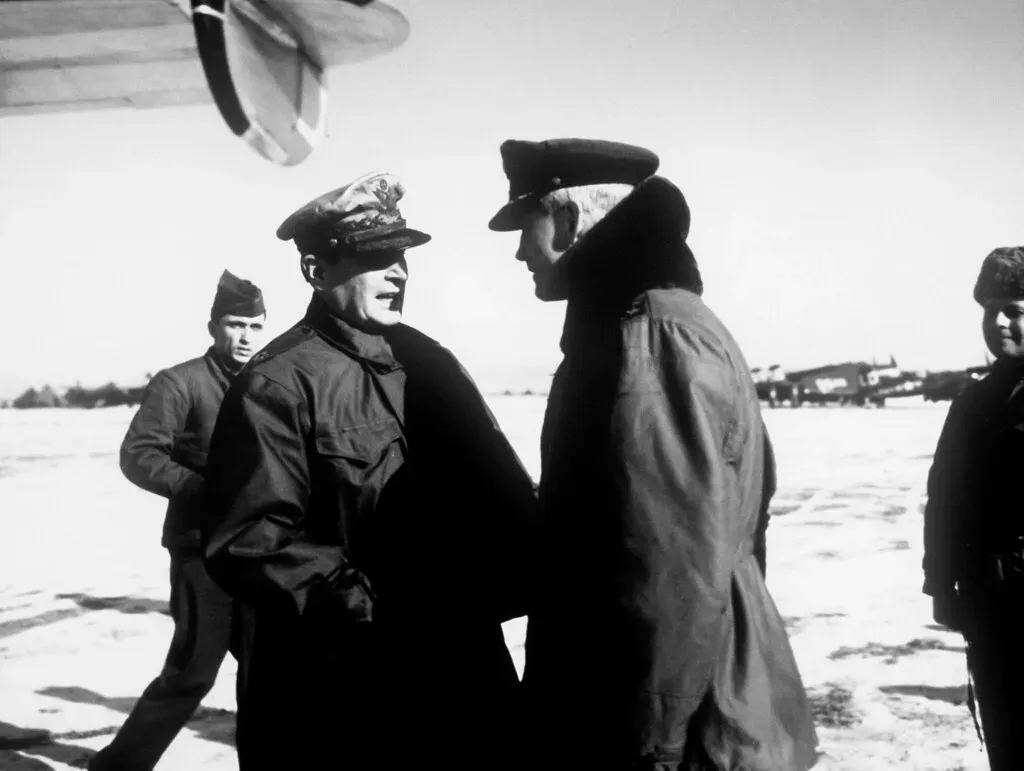
In December 1950, General MacArthur requested field commander’s discretion to employ nuclear weapons and submitted a list of targets in Korea, Manchuria, and China that would require 34 atomic bombs. In a 1954 interview, MacArthur said he would have dropped between 30 to 50 tactical atomic bombs on air bases and depots across Manchuria.
On presidential orders, Strategic Air Command sent atomic-capable B-29s carrying assembled bombs without their plutonium cores to Guam, and for the first time since 1945, atomic bombs were transferred to military custody. President Truman ultimately refused MacArthur’s requests and relieved him of command in April 1951, preventing what could have escalated into World War III.
The 1979 NORAD Computer Glitch: A Training Tape Mistake
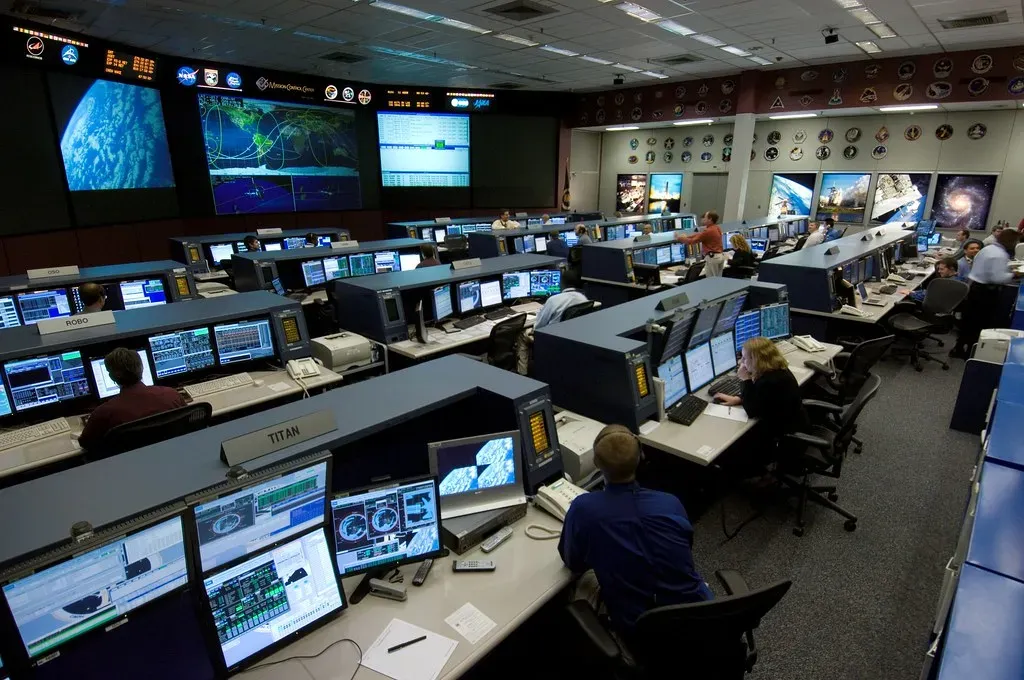
On the morning of November 9, 1979, technicians at Colorado’s North American Aerospace Defense Command received an urgent alert that the Soviets had launched a barrage of missiles at North America. Convinced a nuclear attack was imminent, the U.S. air defense program scrambled 10 interceptor fighter planes, ordered the president’s doomsday plane to take off, and warned launch control to prepare its missiles.
The panic subsided after NORAD consulted satellite data and realized the nuclear warning was a false alarm caused by a technician accidentally running a training program simulating a Soviet attack. Computer chip failures would lead to three more false alarms at NORAD in the following year.
The U-2 Incident Over Soviet Airspace During the Crisis
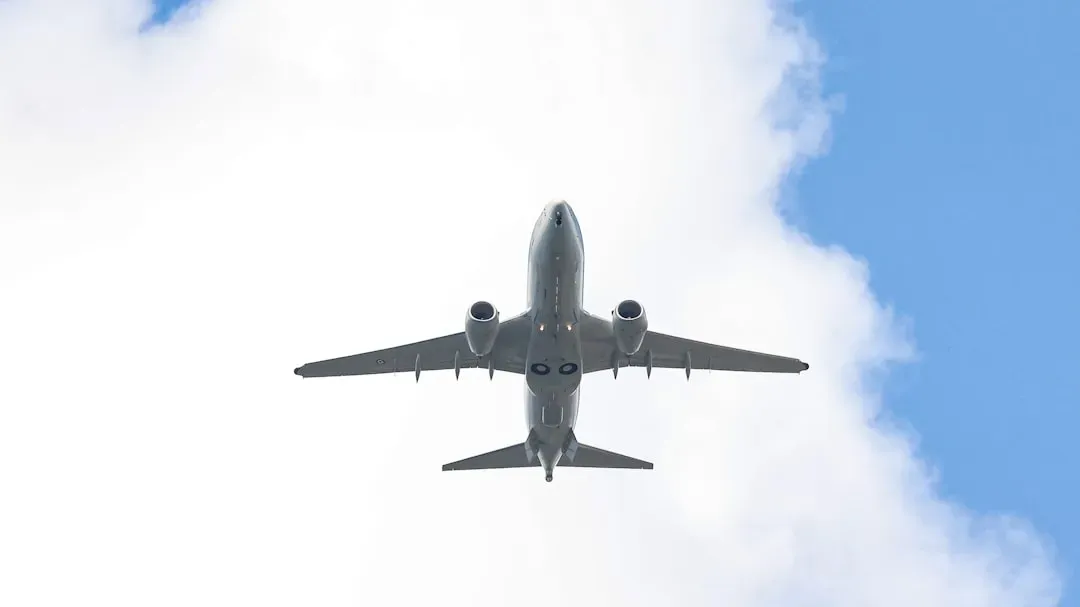
On October 27, 1962, during the Cuban Missile Crisis, an American U-2 spy plane took off from Alaska for a routine reconnaissance mission but pilot Charles Maultsby drifted far off course and inadvertently crossed the border into the Soviet Union. This wasn’t a deliberate provocation, just a navigation error aided by the aurora borealis.
Worried the U-2 could be a nuclear bomber, the Soviets scrambled MiG fighter jets to destroy the intruding aircraft while the Air Force dispatched two F-102 fighters armed with nuclear-tipped missiles to shepherd Maultsby back. Maultsby managed to glide his fuel-depleted U-2 out of Soviet airspace before interception, and Kennedy and Khrushchev found a peaceful resolution to the Cuban Missile Crisis the following day.
The 1961 Berlin Crisis: Tanks Facing Off at Checkpoint Charlie
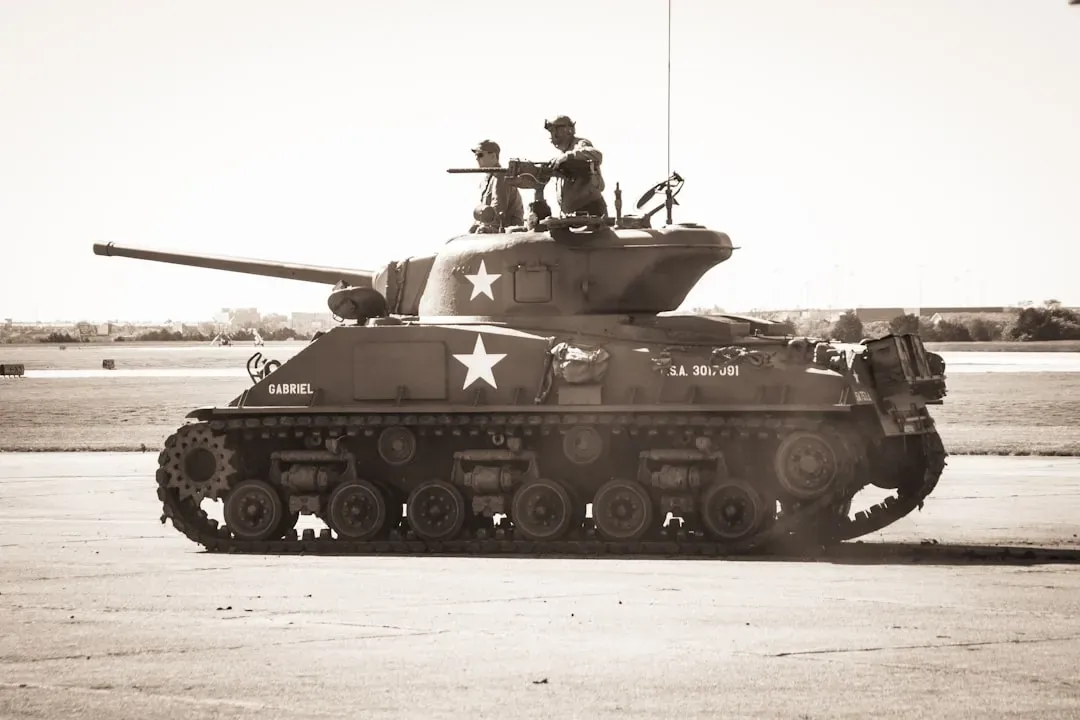
In October 1961, American and Soviet tanks faced each other at point-blank range at Checkpoint Charlie in Berlin. The standoff lasted sixteen hours, with tank commanders authorized to return fire if shots were exchanged. Each side had loaded weapons, crews at the ready.
US warhead-rattling over the Berlin Crisis of 1961 was one of the reasons Khrushchev stationed missiles in Cuba. The tanks eventually withdrew, but the incident demonstrated how a localized confrontation between ground forces could spiral into nuclear confrontation. It was another knife-edge moment where human judgment prevented catastrophe.
The Soviet Shoot-Down of KAL 007: September 1983
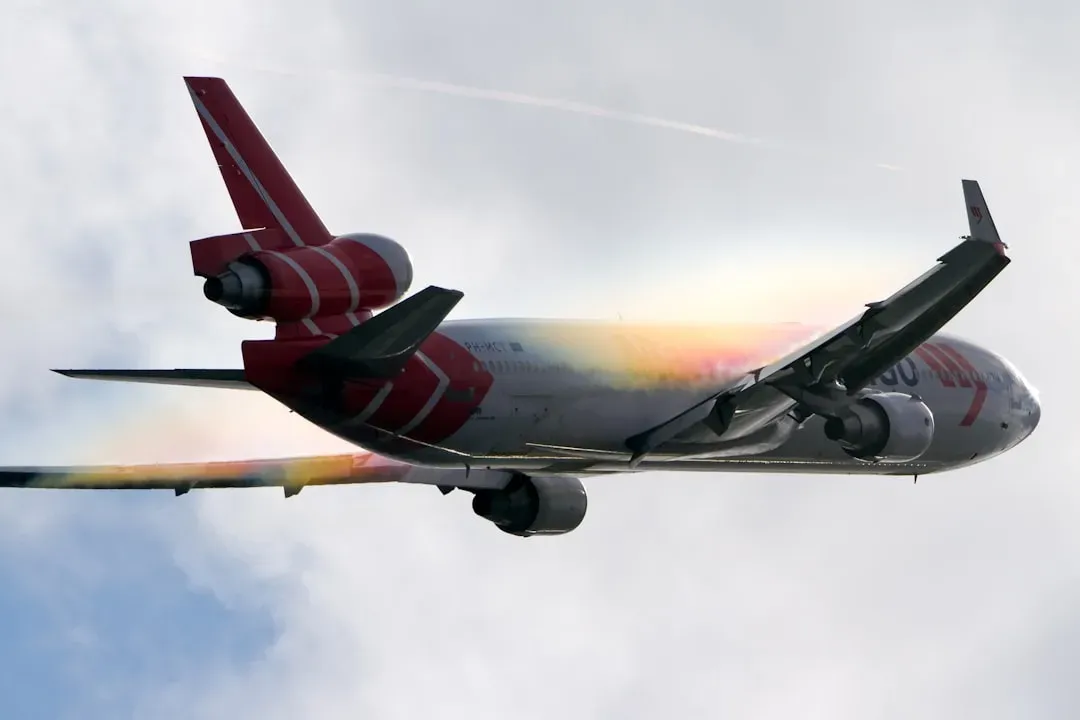
On September 26, 1983, just three weeks earlier, Soviet fighters had shot down Korean Air Lines Flight 007, killing all 269 people aboard including U.S. Congressman Lawrence McDonald. Tensions between the superpowers had reached a fever pitch, with both sides viewing each other’s actions through the lens of potential aggression.
The Soviets mistook the civilian plane for a military aircraft and shot it down, prompting Reagan to call it a massacre. This incident happened in the exact same month as Petrov’s false alarm and just weeks before Able Archer 83. Nineteen eighty-three was quite possibly the most dangerous year since the Cuban Missile Crisis.
Looking back at these ten moments, it becomes strikingly clear that survival during the Cold War wasn’t purely about deterrence theory or diplomatic genius. So many times, disaster was averted by individual human beings making split-second decisions under unimaginable pressure. We owe our existence to Stanislav Petrov’s skepticism, Vasili Arkhipov’s lone dissent, and leaders who stepped back from the edge when every instinct screamed otherwise. Did we dodge these bullets through wisdom, or just sheer luck? That’s probably the most unsettling question of all.