There’s a slow-burning frustration building inside American dining rooms. It doesn’t show up on the menu. It arrives at the end of the meal, buried at the bottom of the check – a mandatory service fee, sometimes 18, sometimes 20, occasionally 22 percent, added without any real conversation. For millions of diners, it feels less like a fair exchange and more like a trap.
The debate around tipping in the United States has always been loud. But something shifted after the pandemic. The fees got bigger, the explanations got vaguer, and the public patience ran out. What was once a social norm is starting to feel like a financial imposition. Let’s get into exactly why – and what people are actually doing about it.
The Tipping Landscape Has Changed Dramatically

A WalletHub survey conducted in 2024 found that roughly four out of five Americans believe automatic service charges should be banned, and nearly half said they tip out of social pressure rather than service quality. That’s a staggering number. Think about that for a second – nearly half of people tipping aren’t doing it because they’re happy. They’re doing it because they feel they have no choice.
A BentoBox survey found that nearly two thirds of diners feel too many places are asking for tips these days, and a similar proportion say they would not miss tipping if it were gone. The appetite for change is real. It’s not fringe. It’s mainstream.
Automatic Fees Exploded After COVID-19

Square, the payment system company, reported in mid-2024 that nearly four percent of restaurant transactions in the U.S. included service fees, up from just over one percent two years prior. That’s a near-tripling in the use of automatic fees in just two years. The pandemic cracked open the door, and the fees walked right in.
For many operators, service fees are a way to recoup rising food costs, credit card processing fees, and increased labor costs. For others, adding an automatic gratuity is a way to pay staff more equitable wages or ramp up employee benefits like health insurance, paid sick leave, and retirement contributions. The reasoning makes business sense. The execution, though, is where it keeps falling apart.
The Hidden Fee Problem: What Diners Actually See on the Bill

It has become increasingly popular for restaurants to tack on additional surcharges when a bill is calculated. So when a dish is listed on the menu as twenty dollars, a diner needs to consider that the real price actually includes an additional fee, often noted in small print at the bottom of the menu. That small print is doing a lot of heavy lifting – and most people don’t read it until it’s too late.
When customers don’t find out about mandatory fees until the bill comes, they feel deceived. That word – deceived – keeps coming up in reviews, in Reddit threads, in complaint forums. It isn’t just about the money. It’s about feeling tricked by an establishment you chose to trust.
Where the Money Goes Is Often Unclear
Exactly what service fee add-ons are for can be vague. A fee could cover anything from employee health insurance to owner operating costs, and state and federal laws sometimes clash over how they are described and how they are taxed. Honestly, that vagueness is the crux of the problem. If you’re going to charge someone extra money, the least you can do is tell them clearly what it’s for.
Many states like Texas and Florida don’t require employers to pay out service fees to staff. Though many restaurants do in fact use the service fee to pay staff more, offer healthcare, and contribute to retirement, diners often express confusion about where that money goes. That confusion isn’t unreasonable. It’s the natural result of an industry that varies wildly in its own standards.
The Workers Caught in the Middle
Even factors like gender, race, or hairstyle can affect how many tips a server will receive. A 2022 report from One Fair Wage found that Black women working in tipped positions made considerably less per hour than their white male colleagues. This is one of the strongest arguments for replacing the tipping system entirely. Voluntary tips, it turns out, are not as neutral or merit-based as most people assume.
Tipping can create an unsafe power dynamic between the guest and the worker. A study from Social Science Research Solutions reported that tipped workers were significantly more likely to have been sexually harassed in states with a tip credit and subminimum wage. That’s a sobering finding that rarely makes it into the restaurant fee debate – but it absolutely should.
The Wage Reality Behind the Service Charge
The federal minimum wage is $7.25 and has been so since 2009. The tipped minimum wage is stuck at just $2.13 per hour. Even in states set to raise the minimum wage to fifteen dollars, tipped wages still remain below four dollars per hour in some places. This is the structural reality that restaurants are trying to work around. It’s a system that was never really fixed – just patched over, decade after decade.
The service charge, in this context, is a band-aid over a much deeper wound. I think most reasonable people can understand why restaurants resort to it. The problem is that diners are essentially being asked to fund a federal labor policy failure – and nobody warned them at the door.
Boycotts, Backlash, and Viral Outrage

Burdell, a Michelin Guide establishment in Oakland, California, recently faced severe backlash online for a default 20% service charge added to every check. The soul food restaurant was named among the best U.S. restaurants by Food and Wine. Since details of its tipping policy were made public on Reddit, an ugly onslaught of negative Yelp reviews followed. The original Reddit post garnered over 28,000 upvotes, and people who had never been to Oakland suddenly had very strong feelings about a restaurant they’d never visited.
A handful of diners called the practice disgusting, stating that the owner was not qualified to be running a business if they could not afford to pay their employees a living wage without tacking on the fee. Several customers vowed to boycott over the fee, with one writing they would never eat there again if not shown the charge beforehand. This kind of reaction is becoming a pattern, not an outlier.
States Are Starting to Take Action

In 2025, several states enacted legislation that outright prohibited the use of so-called “junk fees,” which can include automatic service charges, or heavily regulated when and how these automatic fees could be assessed. States including California, Colorado, Florida, and Massachusetts regulated or prohibited automatic service charges, emphasizing clear disclosure and transparency. The legislative momentum is real and accelerating.
As of January 1, 2025, the Minnesota legislature banned “junk fees,” which includes pretty much everything other than a mandatory gratuity that goes directly to the server or a credit card processing fee. Minnesota’s move was decisive. Massachusetts enacted regulations effective September 2025 requiring all mandatory fees, including service charges, to be clearly disclosed in the first advertised price to consumers. Automatic fees must be included in the total price displayed. The law also requires disclosure of the nature, purpose, and amount of the automatic fees included in the total price.
The Industry’s Thin Margin Dilemma

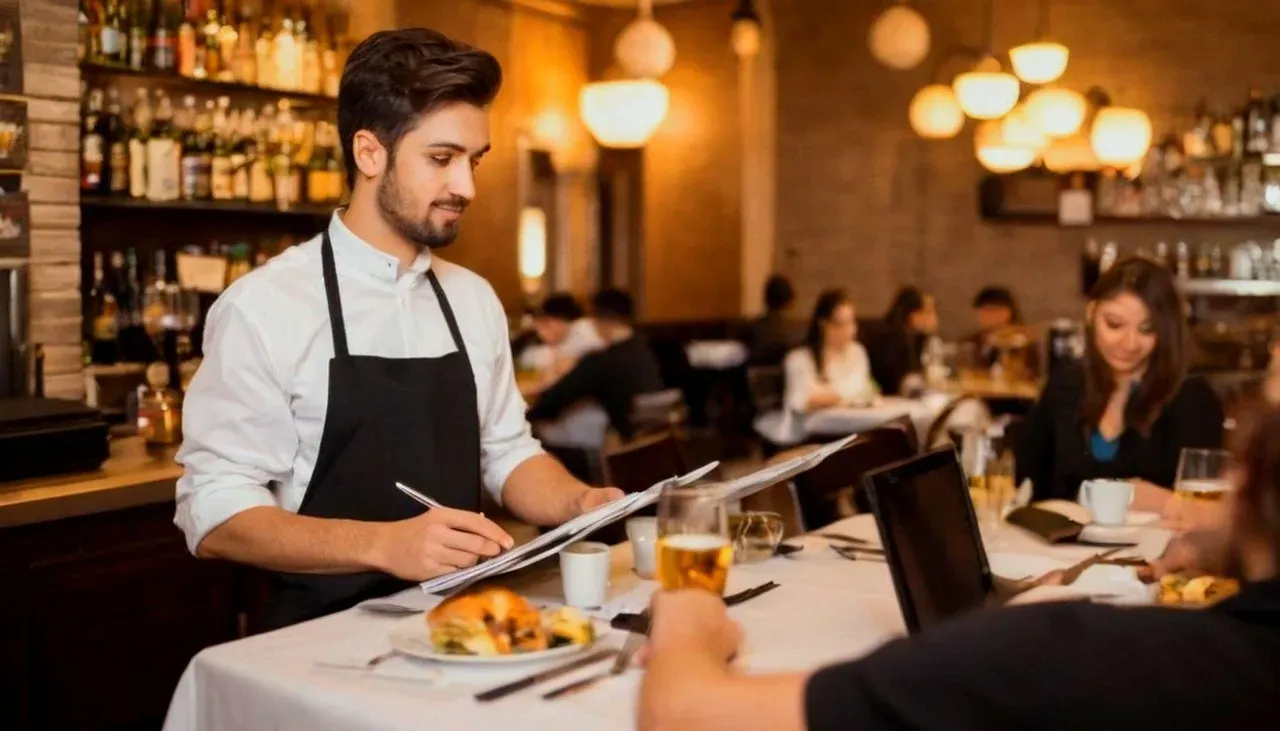
Profit margins for small restaurants average just three to five percent before tax. That number is worth sitting with. Three to five percent. That means for every hundred dollars a restaurant brings in, it keeps three to five after paying everyone and everything. It’s a brutally thin margin that makes experimentation with fee structures feel less like greed and more like desperation.
For many operators, service fees are a way to recoup rising food costs, credit card processing fees, and increased labor costs. For others, adding an automatic gratuity is a way to pay staff more equitable wages or ramp up employee benefits like health insurance, paid sick leave, and retirement accounts. The challenge is that none of this gets communicated clearly enough – and when it’s not explained, the diner feels robbed rather than informed.
What Diners Actually Want: Control and Clarity

Some guests simply prefer tipping because it gives them control over how much they spend. Over half of diners said they prefer to choose their own tip amount, and they tip just under nineteen percent on average. That suggests the typical twenty percent automatic charge is steep for some. It’s not just about the percentage. It’s about agency. People want to feel like they made a choice, not that something was decided for them.
With an increase in more businesses asking for tips and with digital payment machines being set higher, there is a growing sense of fatigue from consumers regarding tipping. That fatigue is now translating into something louder – public boycotts, one-star review floods, and legislative pressure that restaurants can no longer ignore. The diner has found a voice, and it’s getting harder to tune out.