Every time a delivery truck pulls away from your street, a clock starts ticking. Not for you. For someone else entirely. Package theft has quietly become one of the most common property crimes in America, and yet most people don’t realize that one specific neighborhood feature is silently making their home a prime target – long before a single box ever lands on their porch.
The numbers are genuinely staggering. The scale of this problem has grown alongside the e-commerce explosion, and now, in 2026, there’s strong evidence linking where you live and how your property looks directly to how often you’ll be robbed. Be surprised by what you’re about to read – because some of it will make you want to look at your front yard in a completely different way.
The Sheer Scale of the Problem Is Hard to Ignore


Let’s be real – most people think of package theft as something that happens to other people. The data says otherwise. For the first time since researchers started tracking and reporting on package theft, the number of estimated incidents dropped year over year, from 120 million in 2023 to just over 104 million in 2024 through 2025. A drop sounds like progress, right? Not so fast.
Even as national incident counts dip slightly, economic losses continue to rise, now surpassing $37 billion when retail replacement and refund costs are factored in. Think about that for a moment. Fewer stolen packages but more money lost. The average value of a stolen package jumped nearly ten percent over the past year, which could be because of inflation, tariffs, or thieves getting smarter about stealing pricier packages.
Nearly Half of All Americans Have Been Hit at Least Once

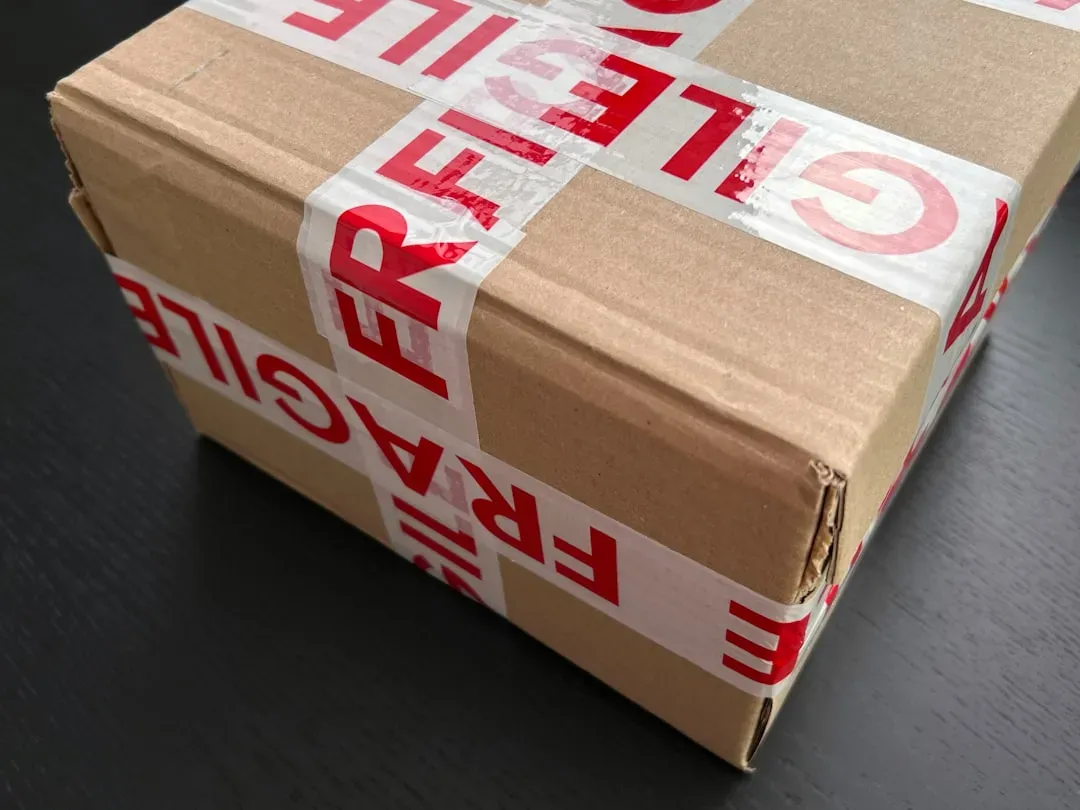
Here’s a number that genuinely shocked me when I first read it. Nearly half of Americans – roughly 45 percent – report having a package stolen, and this number is up from 34 percent in a 2023 report. In just one year, the share of victims jumped by more than ten percentage points. That’s not a slow creep. That’s a surge.
A ValuePenguin study found that 41 percent of Americans have had a package or delivery stolen at least once, with one in four reporting a theft in the past year alone. Worse still, of those victimized in the past year, nearly three out of five said they had two or more packages stolen. Once a thief knows your porch is an easy target, they tend to come back.
The E-Commerce Boom Created a Thief’s Paradise

Package theft is inextricably linked to the rise of e-commerce, and a report from Capital One Shopping research found that online shopping represented 18 percent of total retail revenue in 2024. That means an enormous and growing river of parcels flowing to doorsteps across the country every single day. More deliveries equal more opportunity, plain and simple.
Every day, the United States Postal Service alone processes 23.5 million packages, and that’s before you count shipments from Amazon, UPS, and FedEx. Thieves know this. Package thefts increase when people turn to the internet to buy gifts, and surveys found that nearly 70 percent of 2025 holiday shopping happened online, with each adult expecting roughly 25 packages between October and December. That volume creates an almost irresistible landscape for someone looking for an easy score.
The Neighborhood Feature That Changes Everything: Open Street Access

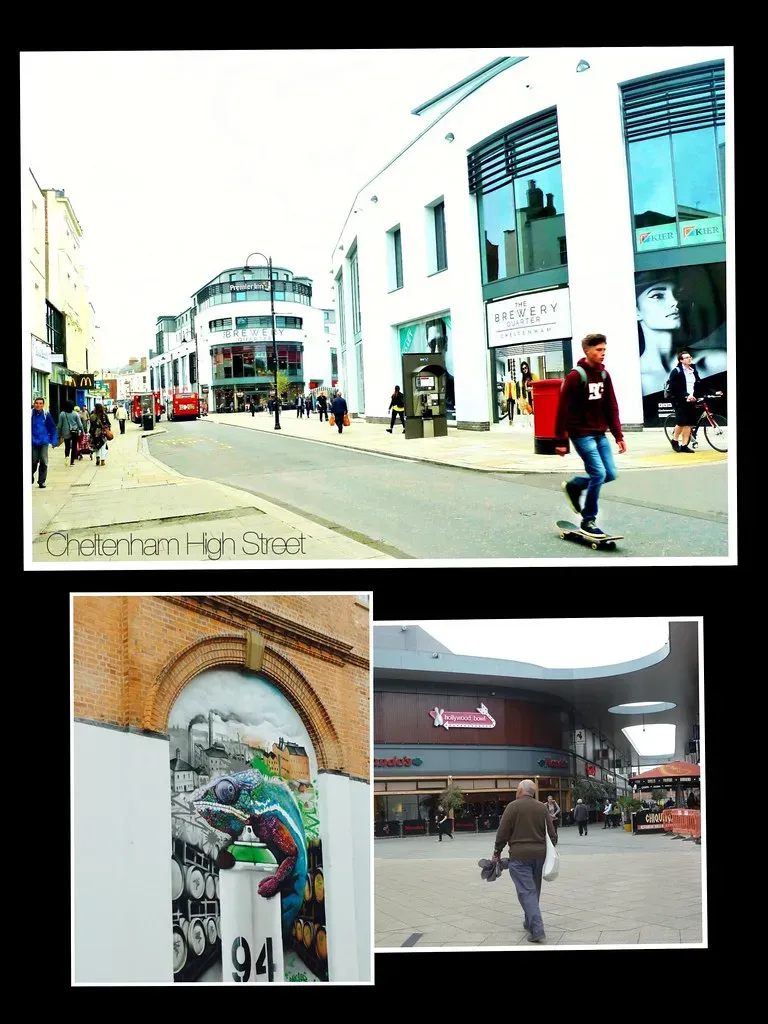
So, what is the one neighborhood feature that makes your home a genuine target? Honestly, it’s simpler and more visible than most people expect. It’s an open, unobstructed front walkway with direct, easy street access. Think of it like leaving a wallet on an empty park bench. The easier it is to approach, grab, and walk away without drawing attention, the more likely someone will do exactly that.
Thieves target neighborhoods where homes are set back from the street or obscured by landscaping, making it easy to approach undetected, and some will simply walk through neighborhoods looking for parcels visible from the street. Conversely, homes with long, clear sightlines from the sidewalk to the front door give a thief exactly what they need: a quick, unimpeded path in and out. The best strategies for package theft mitigation include concealing packages from street view. If a box can be seen from the curb, it can be targeted from the curb.
Suburban Sprawl and Delivery-Heavy Neighborhoods Are Especially Vulnerable

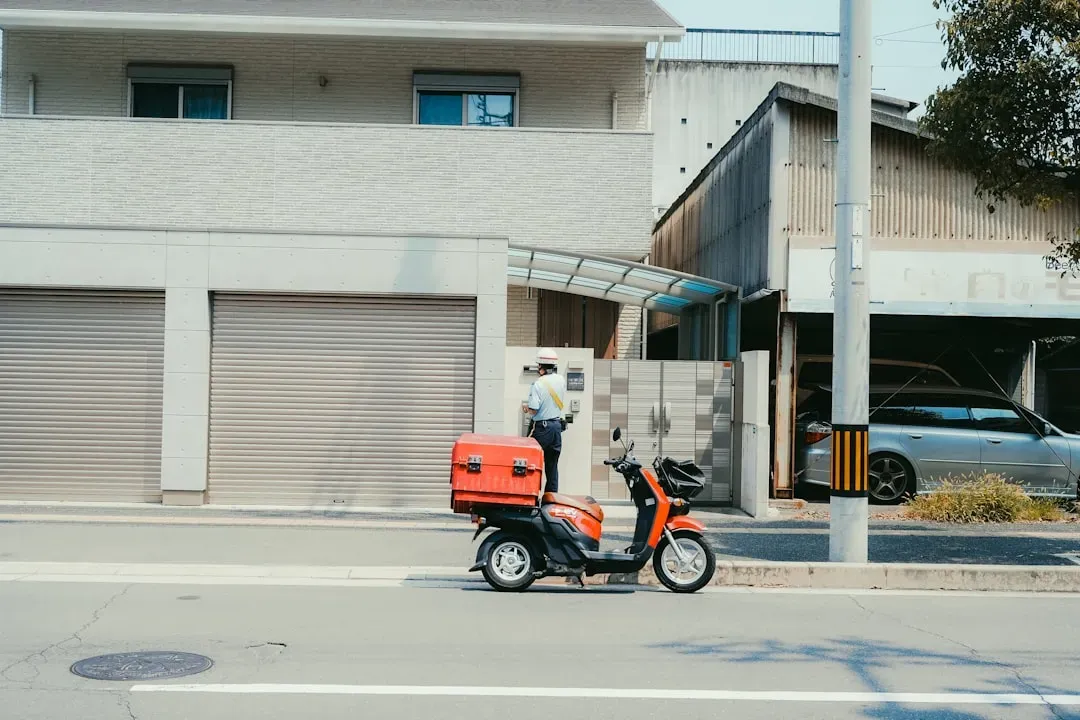
Suburban Americans are more likely to experience package theft than urban or rural residents, and in one year, suburbanites face a roughly 12.7 percent chance of parcel theft. It sounds counterintuitive. Shouldn’t quiet suburbs be safer? Not necessarily. Suburban layouts often feature wider streets, detached homes, low foot traffic, and – crucially – long unobstructed walkways that make a porch pirate’s job almost effortless.
Markets like Miami and Houston illustrate how sprawling suburban layouts contribute to rising theft rates, likely fueled by year-round delivery volumes that make quick getaways easy. A thief driving through a quiet suburban street can clock multiple targets in minutes, pull up, jog to the door, grab a package, and be gone before a neighbor even registers what happened. It’s almost too easy, and that’s the problem.
Most Thefts Happen in Broad Daylight, Right After Delivery

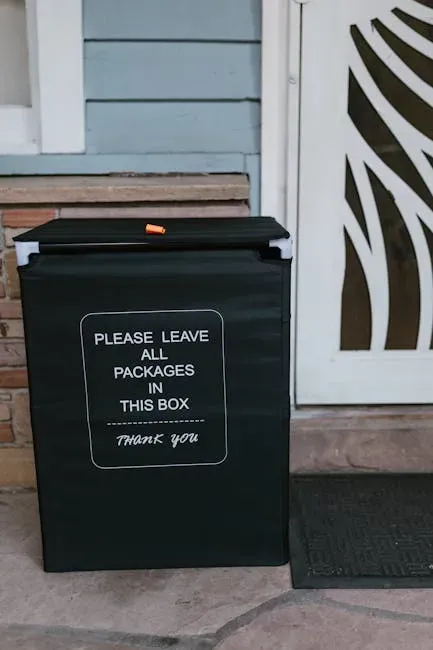
I know it sounds counterintuitive, but package pirates aren’t creatures of the night. Porch pirates tend to act quickly – they often strike shortly after a delivery is made, knowing that most victims are at work or otherwise occupied. This is the window of maximum vulnerability, and it typically falls squarely in the middle of a normal workday.
Partner offer

Residents in Philadelphia report packages disappearing in minutes, even in broad daylight. The visibility of packages from an open, accessible street front makes the crime shockingly swift. A home with clear street access and no visual barriers to the front door essentially provides the thief a stage with no audience.
Organized Theft Rings Have Turned This Into a Profession


Here’s the thing – this isn’t just kids being opportunistic anymore. In recent years, there are documented reports of organized theft rings with very clever tactics. Some use electronic scramblers to interfere with security camera signals, follow delivery trucks, and wear fake uniforms to pick up freshly delivered packages. That level of coordination is frankly alarming.
To increase their chances of success, porch pirates often work in pairs. Typically, one pirate enters the neighborhood on foot while the other waits in a getaway car. The partner acts as a lookout while the other steals packages from multiple homes. Open-access neighborhoods make this two-person operation almost frictionless. There’s no gate to breach, no security post to pass, no chokepoint. Just a clear path and a clean escape.
Homes Without Camera Coverage Face a Much Higher Risk


Visibility works both ways. A thief needs to see your package easily – but they don’t want to be seen themselves. Security.org survey data shows that 52 percent of all households now have a security camera, compared to 42 percent in 2023, and 45 percent have video doorbells, compared to 37 percent in 2023. The adoption of surveillance tech is climbing fast, but there’s still a large gap.
People who own one or more security devices report 40 percent less anxiety about package theft. That’s not nothing. Still, cameras alone aren’t a silver bullet. Roughly 22 percent of victims actually had a doorbell camera installed when the package theft occurred, and nearly 38 percent of consumers don’t believe doorbell cameras effectively deter porch piracy. A home may have a camera and still be targeted if the property layout makes it easy and quick to steal.
The Legal System Is Still Playing Catch-Up


Part of what fuels this crime is the shockingly low risk of consequences. There is approximately a one-in-seventeen chance that law enforcement will catch a reported package thief. Those are gambling odds most opportunists are willing to take. And the problem is that many thefts never even get reported, which pushes the real odds of getting caught even lower.
While stealing mail sent through the U.S. Postal Service is a federal crime, theft of items sent through other carriers such as UPS and FedEx is not. That loophole has emboldened thieves for years. Many states now classify package theft as a felony, and states like Missouri and Kentucky have enacted laws that can sentence convicted porch pirates to up to five years in prison. The legal walls are slowly going up, but enforcement remains inconsistent nationwide.
What You Can Do to Make Your Home a Less Appealing Target
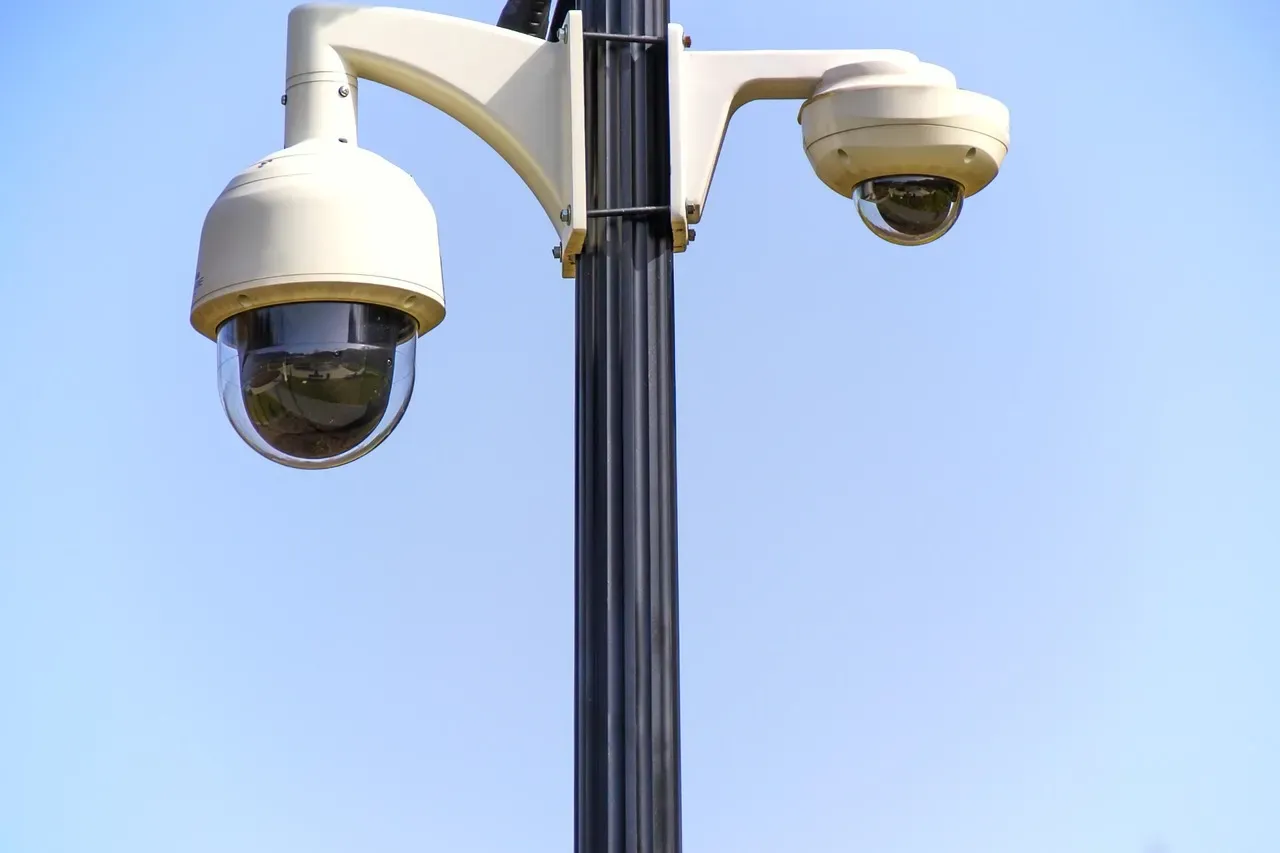
The good news is that you don’t have to be helpless. The goal is to break the easy-access equation that open-front homes currently create. Security experts with law enforcement backgrounds stress that the number one tip is to eliminate opportunity entirely. Thieves can’t steal what they can’t see. Having packages delivered to a secure location, or scheduling deliveries for times when someone is home, removes the target altogether.
Strategies like concealing packages from street view and using secure delivery options like in-garage or trunk delivery can prevent theft at the source. Beyond that, living in a security-conscious neighborhood makes a real difference – a restricted security gate limits entry to verified residents and visitors, and combining that setup with cameras, motion sensors, and smart doorbells can reduce package theft significantly. You may not be able to change the layout of your street, but you can absolutely change what a thief sees when they look at your home.
Conclusion: Your Front Porch Is Either a Fortress or an Invitation

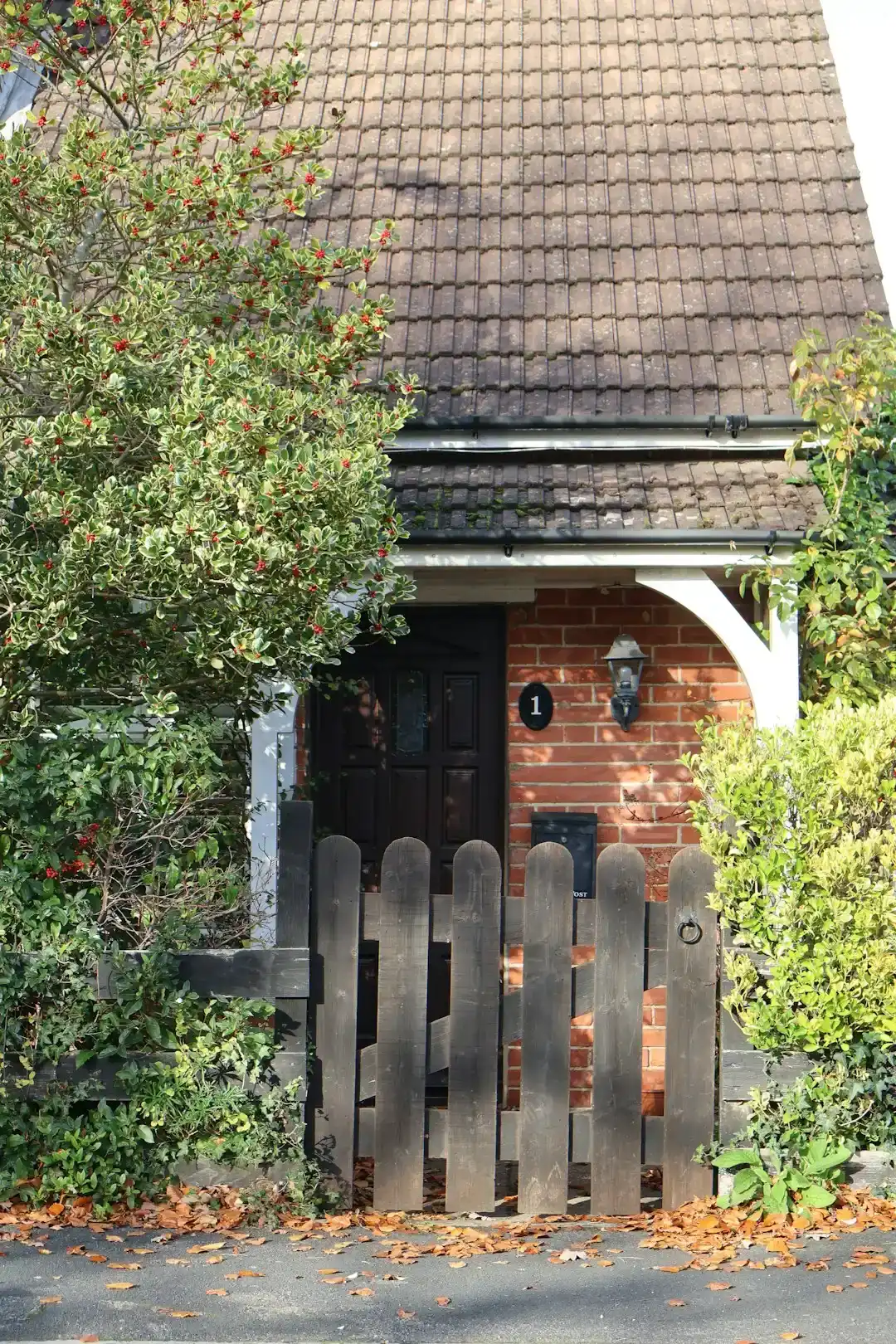
Porch piracy has evolved from a petty nuisance into a multi-billion-dollar crisis that touches nearly half of all American households. The data is clear: open, unobstructed street access to your front door is the single neighborhood feature that most consistently signals easy pickings to thieves. It’s not about living in the wrong city or the wrong zip code. It’s about visibility, accessibility, and opportunity.
Package theft isn’t merely a nuisance – it’s a growing ecosystem of opportunistic and organized crime built on easy rewards and low risk. The homes that get hit most aren’t random. They’re the ones that make it easiest. Trimming the hedge, using a lockbox, redirecting deliveries, adding a camera – none of these things are dramatic. Together, though, they change the math entirely for anyone casing your neighborhood.
The real question worth sitting with is this: right now, what does a thief see when they drive slowly past your house? What would you change if you saw it through their eyes? Share your thoughts or your own experience in the comments below.
Partner offer
Planning a trip to Vegas?
Compare hotel rates and show tickets on VEGAS.com.