Some cases do more than put criminals behind bars. They rewrite the rulebook. They force entire systems to look in the mirror, reckon with failure, and come out the other side transformed – sometimes for the better, sometimes still stumbling. The history of law enforcement in the United States is, in many ways, written not by legislatures, but by courtrooms.
From the moment a police officer reads a suspect their rights to the moment a verdict reshapes how a city handles its police force, these landmark cases leave fingerprints on nearly every aspect of criminal justice. Some of them you’ve heard of. Others might surprise you. Let’s dive in.
Miranda v. Arizona (1966): The Five Words That Changed Every Arrest
If you’ve ever watched a criminal television show, you’ve probably heard the detective recite the “Miranda warning” as they’re hauling an individual away. This 1966 case is the reason – it is known for establishing a new code of conduct for the country’s police force. What many people don’t realize is how close it came to never happening at all.
The 1966 decision in Miranda v. Arizona established critical protections for individuals in police custody. Ernesto Miranda was arrested and interrogated without being informed of his rights to counsel and against self-incrimination. The Supreme Court’s ruling required that law enforcement officers inform suspects of their rights – now known as Miranda warnings – before any custodial interrogation. The legacy of Miranda v. Arizona continues to have a strong grasp over the criminal justice system today. Whenever a suspect is within custody of law enforcement, they must be read their Miranda Rights.
Mapp v. Ohio (1961): When Evidence Itself Became Illegal
Decided in 1961, Mapp v. Ohio addressed the issue of the exclusionary rule, which prevents the admission of evidence obtained through unconstitutional searches and seizures. The case began when police forcibly entered Dollree Mapp’s home without a warrant, searching for gambling materials. Think about that for a moment. Officers barged into a woman’s home without permission, and what they found was ultimately thrown out of court.
The Supreme Court ruled that evidence obtained in violation of the Fourth Amendment could not be used in state courts. This decision applied the exclusionary rule to state law enforcement, reinforcing the requirement for warrants and probable cause. The ruling also aimed to deter police misconduct by making it clear that illegally obtained evidence would not be admissible in court. The legacy of Mapp v. Ohio ensures that criminal defendants can only be tried with evidence that is legally obtained; evidence acquired outside of the bounds of the law remains inadmissible in court to this day. This places a higher bar for investigative conduct – law enforcement must be diligent in order to avoid violating the accused’s right to due process.
Gideon v. Wainwright (1963): The Right to a Fighting Chance
Clarence Gideon was no stranger to the court system in Florida. He ran away from home at an early age and spent his life in and out of jail for mostly nonviolent crimes. In one instance, he was charged with breaking and entering with the intent to commit a misdemeanor – a felony in Florida – and expected to appear in court. However, Gideon couldn’t afford an attorney and requested the court appoint him one. That request was denied. What followed was one of the most consequential legal fights in American history.
Gideon represented himself in his trial, cross-examining witnesses and arguing for his innocence, but was found guilty and sentenced to five years in prison. While in prison, Gideon crafted his own appeal and petitioned his conviction to the Supreme Court, who agreed to examine his case and determined it was a violation of Gideon’s Sixth Amendment right to legal counsel. The landmark decision left an enormous impact on the law, ensuring the most vulnerable defendants would have access to legal representation and their Sixth Amendment rights would be protected. This ruling ensured the right to legal counsel was evenly applied across all states. The ruling remains critical to this day; a large portion of the accused do not have the means to hire legal counsel.
Terry v. Ohio (1968): Stop, Frisk, and the Limits of Police Power
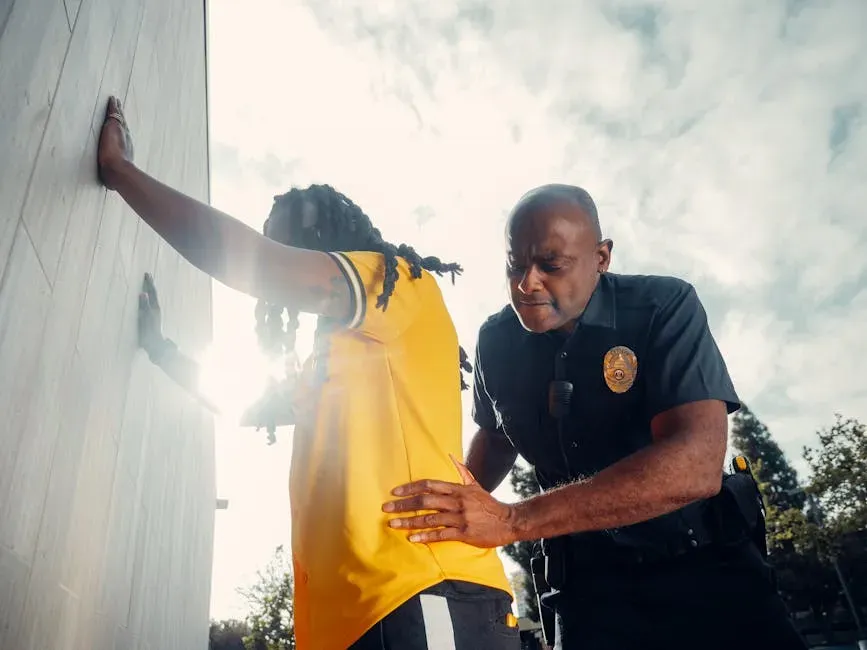
Here’s the thing about Terry v. Ohio – it’s one of the most practically used court decisions in day-to-day policing, yet most people have never heard of it. In Terry v. Ohio, the U.S. Supreme Court established the concept of “reasonable suspicion.” This case arose when a police officer observed suspicious behavior leading him to stop and frisk two individuals. The Court ruled that officers could stop a person based on specific and articulable facts, rather than needing probable cause. This standard allows officers to engage in brief investigative stops when they have a reasonable belief that criminal activity may be occurring. The decision balances the necessity for effective law enforcement with the individual’s right to privacy.
Terry v. Ohio established the “stop and frisk” standard, allowing officers to stop individuals based on reasonable suspicion. This ruling necessitated revisions in police procedures, requiring officers to articulate the justification for such actions to prevent racial profiling. Honestly, this is a case that remains deeply controversial to this day. The line between reasonable suspicion and racial bias is razor-thin, and law enforcement agencies are still wrestling with where exactly that line falls.
The Scottsboro Boys Case (1931): A Turning Point for Due Process
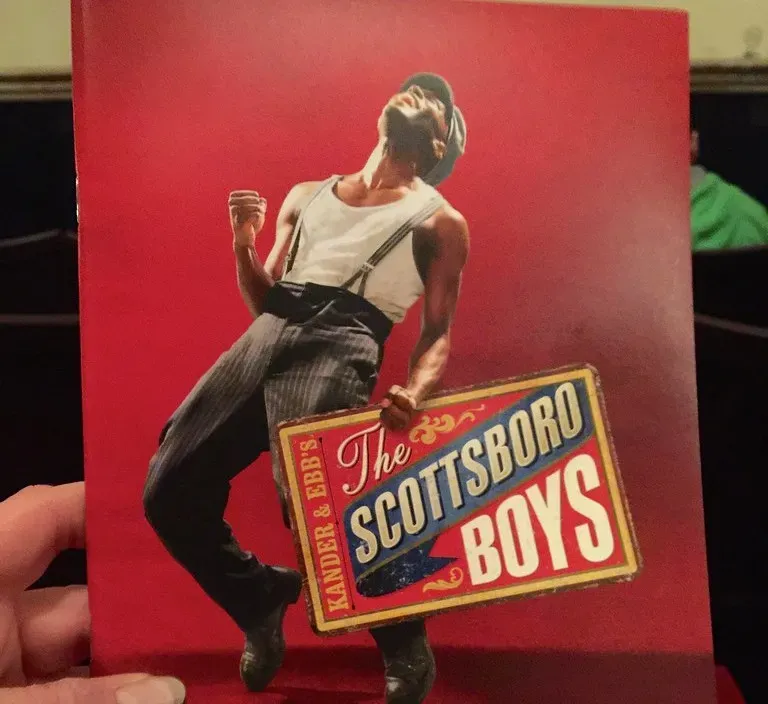
In 1931, nine Black teenagers were falsely accused of raping two white women aboard a freight train in Alabama. This case exposed severe racial injustice within the judicial system and led to two landmark Supreme Court rulings – including Powell v. Alabama in 1932, which established that defendants facing the death penalty are constitutionally entitled to appointed counsel if they cannot afford one. The wrongful convictions were staggering in their injustice, and the nation’s legal system was never quite the same after.
The Scottsboro case became a moral flashpoint. It forced the country to confront the uncomfortable truth that race could determine whether someone received a fair trial at all. Throughout American history, certain criminal cases have not only captivated the nation but have also fundamentally transformed its legal landscape. These landmark trials have led to significant changes in laws, courtroom procedures, and societal attitudes toward justice. By examining these pivotal cases, we gain insight into how the American justice system has evolved in response to complex legal and moral challenges.
The RICO Act and Organized Crime (1970): Finally Going After the Boss
Before 1970, prosecuting a Mafia boss was like trying to nail fog to a wall. He’d give orders, his subordinates would carry them out, and he’d walk free. The Racketeer Influenced and Corrupt Organizations (RICO) Act was enacted as part of the larger Organized Crime Control Act of 1970. It was drafted by G. Robert Blakey to strip organized crime of the protection and profits it received by influencing and infiltrating legitimate business. The RICO Act changed the game for law enforcement because, for the first time, the leaders of a crime organization could be punished for orders they gave subordinates. No longer could a mafia boss insulate himself from legal punishment simply because he wasn’t physically present when the crimes occurred.
Originally written to allow prosecutors to go after the American mafia, RICO has been expanded and applied to several high-profile cases unrelated to organized crime. Between 1970 and 1985, just 300 civil RICO suits were filed in federal court. That number grew to 614 in 1986 and 957 two years later. Now, the number of RICO civil cases filed is well over a thousand per year. That’s not just a law. That’s a legal revolution.
The Rodney King Case (1991–1992): A Nation Forced to Watch
Nobody in 1991 expected a grainy camcorder video to change American policing forever. In March 1991, Rodney King, an African American motorist, was brutally beaten by four Los Angeles Police Department officers after a high-speed chase. The incident was captured on video by a bystander, George Holliday, and broadcast worldwide, revealing the severity of the assault. Despite the clear evidence, a jury acquitted the officers in April 1992, leading to widespread outrage and the eruption of riots in Los Angeles. The unrest lasted for six days, resulting in over 50 deaths, more than 2,000 injuries, and approximately $1 billion in property damage.
The case led to significant changes within the LAPD, including efforts to increase diversity within the department, implement community policing strategies, and improve police accountability. The Christopher Commission, formed in the aftermath of the riots, issued a report that highlighted systemic problems within the LAPD and made recommendations for reform, some of which were implemented in the following years. The impact of the Rodney King incident was not a fleeting moment of outrage; it laid the foundational groundwork for decades of police reform efforts. The demand for transparency that began with Holliday’s camcorder has evolved into a widespread call for body-worn cameras and dashboard cameras, now standard in many departments.
Tennessee v. Garner (1985): Deadly Force Has Limits
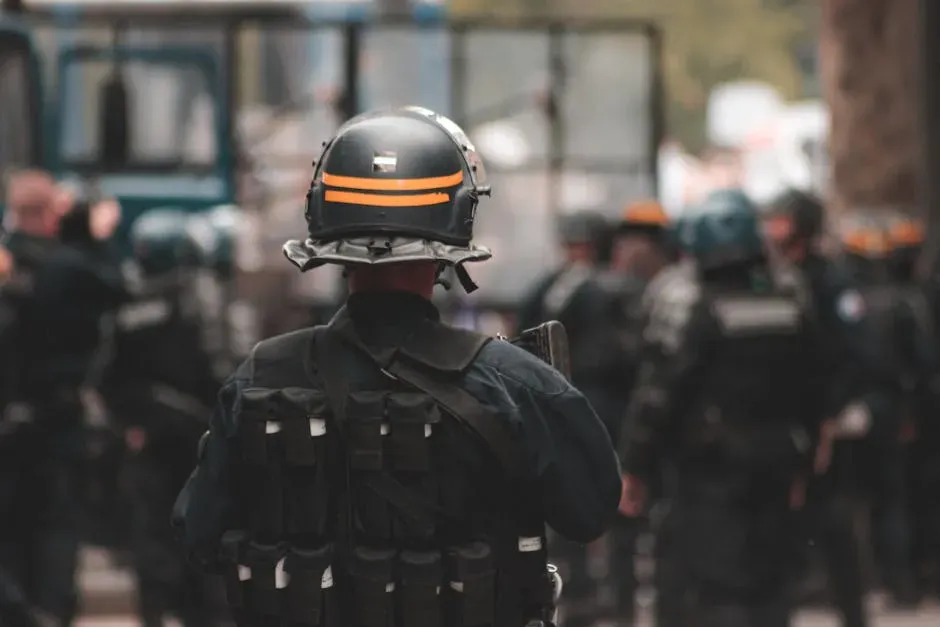
Before this case, police officers in many states could legally shoot a fleeing suspect simply to prevent escape – even if that person posed no immediate danger to anyone. Tennessee v. Garner, 471 U.S. 1 (1985), established that the use of deadly force to stop a fleeing felon is not justified unless it is necessary to prevent the escape, and it complies with specific requirements. It sounds obvious in hindsight. At the time, it was genuinely groundbreaking.
The Supreme Court has ruled on numerous occasions on police use of force as it relates to the Fourth Amendment, with Tennessee v. Garner being one of the two most important cases on the subject. The ruling drew a clear constitutional line: lethal force is not a convenience tool for law enforcement. It’s a last resort. That principle still shapes use-of-force training across every police academy in the country, and it remains as relevant today as it was four decades ago.
The Murder of George Floyd and State of Minnesota v. Derek Chauvin (2020–2021): The Case That Shook the World
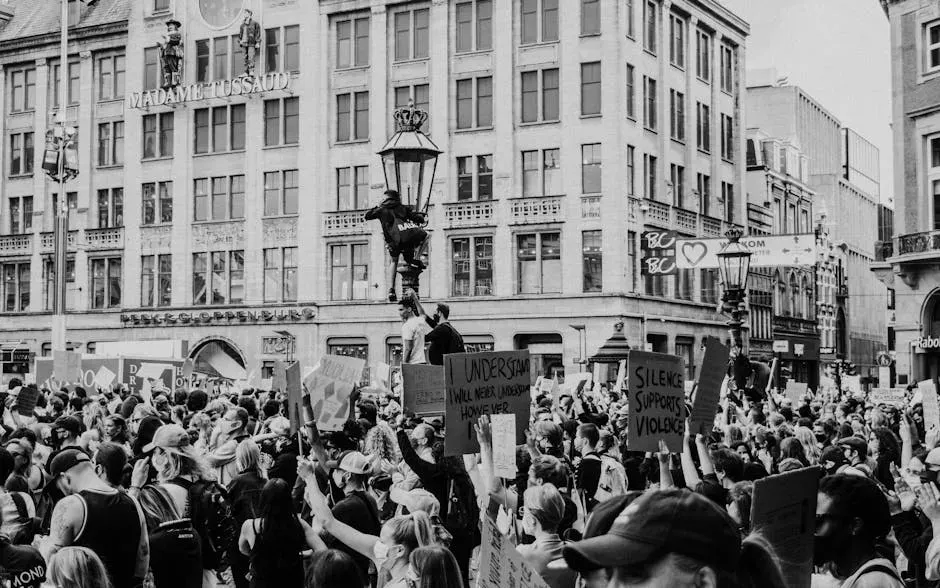
The death of George Floyd on May 25, 2020, became a pivotal moment in the movement against racial injustice and police brutality in the United States. Captured on video by bystanders, the incident showed Floyd pinned to the ground by Minneapolis police officer Derek Chauvin, who knelt on Floyd’s neck for over nine minutes while Floyd repeatedly stated, “I can’t breathe.” This distressing footage sparked widespread protests across the nation and globally, highlighting issues of systemic racism and the excessive use of force by law enforcement.
In April 2021, Chauvin was found guilty of second-degree unintentional murder, third-degree murder and second-degree manslaughter. More than 30 states have passed 140 oversight and reform laws on local police since Floyd’s killing. Some of these laws restricted tactics such as no-knock warrants, and others ban the use of neck restraints and mandated the use of body cameras. Days before former President Biden left the White House in January 2025, the city of Minneapolis and Biden’s Justice Department signed a proposed consent decree that would enact substantial changes in the city’s police department. Updates to officer protocols included banning chokeholds and neck restraints. The consent decree also directed officers to report any colleagues, no matter their rank, if they believed they were violating another person’s rights.
The Watergate Scandal and United States v. Nixon (1974): Not Even the President Is Above the Law
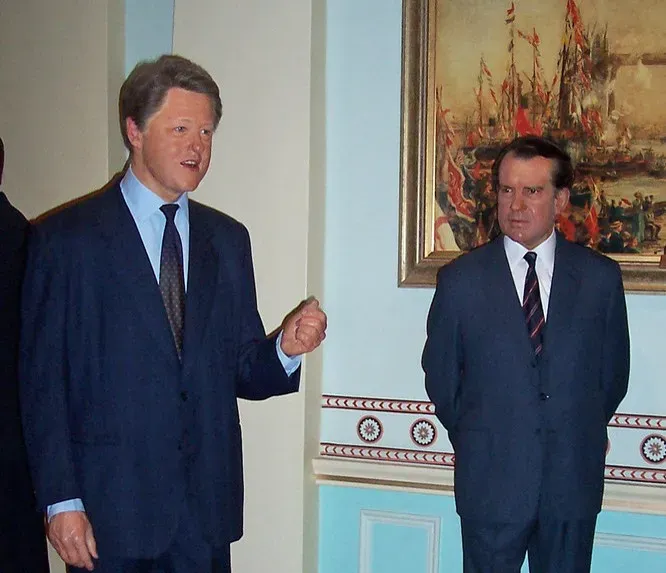
In 1972, members of President Richard Nixon’s re-election campaign were arrested for breaking into the Democratic National Committee headquarters at the Watergate complex in Washington, D.C. Nixon’s administration attempted to cover up its involvement, leading to extensive investigations, the indictment of numerous officials, and ultimately Nixon’s resignation in 1974. The scandal heightened demands for government transparency and led to reforms in campaign finance and executive accountability, profoundly impacting the American justice system.
In 1974, the Supreme Court unanimously ruled in United States v. Nixon that President Richard Nixon must comply with a subpoena to release White House tapes related to the Watergate scandal. This landmark decision affirmed that not even the president is above the law, reinforcing the principle of executive accountability and the system of checks and balances. The tapes revealed Nixon’s involvement in the cover-up, leading to his resignation. The case didn’t just end a presidency. It redefined the very concept of accountability in government, sending a message that law enforcement and the courts could – and would – reach all the way to the Oval Office if necessary. That’s a principle that still echoes loudly in 2026.
What do you think – which of these cases surprised you the most? Tell us in the comments.