Most people walking into a Las Vegas casino assume the cameras overhead are there to catch card counters and cheats. That assumption is no longer wrong, but it is strikingly incomplete. The surveillance infrastructure embedded in today’s mega-resorts reaches far beyond the blackjack tables, threading through hotel lobbies, restaurant entrances, loyalty programs, and even ATM kiosks. The city welcomes more than 40 million visitors a year, each one generating data every time they book a room, tap a loyalty card, place a bet, or order food from their phone. That volume of foot traffic makes Las Vegas one of the most intensive testing grounds for biometric technology anywhere in the world. What follows is a closer look at how facial recognition now operates across the entire resort experience, and what it means for the people walking through those doors.
The Scale of Casino Surveillance Networks

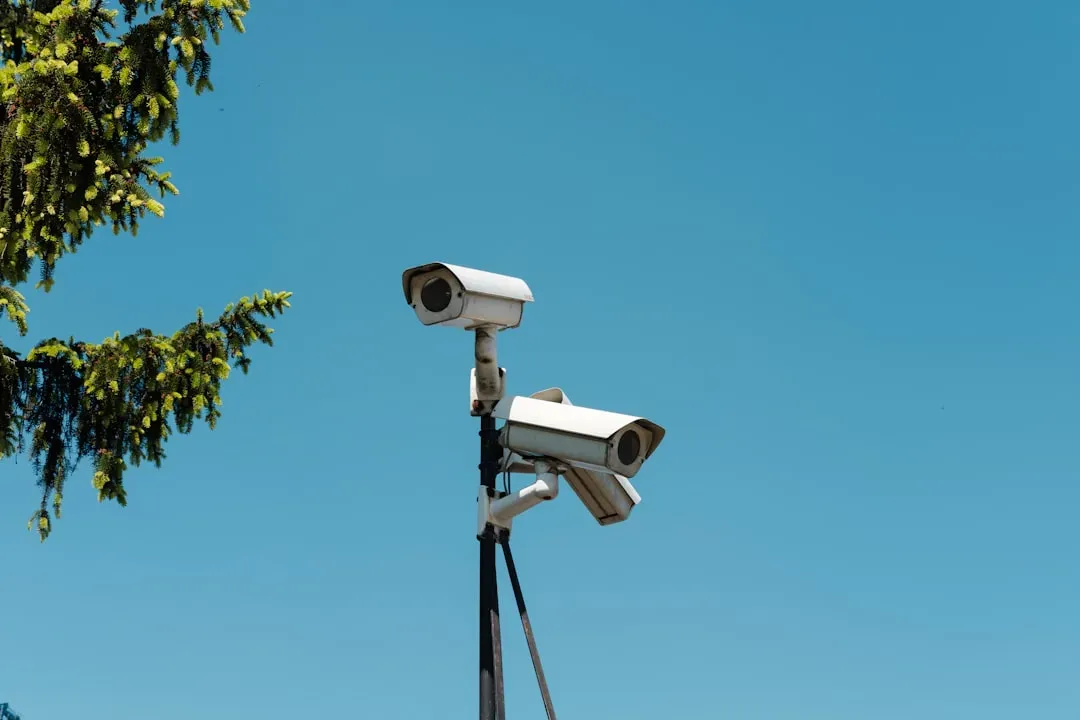
Casinos typically operate hundreds of cameras across large properties, making it impossible for human staff to monitor and identify every potential issue in real time. The sheer size of a modern Strip resort, which might include a hotel, multiple restaurants, a concert venue, a spa, and a casino floor all under one roof, demands a level of automated monitoring that simply wasn’t possible a decade ago.
Today’s surveillance departments are defined as much by their reliance on data architecture and analytical capabilities as by their camera coverage. The integration of advanced technologies ranging from game analytics and facial recognition to transaction monitoring, license plate recognition, RFID, and artificial intelligence has reshaped surveillance into a proactive, predictive function aligned with broader operational and regulatory objectives.
High-definition cameras are everywhere: at entrances and exits, in gaming areas, near restaurants and retail spaces, even in back hallways and elevators. The network no longer ends at the edge of the gaming floor. It is, for all practical purposes, the entire building.
From Photo Books to Algorithmic Fingerprints


In the “old days” of 1999, biometric facial recognition consisted basically of compiling a database of customers’ pictures taken by surveillance cameras and comparing points of resemblance with the faces of known undesirables. However, many felt this was invasive of privacy, and lawsuits led to regulation.
Now the standard is to create a non-photographic digital “fingerprint” of customers’ faces. The software turns everything it sees into numbers. They basically score your face and it becomes a mathematical equation. This shift from image matching to mathematical modeling also made the technology harder to challenge legally, since the system technically stores numeric data rather than photographs.
Casino security teams use facial recognition to identify criminals by matching facial features captured on video with an available photo database. The technology is efficient because its algorithms can recognize millions of faces in seconds, reducing a large database to one or a handful of possible matches.
Tracking Players at the Slot Machine and Table


At present, casinos only track an average of roughly fifteen percent of players, and about forty-five percent of gaming revenue. Xallient estimates that its Casino Eye-D system will allow casinos to boost that rate to ninety-nine percent of players and ninety-five percent of revenue. Those numbers, if realized, would represent a fundamental shift in how casinos understand their own floors.
At a slot machine, the Casino Eye-D camera is typically positioned near the TITO dispenser. A table game usually has two unobtrusive cameras, each mounted on a small post near the dealer. The placement is deliberate. The idea is identification without interruption to the patron’s experience.
The product called Casino Eye-D was first displayed at the 2024 Global Gaming Expo in The Venetian in Las Vegas. Since then, Xallient says the rollout process is well underway at several major casinos. In addition to extra gaming revenue from increased participation in loyalty schemes, the technology will also eliminate card-sharing, which can have a severe impact on the profitability of such programs.
Loyalty Programs and VIP Recognition Beyond the Floor


Casino Eye-D cameras can also be installed at player kiosks, point-of-sale terminals, ATMs, TITO redemption machines, and cashier cages. While the primary focus is making the loyalty experience completely seamless, the cameras also can help track transactions for anti-money laundering requirements and guard against fraud.
The cameras are built with additional applications in mind. They could be placed on hotel room doors for using facial recognition instead of keys. They can also be used for admission to spas or members-only clubs. One vision in the industry is a fully cardless resort experience where a guest’s face serves as their wallet, room key, and loyalty card all at once.
Specifically designed to monitor high-value customers, this system enables casino management and pit bosses to identify and reward their most valuable patrons more effectively, similar to how VIP clients are managed. A high-value blackjack player may get a suite upgrade with no request at all. A mid-range slot player might get dining credits if the system calculates they are about to leave.
Enforcing Self-Exclusion Lists and Responsible Gaming


While facial recognition is commonly associated with security and fraud prevention, it also plays a critical role in ensuring patron safety and responsible gaming. Casinos can use the technology to identify self-excluded patrons, individuals who have voluntarily opted out of gambling as part of responsible gaming programs. Catching these individuals at entry points helps protect them from relapse and fulfills casinos’ ethical and regulatory obligations.
Facial recognition technology has become increasingly prevalent in casinos, driven by the need to identify excluded individuals, known advantage players, persons sought by law enforcement, and other subjects of interest. Current systems can match live video feeds against archived databases, generating alerts when a match is detected. These databases may include self-excluded patrons, individuals barred by regulatory action, or subjects linked to prior incidents and criminal activity.
One way facial recognition technology can have a broader societal impact is with the identification of people with a gambling addiction. AI can help in tracking the gambling habits of each patron with a voluntary program that can suggest who has a problem. The casino can then take additional measures to help such people, including limiting their playtime and seeking additional assistance on their behalf.
Detecting Human Trafficking and Serious Crime

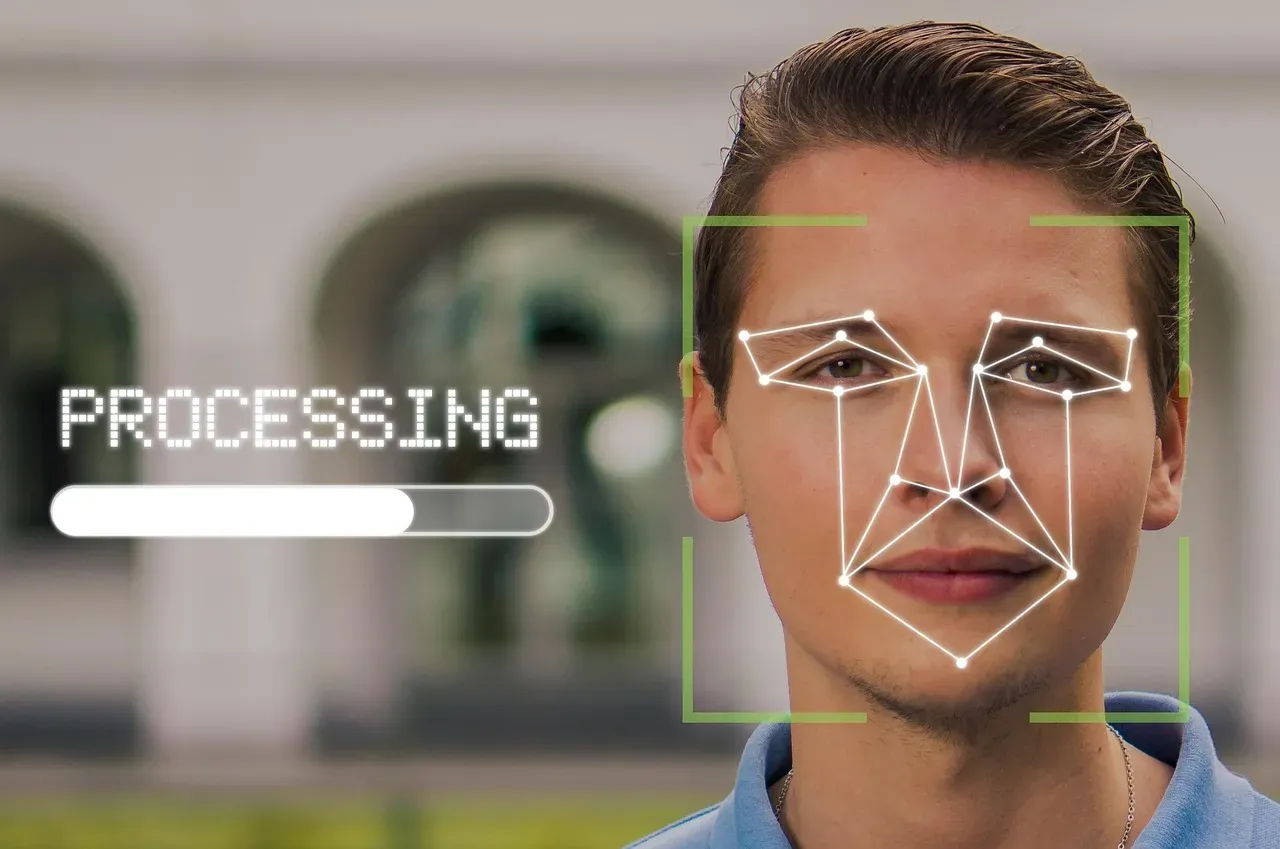
Facial recognition technology also plays a crucial role in combating human and sex trafficking, an area where technology partners are seeing significant results. Traffickers often rely on anonymity to evade detection, and casinos with their high foot traffic and interconnected spaces can be prime locations for these crimes. Facial recognition helps track known traffickers and identify patterns of behavior that suggest exploitation.
Security teams can flag suspicious activities and share critical information with authorities, aiding in the rescue of victims. The technology facilitates collaboration across jurisdictions. When traffickers are forced to move between states, their faces can be added to shared databases, making it possible to track their movements and coordinate efforts to bring them to justice.
Partner offer

A Las Vegas company, Biometrica, provides technology for real-time facial scans of any individual on a casino property against a law enforcement verified database of criminals numbering in the millions. That is a significant capability that places casinos, in effect, as an extension of law enforcement infrastructure.
Behavioral Recognition and Emotional Detection


According to Mehmet Erdem, a hospitality expert at the University of Nevada, Las Vegas, facial recognition technology is particularly suited to environments with large cash transactions. Facial recognition software not only identifies individuals but can also interpret behavioral signals such as emotions, detecting whether someone looks happy or agitated. If the system senses signs of aggression or weapons, it can immediately alert security teams, potentially preventing violent incidents before they escalate.
Casinos also use AI to detect suspicious betting patterns and potential money laundering. With millions of transactions happening every day, human reviewers cannot catch everything. AI tools look for unusual activity much faster, giving compliance teams a stronger foundation to work from.
This behavioral layer is arguably where facial recognition becomes most unsettling for privacy advocates. The system is no longer simply asking “who are you?” It is also asking “how do you feel right now?” and building a profile from the answer.
The False Positive Problem: A Real-World Warning

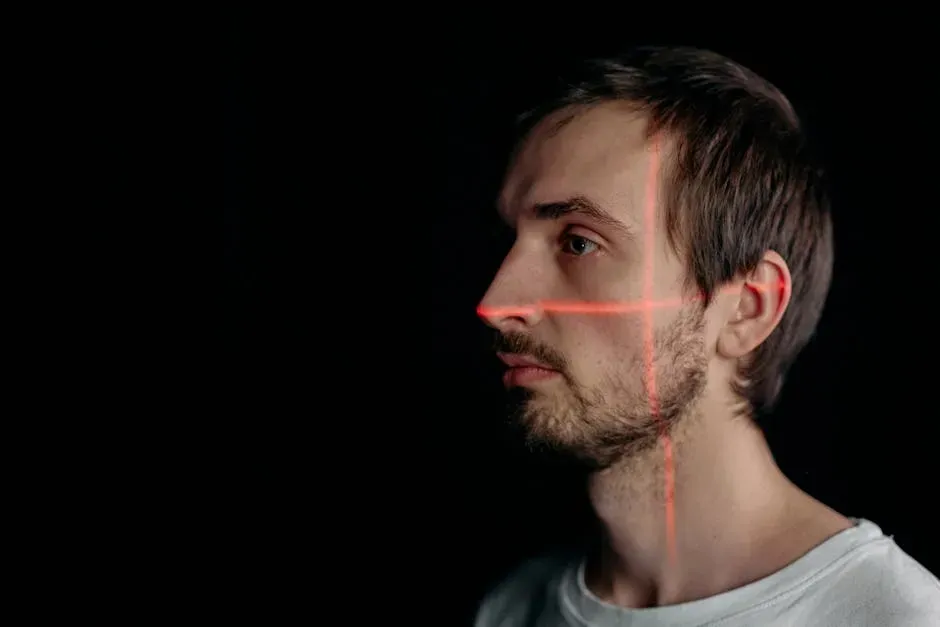
Jason Killinger was exiting Peppermill Casino in Reno in September 2023 when he was stopped by security, which had been alerted by a facility facial recognition system about a possible match to a banned individual. That person had been banned for falling asleep on the casino’s property. A rookie Reno Police officer was called and, based on Reno PD policy, arrested Killinger for trespassing based on the facial biometrics match.
Killinger even had multiple IDs on him, including a Nevada Real ID-compliant driver’s license with his photo on it, that showed a different name than the banned individual. He was arrested anyway. Newly filed court documents reveal the police officer acknowledged he had not received training on facial recognition technology and arrests. He apologized to the plaintiff during a deposition. Reno police later held a training session stating that facial recognition alone is not sufficient probable cause for an arrest.
Peppermill Casino has already settled a lawsuit with Killinger before it went to trial. The case is at least the twelfth false arrest based on improper use of facial recognition by American police. The episode put the entire Nevada gaming industry on notice about what happens when automated systems are trusted too completely.
Nevada Law, Privacy Limits, and the Regulatory Gap

Nevada has relatively surveillance-friendly laws, especially in public-facing private businesses like casinos. As long as there’s no reasonable expectation of privacy, such as in public lobbies, gaming floors, or hallways, video surveillance is allowed. Hotel rooms and private restrooms are off-limits to video monitoring under Nevada law due to privacy concerns.
Nevada operates under the Nevada Privacy of Information Collected on the Internet from Consumers Act, which allows customers the right to know how their data is being used and to request deletion from any system. However, the law’s specific application to biometric data collected in physical casino environments remains an evolving area without comprehensive regulations in place.
A key concern remains the inevitable conflict between facial recognition technology and an expanding slate of data privacy and protection laws. George Bebis, director of the University of Nevada, Reno’s Computer Vision Laboratory, believes the technology has value, but notes that casinos are not ideal environments for precise identification. The legal and technical gap between what the systems can do and what they should do is still very much open.
The Business Incentive Driving Rapid Adoption


As facial recognition technology grows more affordable and advanced, casinos are increasingly using it to detect potential threats, as an increasing number of venues in Las Vegas are implementing the technology. Cost has historically been a barrier, but that barrier is falling quickly. Xailient’s patented approach of putting AI capability within each camera reduces operator cost and requires no additional data storage.
According to the fourth annual International Casino Surveillance Survey, eConnect powers roughly one third of all facial recognition deployments in the gaming industry. Market consolidation is already underway, which means the standards set by a handful of vendors will shape how millions of people are identified, tracked, and profiled across casino resorts.
Las Vegas has become a live testing ground for what an AI-powered hospitality and gaming ecosystem actually looks like. This version of Vegas is more efficient, more data-driven, and more experimental than anything that came before it. Whether that experimentation benefits the guest as much as it benefits the operator is a question still working its way toward an answer.
Conclusion

The cameras in a Las Vegas casino have always watched. What has changed, sharply and recently, is what those cameras now understand. A face is no longer just a face. It is a transaction history, a behavioral signal, a loyalty tier, a risk flag, and in some cases, a probable cause. The technology is real, the adoption is accelerating, and the regulatory frameworks are still catching up.
The Jason Killinger case is a useful reminder that powerful tools do not come with wisdom pre-installed. Experts emphasize the importance of having expert human oversight in the process. When the AI flags a person, trained forensic facial recognition specialists should verify the match rather than security personnel or law enforcement officers alone.
What Las Vegas is building right now may define how biometric surveillance works in public commercial spaces across the country. The question worth sitting with is not whether this technology will expand further. It will. The real question is who gets to decide where it stops.
Partner offer
Planning a trip to Vegas?
Compare hotel rates and show tickets on VEGAS.com.