You hang the little sign on your door, settle in, and assume you’ve drawn an invisible wall between yourself and the outside world. Privacy, guaranteed. The hotel’s version of a “do not enter” force field. Except here’s the thing – that assumption is more fragile than it looks.
The rules around that small plastic sign are far more complicated, nuanced, and frankly surprising than most guests ever realize. What you think is a legally protected signal is, in many ways, just a polite request. Let’s dive in.
The Sign Is a Request, Not a Legal Shield
Most hotel guests genuinely believe the Do Not Disturb (DND) sign gives them airtight privacy for the duration of their stay. Legally speaking, that’s not quite right. In legal terms, the sign really amounts only to a request that hotels are not obligated to follow. That’s a surprisingly big distinction that most people never stop to think about.
Hotel law mandates that guests are entitled to a certain degree of privacy as a condition of their peaceful occupancy, at least until checkout time. This means that Do Not Disturb signs should be honored to the extent that it is feasible to do so. Feasible. Not always. Not unconditionally.
The DND sign is still largely a courtesy. Some states require hotels to give guests privacy in their rooms until checkout, and long-term lodgers can probably expect more. It’s also fairly easy for hotels to roll out a policy such as room checks and receive guests’ consent at check-in. Chances are, you already agreed to this without knowing it.
The Fine Print You Signed at Check-In
Here’s something that might genuinely surprise you. When you check into a hotel, you are not just paying for a room. You are entering a legal agreement. When you sign the register and receive your keycard, you have agreed to allow access to your room for housekeeping and maintenance purposes, and the hotel agrees to respect your privacy at all other times.
Since a hotel operates as a private business rather than a government entity, it is essential to review the hotel’s policy regarding Do Not Disturb signs. Those policies are typically buried in the fine print of the booking confirmation or the welcome card in your room. Most guests never read them.
Most hotels have policies allowing staff to enter rooms for specific reasons, which guests typically agree to when booking. Think of it like those long app terms and conditions you scroll past on your phone – the ones that give away far more than you’d realize if you actually read them.
Safety and Wellness Checks: The 24-Hour Rule
This is where things get especially interesting. Many major hotel chains have implemented a formal policy where a DND sign left on for an extended period automatically triggers a staff response. Guests who have a Do Not Disturb sign active for an extended period, typically 24 to 48 hours, will likely receive a wellness check to ensure they are safe.
At hotels in the Hilton chain, for example, if a Do Not Disturb sign is on a door for 24 hours, the hotel’s security or duty manager is notified in order to check on the guest. Wynn Resorts went even further. Wynn Resorts’ personnel are empowered to enter rooms that have been on Do Not Disturb status for 12 hours or more.
A prolonged DND could indicate a medical emergency, incapacitation, or something more concerning. Staff may also note a lack of visible activity from a room over a long stay. If a guest has not been seen entering or leaving the room, and has not responded to phone calls or housekeeping attempts, a check is warranted. Honestly, when you think about it from that angle, it starts to sound less like an invasion and more like common sense.
The Las Vegas Shooting That Changed Everything
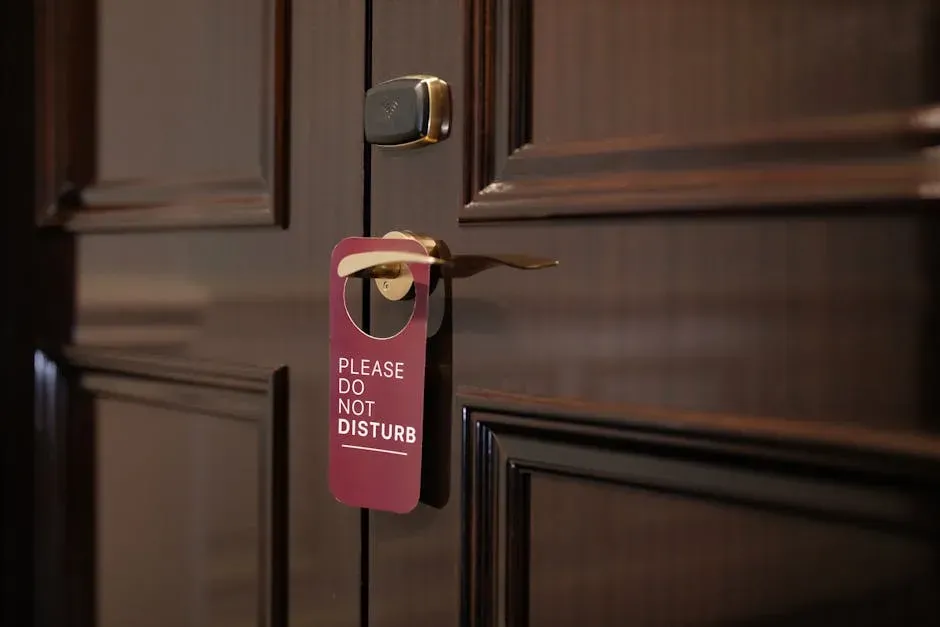
If there is one single event that reshaped how hotels across the world think about DND signs, it is the 2017 Mandalay Bay tragedy. On October 1, 2017, a gunman opened fire on concertgoers, initiating the deadliest mass shooting in modern U.S. history. After more than 10 minutes of gunfire directed at the crowd, 58 people were killed and 546 injured.
On September 30, the shooter placed Do Not Disturb signs on the doors of both his rooms. The image of a DND sign becoming a cover for something catastrophic left hotel security professionals shaken to their core. The facts around the shooting caused hotel brands to reevaluate security and safety protocols regarding training hotel staff to spot suspicious behavior and revising Do Not Disturb policies for guest rooms.
Many hotels modified Do Not Disturb policies to trigger a staff response after the signs have been in place for a predetermined amount of time. For example, if a DND sign was in place for 12 hours, the staff would be required to contact the guest. This policy would ensure that the hotel was in contact with the guest and hopefully act as a deterrent. The industry was fundamentally changed in a single night.
Emergency Situations Override Everything
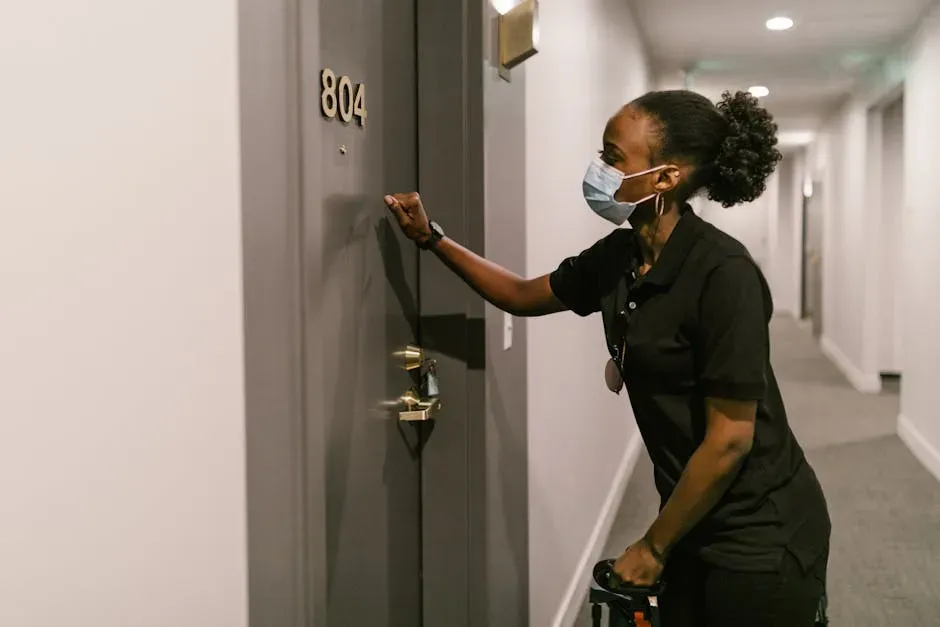
Let’s be real: no sign on the planet overrides a genuine emergency. If hotel staff have reason to believe a guest is in physical danger, unconscious, or otherwise incapacitated, that DND sign becomes completely irrelevant. In most cases, if a hotel has a valid reason for a wellness check, they can proceed, even if a Do Not Disturb sign is displayed. However, they will typically try to confirm your well-being verbally first before entering the room.
Exceptions exist for emergencies, maintenance needs, or safety concerns. Fire alarms, flood detection, reported gas leaks, a neighboring guest reporting sounds of distress – all of these give staff a valid, and often legally necessary, reason to enter regardless of what is on the door handle.
Hotel staff will often initiate a check if a concerned family member, friend, or employer reports they cannot get in touch with the guest. So if someone at home starts to worry about you and calls the hotel, you could find staff knocking at your door even if you were simply enjoying a phone-free weekend. Surprising, but true.
Illegal Activity Inside the Room
Here is a scenario many travelers never think about. If hotel staff or management has reason to suspect illegal activity is taking place inside your room, the DND sign carries essentially zero weight. If an individual is using their hotel room in an ordinary way, they may have a limited right of privacy in the hotel room. However, if the hotel believes that an individual is engaging in illegal acts, hotel management has the right to enter the room and search it without the individual’s permission.
If the hotel suspects that you are engaging in illegal activities, hotel management has the authority to enter and search your room without your consent. Under no circumstances can the hotel permit law enforcement to search your room without your permission or a valid search warrant. That last part is important. Hotel management and law enforcement are two completely different entities here.
The conversation about DND signs and illegal activity did not just come up because of Las Vegas. It has been brewing for many years because of meth labs, prostitution, and other illegal activities going on in hotel rooms. Human trafficking is on the radar as well. The DND sign has, historically, provided cover for a lot of things hotels are legally and morally obligated to prevent.
Housekeeping and Maintenance: The Everyday Exceptions

Beyond emergencies and suspicious behavior, even routine hotel operations can prompt a room entry that overrides your DND sign. Hotels can enter your room for cleaning, maintenance, repairs, safety regulation enforcement, and complaint resolution, including noise. These are broad categories, not narrow ones.
A final exception to your right to privacy is for cleaning and maintenance. Hotel management has the right to enter your room to clean or perform necessary maintenance. If there is a reported leak from the ceiling of the room above you, or a fire safety system that needs to be checked, a DND sign will not stop that process.
Hotel staff can enter for emergencies, maintenance, or housekeeping during specific hours, usually with prior notice. Hotel staff can enter for maintenance but usually inform guests beforehand or schedule it during convenient hours. The “usually” in that sentence is doing a lot of heavy lifting, and experienced travelers know it.
Disney Ditched the Sign Entirely
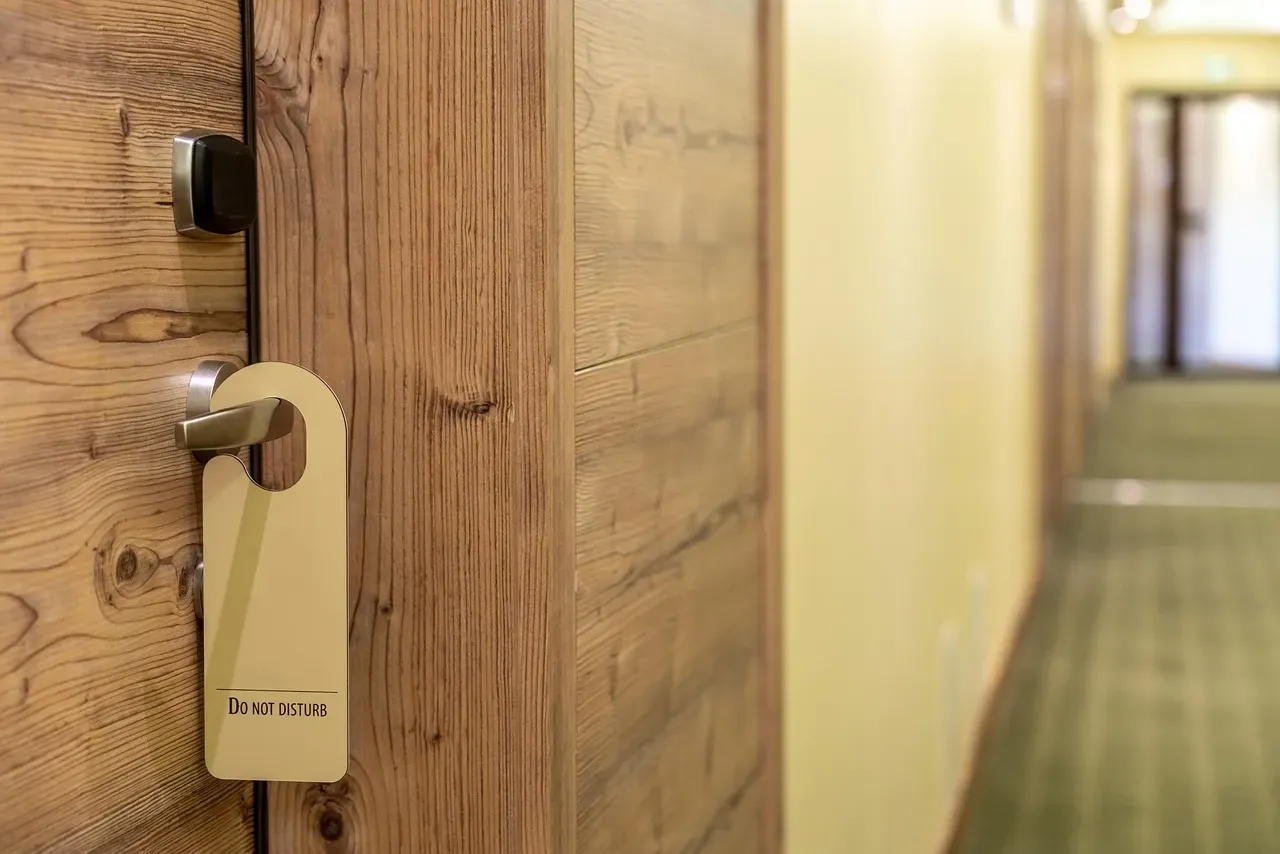
Some hotels did not bother trying to reword or rethink the DND sign. They simply got rid of it. The Walt Disney World hotels and resorts were the first to make a change, replacing the Do Not Disturb signs with ones that read “Room Occupied.” The company’s information packet warns guests that staff “reserve the right to enter your room for any purposes,” including maintenance and checking on the safety and security of guests and property.
The days of simply hanging a Do Not Disturb sign to ensure complete seclusion during a stay appear to be numbered. Chains are adopting a more proactive approach, utilizing “Room Occupied” signage, and essentially replacing the guest’s control over when the room is accessed with a hotel-mandated check-in. This shift is more philosophical than it first appears.
This approach is raising eyebrows among travelers who highly value privacy and might be uncomfortable with a staff member regularly entering their room. It represents a sea change in how hotels manage safety, with some travelers possibly feeling less in control of their environment. Whether you find this comforting or alarming probably depends on what you were planning to do on your vacation.
Your Fourth Amendment Rights and Their Hotel Limits
It sounds strange to talk about constitutional rights in the context of a hotel minibar and a fluffy robe, but it’s genuinely relevant. Courts have recognized that the Fourth Amendment protection from unreasonable searches and seizures applies to searches and seizures in hotel and motel rooms. That is real legal protection, not just a polite suggestion.
A guest’s Fourth Amendment rights expire once checkout time has passed. However, this may be modified by the hotel’s practices and guest communications. Hotel policies and practices may extend Fourth Amendment protections past the guest’s pre-arranged checkout time. So the legal clock ticking in your favor stops at checkout – not when the DND sign comes down.
The Fourth Amendment protects individuals from unreasonable searches and seizures, a right that extends to hotel rooms. However, this right is not absolute and does not grant immunity from checks conducted for legitimate security or welfare concerns. It’s a balance, not a blanket protection, and the hotel often gets to tip that scale.
What You Can Actually Do to Protect Your Privacy
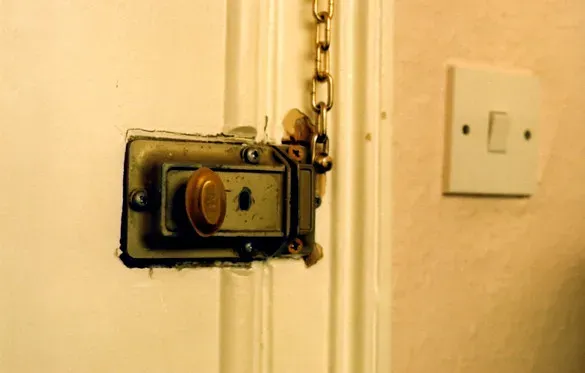
Knowing the rules of the game helps you play it better. There are real, practical steps you can take to maximize your privacy during a hotel stay, even in the post-Las Vegas, post-DND-overhaul world. Always lock your door. Use the deadbolt and security latch if available. This adds an extra layer of protection. Staff can override a keycard lock, but they generally cannot override a physical deadbolt or chain from inside.
Guests should review hotel policies and local laws regarding room access. Employees typically document reasons for entry when overriding such signs to ensure transparency and legal compliance. Asking the front desk directly about their DND policy at check-in is also completely reasonable and actually something more guests should do.
There is a subset of invasion of privacy claims called “intrusion upon seclusion.” This claim applies when someone intentionally intrudes upon the solitude or seclusion of another, where they have a reasonable expectation of privacy. You have a reasonable expectation of privacy in your hotel room. If staff enter without proper justification and without announcing themselves, recoverable damages for intrusion may include emotional distress, injury to reputation, as well as punitive damages. Knowing your rights is your strongest tool.
Conclusion: The Sign Means Less Than You Think
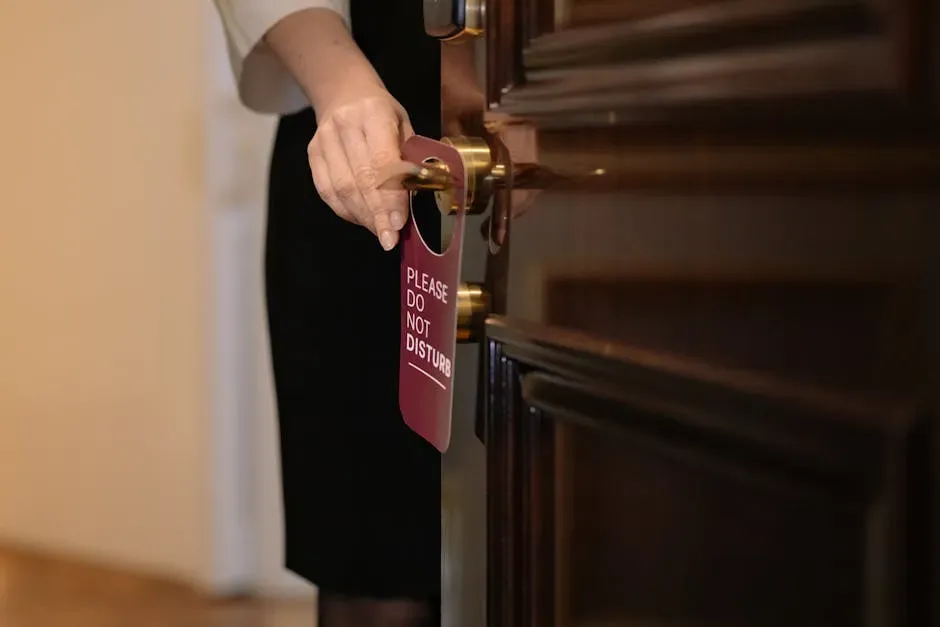
The Do Not Disturb sign has always felt like a small act of power – a declaration that you are in control of your temporary space. The reality, as we’ve explored, is considerably more complicated. Hotels hold more authority over your room than most guests ever stop to consider, and that authority has only grown stronger in recent years.
Between safety-driven policy overhauls following major tragedies, the legal right of hotels to enter for maintenance and wellness reasons, and chains like Disney outright replacing the sign with a more transparent alternative, the idea of absolute privacy in a hotel room is more mythology than fact. That little hanging sign is a request, not a lock.
The good news is that knowledge is genuinely protective. Read the policy at check-in, use the deadbolt, and remember that most staff entries are motivated by safety, not nosiness. Still, it’s worth asking yourself – did you ever really read what you agreed to when you booked the room?