


Every acting school has a pitch. Glossy brochures. Famous alumni. The suggestion, barely whispered but always present, that enrollment is step one toward a career that actually works. For a lot of aspiring actors, it’s a compelling story. The trouble is, the industry tells a different one.
The reality behind acting and performance schools is messier, costlier, and far more complex than the brochures ever admit. Tuition has rocketed into the stratosphere, and for every graduate who lands a coveted gig, countless others hustle through the gig economy or pivot to a new dream. What follows are eight training institutions that, for various reasons, tend to leave graduates in a difficult position once they step outside the classroom and into an industry that doesn’t always recognize what they’ve learned.
The Lee Strasberg Theatre and Film Institute: Method to the Madness

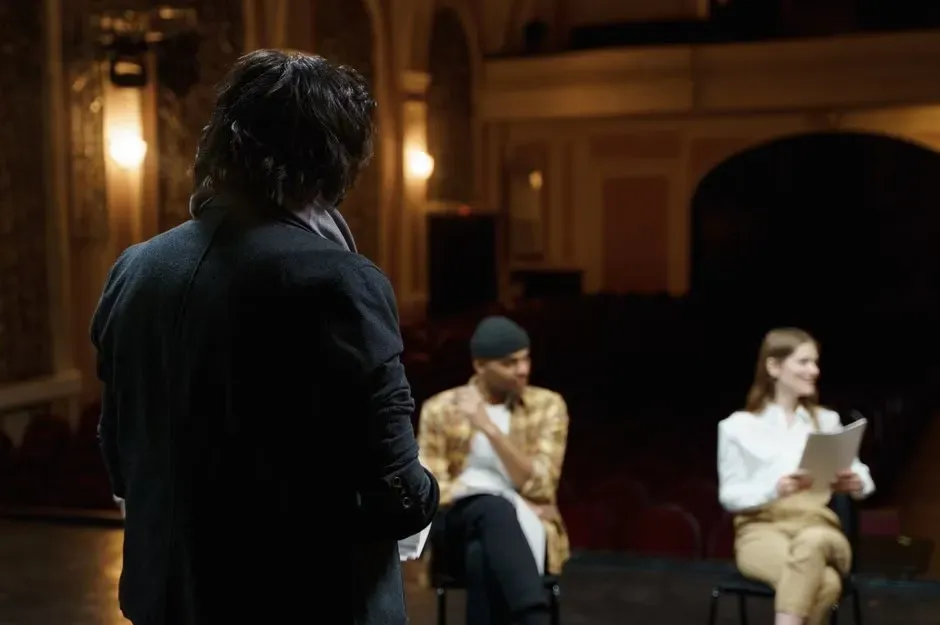
The Lee Strasberg Theatre and Film Institute was founded in 1969, and its students learn method acting, a technique created and developed by Strasberg himself. The approach has legendary credentials. The Institute emphasizes Method Acting, a technique made famous by Marlon Brando and Al Pacino, which involves emotional memory and personal experience as tools for creating authentic performances.
The problem isn’t the pedigree. It’s the gap between what the Method produces and what a post-streaming casting director actually needs on a Tuesday afternoon. Graduates trained exclusively in deep emotional excavation can struggle when the job calls for speed, flexibility, and the ability to take a quick on-camera redirect. The technique is powerful. The market, increasingly, is not waiting for it.
The American Conservatory Theater: Prestige Without the Pipeline

American Conservatory Theater, a Tony-winning regional theater and educational institution, is the largest theater company in the San Francisco Bay Area and has an indomitable foothold in the heart of its city’s burgeoning theater scene. That regional foothold is part of the appeal. It’s also part of the limitation. San Francisco is not Los Angeles, and the industry connections that matter most for screen careers tend to cluster elsewhere.
Graduates from ACT often find themselves extremely well-prepared for stage work in the Bay Area and Pacific Northwest, but underconnected to the casting ecosystem in New York and Los Angeles. Many drama programs are now in the midst of figuring out how to respond to different audience behaviors post-pandemic, and institutions have been updating their curricula to better prepare their students with a greater emphasis on on-camera training. ACT has moved in that direction, but its reputation still reads as theater-first to many screen casting directors.
CalArts Acting: Experimental Excellence, Commercial Invisibility

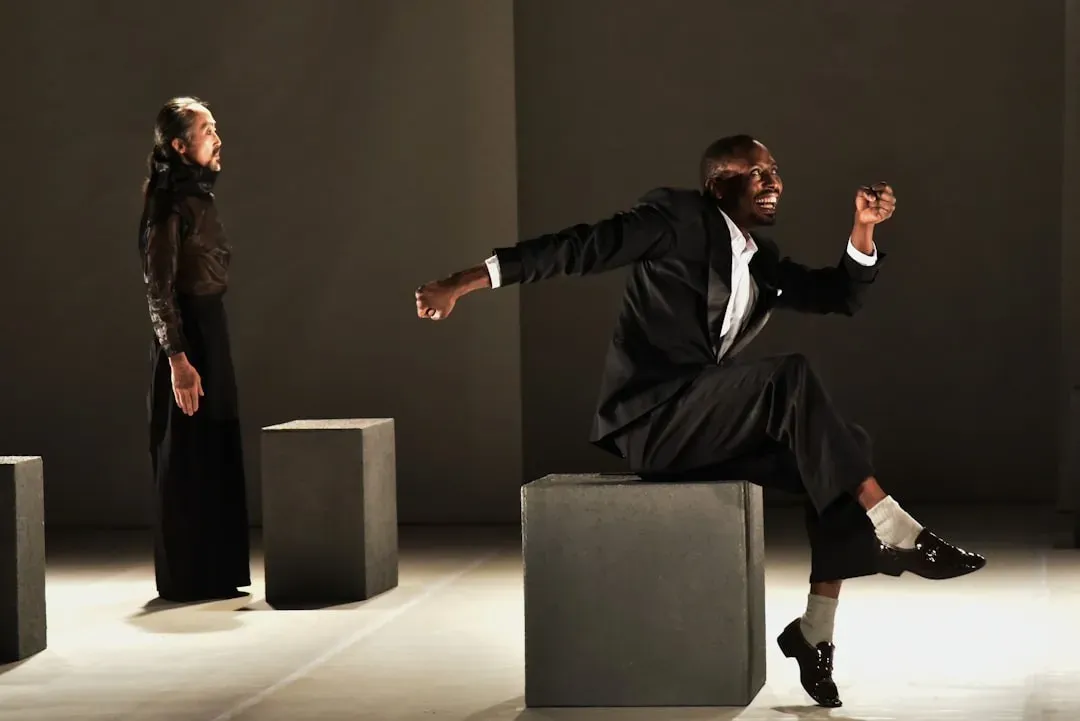
CalArts’ MFA Acting program is built for artists who want to push boundaries, blending rigorous actor training with devised work, movement, voice, and experimental performance. Students collaborate across disciplines, including film, animation, music, and visual arts, and the program emphasizes developing an individual artistic voice. That is genuinely rare, and for a certain kind of artist, it’s exactly right.
The challenge is that “individual artistic voice” is not typically the first thing a network television casting director puts on their wish list. Graduates of CalArts’ acting program tend to thrive in devised theater, experimental performance, and interdisciplinary art contexts. Breaking into mainstream screen work requires a translation that the school, by its own design philosophy, doesn’t always prioritize.
Full Sail University: The Credibility Gap


Full Sail University markets itself aggressively to aspiring entertainers, offering programs in film, entertainment, and performance. Its production facilities are modern and its branding is slick. However, the school has faced persistent skepticism from industry professionals who question how much its performing arts credentials translate to actual casting rooms.
Partner offer

Many actors struggle to find steady work, and few achieve recognition as stars. That struggle is compounded when a graduate’s institution carries little weight with casting directors and talent agencies. Full Sail’s strong suit is technical production education. Its acting-adjacent programs occupy a different tier entirely, and graduates often discover that agents and managers have firm opinions about which schools signal serious craft training.
NYU Tisch School of the Arts: The Debt Trap


NYU Tisch School of the Arts offers a hybrid model, combining classical and contemporary methods, and allows students to explore multiple techniques across different studios, including Meisner, Adler, and Viewpoints. On paper, that breadth sounds like an advantage. In practice, the cost of accessing it is where the story gets complicated.
In 2025 and into 2026, the reality behind these schools is messier than glossy brochures admit, with tuition and living expenses having rocketed into the stratosphere. Tisch in Manhattan sits at the top of that cost curve. Graduates frequently enter the profession carrying six-figure debt, which immediately narrows the kinds of risks they can afford to take. Actors may have periods of unemployment between roles, and some hold other jobs in order to make a living. That reality hits harder when a student loan bill arrives every month regardless of how the auditions went.
The Actors Studio Drama School at Pace University: Reverence Over Relevance


The Actors Studio Drama School MFA program at Pace University offers the authenticity and authority of the Stanislavski System and the Method, positioning itself as an ideal conservatory for aspiring actors who want to tackle a broad range of character and leading roles. It is the only MFA program crafted and sanctioned by the legendary Actors Studio, and all core teachers are Lifetime Members of the Actors Studio.
There’s no questioning the historical weight of that legacy. The difficulty is that the industry has moved considerably since the golden age of Method Acting dominated Hollywood. Drama programs have been updating their curricula to put a greater emphasis on on-camera training and on actors creating their own work. A training philosophy built on reverence for a specific tradition can leave graduates feeling slightly out of step with a production landscape that rewards speed, adaptability, and a willingness to self-generate content.
RADA: Prestige That Travels Unevenly


The Royal Academy of Dramatic Art in London is one of the most recognized names in global acting training. Its alumni list is formidable, its reputation above reproach, and its classical training widely respected. RADA, though prestigious, often offers more affordable rates for domestic students in the UK. For British actors, that value proposition makes reasonable sense.
For non-British graduates hoping to break into American television and film markets, the transition is rarely seamless. RADA is one of the best acting schools in the world, but as part of the University of London it is also one of the hardest acting schools to get into, boasting state-of-the-art facilities and strong links to the UK theatre industry. Those UK theater links are the key phrase. International graduates often return home to discover that RADA’s network runs deep in London’s West End and considerably shallower in Los Angeles casting offices.
Carnegie Mellon University School of Drama: The Conservatory Ceiling

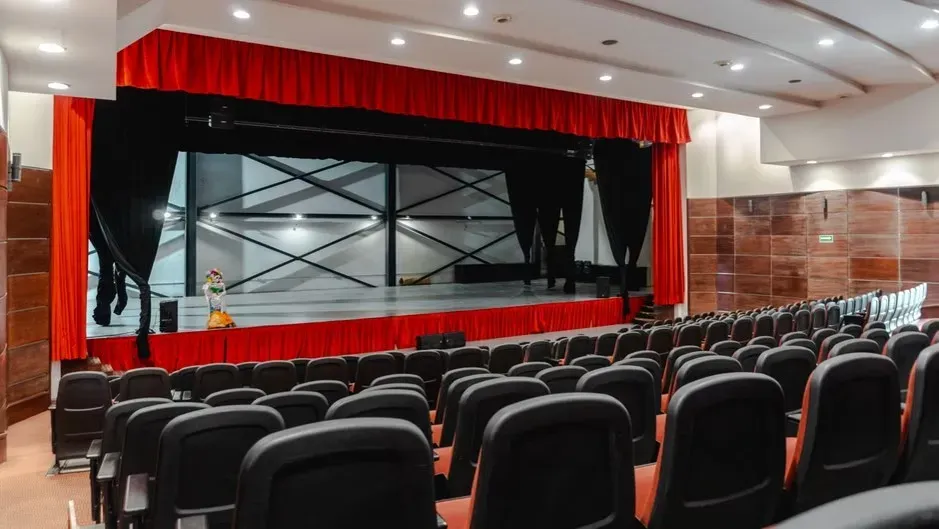
Carnegie Mellon University’s MFA Acting program is a conservatory known for discipline, craft, and professional readiness. Students train intensively in voice, movement, text, and character work, progressing through a structured curriculum that builds technical mastery. The program is rigorous in ways that many other schools simply aren’t. Graduates are technically polished, often remarkably so.
The friction emerges from the other side of that coin. A highly structured conservatory model can produce actors who are technically excellent but stylistically narrow in the eyes of casting directors looking for something looser, more instinctive, or harder to categorize. Graduating actors face an increasingly contracted TV marketplace, and in that environment, technical mastery alone rarely opens doors. Relationships, flexibility, and an ability to work quickly in front of a camera often matter more than flawless classical technique. Carnegie Mellon’s graduates are rarely under-prepared. Sometimes, though, they’re prepared for a version of the industry that exists more in training rooms than on actual sets.
Partner offer
Planning a trip to Vegas?
Compare hotel rates and show tickets on VEGAS.com.


