There’s a version of the music industry story that everyone knows: a young artist gets discovered, signs a record deal, and watches their life transform overnight. The advance lands, the album drops, the tours sell out. What that story tends to leave out is what happens to the money – and more often than not, the answer is complicated, painful, and instructive for anyone who’s ever held a pen near a dotted line.
The record business has allegedly scammed countless musicians out of their masters, publishing rights, royalties, and just about everything else under the sun. The cases below aren’t abstract. They’re documented, fought in court, and in several instances changed the way artists think about what they’re actually agreeing to when a label comes calling.
Taylor Swift and Big Machine Records: Losing Six Albums Overnight

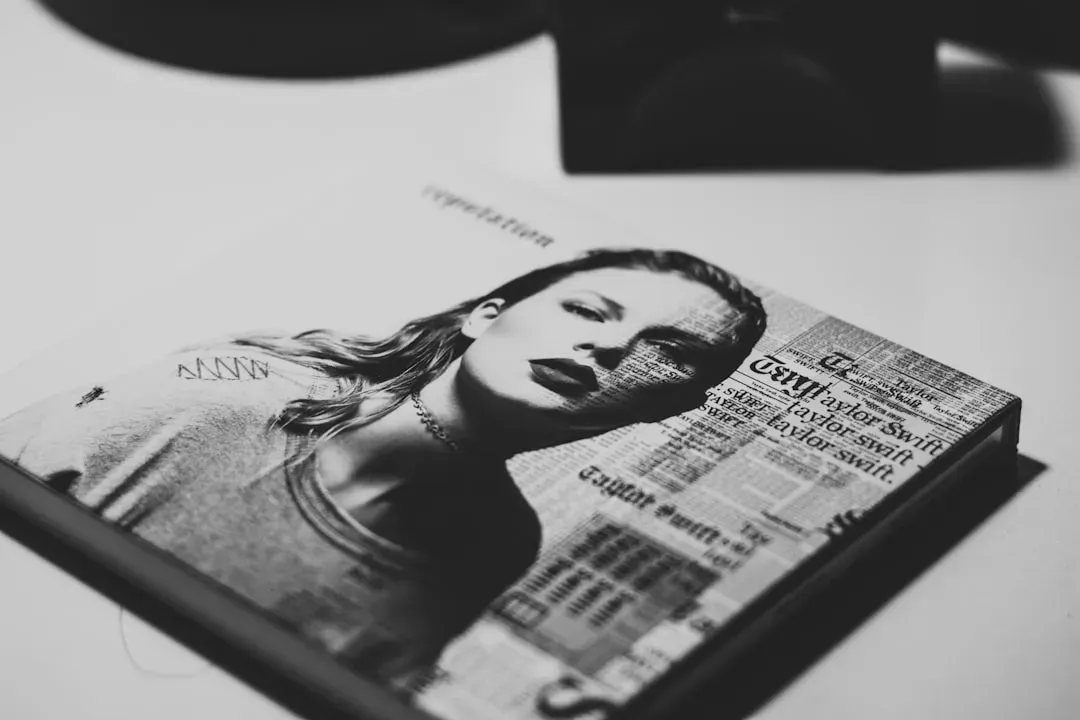
Though the dispute officially began in 2019, the story actually starts over a decade prior, when Swift was simply a 15-year-old aspiring singer-songwriter. In 2005, she inked her first record deal with then-new Nashville company Big Machine Records, signing over the ownership of her first six studio albums’ masters. It was a standard industry arrangement at the time, but for Swift it would later prove enormously costly.
In June 2019, a dispute emerged between Swift and her former record label, Big Machine Records, its founder Scott Borchetta, and its new owner Scooter Braun over the ownership of the masters of her first six studio albums. The private equity firm Shamrock Holdings acquired the masters in 2020, whereupon Swift re-recorded and released four of the albums from 2021 to 2023 to exert control over her music catalog. Ultimately, Swift acquired the masters from Shamrock in 2025. When Swift reclaimed the masters in 2025, journalists considered it a watershed for musicians’ rights and ownership of art.
Prince vs. Warner Bros.: The Artist Who Wrote “Slave” on His Face

Prince was writing and recording more material than his Warner Bros. contract allowed to be released, leaving the singer-songwriter frustrated. Despite efforts to eschew his contract by performing under a different name and recording what amounted to a second catalog of his work, his agreement with Warner Bros. tied him down. The creative suffocation was as damaging as any financial clause.
Infamously, Prince performed at the 1995 Brit Awards, where he was named International Pop Music Star of the Year, with the word “slave” written on his cheek. Prince and Michael Jackson were two of the most critically acclaimed and commercially successful artists of all time, yet both legends were forced to fight their labels over contracts that exploited their talents and denied them a fair share of the profits from their work. Prince’s central argument has since become a rallying cry across the industry: if you don’t own your masters, the label holds every card.
TLC: Platinum Records, Empty Bank Accounts
Less than a year after “CrazySexyCool” was released, TLC shocked everyone by filing for Chapter 11 bankruptcy on July 3, 1995, with a debt of $3.5 million. One of the best-selling girl groups in history had managed to hit the top of the charts and the bottom of their finances at the same time. Despite their massive success, TLC claims they were swindled into signing an unfavorable contract with their manager Pebbles and their record label. The agreement that all three members signed gave Pebbles ownership of the name “TLC” as well as an allegedly unfair percentage of their earnings. They were not given a copy of their contract and they used the same attorneys as Pebbles when they were negotiating.
TLC’s initial contract stated the group would earn about 7% of every album sold. That earning was further impacted by reimbursing the record company’s expenses such as studio and video production, promotion and tour support, and early advances before record sales. This left each member with only $50,000 a year, a measly amount for a girl group that had a multi-million selling album. They claim that as “CrazySexyCool” became more successful, they actually became more in debt. The paradox is almost hard to believe on paper, but the bankruptcy filing made it very real.
Lil Wayne vs. Cash Money Records: Millions Owed, Albums Held Hostage

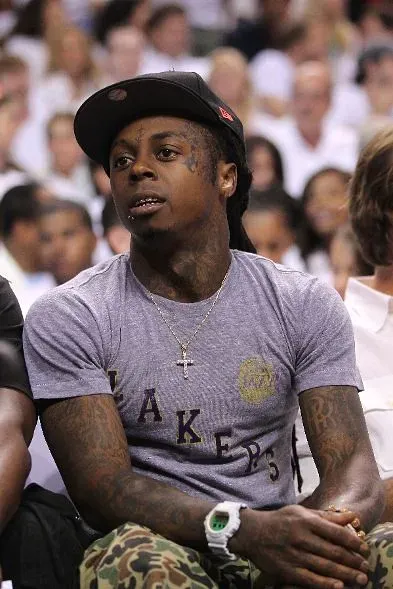
Though tied to Cash Money Records since his teenage years, Lil Wayne found himself entangled in predatory practices of the music industry. In 2015, he sued Cash Money for a whopping $51 million, citing their refusal to release his album Tha Carter V, unpaid royalties, and control of his Young Money Entertainment, which was at that time the home to Drake and Nicki Minaj. The lawsuit revealed how deeply a label can bury a career simply by stalling releases and withholding money.
Wayne sought to end his contract with the label, claiming the company owed him a substantial amount of money connected to Tha Carter V. A year later, Wayne slapped Cash Money’s distributor, Universal Music Group, with another lawsuit, claiming unpaid royalties from both his music and the artists his Young Money label helped foster, such as Drake and Nicki Minaj. Eventually, Wayne and Birdman would come to an agreement, and Tha Carter V was finally released in 2018, seven years after its predecessor. The wait alone speaks to how little power an artist can have, even at the peak of their commercial career.
Megan Thee Stallion and 1501 Certified Entertainment: A $10,000 Advance and a 360-Degree Trap


The issues between Megan Thee Stallion and her former label, 1501 Certified Entertainment, are well-documented. In 2018, Megan signed with former baseball star Carl Crawford’s imprint, reportedly receiving a modest $10,000 advance, a figure considered well below industry standards. She later claimed the deal was a “360 agreement,” allowing the label to collect a share of her earnings beyond album sales, including revenue from live performances and merchandise.
Tensions escalated when Megan sued 1501 Certified Entertainment, after the label disputed whether her 2021 release Something for Thee Hotties qualified as an official album under her contract. Meanwhile, the label’s actions reportedly stalled the release of her new music. Her case became a high-profile example of how a 360-degree deal can transform from a standard industry arrangement into a mechanism for near-total financial control. There are also practices like “shelving,” where artists are put in a situation where record companies can legally prevent them from releasing their work.
Mase and Bad Boy Records: Publishing Rights Lost for $20,000


Hip-hop becoming big business has benefited a number of artists, but along with that success has come greed, financial impropriety, and other unsavory tactics deployed by the very corporations and companies that profit off the music. This has resulted in a number of rap artists and producers getting the short end of the stick in terms of compensation for their work. Few cases in the Bad Boy era illustrated this as sharply as Mase’s.
In an online post, Mase stated that his publishing from 24 years prior had been retained by the label in exchange for just $20,000. He also revealed he was forced to perform, saying that he was getting peanuts while the situation continued. In 2023, Diddy made the decision to give publishing rights back to his artists, including Mase, Faith Evans, and Notorious B.I.G’s estate. Publishing rights represent a long-term revenue stream that most artists don’t fully grasp until they’ve already signed them away, making Mase’s story one of the most instructive warnings in modern hip-hop history.
The Systemic Problem Behind Every Signature

A lack of proper legal representation and a general lack of knowledge of the music business can have disastrous consequences for artists. Frequently, they don’t understand that the money they get from labels after a traditional record deal is essentially a loan they need to pay back through their royalties, which can also be true of marketing costs and other fees. That misunderstanding is exactly where labels have historically collected the most.
Record labels can keep a cut anywhere from 50 to 90 percent of an artist’s earnings. It is an industry norm for a new artist to only receive between 10 and 16 percent of their sales. Once the record starts making money, the label takes 100 percent of those earnings until they’ve recouped all the money they fronted the artist. From that point on, the artist and the label split the net profits. According to industry sources, that split typically ranges from 40/60 in the label’s favor to 50/50. Even artists who reach the point of recoupment often discover the numbers were never truly in their corner to begin with.