You’ve probably heard it a hundred times. “Oh, it’s fine, it’s a dry heat.” People say it like it’s a magic shield against danger. Spend a summer in Phoenix or the Sonoran Desert and you’ll quickly start to question that piece of folk wisdom. The reality is more complicated, more surprising, and honestly more alarming than most people realize.
Humidity and deserts aren’t supposed to go together. That’s the whole point of the myth. Yet science is now showing that even in some of the driest places on earth, moisture in the air can surge, shift, and quietly become one of the most dangerous health variables imaginable. Let’s dive in.
The Comforting Lie We Tell Ourselves About Desert Heat
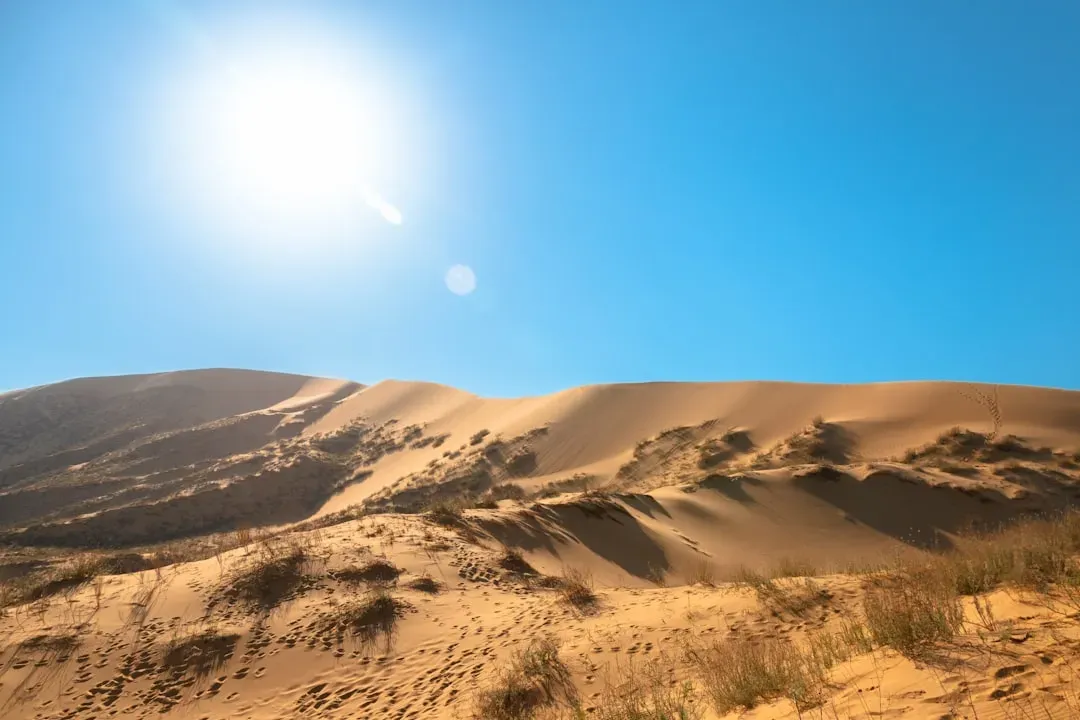
There is something almost poetic about the idea that dry heat is friendlier than humid heat. It feels intuitive. Dry heat does not feel as hot as humid heat because the body can more effectively cool itself by sweating. That cooling effect is real, and it does offer a genuine physiological advantage. The problem is people take it too far and assume the desert is somehow safe territory when temperatures climb.
This rapid evaporation can make the air feel less hot than the actual temperature might suggest, providing a false sense of comfort. Despite the immediate comfort, the high rate of evaporation in dry heat leads to rapid and often unnoticed fluid loss. You don’t feel as miserable, so you don’t think you’re in trouble. That disconnect between perceived comfort and actual danger is where things go badly wrong for people.
This continuous loss increases the risk of dehydration and electrolyte imbalances. While the body might initially feel cooler, the hidden danger lies in the potential for severe dehydration, which can lead to heat exhaustion and other heat-related illnesses if fluids are not adequately replaced. So the dry heat myth isn’t just a minor misunderstanding. It’s a dangerous one.
How the Body Actually Cools Itself and Why Humidity Breaks That System
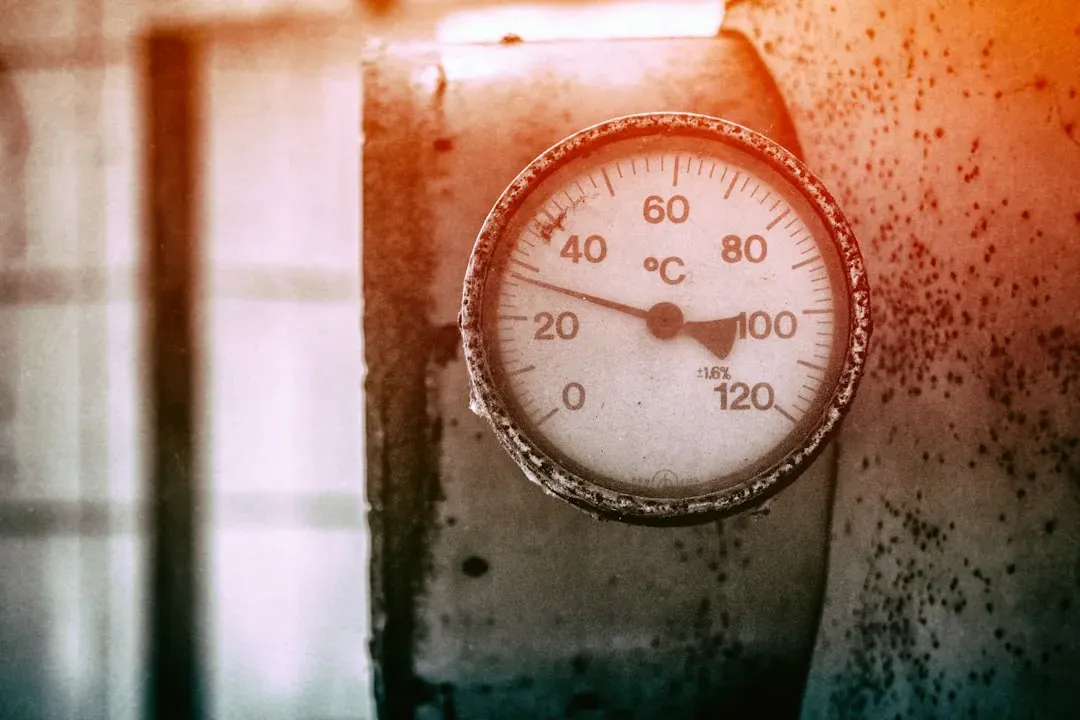
In a hot environment, body heat is mainly lost through evaporation. The effectiveness of this process depends on the vapor pressure contained in the air, that is, indirectly on the relative humidity and air temperature. Think of sweating like a radiator. In dry air, that radiator runs beautifully. Add moisture to the air and suddenly the radiator starts to clog.
Humid heat is more oppressive because high humidity significantly hinders the body’s primary cooling method: evaporative cooling. When the air is already saturated with moisture, sweat cannot evaporate efficiently from the skin. This leaves sweat clinging to the skin, reducing the cooling effect and making individuals feel sticky and uncomfortable.
The reduced ability to cool through evaporation places increased strain on the cardiovascular system. The heart must pump faster and harder to circulate blood to the skin, attempting to dissipate heat. This added stress can elevate the risk of heat exhaustion and heatstroke, even at lower ambient temperatures compared to dry conditions. That last part is worth sitting with. You can literally be in more danger at a lower temperature, just because of humidity.
The Desert Monsoon Nobody Warned You About
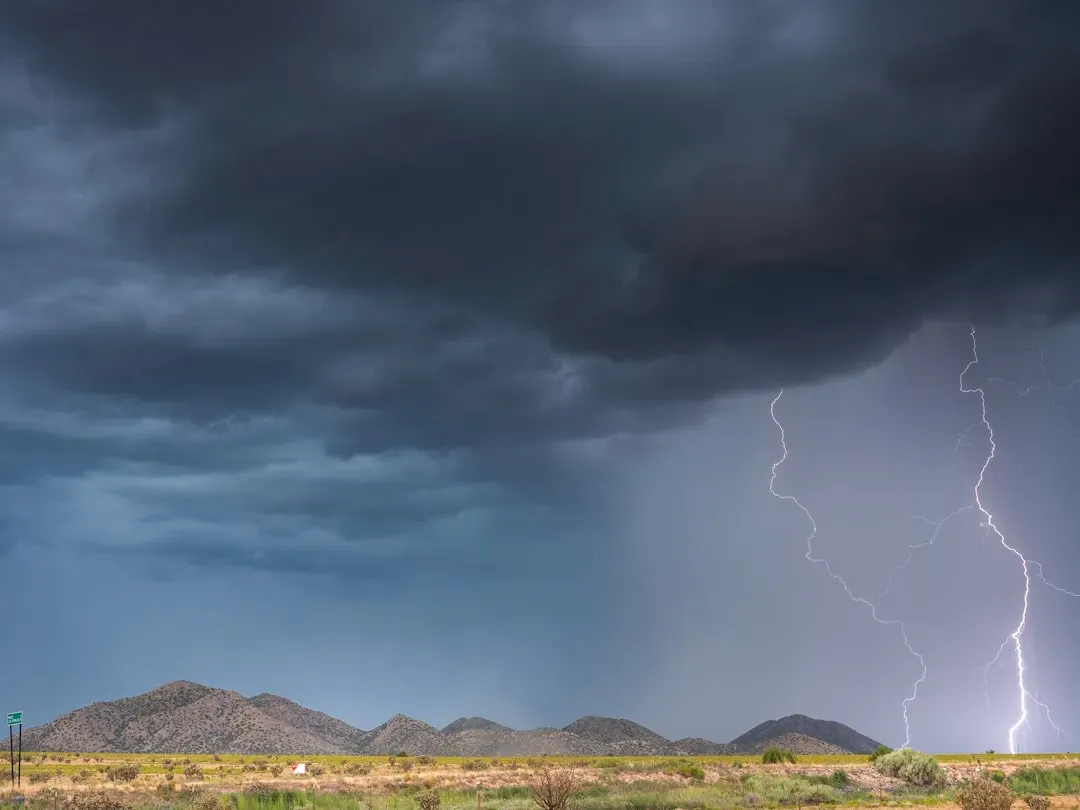
Here is the thing most people moving to Arizona never find out until their first summer. The desert is not always dry. Every summer, something remarkable unfolds across Arizona: the skies darken, thunder rumbles in the distance, and the desert air grows heavy with the scent of rain. This is the Arizona monsoon, a seasonal shift that brings much-needed moisture and a dramatic change of pace from the region’s dry heat.
While the beginning of the monsoon season is welcomed by humans and natural ecosystems, the increased humidity that accompanies higher dewpoints and monsoon rains also can contribute to health risks. Locally, increased humidity in the summer months can make the extreme heat more unbearable, resulting in greater heat-related illnesses and deaths.
In 2024, Phoenix endured a record 70 days with temperatures of 110°F and above. On average, Phoenix usually has about 99 days of 100°F temperatures and about 21 days of 110°F temperatures in the summer. Combine those numbers with surprise humidity spikes during monsoon season and the situation becomes genuinely frightening. The desert stops playing by its own rules.
Death Tolls That Defy the “It’s Just Dry Heat” Argument
Let’s be real about the numbers. According to the Maricopa County Department of Public Health, 425 people died in Maricopa County in 2022 due to heat-related illness. In 2023, that number increased by 52%, where 645 people died. That is not a rounding error. That is a catastrophe unfolding in slow motion in a place people think is manageable because of the dry air.
With 987 heat-related deaths in Arizona in 2023, many during monsoon season. The timing here is significant. Monsoon season is when the dry desert suddenly becomes a humid furnace. People who thought they knew how to handle desert heat are caught completely off guard by the change in conditions.
Heat-related issues kill more people in the U.S. every year than either lightning or tornadoes. That is a statistic that does not get nearly enough attention. We prepare for storms, floods, and hurricanes, yet the quiet, creeping danger of heat and humidity in the desert kills more Americans than most of the dramatic weather events we fear most.
The Wet-Bulb Temperature: Science’s Scariest Number
Scientists use a concept called wet-bulb temperature to capture the combined danger of heat and humidity together. Wet-bulb temperature measures the combination of heat and humidity, which can hamper the human body’s ability to cool itself if at too high a level. It is a more honest measure of danger than raw air temperature alone.
Regional climate models indicate that extremes of wet-bulb temperature may exceed a critical threshold for human tolerance. A human body may be able to adapt to extremes of dry-bulb temperature through perspiration and associated evaporative cooling provided that the wet-bulb temperature remains below a threshold of 35°C. Cross that line, and the body’s cooling system simply cannot keep up.
Deadly heat can occur even below the widely accepted 35°C wet-bulb threshold. Dry heat has been found to be as lethal as humid conditions, challenging existing safety limits. Older people face the highest risk due to reduced ability to regulate body temperature. This is a massive shift in scientific thinking. Even without visible humidity, the desert can push people past survivable limits. The 35°C threshold everyone cited for years is turning out to be far too generous an estimate.
Why Scientists Are Divided but the Danger Is Real
Honestly, the science on this is more contested than the headlines suggest, and that is worth being transparent about. Physiologists have found strong evidence that humidity matters: at a given temperature, more humidity makes it harder for the body to maintain a safe core temperature and ward off heat stroke. Epidemiologists, by contrast, have concluded that temperature alone accurately predicts heat-related death rates; adding humidity does little to improve their predictions.
One possible reason why epidemiologists have not seen an influence from humidity is that their data sets are skewed heavily toward the cooler, drier Global North. That could make it harder to see the deadly impact of humidity in countries of the Global South, where accurate mortality data are harder to come by. In other words, the absence of evidence is not evidence of absence. The data gap itself is part of the problem.
Current models to assess the health impacts of climate change do not account for every environmental parameter, especially humidity, which could influence heat stress perceived by the human body. Researchers have now incorporated humidity data from hundreds of cities into so-called heat stress indicators and assessed their performances in predicting heat-related deaths. The science is catching up. The tools we use to measure danger are finally starting to reflect reality more accurately.
Desert Heat Is Changing: The Climate Factor Nobody Discusses Enough
Climate change is not just making the desert hotter. It is changing the moisture equation in ways that complicate everything we thought we knew. The most important effect of this change is that hot days are becoming drier in many regions, harming crops and raising wildfire risk. So in some seasons, the desert doubles down on dryness. Yet in others, the pendulum swings hard the other way.
The frequency, intensity, and duration of extreme heat have increased in recent years and will continue to increase with the progression of climate change. Climate models project an increase in humidity as climate change progresses. That combination of more intense heat and more moisture is the worst of both worlds for desert residents who are unaccustomed to high humidity.
This shows climate change’s impact on monsoon weather in Phoenix. It’s not only trending hotter as the urban heat island expands, but also drier as the climate changes. The desert is caught in a deeply uncomfortable paradox. Longer dry spells interrupted by sudden humidity surges, all happening under a dome of record-breaking heat. The 2024 monsoon season in Phoenix, for instance, tied for the seventh driest on record in Phoenix with less than three-quarters of an inch of rain.
The Dehydration Trap Unique to Dry Desert Conditions
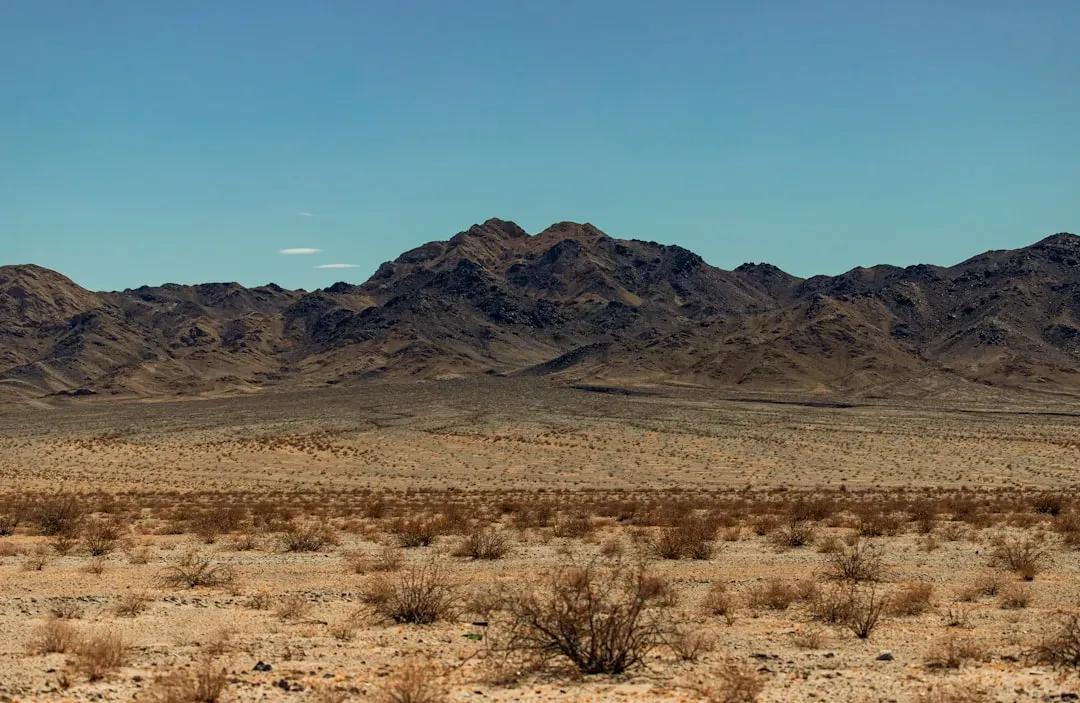
Even when humidity is low and the desert is performing as advertised, there is a serious trap waiting for the unwary. In dry air, not only does the sweat evaporate quickly off the skin, taking extra heat with it, but the moisture from your saliva and breath will also quickly evaporate. Many endurance athletes report feeling far more thirsty in dry heat than in humid heat for this reason, even though the body tends to sweat more in humid heat at the same temperature.
Think of it like a leaky faucet you cannot see or hear. You are losing water from your body constantly, through skin, breath, even just sitting outside reading. In dry heat, sweat evaporates faster, allowing the body to cool off faster. However, the quick evaporation of sweat can lead to dehydration if you’re not drinking enough water.
The primary risk in dry heat is therefore dehydration, differing from humid heat where the main concern is impaired cooling and cardiovascular strain. These are genuinely different threats requiring different responses. Knowing which danger you are facing in the desert at any given moment could be the difference between a rough afternoon and a medical emergency.
Vulnerable Populations and the Humidity Blind Spot
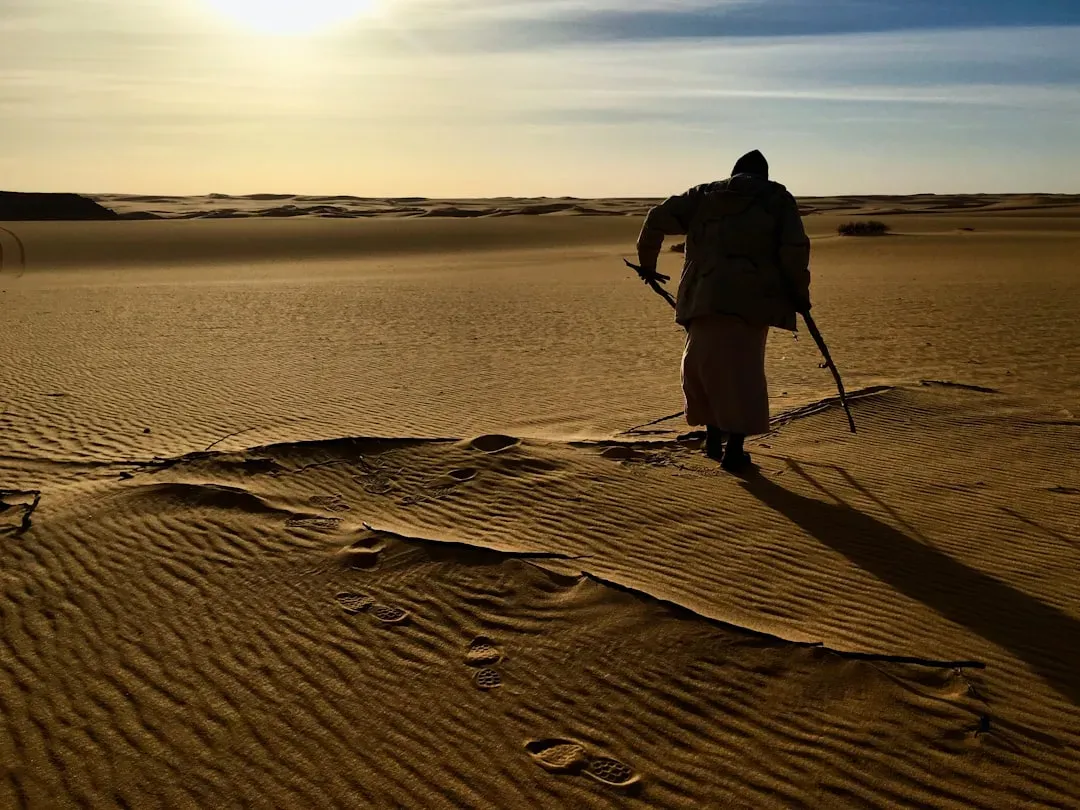
Not everyone processes desert heat the same way, and the most vulnerable people are often the ones least aware of the humidity variable. Some people are more vulnerable to heat than others, which includes infants, younger children, the elderly, and those with chronic health conditions. For these groups, even a modest spike in desert humidity can become a serious health event.
The study highlights that these conditions are especially dangerous for people aged over 65. The gap between traditional thresholds and actual risk becomes larger at high temperatures with low humidity, and when people are exposed to direct sunlight. This disparity is even more pronounced among adults aged over 65 due to reduced sweating capacity. Older adults in desert retirement communities, one of the fastest-growing demographics in places like Arizona, face a compounded risk that official heat warnings often fail to capture.
The combined warmer temperatures and increased humidity often mean greater survival and longer breeding seasons for mosquitoes, increasing the risk of vector-borne disease transmission. So it is not just about heatstroke. Desert humidity creates ripple effects across public health that most people would never connect to the weather outside their window.
What the Research Is Telling Us to Do Differently
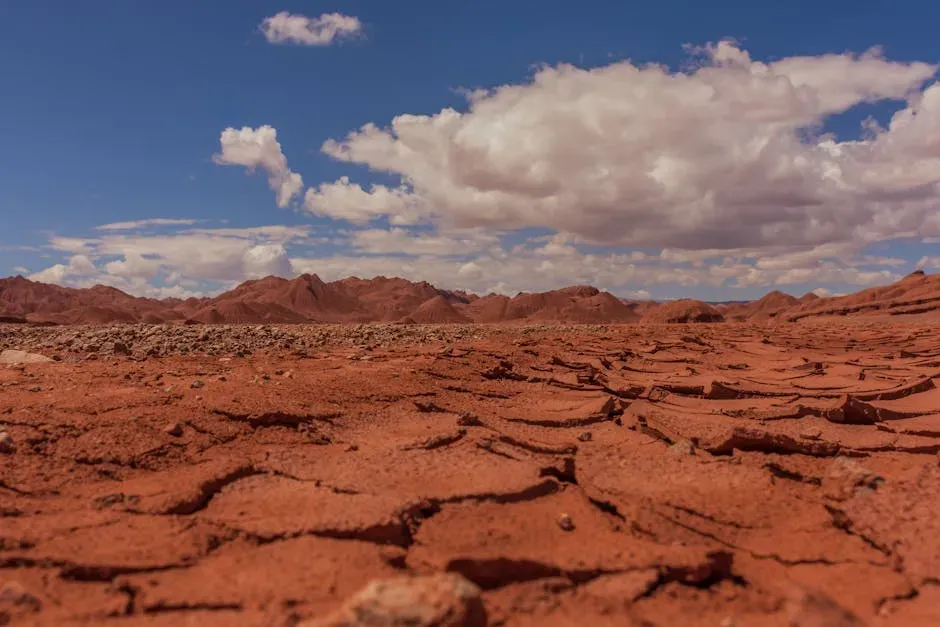
The science is pointing toward a fundamental shift in how we communicate heat danger in desert regions. The omission of humidity in climate assessments would result in an underestimation of the impact of climate change on heat stress and human health. That is a damning admission. The tools governments and emergency services have relied on to warn people are systematically underestimating the danger.
In order to prepare the public for heat events, the National Weather Service launched a tool called HeatRisk. HeatRisk takes into account how anomalously warm the temperatures are for the time of year, how long the heat is going to last, and if the temperatures can lead to a higher risk of a heat-related illness based on CDC data. That is a step in the right direction, incorporating context rather than just raw temperature.
Given that climate models consistently indicate that humid heat will increase in response to the escalating levels of greenhouse gases, it’s important to consider how findings may inform future climate resiliency efforts, such as developing heat-health action plans and early warning systems. Reducing exposure to extreme heat and humidity may help to improve health outcomes. In the desert, where so many people live with a false sense of security about their dry climate, this kind of systemic change in public health thinking cannot come soon enough.
Conclusion: The Desert Is Not the Safe Haven You Think It Is
The dry heat myth is seductive because it contains a kernel of truth. Yes, dry conditions do allow for more efficient cooling than humid ones. That is real biology. The mistake is in treating that fact as a get-out-of-jail-free card for any level of heat exposure, at any time of year, in any desert environment.
Desert climates are not static. They are seasonally dynamic, increasingly unpredictable, and shaped by a changing climate that is rewriting the rules faster than public health messaging is keeping up. Humidity spikes during monsoon season, record-breaking heat that stretches beyond 70 days in a single summer, and a growing elderly population in desert cities all point to a crisis that is already underway.
The real question is not whether you prefer the dry heat or the humid heat. The real question is whether you are taking the desert seriously enough to stay alive in it. What would you have done differently if someone had told you the dry heat was a myth from the start?