


For decades, the self-serve soda fountain was one of those small but reliable pleasures of the American fast-food visit. You ordered your meal, grabbed an empty cup, and the rest was yours to manage. Mixing flavors, loading up on ice, topping off before heading out – it was low-stakes, completely free, and oddly satisfying. That ritual is quietly disappearing. McDonald’s is ending self-serve soda fountains nationwide, shifting drink prep behind the counter as it modernizes restaurants across the country. The ripple effects on customer expectations, franchise economics, and the broader fast-food industry are more significant than a soda machine disappearing from a lobby might suggest.
McDonald’s Makes It Official

In September 2023, McDonald’s announced it was eliminating the self-serve soda fountains, with a goal to remove them all by 2032, a decision made to drive consistency for staff and customers across its many ordering points including digital, drive-through, and inside the restaurant.
The company plans to complete the transition away from self-serve beverage stations in U.S. dining rooms by 2032, with the changes expected to roll out gradually over the next several years as restaurants are remodeled or updated. This is a deliberate, decade-long process rather than an overnight switch.
Many locations have already removed them. Some restaurants across Illinois, Pennsylvania, and other states report the machines are gone entirely, replaced by employee-filled drinks or automated beverage systems behind the counter.
A Tradition That Goes Back to 2004

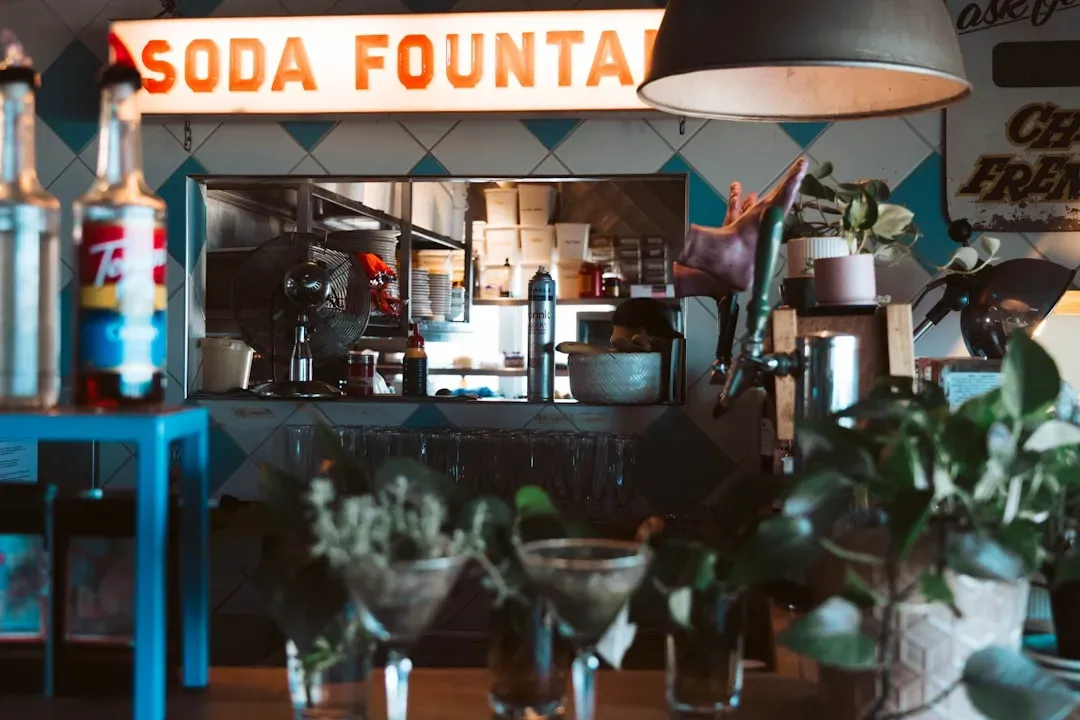
McDonald’s launched self-serve soda machines in 2004, allowing people to mix and match whatever concoctions they desired. That’s roughly two decades of customers treating the fountain station as part of the experience, a modest but familiar feature of the dining room floor plan.
The concept of free refills started in American coffeehouses in the 19th century and rose in popularity when soda jerks in diners started offering them so that guests were more likely to hang out. The practice became commonplace in fast-food restaurants in the late 1980s with the introduction of value meals.
Self-serve soda fountains have been a staple of fast-food restaurants like McDonald’s for decades, allowing visiting customers to self-pour, refill, and even customize their order by mixing all available soda options. For a certain generation of diners, that freedom felt almost like a right.
The Numbers Behind the Decision

McDonald’s serves roughly 25 million guests per day in the U.S. Assuming that about one fifth of customers dine in, and about half of those dine-in guests get a free refill, and if McDonald’s pays 10 cents per beverage, that costs the company about $250,000 a day. That translates to more than $90 million a year.
Soft drinks are famously profitable, but free refills add up. Industry estimates suggest a single fountain drink costs McDonald’s around 25 cents including cup, lid, straw, and syrup. Multiply that across millions of customers and refills, and losses can reach tens of millions annually. For franchise owners operating on tight margins, even small costs matter when scaled nationally.
When you add in the cost of maintaining machines, cleaning them, and dealing with theft, the math starts looking pretty convincing from a corporate standpoint.
Hygiene and the Pandemic Turning Point
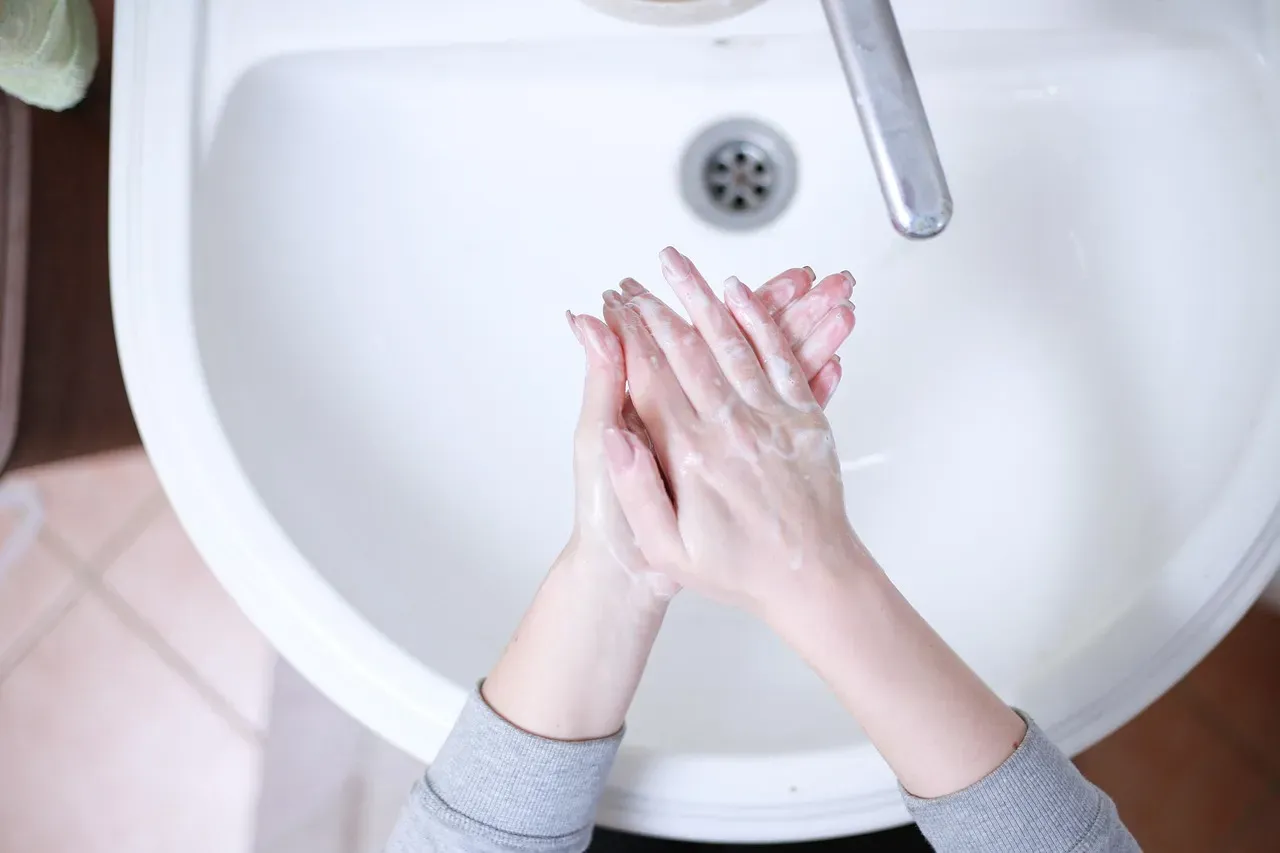
The shift began during the Covid-19 pandemic, when shared public touchpoints like soda machines became a hygiene concern. Since then, McDonald’s expanded the approach as part of broader operational changes across its restaurants.
Fountain sodas have experienced their share of bad press over the years, from moldy ice machines to potential cross-contamination when dozens or hundreds of diners push buttons, grab cups and straws, and dump out ice in an area that is often overlooked when it comes to sanitization procedures.
Franchisees report that self-serve stations invite misuse. People bring outside cups, refill without paying, or leave messes that require constant cleaning. Keeping stations sanitary means dedicating staff to monitor and clean them throughout the day – something many locations can no longer afford with lean crews focused on drive-thru and digital orders.
The Shift Toward Digital and Off-Premise Dining

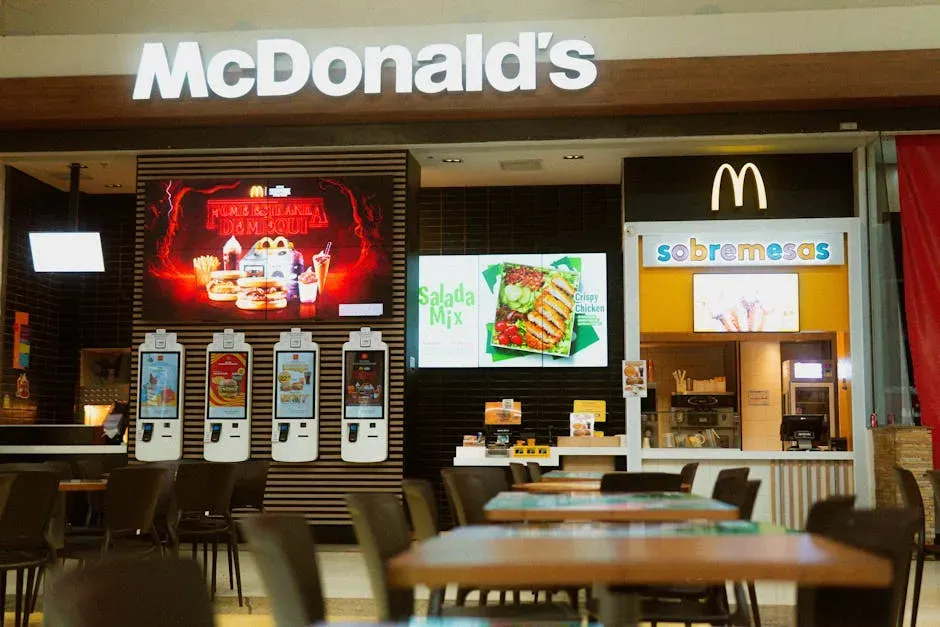
Digital sales – orders placed through the app, delivery services, and kiosks – now account for almost 40% of McDonald’s total sales. That’s a massive chunk of business that never involves a dining room at all. When fewer people are sitting down to eat, it gets harder for franchise owners to justify maintaining a drink station that takes up valuable floor space.
McDonald’s says the change is about consistency. Whether customers order through the app, the drive-thru, or inside the restaurant, the company wants the same experience across the board. Self-serve fountains, designed for a dine-in era, don’t fit neatly into a system now dominated by mobile orders and delivery.
The shift is part of a broader effort by McDonald’s to modernize its restaurants, reduce labor and maintenance demands, and adapt to changing consumer habits that increasingly favor takeout, delivery and drive-thru service over dining in.
Will Free Refills Disappear Entirely?

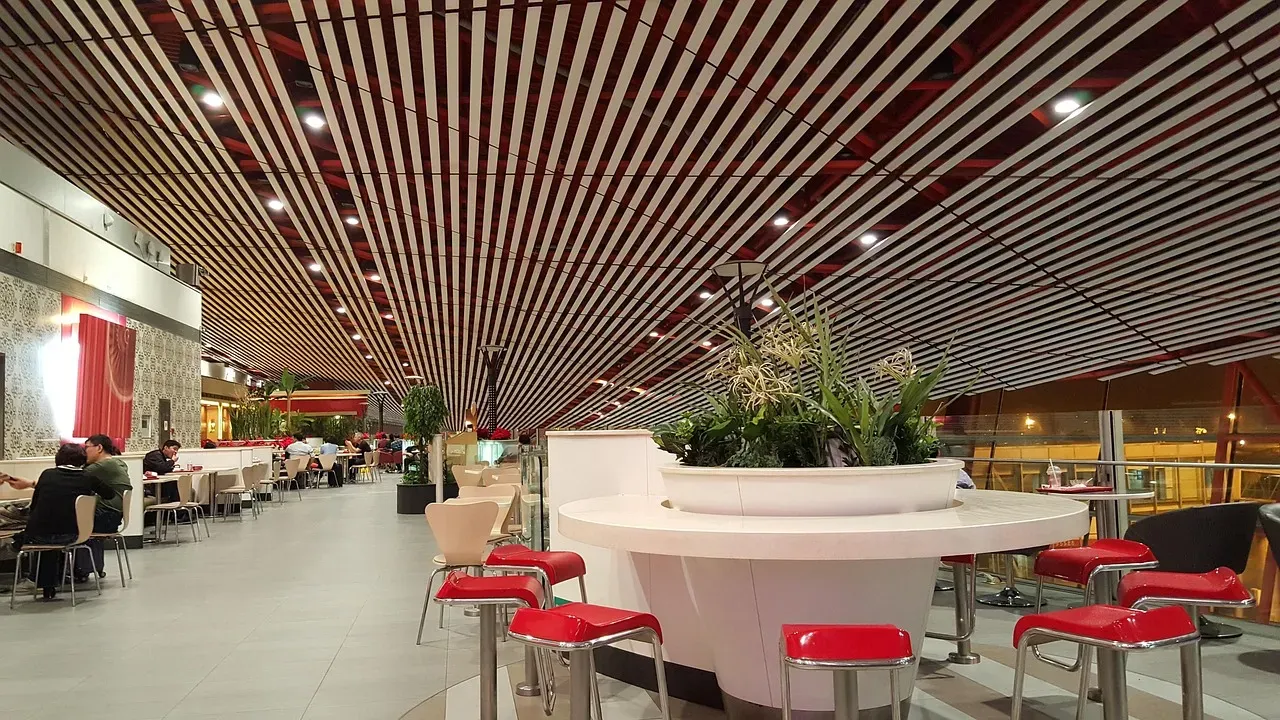
McDonald’s has indicated that refills will still be available, though customers will need to request them from staff rather than serving themselves. That’s a meaningful distinction, and not everyone finds it reassuring.
Without the drink dispensers, in-restaurant customers can’t pour themselves their own drinks, and individual franchises have the power to decide if they will charge for refills. That franchise-by-franchise approach means the experience will vary considerably depending on where you stop.
An Uber Eats driver told Marketplace in May 2024 that he was already seeing his Pittsburgh, Pennsylvania, McDonald’s charge for refills. So while corporate messaging stays cautious, the reality on the ground is already shifting in some markets.
Smaller Restaurants, Less Dining Room Space
McDonald’s CEO Chris Kempczinski has talked openly about smaller-format stores that lack the big dining rooms of traditional locations. The company even opened a test restaurant near Fort Worth, Texas, that is 26% smaller than the average McDonald’s.
By shifting beverage prep behind the counter, McDonald’s is looking to refine its kitchen workflow, eliminate the constant upkeep of lobby equipment, and maximize usable floor space. This transition provides the company with tighter oversight of portion sizes, hygiene standards, and stock levels.
In restaurants where the dining room is shrinking and the focus is increasingly on speed and throughput, a machine that requires floor space, daily cleaning, and staff attention starts to look like an expensive luxury rather than a standard amenity.
How Other Chains Are Responding

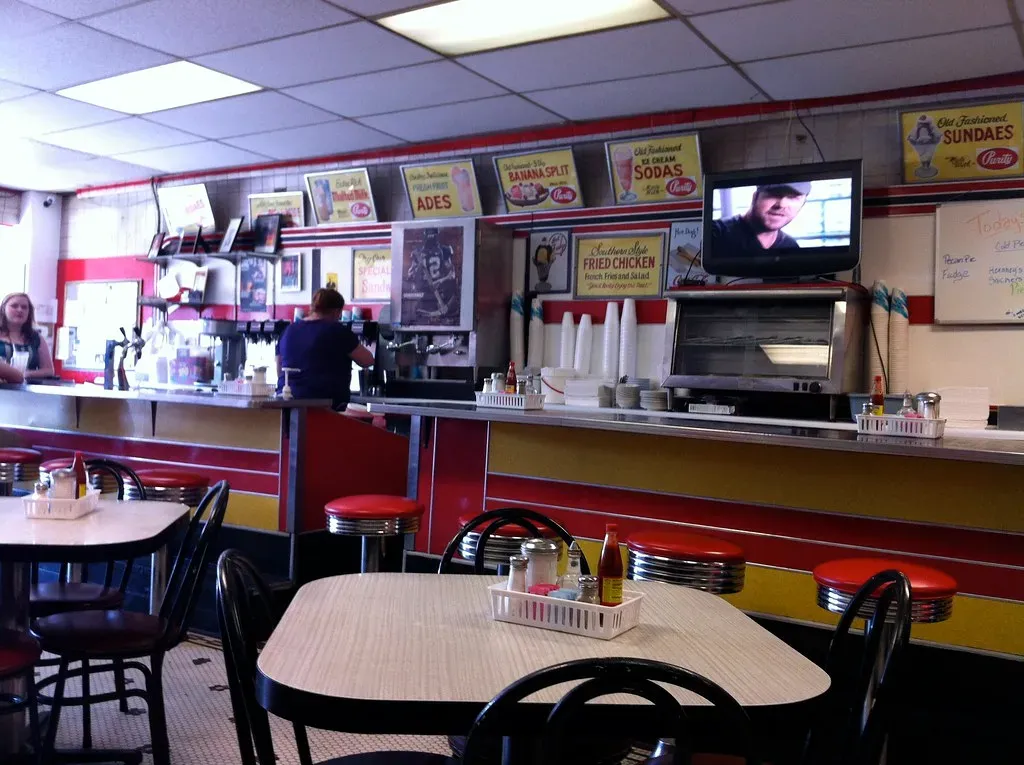
Other fast-food chains, including Burger King and Wendy’s, still offer soda fountains and have not announced similar changes. For now, McDonald’s move appears to be a solo decision among the major players, though the industry is watching closely.
Many Burger King locations have a Coca-Cola Freestyle machine – the red touchscreen machine that allows a diner to choose from an almost endless array of flavored sodas and non-carbonated beverages. Keeping that kind of offering is partly a competitive differentiator, and partly a reflection of how Burger King prefers to position the dine-in experience.
Customers at other establishments like Wegmans and Panera Bread have also noticed that the self-serve machines at some locations have disappeared since the pandemic. Some restaurants at mall food courts in Western New York and Pennsylvania have been putting their soda machines behind the counter, according to Alex Susskind, a professor of food and beverage management at Cornell University. Experts say it is a move that will likely become more widespread.
McDonald’s Pivoting to a Premium Beverage Strategy
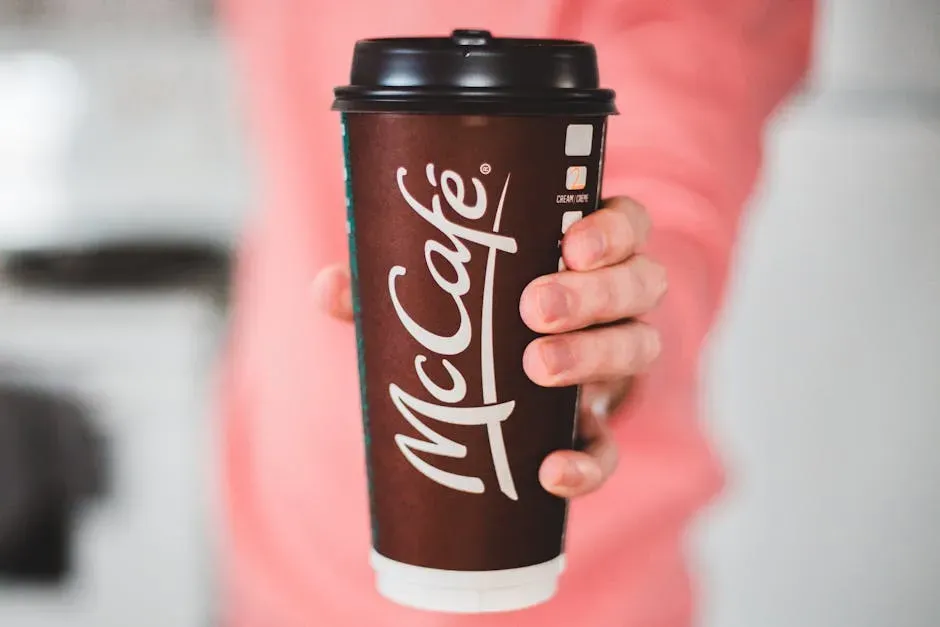
McDonald’s has been actively investing in its beverage category in recent years. The company first expanded its offerings through McCafé and experimented with CosMc’s, a dedicated beverage concept. While that spin-off closed in 2025, it served as a testing ground for new drink innovations.
This strategic pivot is intended to help the chain go head-to-head with specialty drink shops and gourmet soda boutiques. The upcoming crafted soda menu will feature a Dirty Dr Pepper alongside a fruit-forward Mango Pineapple Refresher.
In other words, McDonald’s isn’t simply removing something. It’s clearing out the old to make room for a new positioning, one where beverages are crafted, consistent, and ideally worth paying more for rather than endlessly refilled for free.
Customer Reaction and the Broader Fast-Food Mood

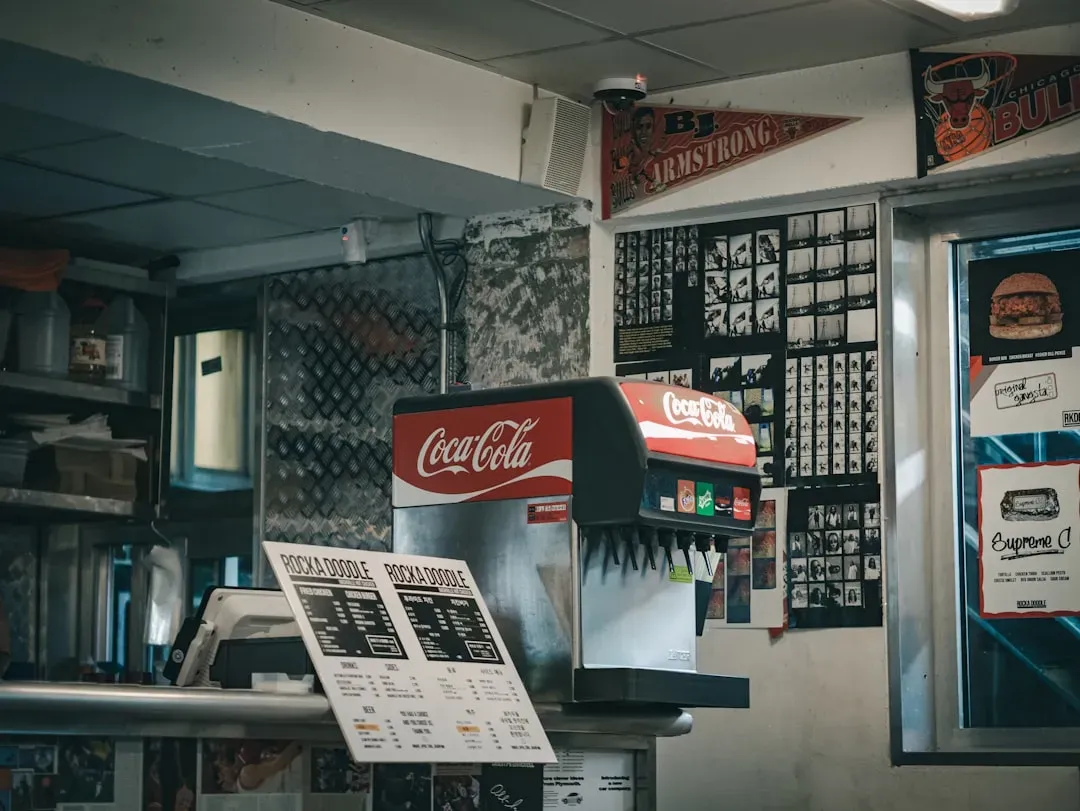
The backlash isn’t just about soda. For many, self-serve fountains symbolized choice, control, and value. Social media users lament losing their custom drink mixes, unlimited refills, and a sense that fast food still offered small freedoms.
Some social media users have shared photos of the bare countertops at their local McDonald’s where the self-serve drink station once sat. Others expressed outrage over the change, with a Reddit thread on the matter racking up nearly 350 comments.
An RMS consumer survey found that about two in five American diners said they are spending less of their disposable income on restaurants, with one in four U.S. consumers reporting they are shopping at grocery stores instead, citing better value. Removing a familiar perk like free refills during a period of consumer frustration is a delicate move, and the timing is not lost on customers.
What This Means for the Future of Fast Food
Competitors may eventually follow McDonald’s lead, as the company often sets operational trends across the industry. What McDonald’s does at scale has a way of becoming the new normal, whether the industry likes it or not.
In full fiscal year 2025, U.S. comparable sales increased 2.1% year over year. McDonald’s implemented self-ordering kiosks and removed self-serve soda machines across international markets well before it did in the U.S., and these changes continue to be successful, with international comparable sales up over three percent.
The self-serve soda fountain wasn’t just a machine. It was a small symbol of the understanding between fast-food chains and their customers: spend a few dollars, and the basics are taken care of without having to ask. That agreement is being quietly renegotiated, one lobby renovation at a time. Whether customers will accept the new terms, or gradually drift elsewhere, is a question the industry will be answering for years to come.


