Modern Arenas: Record-Breaking Capacities and Game-Changing Infrastructure

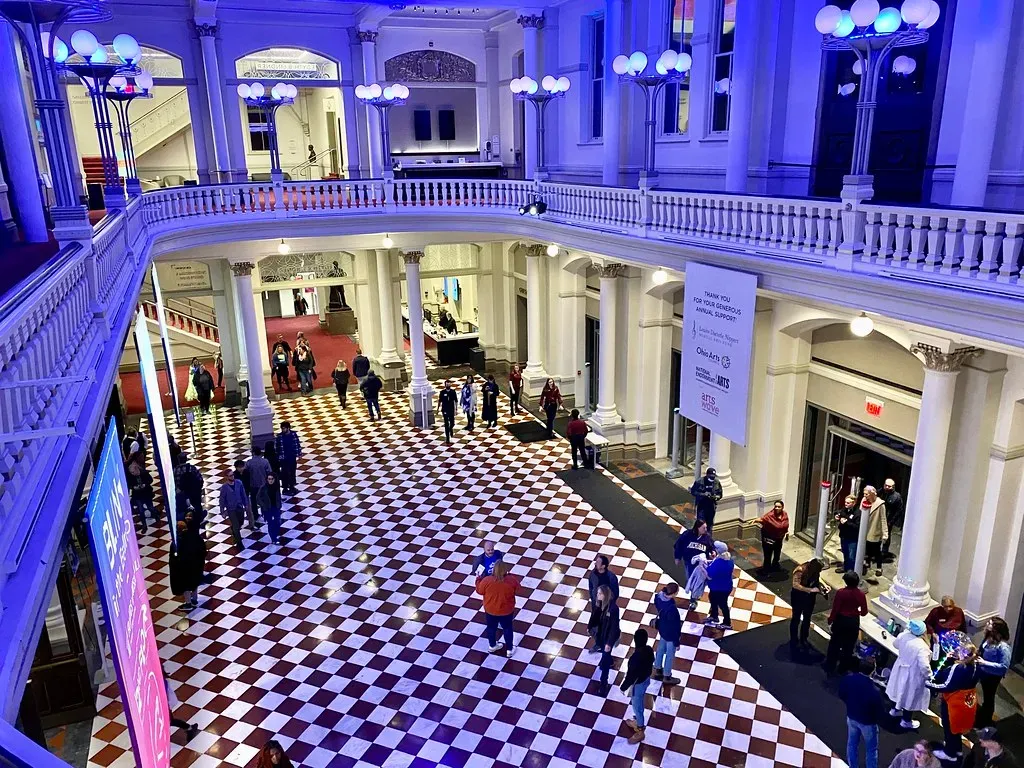
The arena landscape transformed dramatically in 2024, ushering in a new era of massive indoor venues designed specifically for festivals and live entertainment. Co-op Live in Manchester became the UK’s largest arena when it launched at Etihad Campus, with a capacity of 23,500. This wasn’t just about size. The venue represented a shift in how organizers think about audience experience, integrating multiple hospitality zones and optimized acoustics that performers praised immediately.
Honestly, the global competition to build the next standout arena has created fascinating innovations. Arena Guadalajara opened in September 2024 with a capacity of 20,000, featuring a façade inspired by Guadalajara’s colourful landscape and local materials such as the Huentitán Golden Quarry and Tequilero Blue Agave. These venues aren’t generic boxes anymore. They’re architectural statements that reflect local culture while accommodating international touring artists who demand cutting-edge production capabilities.
In Latin America, routing traditionally skewed toward festivals and stadiums because arenas were limited, yet with new venues like Arena São Paulo coming online, a defined next generation of artists and venues is emerging. This expansion opens markets that were previously underserved, allowing mid-tier and emerging acts to tour regions where only stadium-level artists could justify the logistics before.
Urban Festivals: Transforming City Spaces Into Temporary Celebration Zones

The IACC Meeting Room of the Future 2025 report found 51% of planners explored specialty or alternative venues, from stadiums and sporting arenas to vineyards and destination-based conference centres, up from 33% previously. Cities increasingly recognize festivals as powerful tools for urban branding and economic stimulation. Let’s be real, the “festivalisation” of urban spaces has become a strategic approach for municipalities seeking to revitalize neighborhoods and attract tourism.
The impacts on urban space manifest in physical aspects through festival facilities, social dimensions as places where people pursue their interests and meet with family and friends, and cultural aspects. Temporary installations now pop up in squares, parks, and repurposed industrial zones, creating dynamic environments that blur the line between everyday urban life and curated cultural experiences.
TNOC Festival 2024 brought together over 2500 participants from more than 60 countries, combining a two-week virtual program in April with an in-person gathering in Berlin at Atelier Gardens in June. These hybrid models demonstrate how festivals are adapting to serve both local communities and global audiences simultaneously, creating layered experiences that extend far beyond physical attendance.
The Market Explosion: Industry Growth and Attendance Patterns

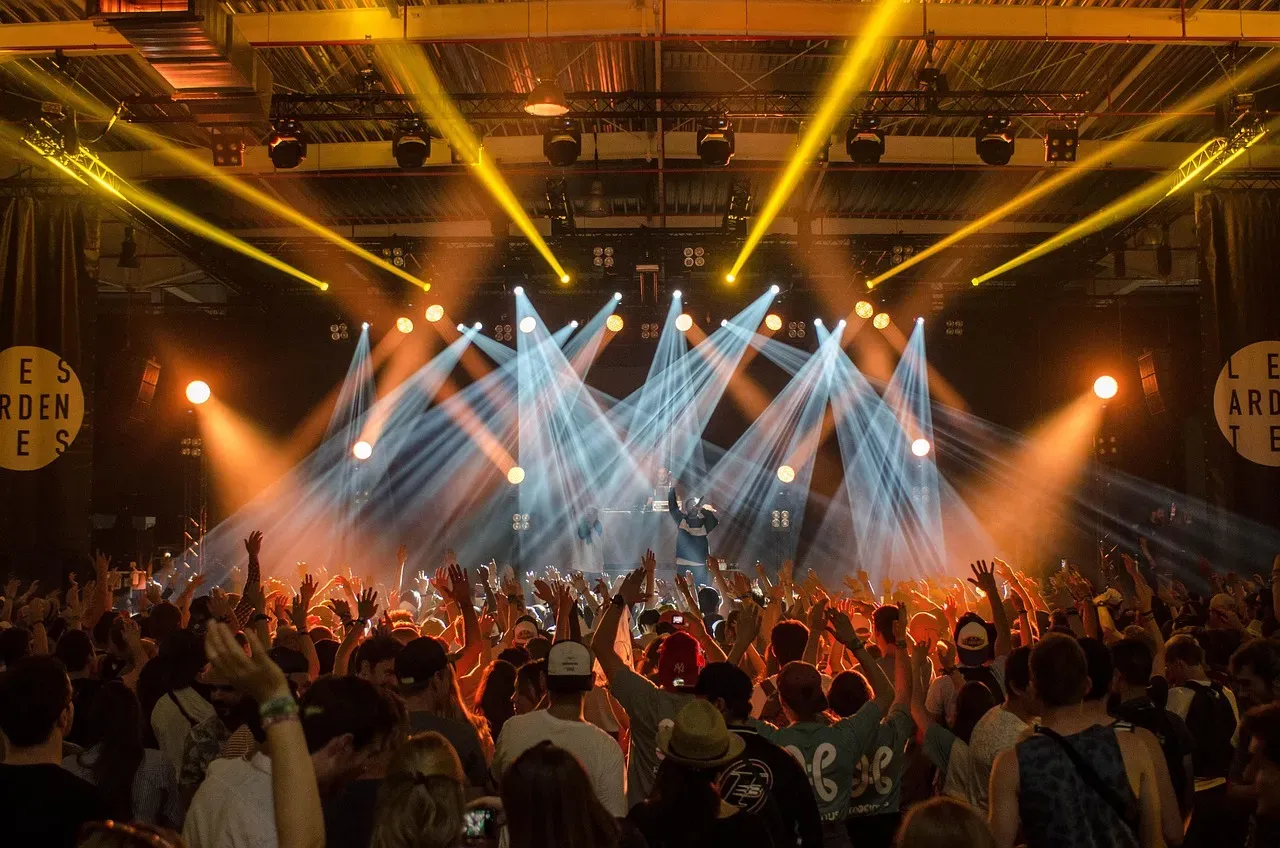
The global music festival market was valued at USD 4.61 billion in 2025 and is projected to reach USD 37.12 billion by 2035 at a CAGR of 23.17%. That’s staggering growth driven primarily by one factor: people crave live experiences that digital formats simply cannot replicate. Streaming music is everywhere, making the communal, immersive festival environment increasingly valuable as a counterbalance to isolated digital consumption.
Among young attendees, 64% of those under 24 would take a flight to see their favourite artist live. This willingness to travel has fundamentally altered how promoters think about audience catchment areas. Festivals are no longer purely local or regional events – they’re global destinations where fans plan vacations around lineups.
Boutique and niche festivals are rising in popularity, with 58% of attendees preferring them over larger commercial events. The industry is fragmenting in interesting ways. While mega-festivals continue drawing massive crowds, there’s parallel demand for intimate gatherings focused on specific genres or subcultures. This creates opportunities for diverse venue types, from sprawling outdoor fields to converted warehouses in city centers.
Outdoor Venues and Sustainability: The Environmental Reckoning

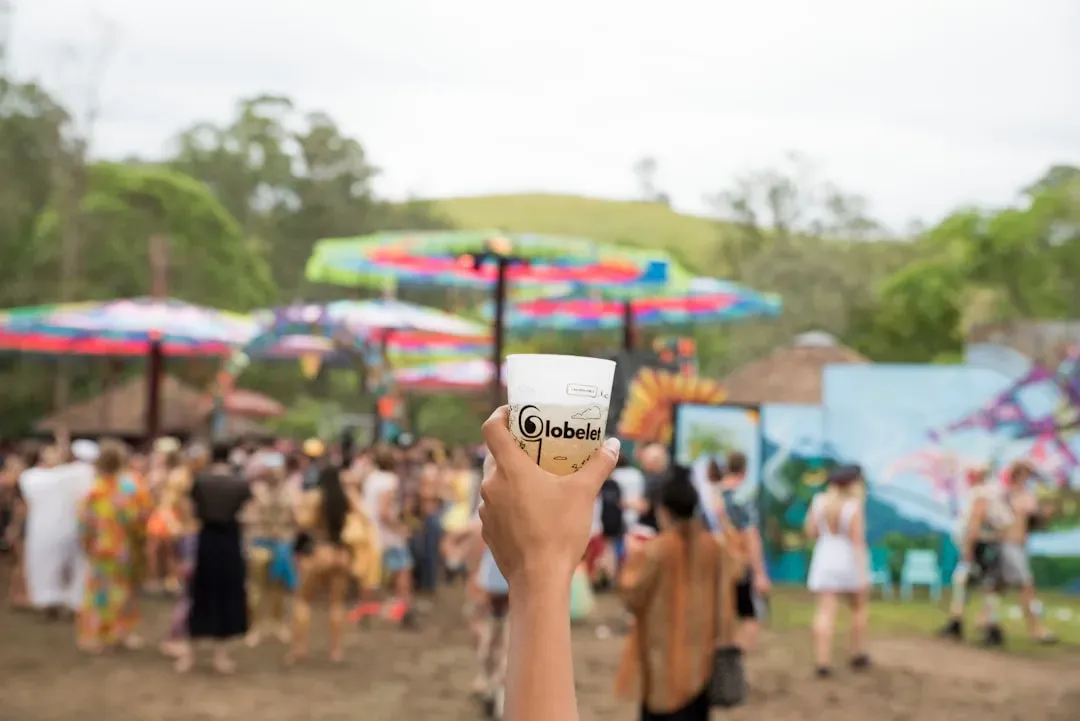
The average site recycling rate rose to 49% in 2024, up from 38% in 2022, while waste per person averaged 0.8kg daily, with camping festivals generating almost three times as much as non-camping ones. Progress is happening, though anyone who’s walked through a festival campsite on the final morning knows there’s still work to do. The visual impact of abandoned tents and scattered waste sparked genuine backlash that organizers couldn’t ignore.
Massive Attack’s Act 1.5 concert broke a Guinness World Record as the lowest-carbon gig ever, powered entirely by batteries charged with wind and solar energy, with no generators and only plant-based food. Here’s the thing: this wasn’t just symbolism. It proved that eliminating fossil fuels from large-scale outdoor events is technically feasible right now, not some distant aspiration.
Audience travel remains the single largest source of emissions, accounting for up to 94% of total carbon footprints in some cases, with 62% of attendees still arriving at rural events by private car. Organizers can implement every green technology onsite and barely dent their overall footprint if they can’t influence how people arrive. Some festivals now incentivize carpooling or subsidize shuttle services, yet changing deeply ingrained travel habits remains the toughest challenge.
Technology Integration: Data, Personalization, and Operational Efficiency

In 2024, Live Nation Entertainment expanded its use of AI-driven analytics across Ticketmaster to optimize dynamic ticket pricing, demand forecasting, and fraud detection. Dynamic pricing remains controversial among fans, though it reflects how venues and promoters now treat festivals as data-rich environments where algorithms predict and respond to demand patterns in real time.
Technology integration, including RFID wristbands and mobile apps, is enhancing the festival experience and improving operations. These systems track attendee movement, facilitate cashless payments, and streamline entry processes. From a practical standpoint, they reduce wait times and theft while providing organizers with granular insights into crowd behavior and preferences.
Nearly 48% of global festivals introduced live-streaming apps with interactive features in 2024, boosting engagement beyond physical attendance. Virtual participation isn’t replacing the in-person experience – it’s creating parallel revenue streams and extending brand reach. Hybrid festivals allow fans who can’t travel to participate remotely while generating content that markets future editions to wider audiences.
Regional Developments: Arenas Reshaping Global Live Entertainment

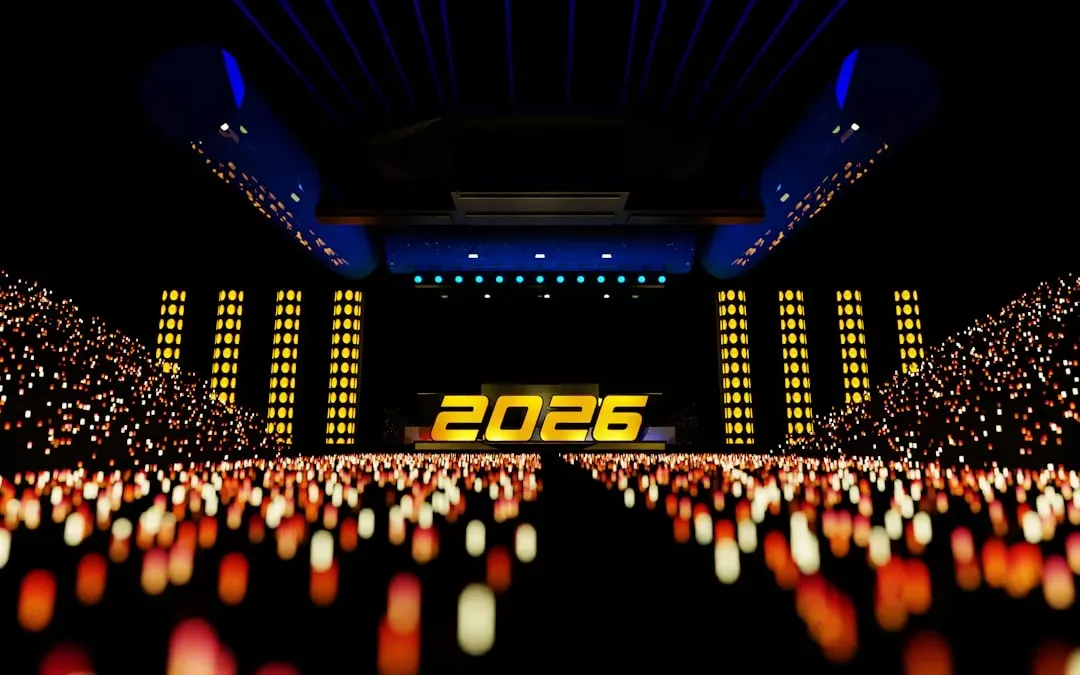
South Korea’s 20,000-cap CJ LiveCity Arena is being built as part of AEG and CJ LiveCity Corporation’s new K-pop-focused entertainment complex in Goyang City, Seoul, including an outdoor performance space capable of accommodating 40,000 people. The K-pop industry’s global influence is driving infrastructure development specifically designed for high-production-value performances with dedicated fan engagement zones. These purpose-built complexes recognize that modern audiences expect more than just a stage and seats.
In 2024, Inspire Arena in South Korea hosted 69 events attracting 519,000 attendees, with about 60 percent being international visitors. Proximity to Incheon Airport transformed this venue into a tourism destination where international fans fly in specifically for concerts, spend money throughout the resort complex, and fly out the next day. It’s a model that treats festivals and concerts as integrated tourism products rather than standalone events.
Arena Primavera in Medellín, Colombia is scheduled for 2026 with a 16,000 capacity, sitting on a 14-acre site that will include a new entertainment district, green corridor, and additional facilities. These developments aren’t just dropping arenas into existing neighborhoods. They’re creating mixed-use districts where entertainment venues anchor broader urban regeneration, connecting residential, commercial, and cultural spaces.
Food, Beverage, and Experience Design: Beyond the Stage

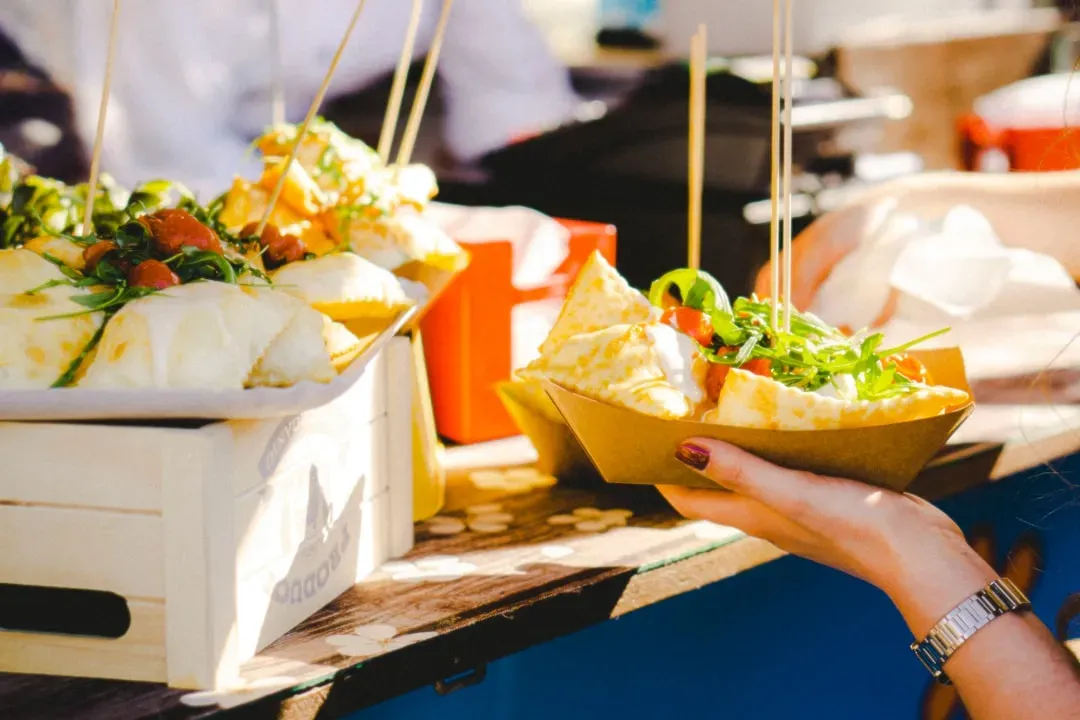
Planners rated food and beverage at 9.0 out of 10 in importance, up from 7.9 in 2023. Festival dining evolved from afterthought concessions to curated culinary experiences that organizers promote as heavily as the lineup. Top festivals now recruit celebrated local chefs and restaurants, recognizing that Instagram-worthy food options enhance the overall brand and attract demographics who value gastronomy alongside music.
82% of events now operate under a formal food and beverage sustainability policy. This shift toward plant-based menus and elimination of single-use plastics reflects both environmental concerns and changing consumer preferences. Younger audiences particularly expect festivals to align with their values around sustainability, and food choices are among the most visible commitments organizers can make.
Environmental concerns have become increasingly important, with 69% of respondents (and 75% of 21- to 35-year-olds) expressing positive sentiment towards nature-based events and sustainability initiatives. Festivals positioned in natural settings now market their locations as integral to the experience rather than just convenient large spaces. What do you think – does the setting shape the music, or does the music elevate the setting?