Walk onto any major festival site in the past two years and you might notice something different. The names at the top of the poster are shifting. For decades, festival headlining slots felt like an exclusive club reserved mostly for male artists. That era seems to be fading.
The conversation around gender balance at music festivals has intensified, fueled by audiences demanding representation, industry initiatives pushing for change, and a new generation of powerhouse performers proving they can command main stages as effectively as anyone. It’s about time we look at why women are finally claiming more of those coveted top billing positions.
The Numbers Tell a Stark Story

A 2022 BBC study examining 50 of the UK’s biggest festivals revealed that only 13 percent of headliners were female, despite promises made five years earlier to achieve a 50/50 gender balance. That’s a pretty sobering statistic. Sky News also found that in 2023, just 18 percent of headliners at top UK festivals were female, with major events like Glastonbury facing backlash for all-male top billing.
Yet there are glimmers of progress. In 2024, less than 25 percent of musicians on stage at major US music festivals were women, according to data from Book More Women. While that number still feels frustratingly low, it represents gradual movement forward compared to previous years.
A 2023 report by Rostr and IQ Magazine showed that across 50 festivals in Europe, roughly 90 percent of headliners were men. These figures paint a clear picture of how male-dominated the festival circuit has been. The challenge now is turning awareness into action.
The Keychange Pledge Is Driving Real Momentum

Over 700 music organizations have signed the Keychange pledge, committing to achieve gender balance by working toward 50/50 representation. The initiative launched in 2017 with backing from PRS Foundation and partner festivals across Europe. It’s hard to overstate how much influence this pledge has had on shifting industry standards.
The Keychange pledge encourages festivals and music organizations to include 50 percent women and underrepresented genders in programming, staffing, and beyond. Some festivals have embraced this wholeheartedly. Standon Calling signed up to Keychange in 2018 and by 2022 achieved 54 percent of acts identifying as female or non-binary, proving it’s entirely achievable with genuine commitment.
The ripple effect matters. When major festivals sign on, smaller events follow suit, creating a culture shift that normalizes gender parity rather than treating it as an impossible goal.
Primavera Sound Just Made History

Primavera Sound turned heads in 2025 by announcing all-female headliners: Charli XCX, Chappell Roan, and Sabrina Carpenter. This marks a monumental moment for women in the music industry. Let’s be real – when was the last time you saw a major festival with exclusively female top billing? Probably never.
Primavera previously achieved a 50 percent female lineup, reflecting a steady increase in female representation across the European festival circuit. Their 2025 announcement signals that festival organizers are not just ticking boxes but actively championing women artists at the highest level. It sends a powerful message to the entire industry.
This kind of bold programming doesn’t happen by accident. It requires intentional booking decisions, trust in female artists to draw crowds, and a willingness to challenge the status quo.
Historic Milestones Are Rewriting the Playbook

Billie Eilish made history at Coachella 2022 by becoming the youngest headliner ever in the festival’s 23-year history. That’s not just a record; it’s a statement about how much confidence major festival programmers now have in female artists. At Coachella 2025, Lady Gaga became just the second woman to headline the festival twice, following Björk.
Partner offer

In 2023, Coachella made history by featuring Bad Bunny and BLACKPINK as the festival’s first Latin and Asian headliners, respectively. These moments matter because they expand the definition of who belongs at the top of a festival poster. The more diverse the headliners, the more inclusive and exciting the festival landscape becomes.
When younger artists like Eilish headline, it inspires a new generation. When artists from different cultural backgrounds take center stage, it signals that the industry is finally broadening its horizons.
Funding Bodies Are Holding Festivals Accountable

FACTOR Canada requires companies it supports to have diversity policies in place and meet criteria or have an in-progress plan for meeting diversity in their workplaces. This isn’t just about good intentions – it’s about making funding contingent on demonstrating real commitment to gender equity. That changes the game.
FACTOR is the lead funder in Canada for Keychange, the international movement aiming to create a better, more inclusive music industry. When funding organizations tie financial support to diversity efforts, festivals have stronger incentives to prioritize gender balance in their lineups. Money talks, and in this case, it’s saying representation matters.
The shift toward accountability means festivals can no longer claim gender parity is too difficult. If they want financial backing, they need to show they’re making progress.
Major Festivals Are Slowly Catching Up

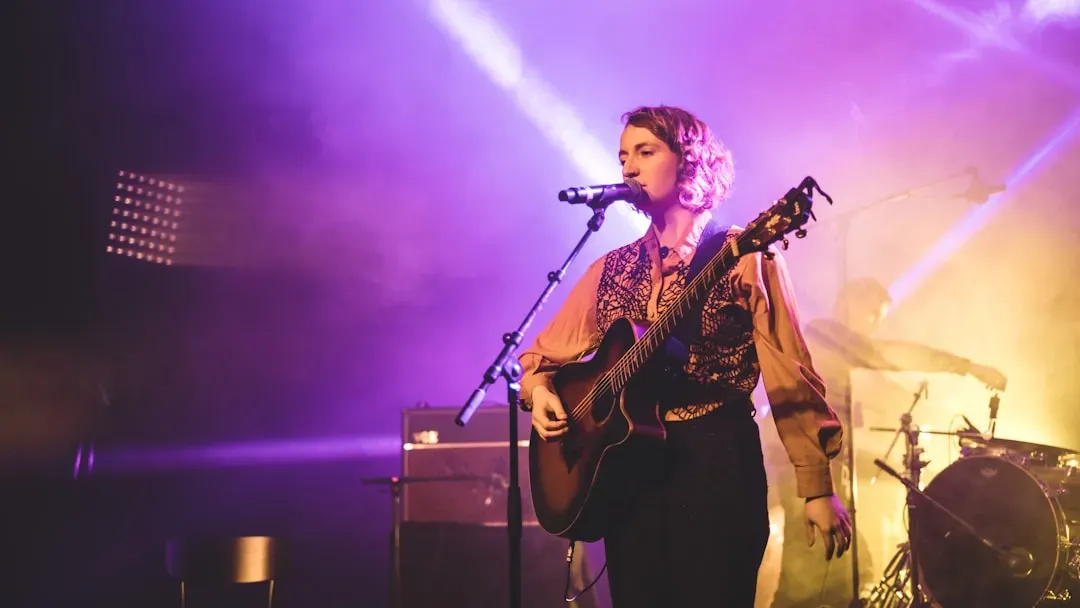
Coachella 2024 featured headliners Lana Del Rey, Tyler the Creator, and Doja Cat, with two of three top slots going to women. Lollapalooza 2025 brought Sabrina Carpenter, Doechii, Olivia Rodrigo, Gracie Abrams, and TWICE to main stages alongside male headliners. These lineups reflect a growing willingness to give women prominent placement.
Glastonbury’s 2023 lineup saw its most female-heavy roster to date, with 47 percent of artists being non-male musicians, and organizers hinted at two female headline acts for 2024. Progress isn’t always linear, yet the trajectory is clear. Festivals are recognizing that diverse lineups attract broader audiences and generate positive press.
Honestly, it feels like we’re finally reaching a tipping point where booking women headliners is seen less as a risk and more as a smart, necessary choice.
The “Pipeline Problem” Excuse Is Losing Ground


Glastonbury co-organizer Emily Eavis claimed the lack of female headliners stems from a “pipeline problem” starting with record companies and radio. While systemic issues do exist, this argument increasingly rings hollow when festivals like Primavera prove gender parity is achievable. The talent is out there. The question is whether bookers are willing to seek it out.
Keychange Project Manager Francine Gorman noted that women and gender minorities have had fewer opportunities than male counterparts over the years, so it takes time to build artists to headline status. Fair point. Yet many festival organizers are now actively nurturing emerging talent, creating pathways for future headliners rather than waiting for the pipeline to magically fix itself.
The truth is, the pipeline problem is partly a self-fulfilling prophecy. If festivals only book male headliners, they reinforce the notion that women aren’t ready. Breaking that cycle requires courage and commitment. What do you think – are we finally seeing that shift happen?
Partner offer
Planning a trip to Vegas?
Compare hotel rates and show tickets on VEGAS.com.