


Music festival fashion is far more than just clothing. It is a living document of cultural shifts, political movements, and generational identities worn on the body for the world to see. From the muddy fields of Woodstock to the sun-scorched grounds of Coachella, what people wear to festivals has always reflected who they are and what they stand for. Festival fashion has evolved tremendously over the past several decades, shifting with cultural movements, social changes, and the ever-growing impact of music – from the bohemian vibes of the 1969 Woodstock Festival to the neon-lit, eclectic looks seen at contemporary events. The story of that evolution is one of the most compelling in modern style history.
The 1960s: Flower Power and the Birth of Festival Style

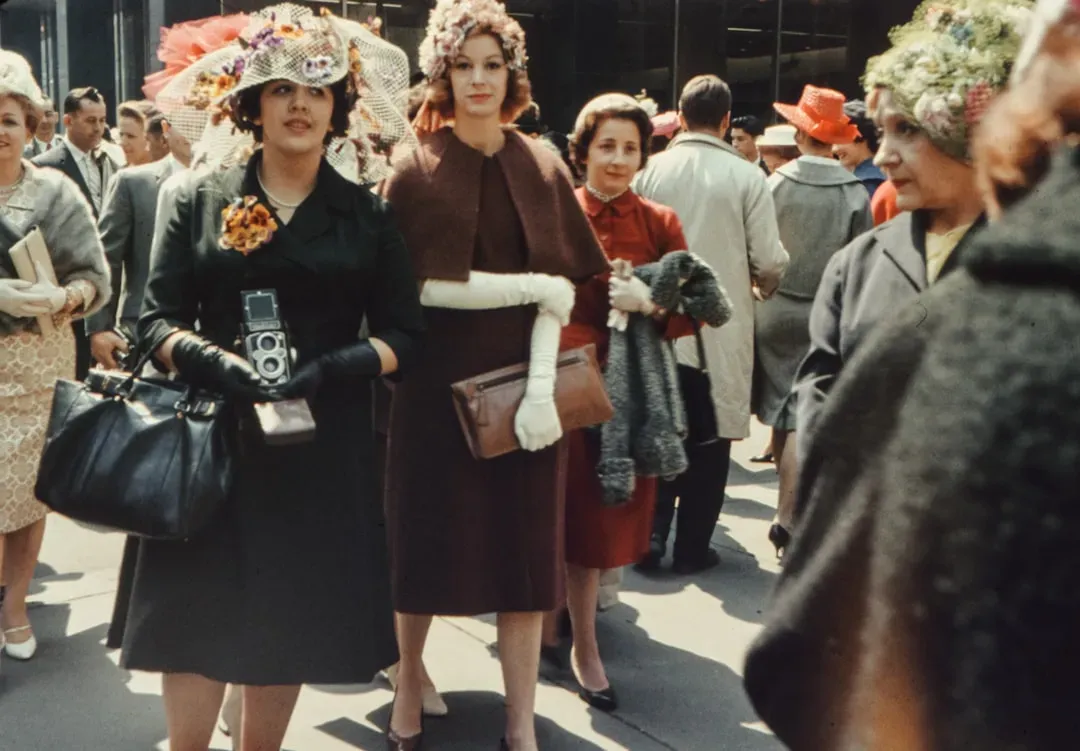
The 1960s were a turning point for music festival fashion, ushering in the iconic bohemian look that still inspires festival-goers today. Woodstock was the ultimate showcase for this style, with attendees draped in fringe jackets, tie-dye shirts, and bell-bottom jeans. Flower crowns and peace sign accessories were everywhere, symbolizing the decade’s values of love, freedom, and rebellion against the mainstream. People weren’t just getting dressed – they were making statements loud enough to be heard across generations.
The flower power movement introduced elements that remain festival staples today: headbands adorned with daisies, peace sign jewelry, and an overall aesthetic that celebrated nature and freedom. Many attendees made their clothing themselves, dyeing it in kitchens or weaving scarves in dorm rooms. Denim was hand-frayed, embroidered, and turned into art. According to a survey by the Fashion Institute of Technology, roughly six in ten millennials still cite the 60s boho look as a favorite for festivals, proving its lasting influence.
The 1970s: Glam Rock, Disco, and Punk Collision

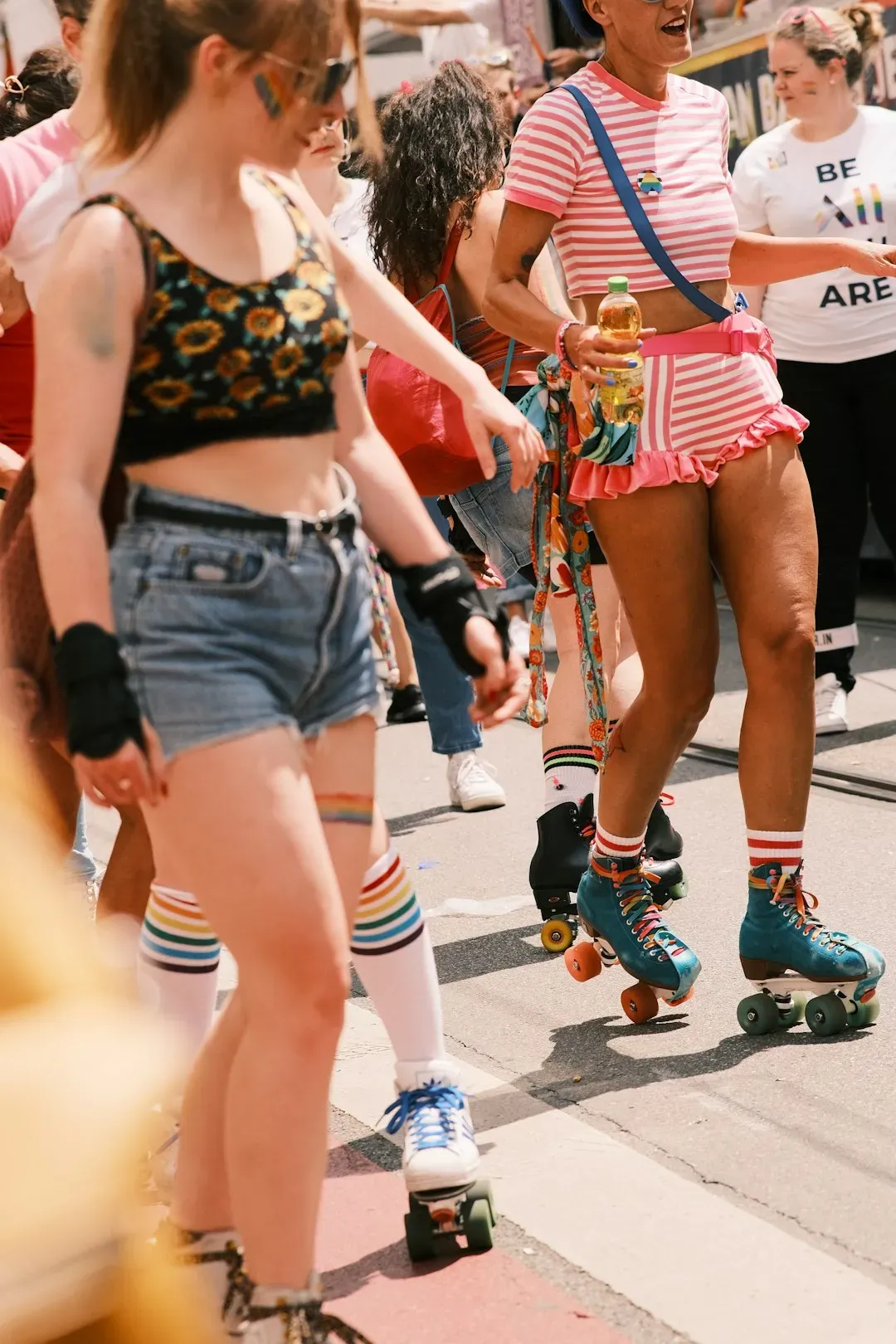
The 1970s saw music festival fashion take a bold turn as glam rock and disco influences collided. Festival-goers started mixing tough leather jackets with sparkling sequins and towering platform boots, creating an aesthetic that was both edgy and extravagant. Crochet tops and dramatic accessories became staples, mirroring the flamboyant styles seen on music legends like David Bowie and Elton John. The decade managed to be both politically charged and theatrically glamorous at the same time.
The 1970s also saw a rise in countercultural fashion that seeped into the music festival scene. This decade gave rise to punk culture, an anti-establishment lifestyle that manifested in both music and fashion. Rock Against Racism’s multi-gig festivals all around Britain featured bands like The Clash and artists such as Elvis Costello. Attendees correspondingly dressed in edgy, heavy metal outfits that included ripped band tees, leather jackets, worker boots, safety pins, and metal studs. The Council of Fashion Designers of America reported that vintage-inspired 70s clothing sales have surged by roughly a third at festivals in recent years, highlighting a renewed fascination with this era’s fearless fashion.
The 1980s: Neon Excess and the DIY Spirit

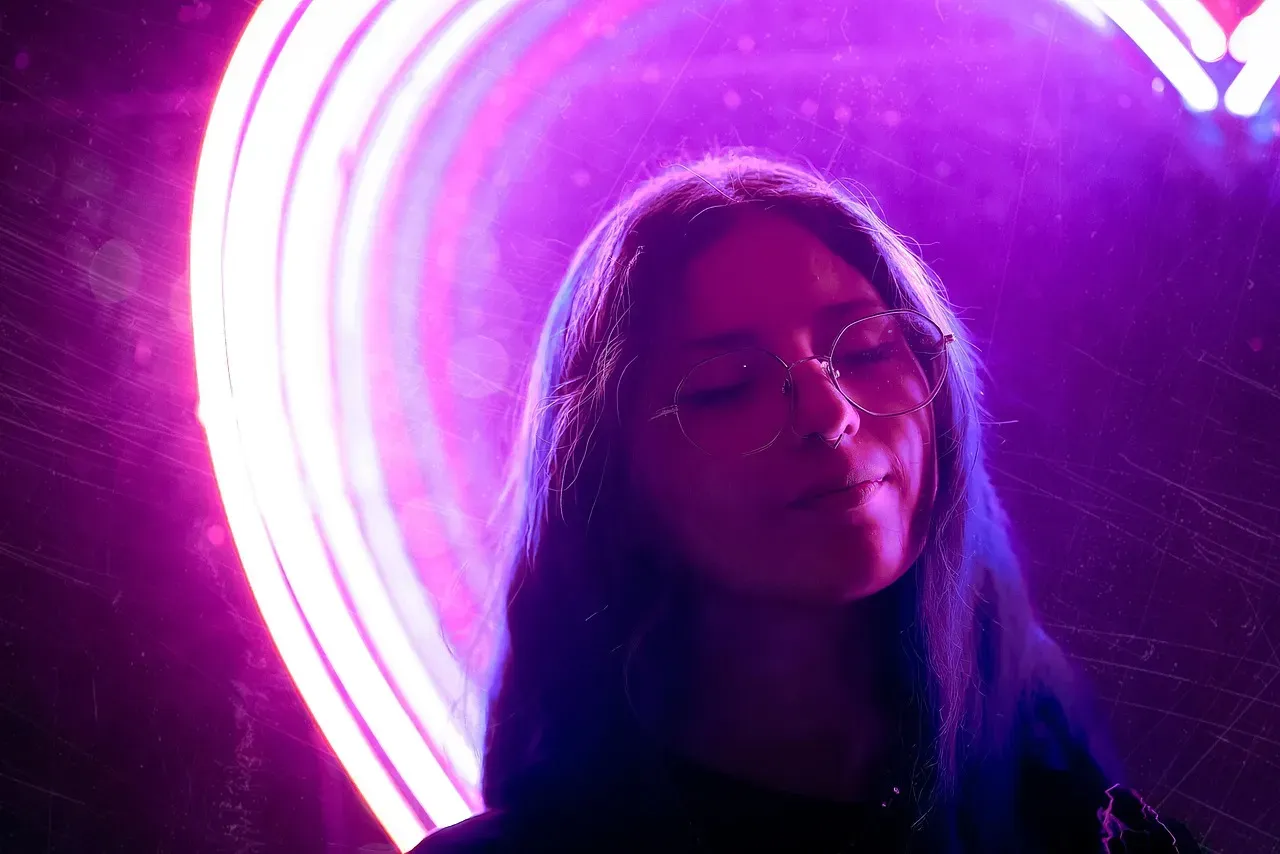
Festival fashion in the 1980s was all about going big and bold. Neon colors, spandex, leg warmers, and oversized sunglasses dominated the scene, reflecting the decade’s love of excess and theatricality. Big hair was practically a requirement, and eye-catching accessories like chunky jewelry completed the look. This was an era of fearless fashion statements, with nods to both punk and new wave influences. More was always more, and subtlety was simply not invited.
From metal to punk to glam rock, ensembles consisted of mostly black on black with textured accents such as studs or fishnets. Men wore eyeliner, leather jackets, and pants. Steel-toed Dr. Martens and motorcycle boots were perfect for men or women. DIY accents were also widespread and an easy way to add individual flair to clothes – safety pins, buttons, and patches on denim vests or leather jackets are still seen at rock festivals like Rock Am Ring and Roskilde. A 2022 fashion report found that 80s-inspired festival outfits are making a strong comeback, with neon clothing sales increasing by roughly a quarter.
Partner offer

The 1990s: Grunge Defiance Meets Rave Culture

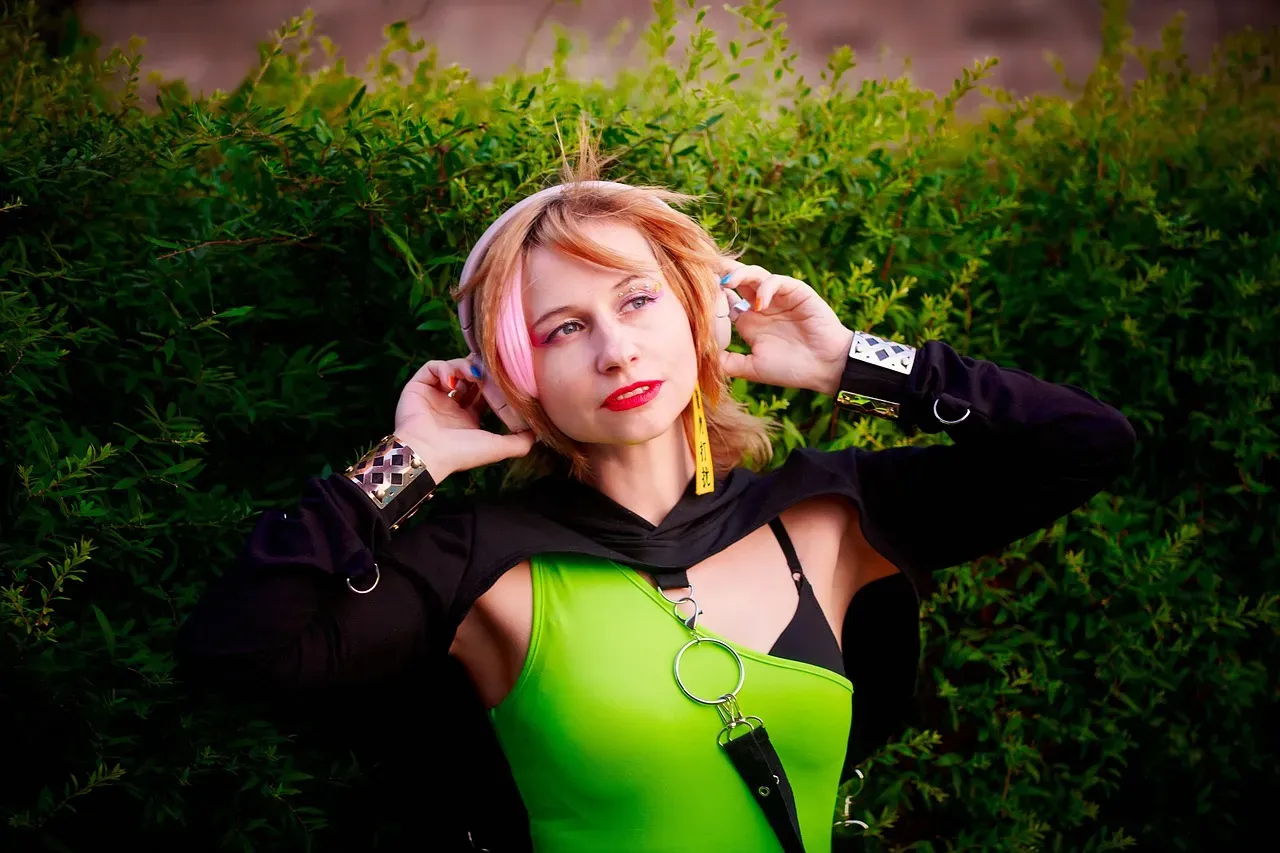
The 1990s witnessed the explosion of rave culture, a subculture that centered around underground dance parties, often held in warehouses or open fields. These rave gatherings were marked by vibrant, fluorescent colors, and the fashion reflected the energetic, escapist nature of the scene. The rave look was an eclectic mix of the DIY ethos from punk, with the added influence of club and streetwear fashion. Baggy pants, oversized t-shirts, and sneakers were common, with accessories like glow sticks and neon wristbands bringing the look to life.
Grunge emerged in Seattle in the early 1990s and became world-famous thanks to bands such as Nirvana and Pearl Jam. This style was characterized by flannel shirts, ripped jeans, and a deliberately careless attitude that was directed against the mainstream. 90s rave fashion was distinctive for its use of bright colors, Kandi bracelets, face and body paint, and baggy clothes – elements that were not just about style but expressions of PLUR, the defining tenet of rave culture: peace, love, unity, and respect. Both movements, seemingly opposing, shared the same underground, anti-establishment heartbeat.
The 2000s and 2010s: Coachella Takes Over the World

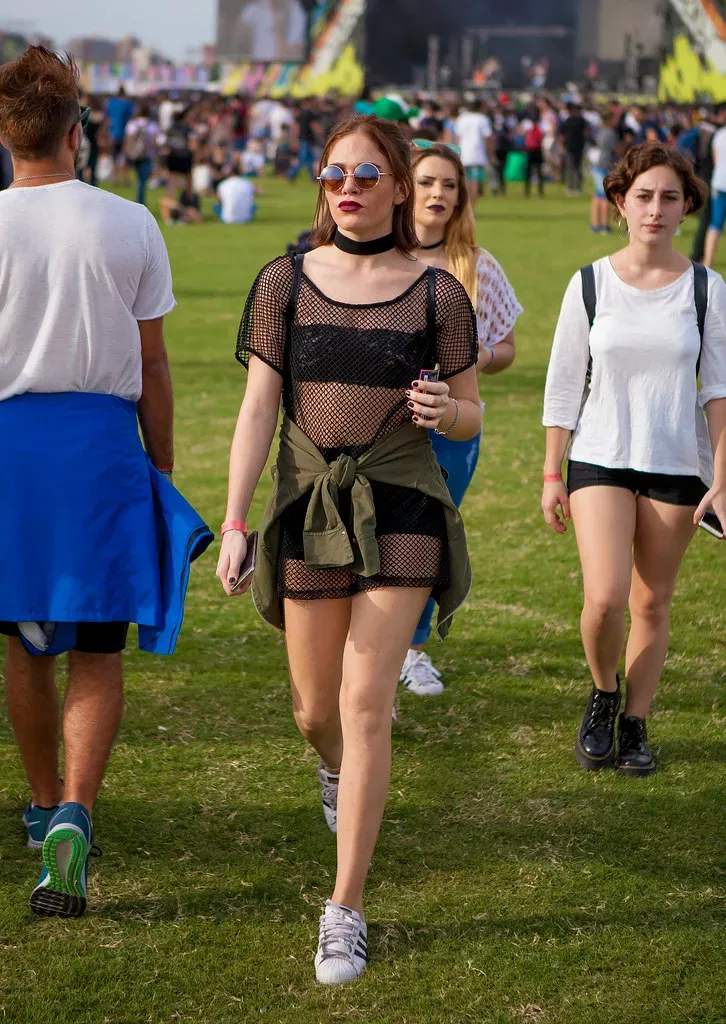
The 2000s marked a significant shift in festival fashion, as music festivals began to move into the mainstream and became major events for both music and fashion. The festival uniform began to emerge, particularly at Coachella, which became a cultural milestone by blending music with high-end fashion. The Coachella effect brought festival fashion into the global spotlight, with attendees eager to wear the latest styles from luxury brands, often blending high fashion with boho chic.
Vogue reported a roughly 50% increase in bohemian-inspired clothing sales over the past decade, underscoring Coachella’s influence on festival fashion. More than just music, Coachella is a cultural moment, shaping trends in fashion, beauty, and lifestyle while offering brands access to affluent youth. With over 650,000 attendees across two weekends and millions engaging online around the world, the festival sets a marker for annual trends. The 2024 iteration of the festival welcomed 200,000 attendees over two weekends and brought in over $102 million in Earned Media Value from various brand activations, with online apparel company Revolve making over $34 million in profit that year.
2024–2025: Sustainability, Technology, and the New Festival Identity
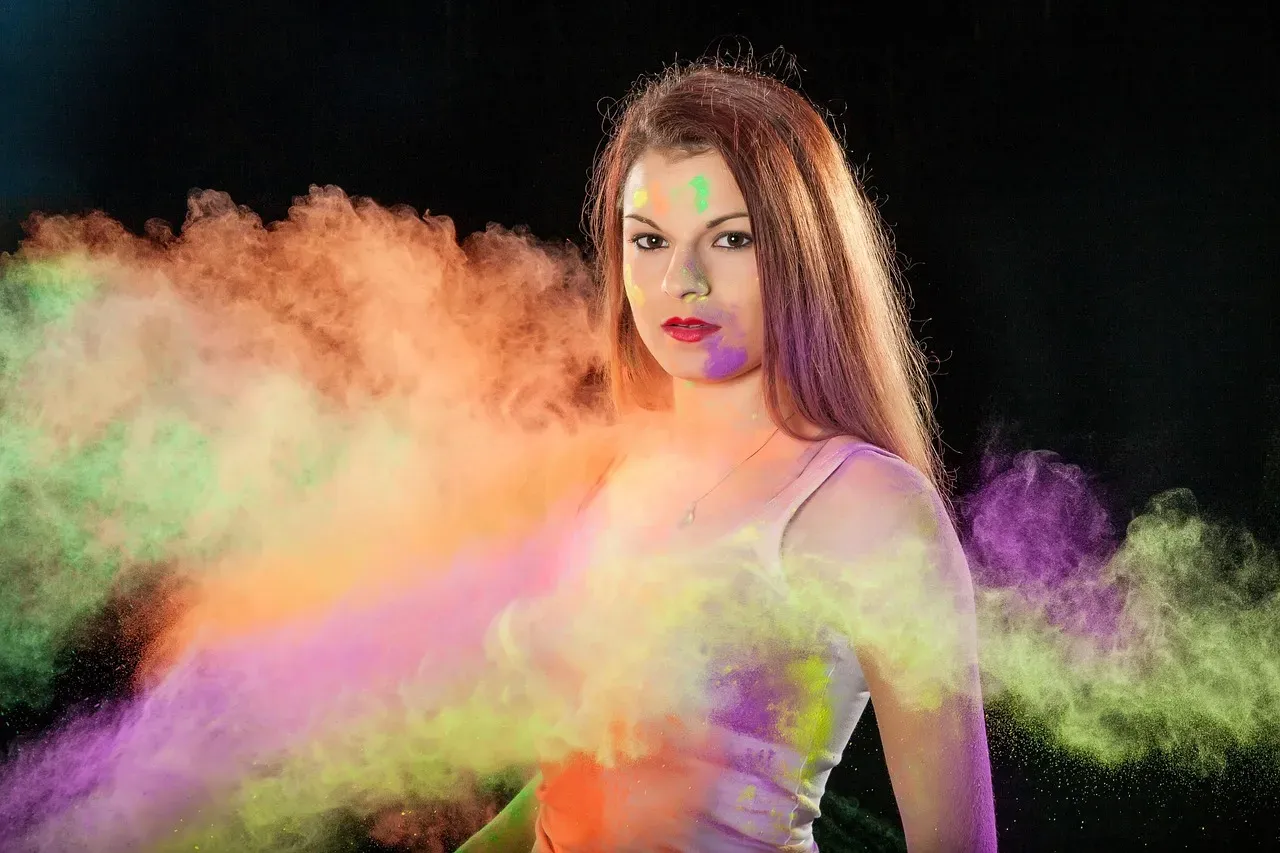
Festival fashion has evolved beyond flower crowns and bohemian attire. In 2024, attendees express their individuality through sustainable and tech-infused fashion choices. Eco-friendly materials and upcycled garments dominate the scene, reflecting the growing environmental consciousness among festival-goers. Smart textiles that change color or light up in sync with the music are gaining popularity, creating a visually stunning atmosphere.
The U.S. second-hand apparel market reached $74 billion in 2024, growing roughly 14% year-over-year, with festivals cited as a major contributor to this growth as shoppers seek unique looks. At Coachella 2025, a mix of nostalgic and cutting-edge looks took center stage, with airy elegance, eco-friendly chic, and practical yet stylish designs ruling the desert. Sheer fabrics, polished boho accents, and bold accessories like chunky boots and statement belts defined the vibe, with influencers and celebrities championing these trends while balancing flair with functionality. The worldwide music festival market is forecasted to expand to nearly $24.5 billion by 2033, starting from $3.74 billion in 2024, signaling that the stage on which festival fashion performs is only getting bigger.
Partner offer
Planning a trip to Vegas?
Compare hotel rates and show tickets on VEGAS.com.


