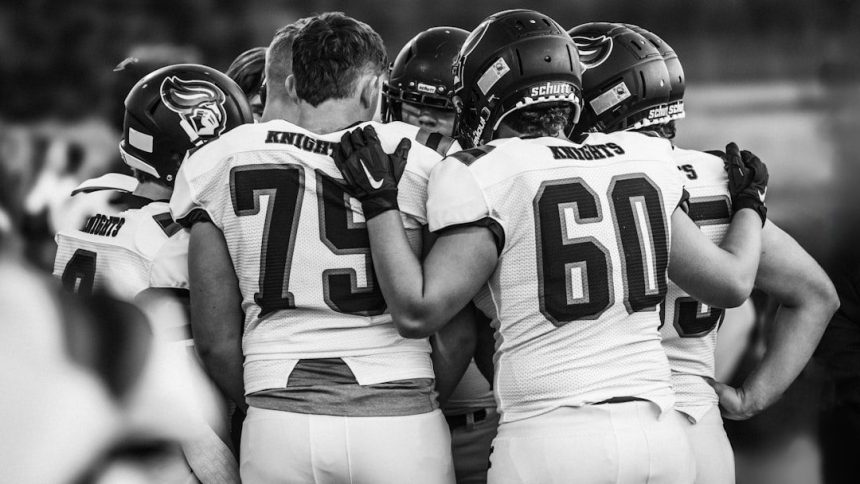
There’s something almost magical about watching a team nobody believed in take down a powerhouse. Maybe it’s Leicester City winning the Premier League at 5000-to-1 odds, or the 1980 U.S. hockey team shocking the Soviets at Lake Placid. These moments don’t just make headlines. They shake our entire understanding of how sports work.
What makes these victories so compelling isn’t just luck or a single lucky break. There’s real psychology at play, invisible forces that turn ordinary athletes into giant-slayers when the stakes are highest. From the pressure that crushes favorites to the freedom that fuels long shots, the mental game often matters more than talent on paper. Let’s dive into what actually happens inside the minds of underdogs when they pull off the impossible.
The Weight of Expectation Crushes Favorites

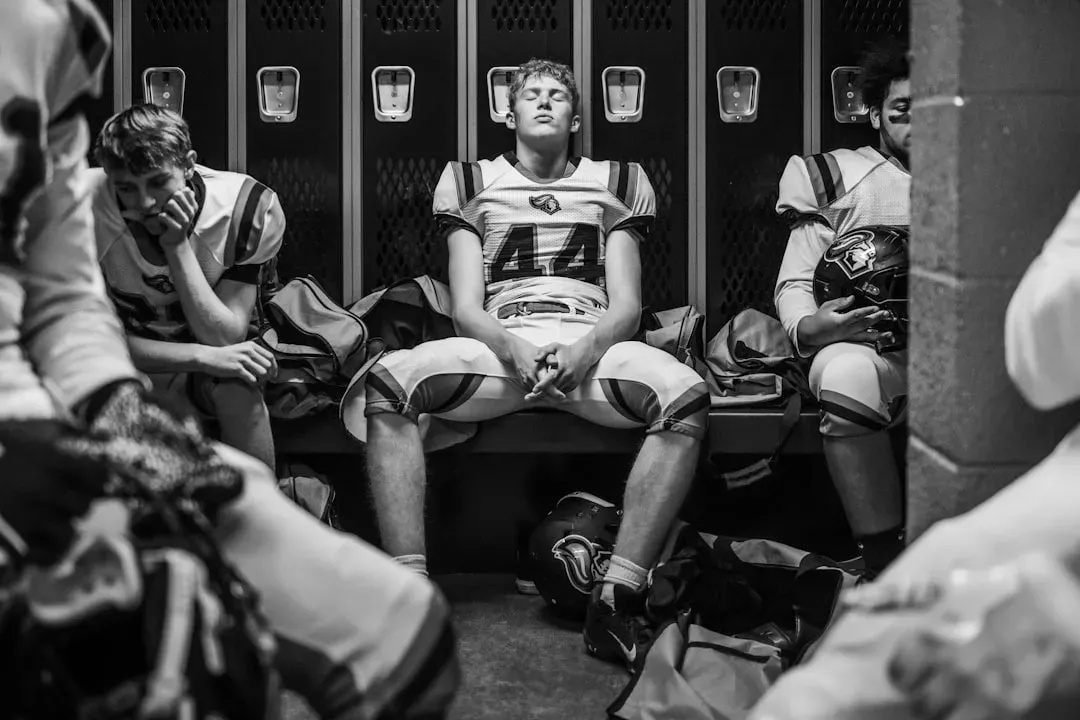
Favorites carry an invisible burden that can become crippling. When everyone expects you to win, every mistake feels magnified. Psychologists call this “choking under pressure,” and it’s brutally common in high-stakes situations.
The favorite’s mind becomes cluttered with overthinking. Instead of playing instinctively, athletes start monitoring their own performance, which paradoxically makes them worse. It’s like trying to walk down stairs while consciously thinking about each step. You’ll probably trip.
Meanwhile, underdogs play with what researchers describe as “nothing to lose” mentality. There’s genuine psychological freedom in being counted out. Nobody blames you for losing when you were supposed to lose anyway.
Belief Systems Shift in Unexpected Ways


Something strange happens to underdogs who start believing they might actually have a chance. Sports psychologists have documented that even a sliver of genuine belief can trigger a performance cascade. One good play builds confidence, which leads to another, creating momentum that becomes self-fulfilling.
This isn’t just positive thinking nonsense. Brain scans show that athletes who genuinely believe in their chances activate different neural pathways than those going through the motions. The belief literally changes how the brain processes competition.
Favorites, conversely, often suffer from complacency masked as confidence. They’ve won before, they’ll win again. That assumption creates mental shortcuts that leave openings for hungrier opponents.
Underestimation Becomes a Tactical Advantage

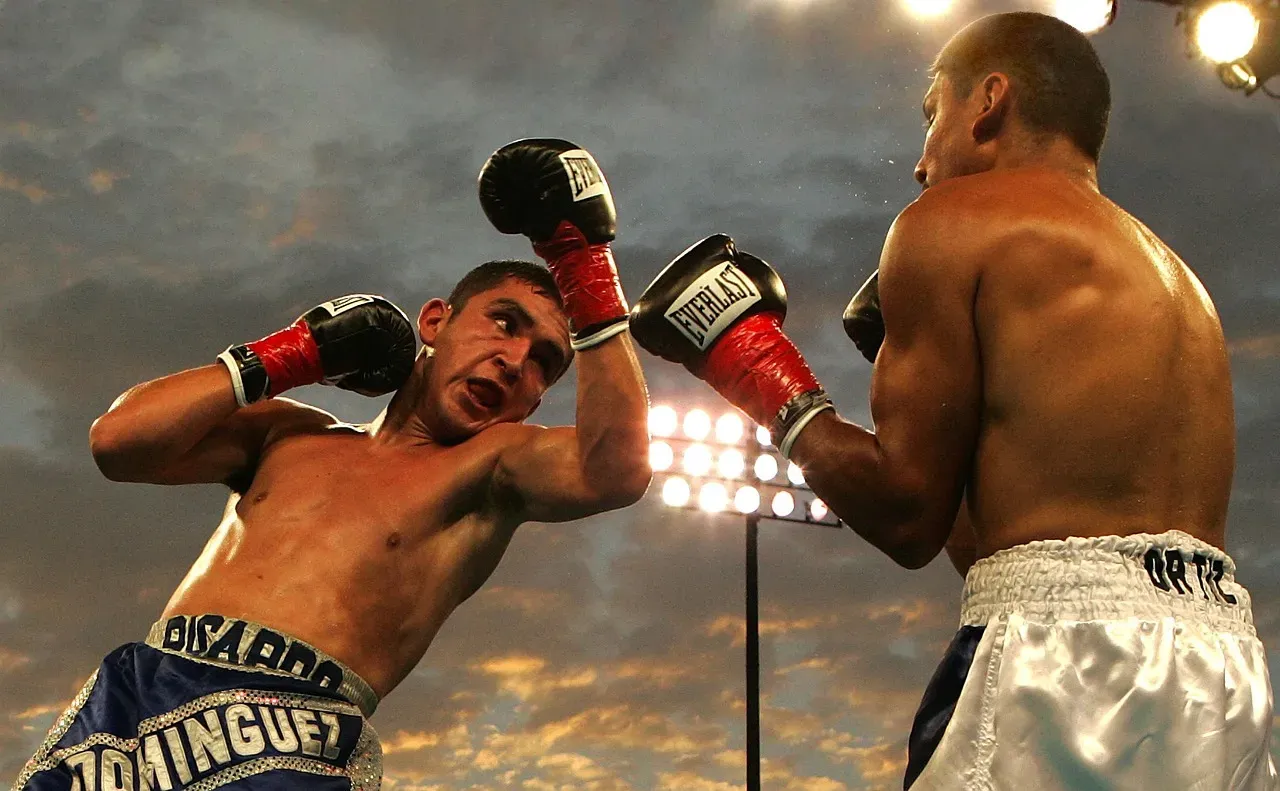
When nobody respects your game plan, you gain strategic flexibility. Favorites prepare for opponents they expect, not necessarily the team that shows up. Underdogs can deploy unconventional tactics because nobody’s studied them closely enough to counter.
Take Buster Douglas knocking out Mike Tyson in 1990. Tyson’s camp reportedly took Douglas lightly, barely preparing for a fighter they saw as a stepping stone. Douglas came in with a specific strategy that exploited gaps nobody thought existed.
This tactical surprise combines with emotional surprise. Favorites aren’t just unprepared strategically. They’re psychologically rattled when their supposedly inferior opponent won’t fold. That confusion compounds into mistakes.
Group Dynamics Amplify Underdog Performance
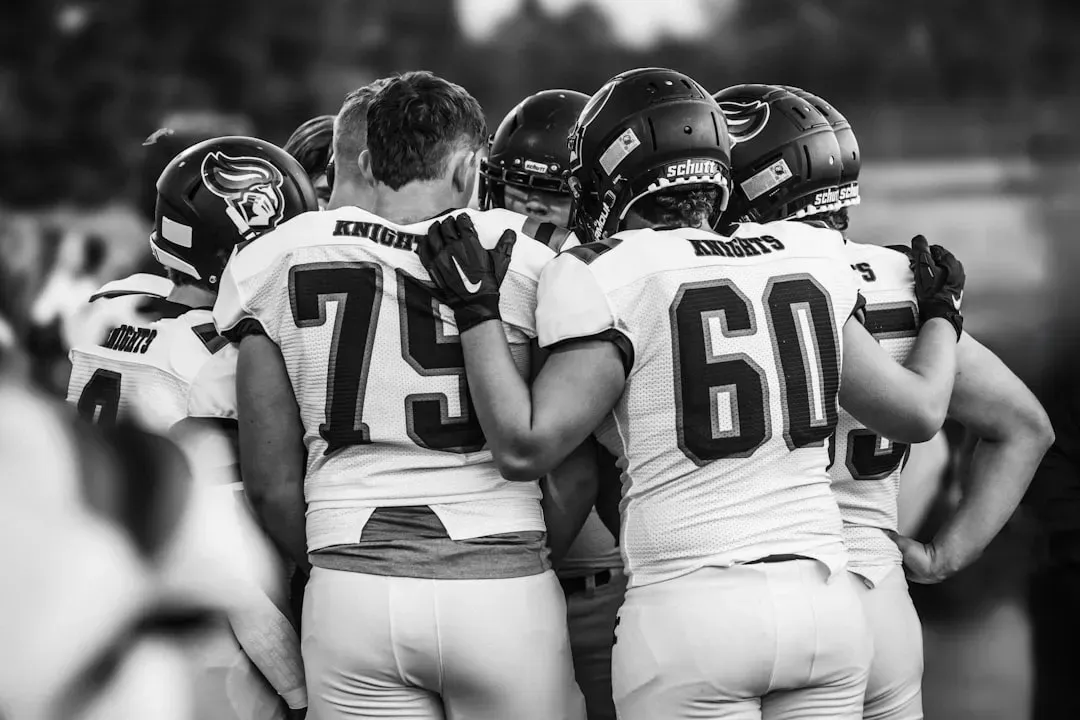
Underdog teams often display tighter cohesion than favorites. When you’re fighting against the odds, tribal bonding intensifies. Everyone pulls in the same direction because survival demands it. There’s no room for ego battles or internal politics.
Research on group psychology shows that shared adversity creates stronger emotional bonds than shared success. Underdogs literally care more about each other because they need to. That translates into players diving for loose balls, running extra sprints, making sacrifices that stat sheets never capture.
Favorite teams sometimes fracture under pressure. Individual players worry about personal performance, future contracts, legacy. Those competing priorities create microscopic divisions that become canyons during crucial moments.
The Narrative Power of the Underdog Story

Humans are wired for underdog narratives. We grew up on David versus Goliath, on stories where the little guy triumphs against impossible odds. That cultural programming creates actual psychological effects during competitions.
Crowds often shift toward underdogs during games, even neutral observers. That energy isn’t just feel-good sentiment. It translates into actual home-field advantages, referee biases, and momentum shifts that materially impact outcomes. Studies have shown officials unconsciously make marginally more favorable calls for perceived underdogs.
The underdog absorbs this narrative energy and uses it as fuel. It’s hard to quantify, but athletes consistently report feeling lifted by crowd support in ways that enhance performance beyond normal capabilities.
Pressure Creates Performance Anxiety in Predictable Patterns


Sports psychologists have identified specific ways pressure degrades favorite’s performance. Fine motor skills deteriorate first. Think free throws in basketball or penalty kicks in soccer. These skills require precision that evaporates under stress.
Favorites often tighten up physically, literally tensing muscles in ways that reduce efficiency. You see it in tennis players who suddenly can’t find their first serve, or quarterbacks overthrowing receivers they’ve hit a thousand times in practice.
Underdogs face pressure too, but it’s different. Their pressure comes from opportunity, not obligation. That subtle distinction changes everything about how the body responds. Opportunity creates adrenaline that sharpens focus rather than scattering it.
Risk Tolerance Shifts Dramatically

Favorites play conservatively because they’re protecting a lead they’re supposed to have. Even when tied, favorites unconsciously adopt defensive postures designed to not lose rather than to win. This shows up in play-calling, in strategic choices, in split-second decisions.
Underdogs embrace calculated risks that favorites would never take. Fourth-down conversions, trick plays, unconventional strategies. These gambles sometimes fail, but when they work, they completely alter the game’s psychology.
Behavioral economics research shows people value avoiding losses more than achieving gains. Favorites fall into this trap, playing not to lose. Underdogs, already expected to lose, flip the equation and play purely to win. That asymmetry creates opportunities.
Momentum Becomes a Psychological Weapon
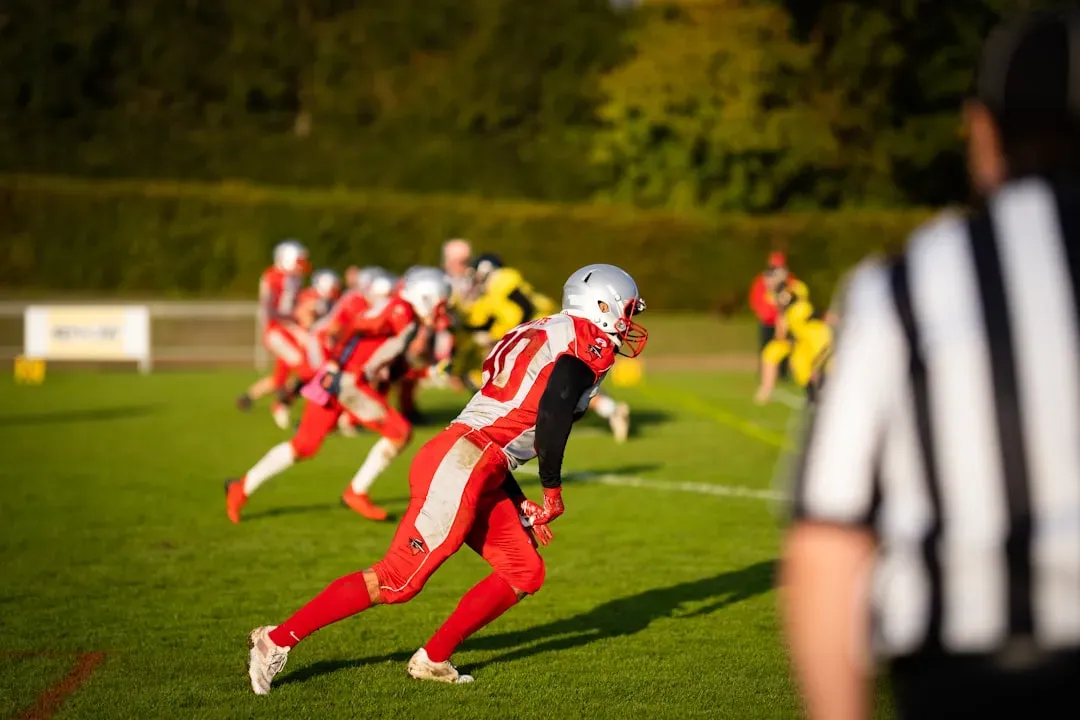
Momentum in sports isn’t just a metaphor. Neuroscience research suggests it’s a real phenomenon tied to dopamine release and confidence feedback loops. When underdogs grab early momentum, they get a chemical boost that enhances performance.
Favorites experiencing unexpected deficits often spiral faster than underdogs in similar situations. They’re not mentally prepared for adversity because they didn’t script this scenario. Underdogs live in adversity, so falling behind doesn’t trigger the same panic.
This creates asymmetric resilience. The underdog losing by ten thinks they’re still in it. The favorite losing by ten starts questioning everything. Those internal narratives directly impact energy levels, decision-making, and execution.
Preparation Intensity Differs Between Favorites and Underdogs

Underdogs preparing for huge matchups often display obsessive attention to detail. They study film until their eyes blur. They run extra drills. They visualize scenarios with intensity that borders on desperation. That preparation creates real advantages when opportunities emerge.
Favorites sometimes fall into routine preparation. They’ve been here before, they know what works. Except every opponent is different, and complacent preparation leaves blindspots. You see this in boxing upsets especially, where hungry challengers outwork champions in training camps.
The preparation gap might only represent small percentage differences, but sports often get decided by margins so thin they’re almost invisible. A half-second faster reaction time, one extra conditioning sprint that prevents fatigue in the fourth quarter. These micro-advantages compound.
Conclusion


The psychology behind sports upsets reveals something profound about human performance under pressure. It’s not really about the underdog having some secret advantage. It’s about favorites carrying invisible burdens that become unbearable at crucial moments, while underdogs play with the freedom that comes from having nothing to lose and everything to prove.
These principles extend beyond sports into life itself. Anyone facing long odds can tap into underdog psychology. Belief, preparation, hunger, freedom from expectation. These mental tools work whether you’re on a basketball court or in a business negotiation. Next time you watch a massive upset unfold, pay attention to the psychology playing out beneath the surface. What do you think separates underdogs who dream from those who actually deliver?