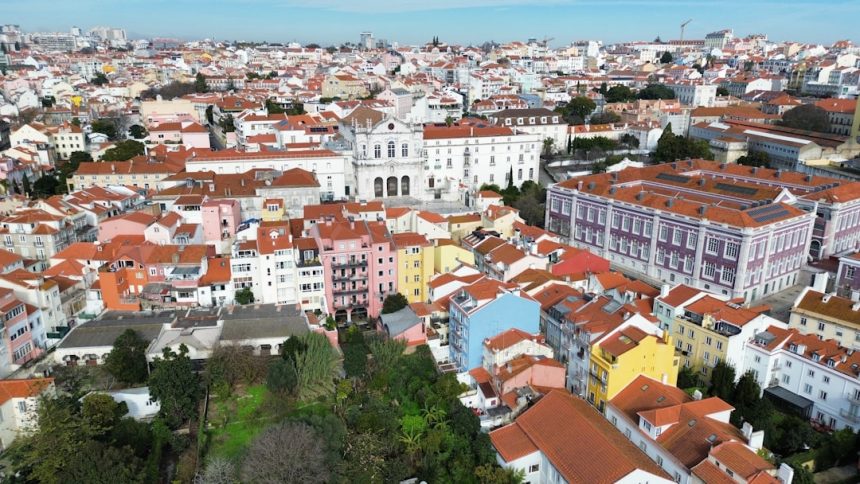
Portugal was supposed to be the dream. Cobblestone streets, affordable wine, sunshine nearly every day of the year, and a pace of life that made the relentless grind back home feel like a distant bad memory. For thousands of Americans, it really was all of that. But something has shifted. The fairy tale is getting complicated, and a growing number of expats are packing up their bags and heading back – or moving on elsewhere entirely. The story of why is more layered than most headlines suggest. Let’s dive in.
The Wave That Changed Portugal Forever

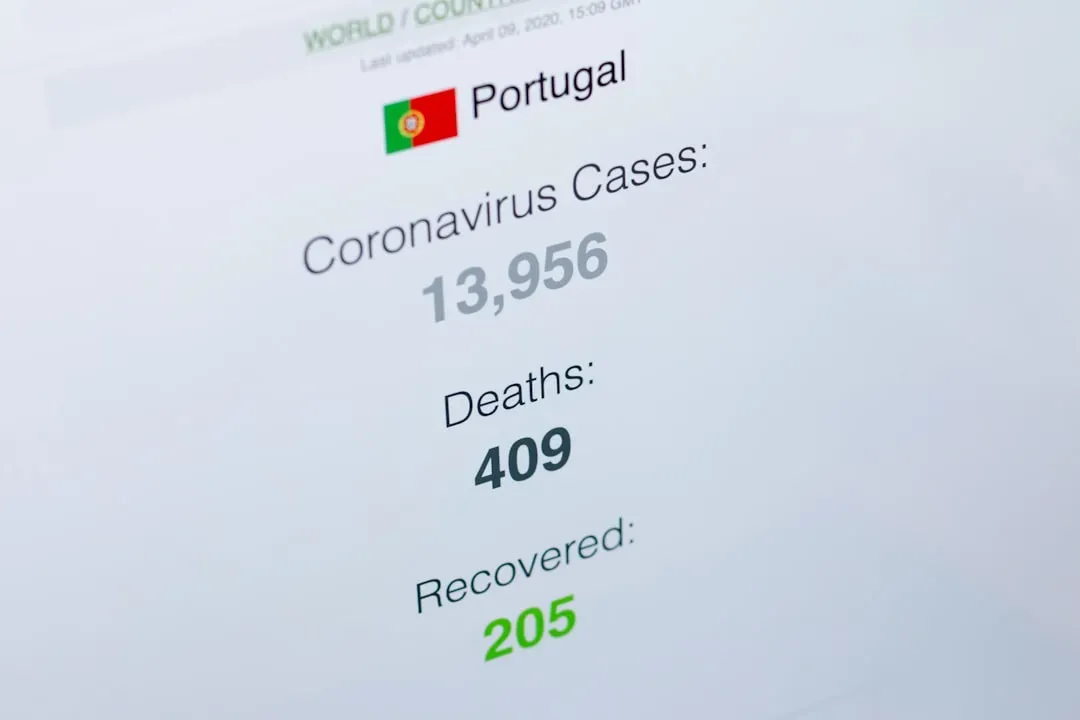
First, let’s understand just how dramatic the American arrival in Portugal actually was. American residents in Portugal surged over 500% since the pandemic, growing 36% in 2024 alone. To put that in plain numbers, the American population in Portugal climbed from roughly 4,768 in 2020 to around 26,000 by 2025. That is not a trickle. That is a flood.
While the reasons vary, the numbers tell one constant story: Americans are looking for other options elsewhere, and many chose Portugal. Political stress, rising costs at home, and a growing hunger for something that felt more human all played their part. Increasing polarization, instability, and frustration with domestic issues were key factors, alongside the high cost of healthcare in the US and a growing desire to escape the American “hustle culture” in search of a healthier work-life balance.
The Tax Perk That Vanished Overnight


Here is where things started to unravel for many. One of the biggest financial draws to Portugal was a remarkably generous tax program. The Non-Habitual Resident (NHR) regime previously provided tax incentives to newcomers, such as exemptions on income from foreign sources, alongside a flat 20% tax rate applied to employment or self-employment income derived from high-value activities. For retirees and remote workers living off foreign income, this was basically a golden ticket.
In September 2023, Portugal’s Prime Minister António Costa unexpectedly announced that the NHR tax regime would no longer be available to new entrants, effective January 1, 2024. Just like that, one of the most powerful financial incentives for moving to Portugal was gone. This means that many new arrivals in Portugal now fall under the standard Portuguese tax system, rather than the historic NHR rules. For anyone who had been planning a move based on those numbers, the math suddenly looked very different.
The Golden Visa Door Slams Shut

The tax change was not the only blow. The Golden Visa program, which had allowed wealthy foreigners to obtain residency through property investment, also took a major hit. Portugal scrapped the Golden Visa property pathway, which had allowed foreigners to acquire residency and eventually citizenship in the country through the purchase of real estate. The government cited housing affordability concerns as the core reason.
Portugal officially ended the real estate pathway and several other Golden Visa changes in 2023, ceasing new applications linked to residential property purchases in high-density urban and coastal areas. For high-net-worth Americans who had been counting on that route, the options narrowed significantly overnight. Although Portugal’s Golden Visa programme was revised in 2023 to exclude residential real estate, it remains open for fund-based and cultural investments. That’s good news for some, but a far cry from the straightforward property-buy-and-relocate model that had attracted so many in the first place.
A Bureaucratic Nightmare With No Easy Exit


If you talk to expats who left Portugal, you will hear the word “bureaucracy” come up within the first three sentences. Honestly, it is hard to overstate how paralyzing the system became. Portugal’s Agency for Integration, Migration and Asylum (AIMA) faced a backlog of 450,000 immigration files, a number so large it is almost absurd to contemplate.
Many visa holders, whether new residents or those renewing their permits, found themselves in a frustrating limbo waiting for appointments to be scheduled. This overwhelming volume of pending cases put tremendous pressure on the system, leading to significant delays in processing times. Many applicants reported waiting months just to secure an appointment, and even once they did, the actual residency card issuance was delayed further.
Because of systemic delays, Portugal extended the validity of certain residence documents and visas to protect legal status, but that did little to calm the anxiety. Imagine not being able to travel freely within Europe because your paperwork is stuck in a queue. That is not a small inconvenience. For many Americans, that was the final straw.
Housing Costs That No Longer Make Sense


Portugal used to be the affordable alternative to Spain, France, and Italy. That reputation is becoming increasingly hard to defend. Eurostat data shows Portuguese house prices rising 17.2% against the same period in 2024, dwarfing the 5.1% average in the euro area. That is the steepest rise in Europe, full stop. Think about that for a moment.
Portugal housing prices in January 2026 were approximately 15% higher than in January 2025, driven by a persistent shortage of new construction, especially in Lisbon and the Algarve, combined with strong domestic and international buyer demand. The very people who moved there for affordability became, in some ways, contributors to its disappearance. For many local buyers, affordability remains a real challenge. Wages have not kept pace with the growth in house prices, and urban housing is now out of reach for a large share of residents.
The Reality of Expat Life Versus the Instagram Version

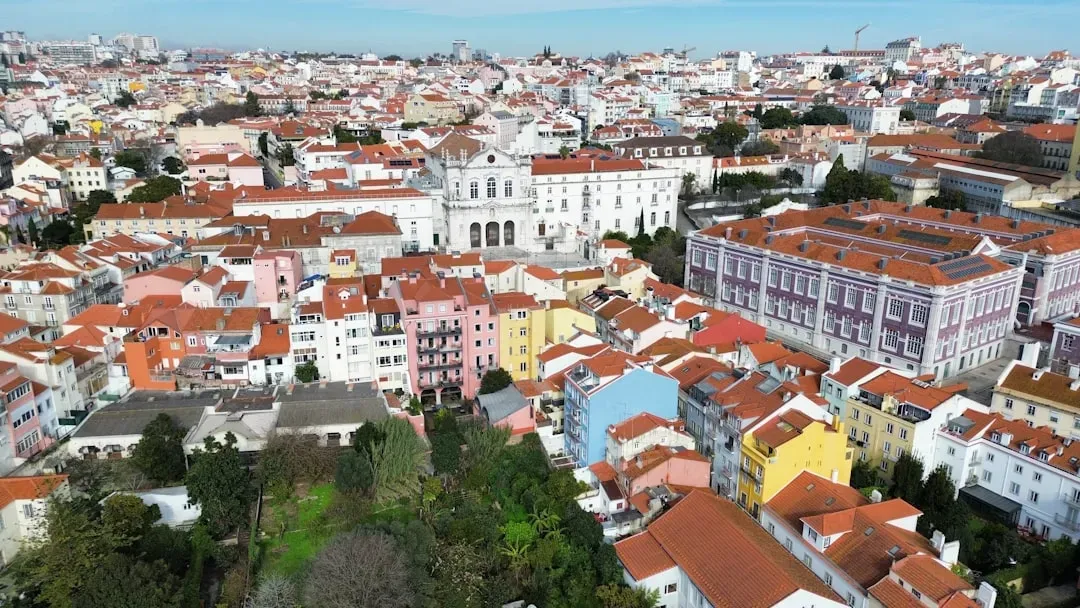
Let’s be real: a lot of Americans moved to Portugal based on a filtered version of reality. YouTube videos showing sunlit terraces, cheap wine, and smiling neighbors. The truth, as usual, is more nuanced. One of the biggest complaints from those who left is that they were given the wrong impression of Portugal, quickly pointing to YouTubers, Instagrammers, bloggers, estate agents, relocation companies, retirement magazines, and the media for giving them the wrong idea.
Another issue expats frequently encounter is that other expats are also often thinking about whether they will stay or go. Expats, by nature, are quite transient, which is difficult when trying to build deep, long-lasting friendships. Because of this, many people find themselves mainly surrounded by other expats despite never wanting to be a part of that scene. You moved across the ocean to feel Portuguese, and ended up at an American-dominated brunch in Lisbon every Sunday. It is not quite what people imagined.
The Broader American Exodus Context

Portugal’s expat challenges do not exist in a vacuum. The United States is experiencing something genuinely historic right now. In 2025, for the first time since the Great Depression, the US experienced negative net migration, according to analysis by The Wall Street Journal and a Brookings Institution report. That is a remarkable statistic when you sit with it.
An estimated 4 to 9 million Americans currently reside abroad, with requests to renounce US citizenship jumping 48% in 2024. It is hard to say for sure whether Portugal is a net beneficiary or net loser of this trend right now, because the data tells both stories simultaneously. Europe has naturally entered this conversation, and Portugal has become part of it. The country offers conditions that resonate with those seeking change, including accessible public services, relative safety, and a pace of life that feels manageable. The draw remains real. The friction has simply grown louder.
Is Portugal Still Worth It? The Honest Answer

This is the question everyone is actually asking. And the answer is genuinely complicated. With a 1.372 Global Peace Index in 2024, Portugal stands out as one of the top 10 safest countries in the world. The healthcare system, while not free for temporary residents, remains a fraction of the cost of American coverage. The climate is still glorious. None of that has changed.
It is the structural layers that have shifted. The last stressor anyone needs when moving to another country is worrying about money. Being certain you have all the facts before you go is now more important than ever. The expats who are staying, and many are, tend to be the ones who went in with clear financial planning, realistic expectations, and enough flexibility to roll with a system that does not operate on American timelines.
The United States continues to symbolize ambition and innovation, yet the meaning of success is evolving. For some, it now includes balance, predictability, and social stability alongside professional achievement. Portugal still offers that possibility. It is just no longer the easy, cheap, tax-friendly shortcut it once appeared to be. The dream has not died. It has simply become more honest.
Conclusion


The “Expat Exit” from Portugal is real, but it is not the whole story. What we are watching is a market correction of sorts, not a collapse. The NHR tax benefits are gone, the Golden Visa property route is closed, bureaucratic delays remain formidable, and housing prices have climbed to levels that would have seemed unthinkable five years ago. Those are serious headwinds, and anyone ignoring them is not doing their homework.
Portugal is still one of the safest, most livable countries on the planet. It still has that magic. But the days of arriving with a modest savings account and surfing on tax exemptions are over. The Americans staying are the ones who came prepared, came patient, and came willing to meet Portugal on its own terms rather than trying to transplant American expectations onto a very different place.
Would you still move to Portugal knowing all of this? Or does the uncomplicated dream feel like it belonged to a different era entirely? Tell us your thoughts in the comments.