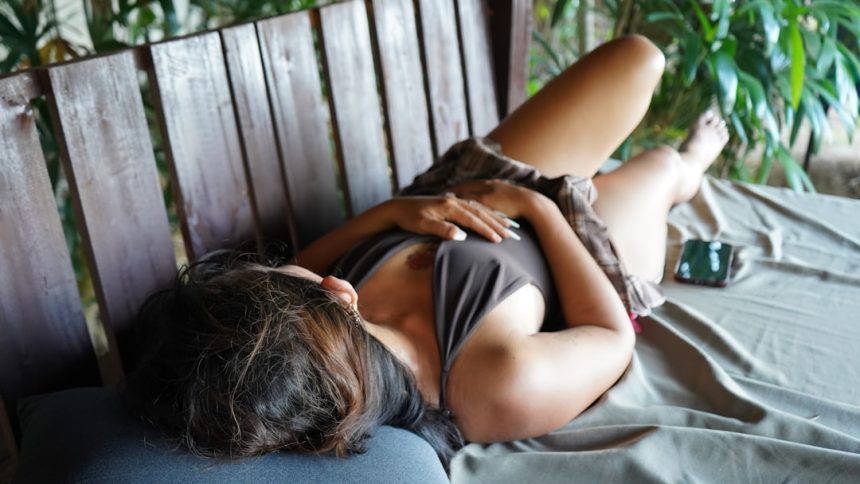
There is something quietly radical about booking a vacation and telling people the main activity is sleeping. Not hiking. Not sightseeing. Not chasing sunsets with a cocktail in hand. Just deep, restorative, medically supported sleep. Sounds almost too simple, right? Yet this idea has exploded into one of the biggest wellness travel movements of our era.
We are living through what some researchers are calling a global sleep crisis, and the travel industry has noticed. A new category of resort experience has emerged to meet it head on, blending science, luxury, and ancient healing in ways that are genuinely surprising. Let’s dive in.
We Are All Running on Empty – And the Numbers Prove It


Let’s be real: the world is exhausted. Chronic insomnia affects roughly 30% of adults worldwide, and the CDC has called insufficient sleep a public health epidemic, linking it to heart disease, obesity, diabetes, and depression. That is not a niche problem. That is most of your neighborhood, most of your office floor, and probably you.
In the UK alone, nearly three quarters of adults report sleeping badly, and research suggests that between five and seven percent are seeing their doctors to complain specifically about fatigue. The situation is no different in the United States, where the economic toll is staggering. The American Academy of Sleep Medicine has reported that sleep deprivation costs the U.S. economy billions annually in lost workplace productivity, making poor sleep not just a personal health issue but a genuine national concern.
The always-on culture of modern life has left millions in chronic exhaustion. Work stress, late-night scrolling, and blurred boundaries between professional and personal time have made quality sleep genuinely elusive. It’s a perfect storm. And out of that storm, a new kind of travel was born.
What Exactly Is a “Sleep Vacation”?

A sleep vacation is a trip where the main goal is to improve sleep quality and develop better rest habits. These vacations typically involve staying at hotels or resorts that specialize in creating perfect sleep environments with top-quality mattresses, soundproof rooms, and carefully controlled lighting. Many sleep vacation destinations offer programs and classes led by sleep experts, spa treatments, and meals designed to promote better rest.
Honestly, this is not just about getting a good nap in a fancy room. Sleep tourism is a burgeoning area of travel where getting a good night’s rest is the number one priority. While hotels have long boasted about their ability to offer just that, sleep tourism is far more than high thread count sheets and extensive pillow menus. It’s about creating a travel experience where improving sleep is at the core, whether that’s a week-long retreat to learn the art of sleeping well, a medical-led stay where issues are diagnosed and treated, or a relaxing break with daily sleep-inducing spa treatments.
Experiences range from luxury hotel rooms with circadian lighting and soundproofing to holistic retreats featuring yoga, meditation, and personalized sleep assessments. Some resorts also incorporate AI-powered mattresses and biofeedback programs. Think of it less like a hotel stay and more like a full system reboot for your nervous system.
Why 2026 Is the Tipping Point for Sleep Travel

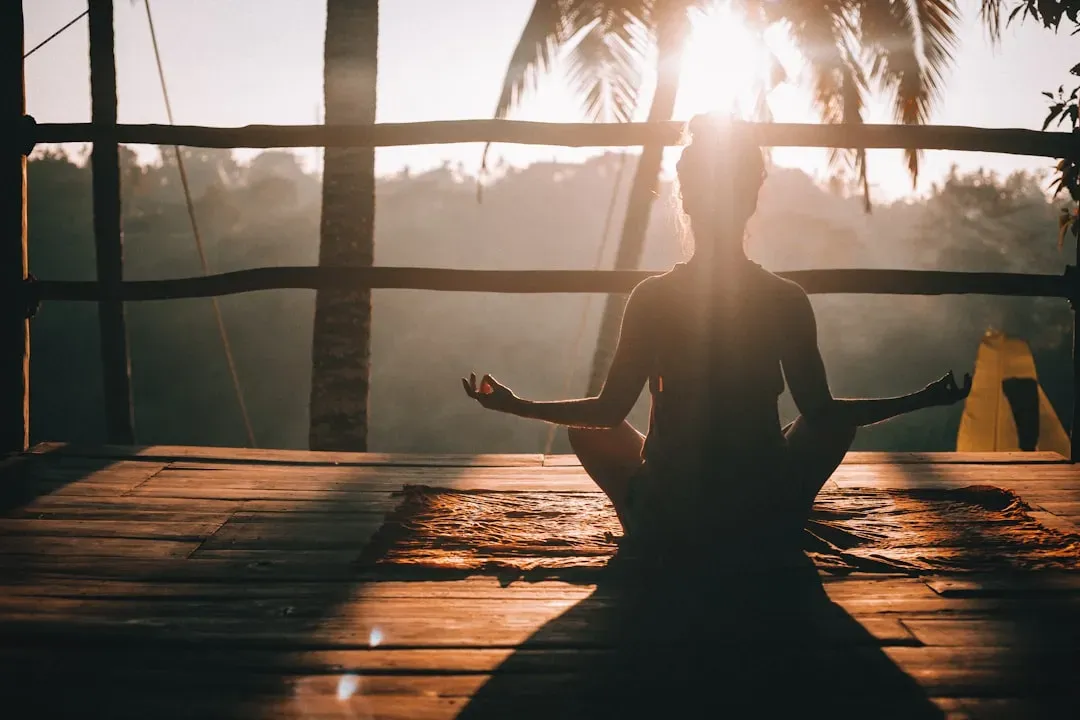
Travel has always promised escape. In 2026, it promises something more essential: regulation and restoration. As modern life grows louder, faster, and more demanding, the way we travel is being rewritten, with wellness no longer a side benefit of time away, but its central purpose. This shift has been building for years, but 2026 feels like the year it truly crossed over into the mainstream.
A 2024 report by HTF Market Intelligence found the worldwide sleep tourism sector is worth more than $690 billion and is forecast to grow by another $400 billion between 2024 and 2028. Those numbers are not a niche market. They represent a fundamental change in how we think about the purpose of travel itself. According to the International Luxury Travel Market, more than nine in ten luxury travelers now actively look for wellness programs when booking a trip.
McKinsey’s 2025 Future of Wellness report shows that Millennials and Gen Z are spending more on wellness than on other spending categories, while Boomers are increasingly embracing preventive health and longevity travel. Every generation, it turns out, is in on this. Sleep is the one thing we all desperately need and rarely enough of.
The Science Behind Why It Actually Works

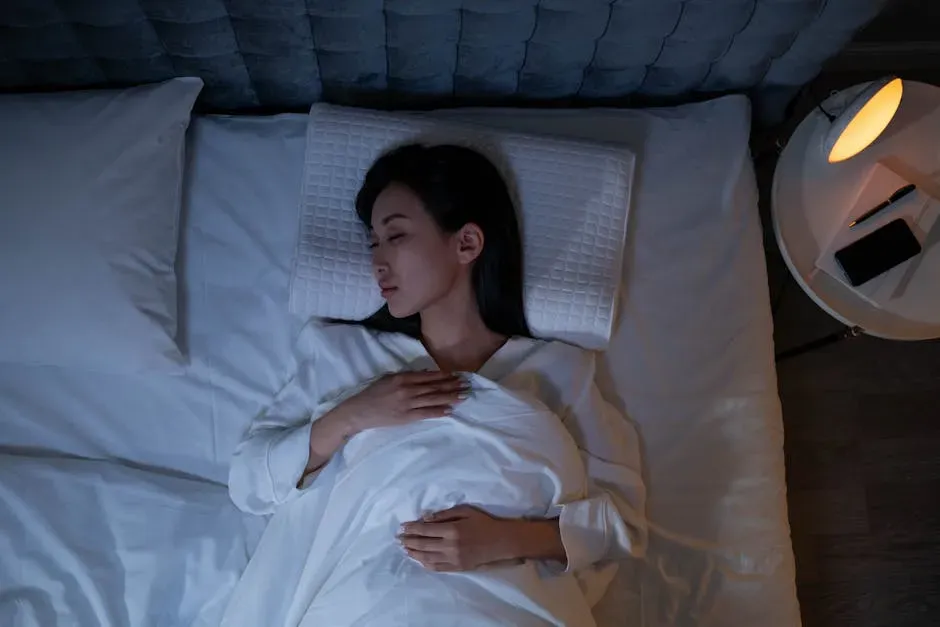
Skeptical? I get it. The idea of paying thousands of dollars to sleep somewhere nicer sounds like marketing dressed up as medicine. Sleep scientist Rebecca Robbins has highlighted the importance of sleep quality in ensuring guest satisfaction, noting that restful sleep while traveling often predicts whether guests will return to a hotel. Notably, two-thirds of Americans reported better sleep in hotels than at home in 2024, according to Hilton.
Miraval Arizona’s focus on sleep optimization represents a key 2026 strategy, targeting the universal need for better sleep while leveraging technology that makes results measurable. Since two-thirds of Americans report sleeping better in hotels than at home, they have made sleep science core to their programming, including AI beds, sound therapy, and personalized coaching. There is something about the removal from daily routine that genuinely lets the nervous system decompress in a way that simply going to bed earlier at home cannot replicate.
A major driver for growth in sleep tourism is the emerging popularity of medical wellness trips centered around sleep-related issues and disorders. While sedatives provide short term relief for insomnia, many are now looking for sustainable solutions through therapies and lifestyle changes recommended by sleep medicine experts. Destinations with advanced meditation and wellness infrastructure coupled with accessibility to quality healthcare professionals are especially sought after. The science is real. The results are measurable. And that is exactly why the industry is booming.
The 5 Best Resorts for a Sleep Vacation in 2026

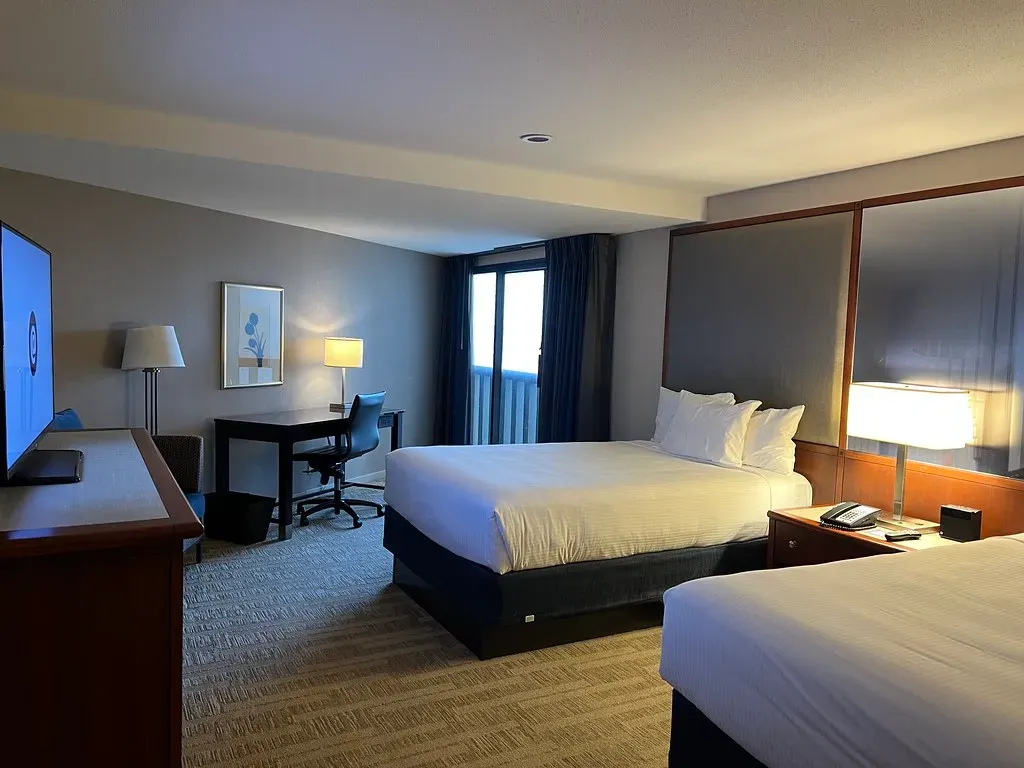
Now for the part you have actually been waiting for. Not every resort that claims to offer “sleep wellness” truly delivers. These five properties are the real deal, backed by genuine programs, credible practitioners, and verifiable guest outcomes. Each one takes a different approach, which is worth knowing before you book.
Destinations like Thailand, Bali, Sri Lanka, and Vietnam offer tranquil settings that combine natural beauty with innovative sleep wellness programs. Resorts such as Kamalaya Koh Samui in Thailand and Ayurveda retreats in Sri Lanka provide tailored packages featuring sleep therapies, spa treatments, and digital detoxes. The field is global now, with different cultural and scientific traditions converging on the same goal: giving you your sleep back.
Resort 1: Six Senses Residences Courchevel, France
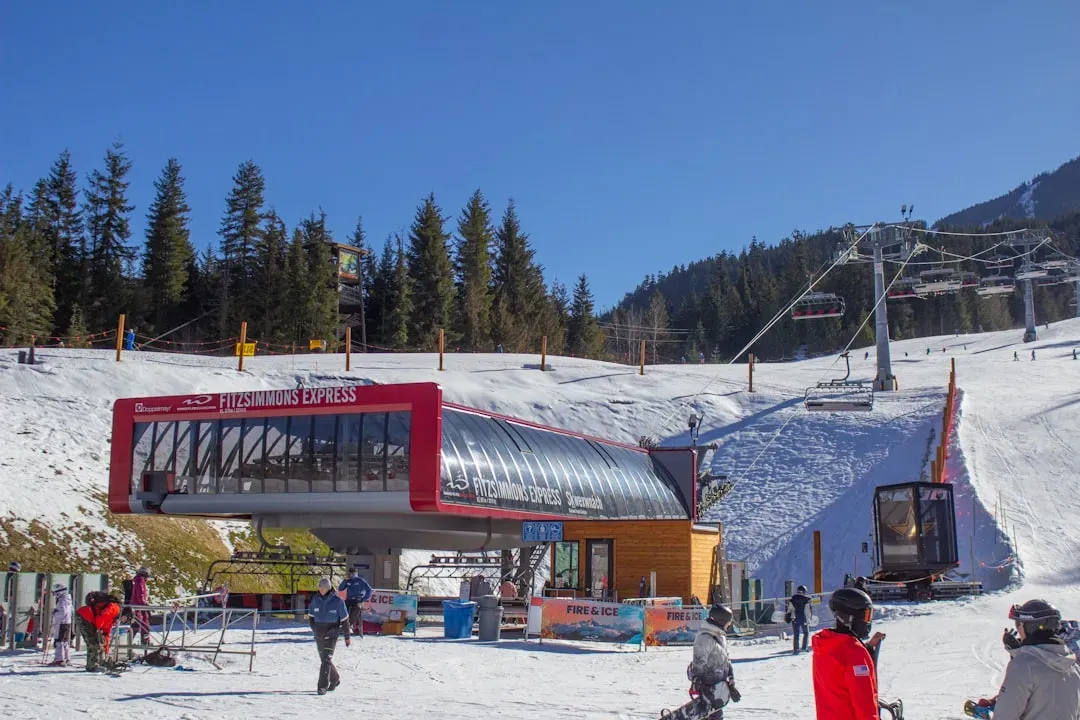
Set in the heart of the largest ski resort area in the world, Six Senses Residences Courchevel offers a popular Sleep Programme devised in collaboration with sleep doctor Michael J. Breus Ph.D. Each programme varies in length, with options for three, five, or seven-night stays. Guests can expect advice from the Sleep Doctor, plus the benefits of yoga nidra and meditation, relaxing treatments, wellness therapies, nutrition advice, and low intensity training.
Six Senses leads the charge globally with its Sleep with Six Senses program, offering personalized sleep environments, circadian lighting, and sound therapy to ensure guests get the best rest possible. Six Senses properties, including Six Senses Vana and Six Senses Fort Barwara, offer specially designed rooms with organic wool mattresses, temperature-regulating pillows, and sleep analysis trackers. It is the kind of place where even the mattress has been thought through with more care than most people give to their entire bedroom.
Resort 2: SHA Wellness Clinic, Spain
Set high on the sun-drenched hills of Spain’s Mediterranean coast, SHA blends cutting-edge science and ancient wisdom. The clinic’s grounds span expansive gardens, serene hydrotherapy pools, and open-air terraces that merge seamlessly with nature, creating a peaceful haven for reflection and relaxation. It’s one of those places that makes you feel calmer just looking at photographs of it.
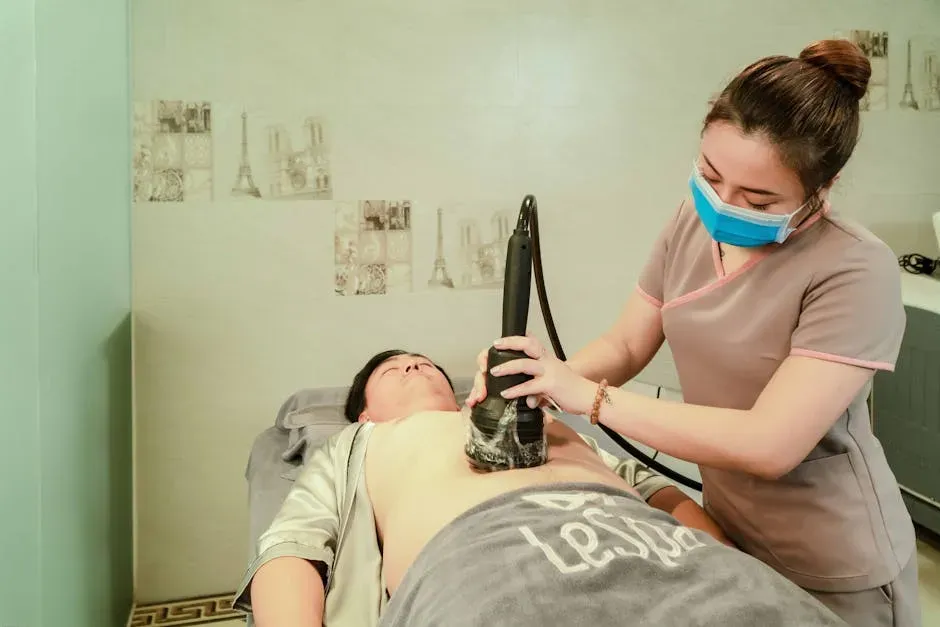
SHA uses a multidisciplinary approach focused on identifying the root causes of sleep disturbances and applying targeted therapeutic solutions to restore deep, restorative sleep. The Sleep Recovery module corrects sleep apnea and insomnia based on a medical check-up and a nocturnal polygraph sleep test. Natural therapies such as acupuncture, traditional Chinese medicine, phytotherapy, massage, yoga, meditation, and hydrotherapy are all employed as techniques to promote better sleep.
For nearly two decades, SHA has led the way in health optimization and longevity, offering integrative, results-driven programs tailored to each guest. In 2024 and 2025, the clinic was recognized as the World’s Best Wellness Clinic by World Spa Awards, and as the Worldwide Health and Wellness Destination of the Year. The accolades are impressive, but honestly, the real testament is how packed the booking calendar stays.
Resort 3: Ananda in the Himalayas, India
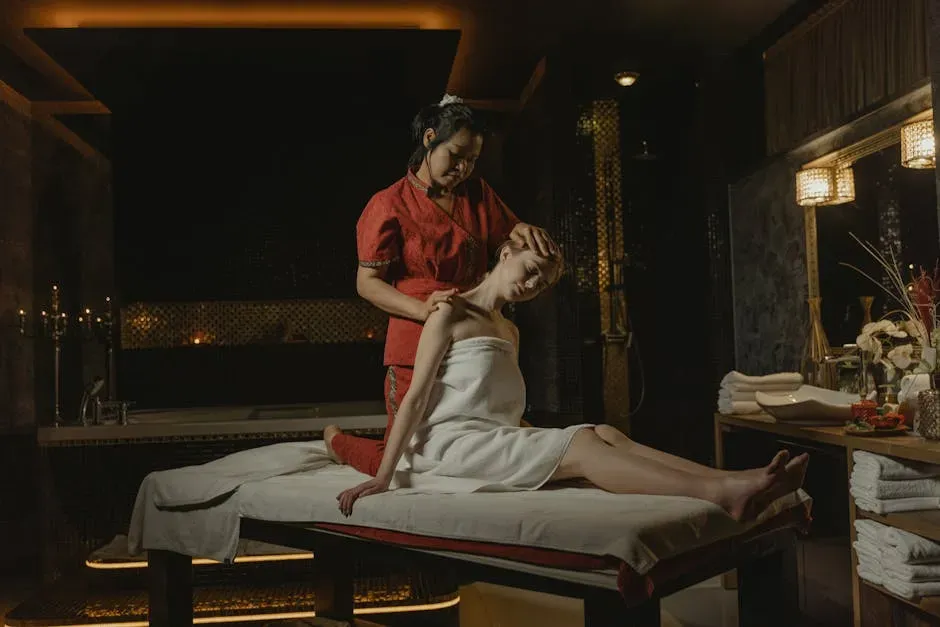
For 25 years, Ananda has drawn seekers from around the world to the Himalayan foothills, a landscape steeped in the birthplace of Ayurveda, yoga, and meditation. The wisdom of multigenerational Ayurvedic doctors meets the discipline of Bihar School of Yoga masters here. There is a spiritual quality to this place that sets it apart from purely clinical wellness destinations.
The holistic programmes at Ananda stand out for their integrated approach, combining Ayurveda, meditation, and daily movement within a calm and pristine Himalayan setting. Set within the Himalayan foothills, Ananda is often considered one of the best wellness retreats in the world. Sleep here is not treated as an isolated problem. It is treated as a symptom of a deeper imbalance that Ayurvedic medicine has been addressing for thousands of years. That perspective changes everything.
Resort 4: Miraval Arizona Resort and Spa, USA

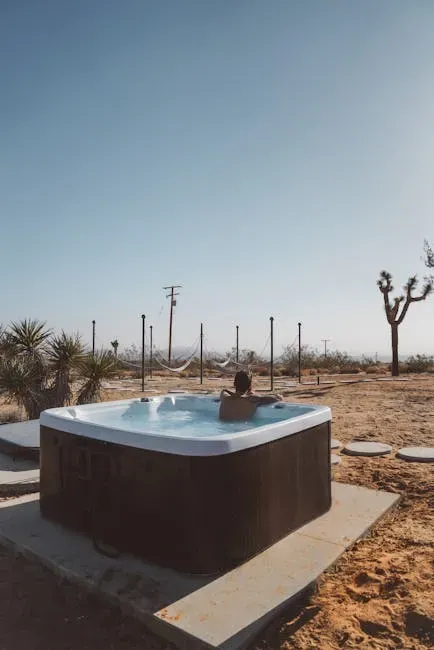
Miraval Arizona is set across 400 acres of serene Sonoran Desert under nearly year-round sunshine. Desert meets mountain in a landscape defined by balance and calm, with ancient cacti, flowering plants, and mesquite trees creating a tranquil setting for reflection, renewal, and discovery. There is something deeply resetting about the absolute stillness of the desert at night.
Miraval Arizona’s resident Sleep and Dream Specialist, Leah Ann Bolen, guides guests through intentionally curated workshops, activities, lectures, and meditation practices designed to support deep rest and overall wellness. Guests can gain insights into ways to foster healthy sleep habits as a foundation for wellness and health during private sessions with the resort’s sleep specialist. This is one of the rare resorts where sleep expertise is a full-time, year-round staff role, not just an occasional guest speaker.
Resort 5: COMO Shambhala Estate, Bali

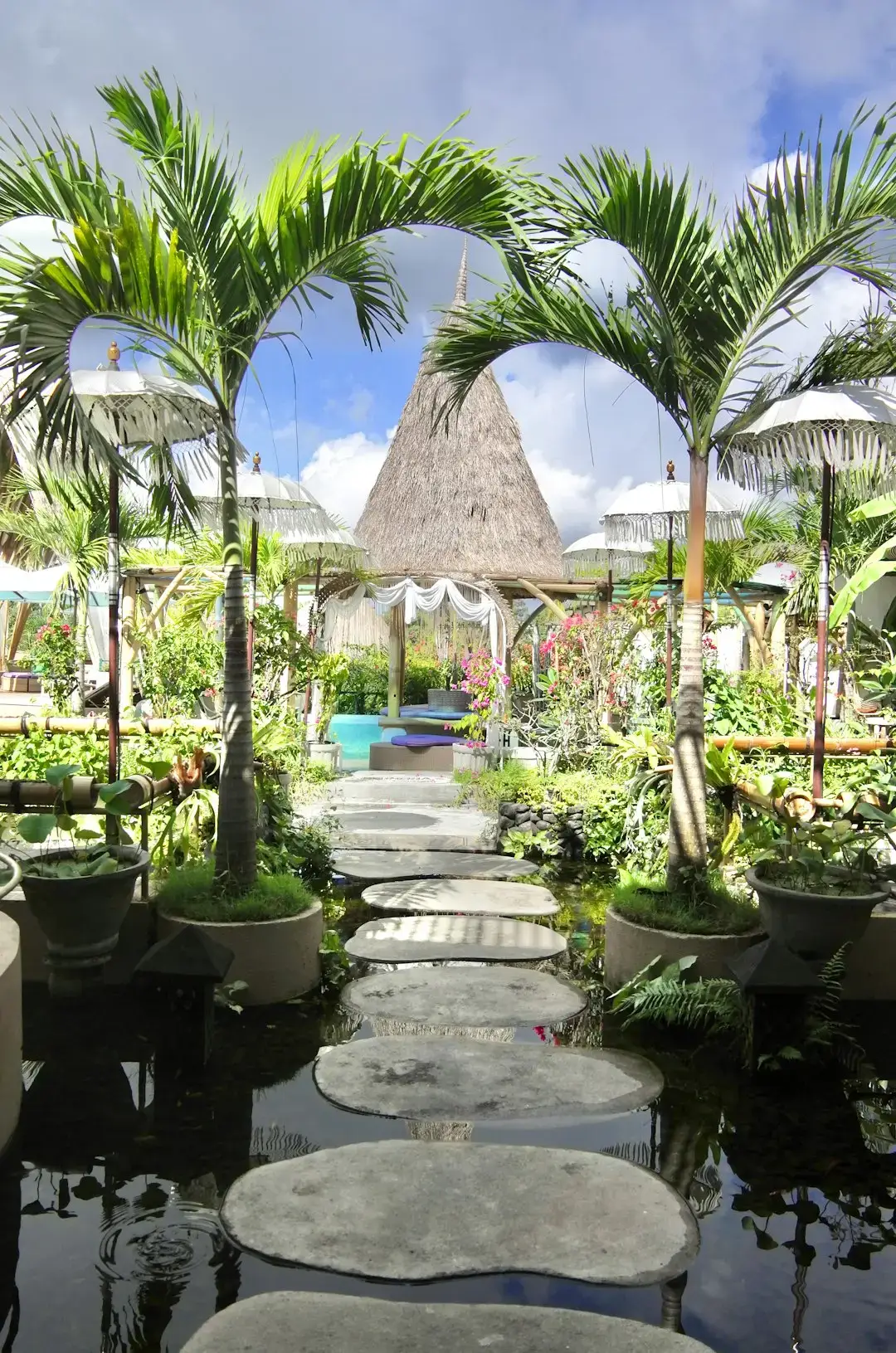
Hidden within Bali’s lush rainforest, COMO Shambhala Estate offers a deeply immersive holistic experience. Guests follow personalized programmes including yoga, hydrotherapy, Ayurvedic treatments, and nutrition-led dining. The estate’s tranquil environment and expert practitioners have made it one of the most sought-after wellness retreats in Southeast Asia.
COMO’s Singapore property also demonstrates the brand’s commitment to sleep science, with a retreat that focuses on how crossing time zones can disrupt our circadian rhythm and lead to sleep deprivation. Guests can experience Hyperbaric Oxygen Therapy, with the 60-minute session designed to enhance the quality of sleep and aid natural healing and jet-lag recovery. Bali’s rainforest version takes this further, wrapping cutting-edge therapies in one of the most naturally sleep-inducing environments on the planet.
The Future of Sleep Travel: What Comes Next

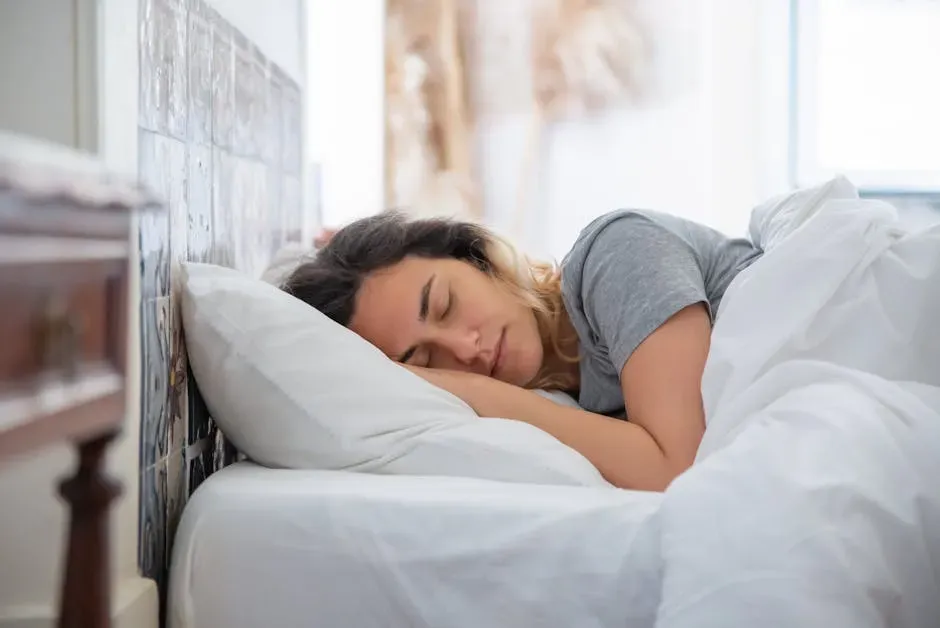
Primary sleep tourism trips are set to grow at a compound annual growth rate of 12.8% from 2025 to 2030. The trend is expected to gain momentum as travelers prioritize wellness and restorative experiences. Demand is rising for sleep-focused retreats offering curated sleep programs, sleep therapy sessions, and high-tech amenities designed to improve rest. This is not a trend about to fade. It is a structural shift.
The destinations capturing this shifting traveler mindset are seeing strong returns by offering sleep tourism and biohacking retreats, with programs designed around improving sleep quality using AI-enhanced beds, circadian lighting, and expert coaching to help guests manage chronic stress. The technology angle is only going to deepen. Sleep tracking, AI personalization, and biometric feedback are becoming standard, not premium.
Burnout, hormonal imbalance, and nervous system overload are no longer niche concerns, but part of everyday conversation, reframing wellness not as an indulgence, but as essential maintenance for contemporary life. Honestly, when you put it that way, booking a sleep vacation starts to sound less like a luxury and more like basic self-preservation.
Is a Sleep Vacation Right for You?
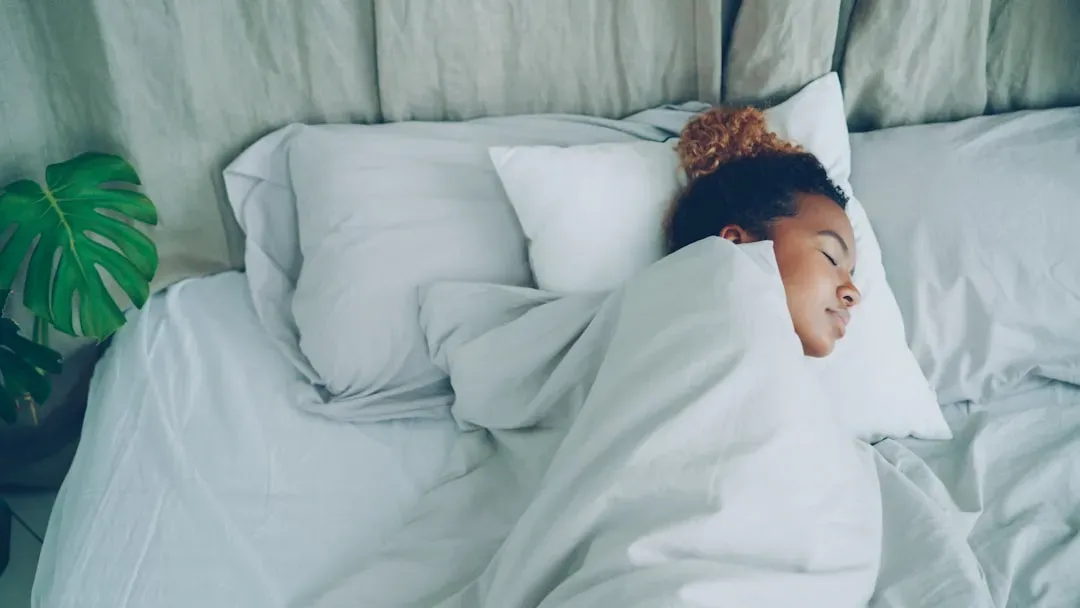
About one in twenty travelers has already participated in sleep tourism, and one in five plans to do so this year. Around 20% of travelers say they would attend a sleep retreat or wellness program, and nearly one in ten already have. The audience is growing fast but is still far from saturated, which means the best spots are still available, for now.
Travelers are willing to pay an average of $1,725 for a sleep tourism vacation. Nearly one in ten has already chosen a hotel specifically for its sleep-related features. Moreover, nearly half would pay more for a hotel room marketed as a sleep-enhanced experience. It’s hard to say for sure whether that price point will come down as competition grows, but right now this remains primarily a premium experience.
Sleep tourism is often priced for the affluent, raising legitimate inclusivity questions. Critics also argue that monetizing sleep commodifies a basic human need. Both of those points are fair. Still, for those who can access it, the evidence suggests the investment pays dividends that go far beyond the trip itself, because the goal is to take better sleep habits home with you.
Conclusion: The Most Radical Thing You Can Do in 2026 Is Rest
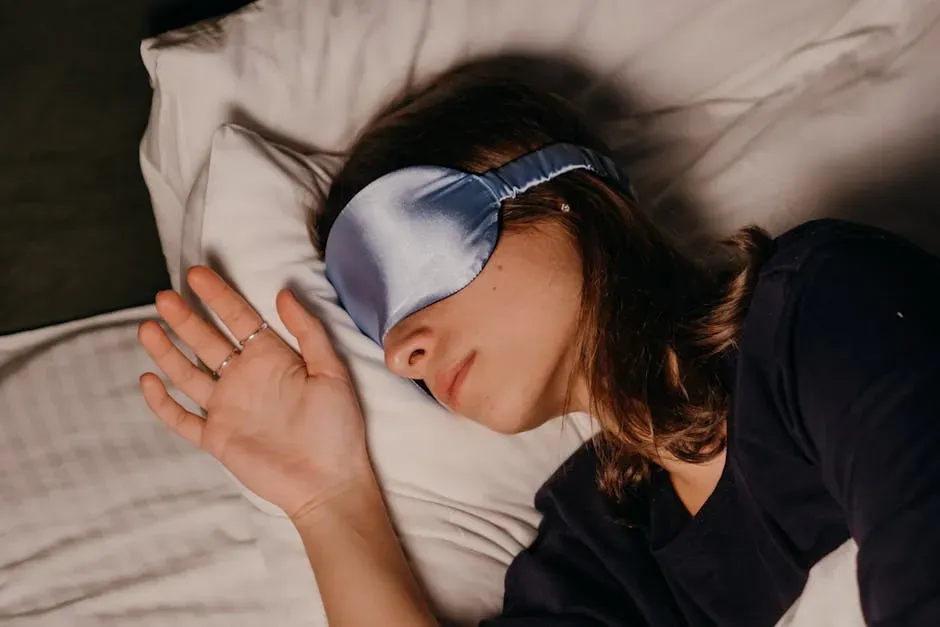
There is something quietly rebellious about treating sleep as the destination rather than an inconvenient gap between activities. In a culture that glorifies being busy, choosing to travel specifically to do less is a genuinely countercultural act. With travel and wellbeing so intrinsically interconnected, our collective desire for a successful night’s sleep has driven a new and booming category of travel: sleep tourism.
The five resorts above represent the best that this movement has to offer right now. From the Alpine precision of Six Senses Courchevel to the ancient Ayurvedic wisdom of Ananda in the Himalayas, each one approaches the same problem through a completely different lens. That’s what makes this space so rich. There is no single answer to why we are all so tired. So naturally, there is no single solution either.
Sleep deprivation has quietly shaped our collective health, our productivity, and our emotional lives for decades. Maybe the most honest thing 2026 has given us is permission to admit that, and actually do something about it. So here’s a thought: what if your next vacation was the one that finally gave you your rest back? What would that be worth to you?