There’s a particular kind of magic in a first line that grabs you by the collar. Some books don’t ease you in, they yank you straight into the deep end before you’ve even settled into your chair. The ten titles below are proof that a great opening isn’t just a nice bonus, it’s often the whole reason a reader keeps turning pages.
1. Pride and Prejudice by Jane Austen


Jane Austen opens her 1813 novel with one of the most quoted lines in English literature, a wry observation about marriage and money that sets the tone for everything that follows. The sentence works because it promises satire before a single character even appears on the page. Readers know immediately they’re in for social commentary dressed up as romance.
What makes this opening endure is its economy. In one sentence, Austen establishes irony, class anxiety, and the marriage plot that drives the entire book. It’s a masterclass in doing more with less, which is probably why writing teachers still dissect it more than two centuries later.
2. 1984 by George Orwell

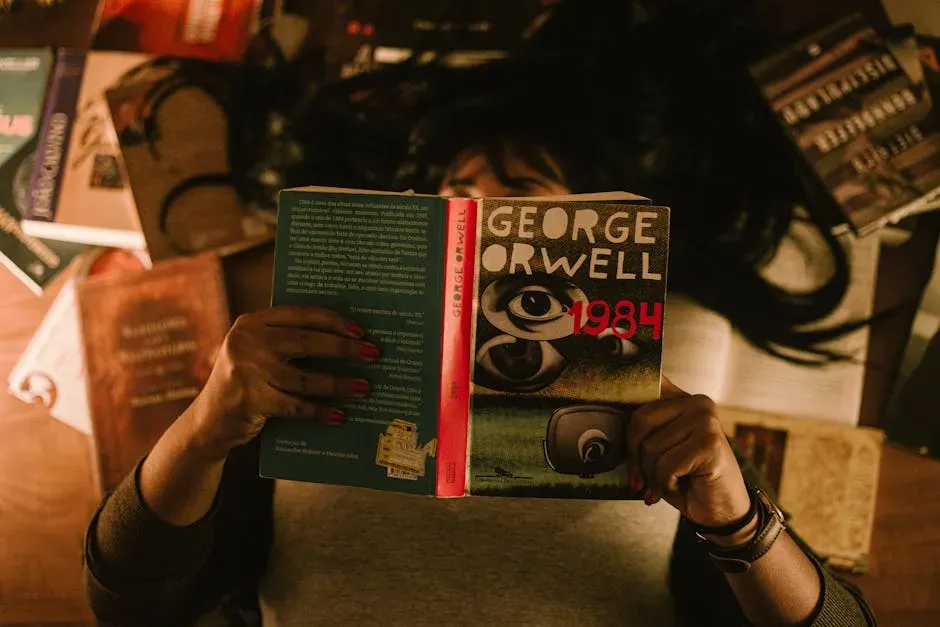
Orwell’s opening line describes a clock striking thirteen, a small detail that immediately signals something is off in this world. It’s not a dramatic explosion or a shocking death, just a clock that shouldn’t exist as described. That quiet wrongness is exactly what makes it unsettling.
The genius here is restraint. Orwell doesn’t announce dystopia with fireworks, he lets a single strange fact do the work. By the time readers reach the second paragraph, they already sense the world has rules that don’t match their own, and that unease never really lets up.
3. The Metamorphosis by Franz Kafka

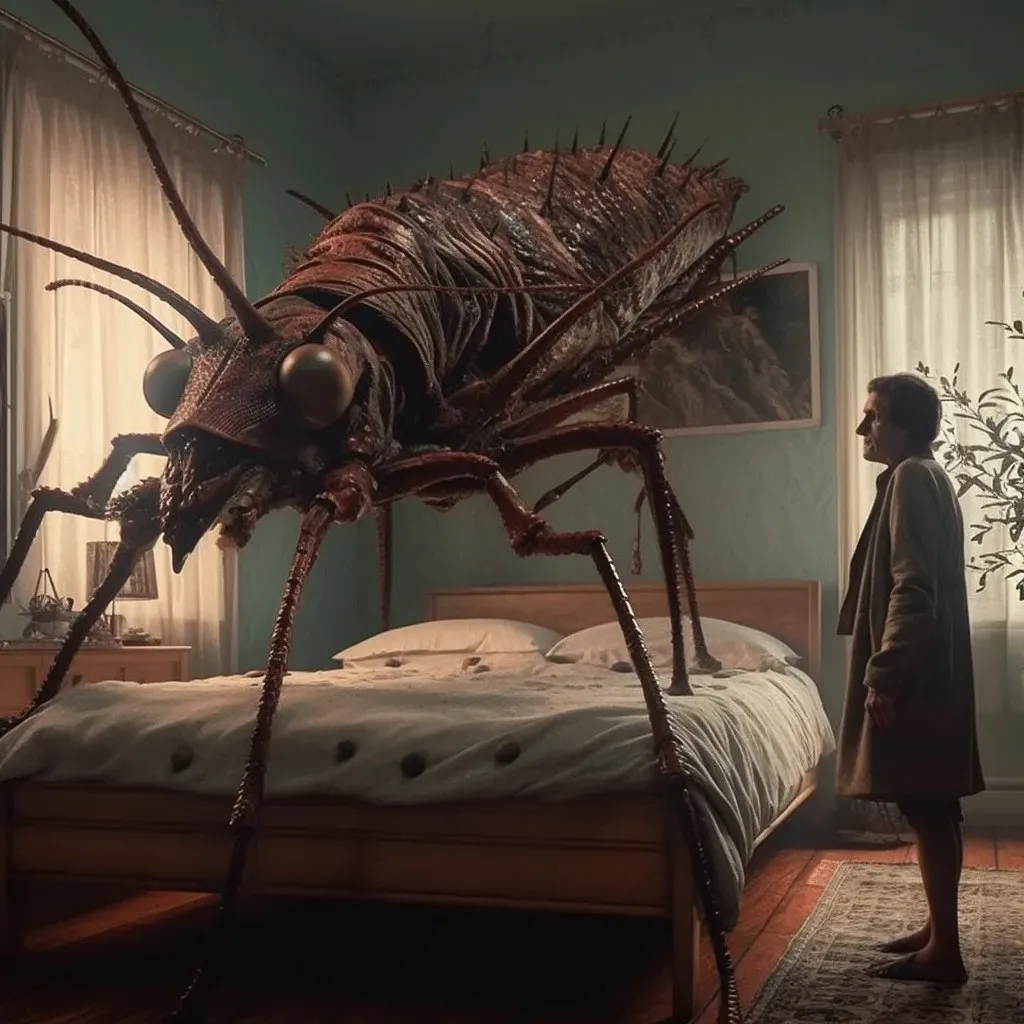
Kafka wastes no time. His protagonist wakes up transformed into an insect, and the story simply proceeds from there as if this were an ordinary Tuesday. There’s no slow build, no foreshadowing, just immediate and total transformation stated as plain fact.
The flat, almost bureaucratic tone of the sentence is what makes it so strange. Kafka treats an impossible event with the same matter-of-fact energy most writers reserve for describing weather. That contrast between the absurd and the mundane has kept readers unsettled since the novella first appeared in 1915.
4. Rebecca by Daphne du Maurier

Du Maurier’s 1938 gothic novel opens with a dreamlike line about returning to a place called Manderley, and the melancholy in that single sentence colors the entire book. It reads like a memory the narrator can’t quite shake, which is fitting since the story is built on things left unspoken. The house becomes almost a character in its own right from that first mention.
This opening works because it’s retrospective and haunted before the plot even begins. Readers sense loss and longing before they know any details, and that emotional groundwork makes the slow-burn mystery that follows feel earned rather than manufactured.
5. One Hundred Years of Solitude by Gabriel García Márquez

García Márquez opens with a moment of execution recalled from years in the future, then loops backward to childhood memory in the same breath. It’s a strange temporal trick, jumping forward and backward simultaneously, and it announces the novel’s entire relationship with time. Magical realism starts right there on line one.
The sentence also introduces ice as a childhood wonder, grounding the surreal in something tender and human. That blend of the fantastical and the intimate is the engine of the whole book, and it’s remarkable how much of that promise is packed into a single opening sentence.
6. The Bell Jar by Sylvia Plath


Plath’s 1963 novel opens by anchoring the story to a real historical event, the execution of the Rosenbergs, filtered through a narrator’s oddly detached curiosity. The juxtaposition of a major news event with personal numbness is jarring in the best way. It tells readers immediately that this narrator sees the world sideways.
That detachment becomes the emotional signature of the entire novel. Plath uses the opening to establish a voice that’s observant but disconnected, which mirrors the narrator’s deepening depression as the story unfolds. It’s an opening that rewards rereading once you know where the story goes.
7. Fight Club by Chuck Palahniuk

Palahniuk’s 1996 novel begins mid-action, with a gun in someone’s mouth and a countdown already ticking. There’s no gentle setup, just immediate physical danger and a narrator who seems oddly calm about it. The chaos is stated as fact, not built up to.
This kind of in medias res opening forces readers to catch up rather than settle in. It mirrors the novel’s larger structure, which constantly disorients before it explains, and it set a tone that influenced a wave of transgressive fiction in the years that followed.
8. We Need to Talk About Kevin by Lionel Shriver


Shriver’s 2003 novel opens as a letter, with a narrator addressing her estranged husband about the question of whether she should still use his last name. It’s a domestic, almost mundane concern on the surface, but the tension underneath is immediate. Readers sense dread before they know the specifics of what happened.
The epistolary format itself creates intimacy and unease simultaneously. By framing the entire book as private correspondence, Shriver makes readers feel like they’ve stumbled onto something they shouldn’t be reading, which is part of what makes the slow reveal of the plot so effective.
9. The Road by Cormac McCarthy

McCarthy’s 2006 post-apocalyptic novel opens with sparse, almost biblical imagery of darkness and a father reaching for his son. There’s barely any exposition, just atmosphere and a single protective gesture. The world’s devastation is implied rather than explained.
This minimalist approach becomes the novel’s defining style. McCarthy trusts readers to fill in the blanks, and that trust pays off because the sparse prose mirrors a world stripped down to its bare essentials. The opening lines set expectations for a book built on silence and survival rather than exposition.
10. Gone Girl by Gillian Flynn
Flynn’s 2012 thriller opens with a husband’s unsettling meditation on his wife’s head, described with a strange mix of tenderness and menace. It’s an intimate detail turned faintly disturbing, which is exactly the tonal whiplash the novel is built on. Readers aren’t sure yet whether to trust affection or suspect violence.
That ambiguity is the entire point. Flynn plants seeds of unreliability in the very first paragraph, long before the plot’s twists arrive, and rereading the opening after finishing the book reveals just how carefully those early lines were constructed to mislead.