


The 1990s were a genuinely unusual decade for television. Networks were taking risks on stranger, more character-driven stories, the cable dial was expanding fast, and audiences were only beginning to understand how much a show could mean to them before it vanished. When you think about great ’90s shows, Friends, Dawson’s Creek, and ER are some of the first that come to mind. Unlike those series, plenty of other shows never got the chance to really shine.
While blockbuster hits dominated the spotlight, dozens of innovative series quietly disappeared after just one or two seasons. Many of these forgotten TV shows were ahead of their time, blending genres, tackling complex themes, and building loyal fanbases that never got closure. These are seven of the best.
My So-Called Life (1994–1995): The Teen Drama That Defined a Generation and Left Too Soon


Claire Danes’ debut role was in My So-Called Life, in which she played 15-year-old Angela Chase, who rebels against her social standing by dying her hair and finding new friends. The show helped to start the careers of some of its other stars, like Jared Leto and Wilson Cruz. My So-Called Life only had one season, but it dealt with some heavy subjects. The show covered alcoholism, homophobia, homelessness, and other serious issues, while other teen dramas had previously been much more lighthearted.
Though My So-Called Life was canceled after its first and only season, it provoked the first-ever online fan campaign to save a show. Over the years, My So-Called Life gained cult status through reruns, streaming, fan fiction, and the 2002 sequel novel My So-Called Life Goes On. Its authentic depiction of early 90s culture, combined with unforgettable performances, ensures the show remains a touchstone for teen storytelling.
Freaks and Geeks (1999–2000): The Show That NBC Never Understood


Freaks and Geeks was one of the best teen shows to ever appear on television. With a perfect score on Rotten Tomatoes, the series perfectly portrayed the struggles of the average teen. The main actors went on to gain fame, like Seth Rogen, James Franco, Jason Segel, and Linda Cardellini. Created by Paul Feig and executive produced by Judd Apatow, Freaks and Geeks was an unglamorous and hilarious antidote to earnest and excessively articulate teen shows of the time, preferring to revel in the humiliations of high school than to psychoanalyze them.
NBC aired the first episode of Freaks and Geeks on Saturday, September 25, 1999, at 8:00 p.m. – not the best time slot for a show targeting teens. Then the other episodes aired sporadically, with weeks of breaks in between. Though the show was much loved, it struggled for ratings, and was finally taken off the air after a stop-start run of just 18 episodes. The scheduling mismanagement alone makes this one of the great TV injustices of the decade.
Sports Night (1998–2000): Sorkin’s Brilliant Dry Run for The West Wing

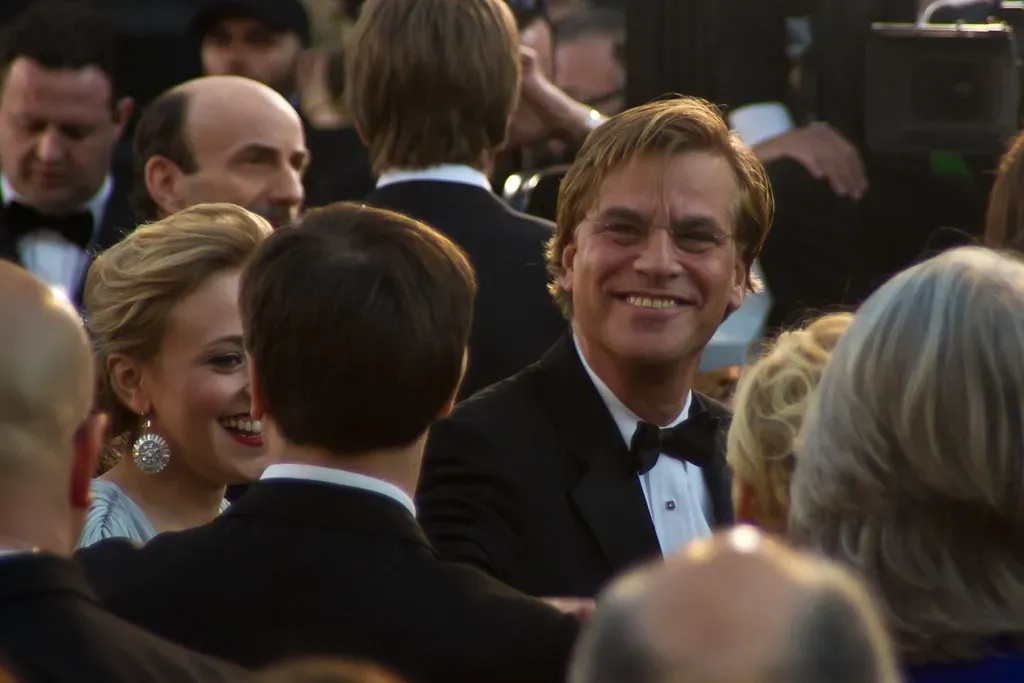
Sports Night is an American comedy drama television series about a fictional sports news show also called Sports Night. It focuses on the friendships, pitfalls, and ethical issues the creative talent of the program face while trying to produce a good show under constant network pressure. Created by Aaron Sorkin and produced by Imagine Television and Touchstone Television, the half-hour prime time comedy drama aired on ABC for two seasons, from September 22, 1998, to May 16, 2000. Sorkin initially wanted the show to be recorded without a laugh track, but ABC network executives insisted on including one. The volume of the laugh track faded as Season One continued and was abandoned at the beginning of Season Two.
Sports Night lasted only two seasons but its impact lives on. It’s one of the most influential shows of the past quarter century. It helped change the way we look at TV and lay the groundwork for creator Aaron Sorkin’s more popular and successful shows, The West Wing and The Newsroom. Sports Night had a renaissance in syndication, most notably on Comedy Central. A lot of people who had never seen an episode suddenly discovered this wonderful and witty show. Sports Night became more popular in death than it ever was in life.
Partner offer

Space: Above and Beyond (1995–1996): The War Epic That Fox Abandoned


Created by Glen Morgan and James Wong, who were known for their work on The X-Files, the show combined elements of war, politics, and space exploration, offering a gritty and realistic take on the genre. Set in the year 2063, Space: Above and Beyond follows a group of Marine Corps pilots, the 58th Squadron nicknamed the “Wild Cards,” as they battle an alien species known as the Chigs. The war is sparked when humanity’s first interstellar colony is attacked, leading to an all-out conflict for survival.
Planned for five seasons, it only ran for one season from 1995 to 1996 before being canceled due to low ratings. It was nominated for two Emmy Awards and one Saturn Award. The series had a budget between $1.5 and $2 million per episode which made it one of the most expensive shows on television at that time. When the ratings slacked off, Fox executives decided they could not justify bringing back such a costly show for a second season.
Eerie, Indiana (1991–1992): The Strange Little Show That Walked So Stranger Things Could Run


Inspired by Twin Peaks and The Twilight Zone, Eerie Indiana followed a teenager whose family is new to a town filled with strange events and paranormal happenings. The series was created to attract a wider audience than the mature-rated Twin Peaks, but it became difficult to promote the show to adults when many thought it was a kids’ show. Omri Katz played the main character, Marshall Teller, but most people will recognize him as Max Dennison from the hit Disney film Hocus Pocus. This casting may have contributed to people thinking Eerie Indiana was only for kids. NBC cancelled the series after only 19 episodes because they did not know how to market the weirdness for maximum effect.
Eerie, Indiana walked so shows like Stranger Things could run. It was clever and odd, unlike anything else on television with its mix of horror and humor. For those who appreciate shows like Twin Peaks, Eerie, Indiana is another from that time that’s due for a comeback. It is an unfairly forgotten 90s TV show that deserves a rewatch, despite only lasting for one season.
The Adventures of Pete and Pete (1993–1996): Nickelodeon’s Surreal Masterpiece

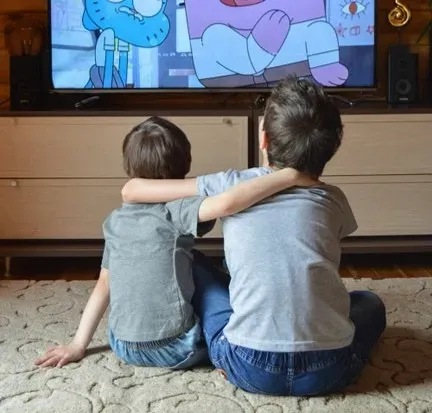
Created by Will McRobb and Chris Viscardi, the show focused on brothers Peter Wrigley, with the oldest brother referred to as “Big Pete” and the youngest as “Little Pete.” The Adventures of Pete and Pete followed the brothers’ daily lives, as they went through completely different situations due to their age difference, with Little Pete’s being more comedic and surreal. The Adventures of Pete and Pete has a unique charm that no other Nickelodeon TV show has matched, and it’s one of the network’s most relatable, well-written, and unique shows.
The Adventures of Pete and Pete sits right alongside Pee Wee’s Playhouse as the coolest, and strangest kids’ show ever produced. It was surrealist, it was funny, and somehow they managed to pull some of the most amazing cameos from stars like Michael Stipe, Alicia Keys, and Selma Blair. Who knows why it was canceled, as even before it went into endless reruns it had quite the cult following, but the creators did confirm that Nickelodeon cancelled it after just three wacky and wonderful seasons.
The Pretender (1996–2000): Four Seasons and Still No Proper Ending

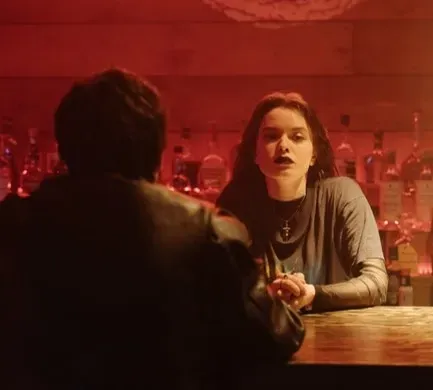
The Pretender had four seasons and two TV movies, and they still left things so open-ended that fans felt robbed. After rooting for Jarod and his search for his family, it really stung when both NBC and TNT chose cliffhangers over a resolution. The plot tells the story of the genius Jarod, who was kidnapped by The Centre as a young child and used for evil purposes. He escapes and lives on the run, but uses his photographic memory to learn many new trades and assume different occupations.
The creators, Steven Mitchell and Craig van Sickle, eventually wrote two novels to help answer fans’ questions, but the miniseries they planned has yet to see fruition. Mitchell and van Sickle based Jarod on real-life pretender and genius Ferdinand Waldo Demara Jr., who posed as a lawyer, civil engineer, surgeon, and monk, among others. The real-world inspiration made Jarod’s adventures feel grounded in a way that most action thrillers of the era never managed, which is precisely why its abrupt end remains so maddening for anyone who followed the show closely.
Partner offer
Planning a trip to Vegas?
Compare hotel rates and show tickets on VEGAS.com.


