Some nations vanish without a trace. They dissolve into history, leaving behind only memories, faded flags, and borders that modern maps no longer recognize. These aren’t just forgotten empires from ancient times. Many of these states existed within living memory, their citizens alive today, yet the countries themselves are gone.
How does an entire nation simply cease to be? Sometimes it happens through war. Sometimes through negotiation. Other times, a signature on a document is all it takes. Let’s explore what happened to ten countries that disappeared from the world stage.
Yugoslavia: The Violent End of a Socialist Federation


Yugoslavia fractured in the early 1990s after a prolonged political and economic crisis, ultimately ceasing to exist as the Socialist Federal Republic by January 1992. The breakup triggered a series of devastating inter-ethnic wars from 1991 to 2001 that resulted in massive casualties and severe economic damage across the region. Here’s the thing: this wasn’t just about ethnic tensions bubbling over.
The reasons behind Yugoslavia’s dissolution ranged from deep cultural and religious divisions between ethnic groups to memories of brutal World War II atrocities committed by all sides. Slovenia declared independence on June 25, 1991, followed by Croatia that same day, though Slovenia’s separation was relatively bloodless while Croatia’s descent into conflict was not. The wars that followed left scars across Bosnia and Herzegovina, Croatia, and Kosovo that remain visible decades later.
East Germany: Absorbed Into Reunified Germany


The German Democratic Republic formally dissolved on October 3, 1990, when a unification treaty ratified by both the Bundestag and the People’s Chamber went into effect, marking German reunification just 339 days after the fall of the Berlin Wall. The opening of the Berlin Wall on November 9, 1989, proved fatal for the GDR, as months of demonstrations forced the East German government to make concessions to its citizens.
Let’s be real: reunification happened astonishingly fast. Soviet-occupied East Germany, officially known as the German Democratic Republic, was reunited with West Germany on October 3, 1990, and the Soviet Union itself collapsed just one year later. The speed caught everyone off guard, even those directly involved in the negotiations.
Czechoslovakia: The Velvet Divorce
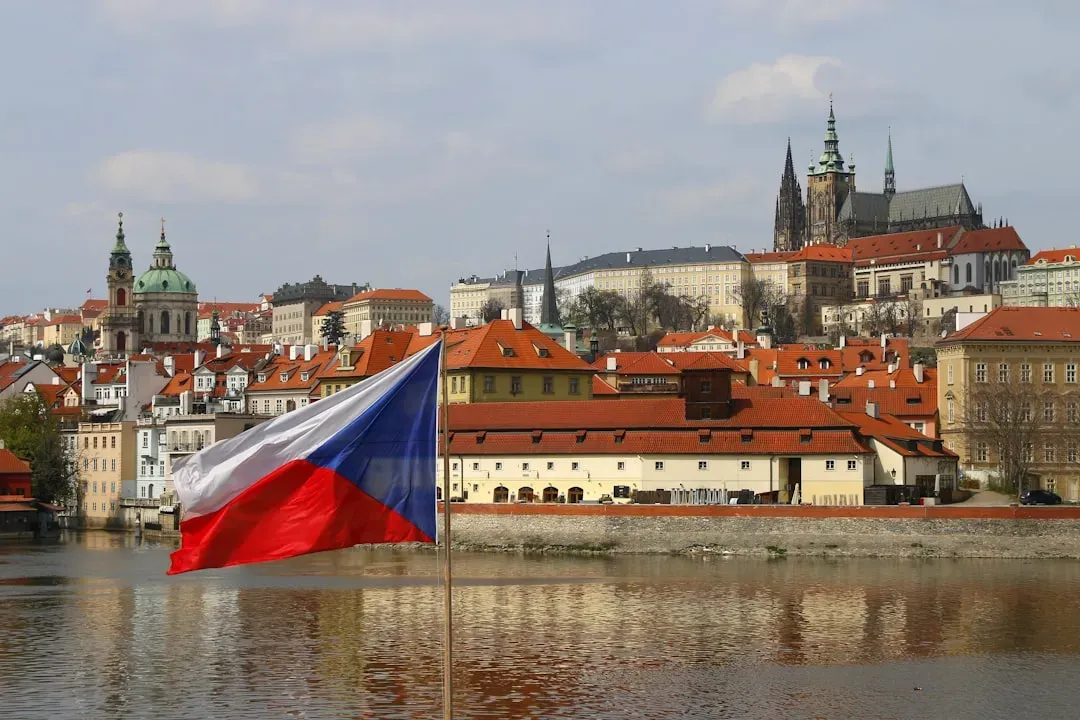
The dissolution of Czechoslovakia took effect on December 31, 1992, resulting in the independent countries of the Czech Republic and Slovakia, which formally came into being on January 1, 1993. Like the Velvet Revolution of 1989, the partition was entirely without bloodshed and so was dubbed the Velvet Divorce. Honestly, compared to what happened in Yugoslavia around the same time, the peaceful nature of this split seemed almost miraculous.
The two nations officially split on January 1, 1993, and the Velvet Divorce provided a rare example of how differences between two groups could be settled peacefully, marking the only nonviolent dissolution of a state in the post-World War II period. Ironically, according to a September 1992 government poll, only about one-third of both Czechs and Slovaks actually backed splitting the country into two.
Ottoman Empire: Six Centuries Reduced to Memory

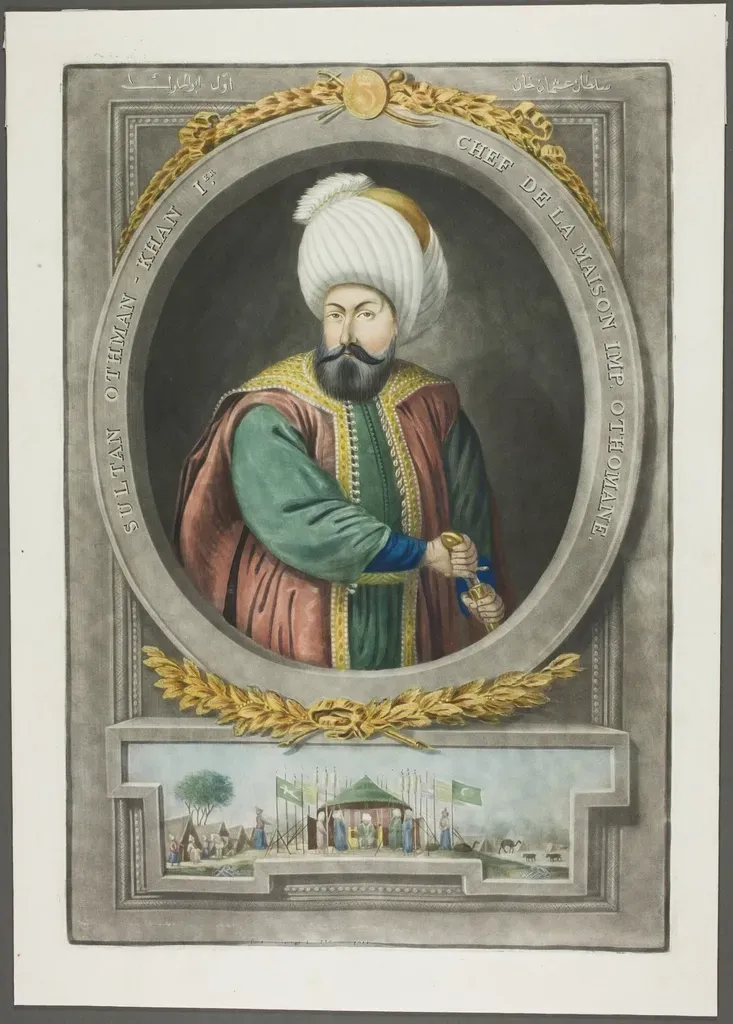
The formal abolition of the Ottoman Sultanate was performed by the Grand National Assembly of Turkey on November 1, 1922, with the Turkish provisional government formally declaring both the Ottoman Sultanate and the Ottoman Empire abolished. The Republic of Turkey was established in its place on October 29, 1923, in the new capital city of Ankara. This marked the end of an empire that had ruled for more than 600 years.
In the aftermath of World War I, the victorious Allied Powers occupied and partitioned the Ottoman Empire, which lost its southern territories to the United Kingdom and France, before the successful Turkish War of Independence led to the emergence of the Republic of Turkey. The Ottoman Empire officially ended in 1922 when the title of Ottoman Sultan was eliminated, and Turkey was declared a republic on October 29, 1923, when Mustafa Kemal Atatürk founded the independent Republic of Turkey.
Kingdom of Hawaii: An Island Nation Overthrown

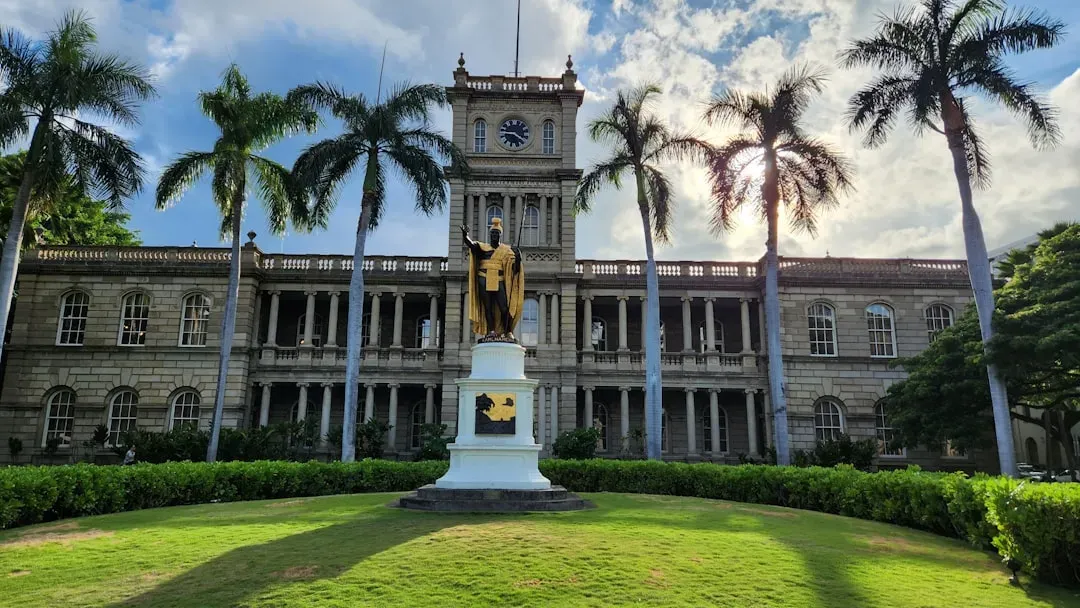
The sovereign Kingdom of Hawaii represents one of the most controversial disappearances of any nation. According to the Smithsonian Institution and National Archives, the Kingdom was overthrown in 1893 in a coup led by American business interests and later annexed by the United States in 1898. What makes this particularly striking is the fact that Hawaii had been recognized as an independent nation by major world powers for decades.
The overthrow involved a relatively small group of American and European businessmen who opposed Queen Liliʻuokalani’s attempts to strengthen the Hawaiian monarchy. U.S. Marines from the USS Boston provided backing for the coup, though the official position was they were protecting American lives and property. The annexation five years later made Hawaii a U.S. territory, erasing an independent Pacific nation from the map.
Gran Colombia: Simón Bolívar’s Crumbling Dream

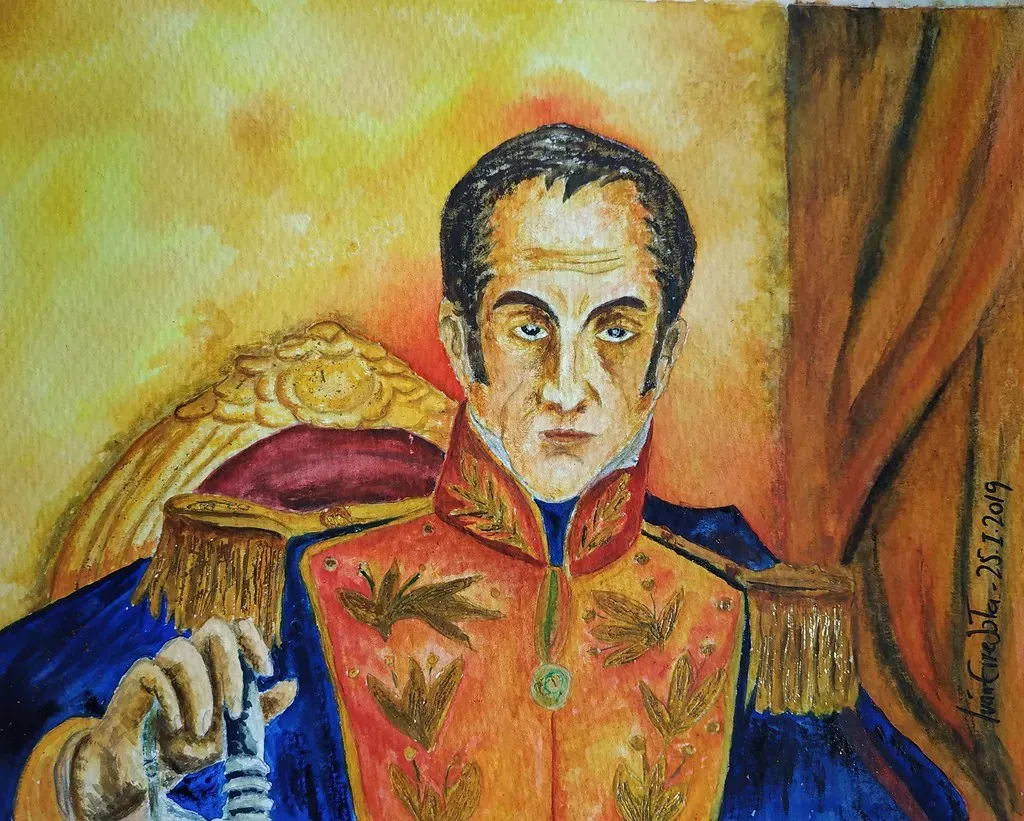
Gran Colombia existed from 1819 to 1831 as one of the largest nations in the Americas, according to the Library of Congress and Latin American History journals. This ambitious federation encompassed modern-day Colombia, Venezuela, Ecuador, and Panama. It was the brainchild of Simón Bolívar, who envisioned a powerful, unified South American state that could stand against European powers.
The reality proved far messier than the dream. Regional political tensions, vast geographical distances, and conflicts between centralist and federalist factions tore the nation apart within just over a decade. Venezuela and Ecuador seceded in 1830, with the remaining territory becoming the Republic of New Granada. Bolívar himself died shortly after his grand vision collapsed, reportedly heartbroken by the fragmentation.
South Vietnam: The Republic That Fell to Reunification

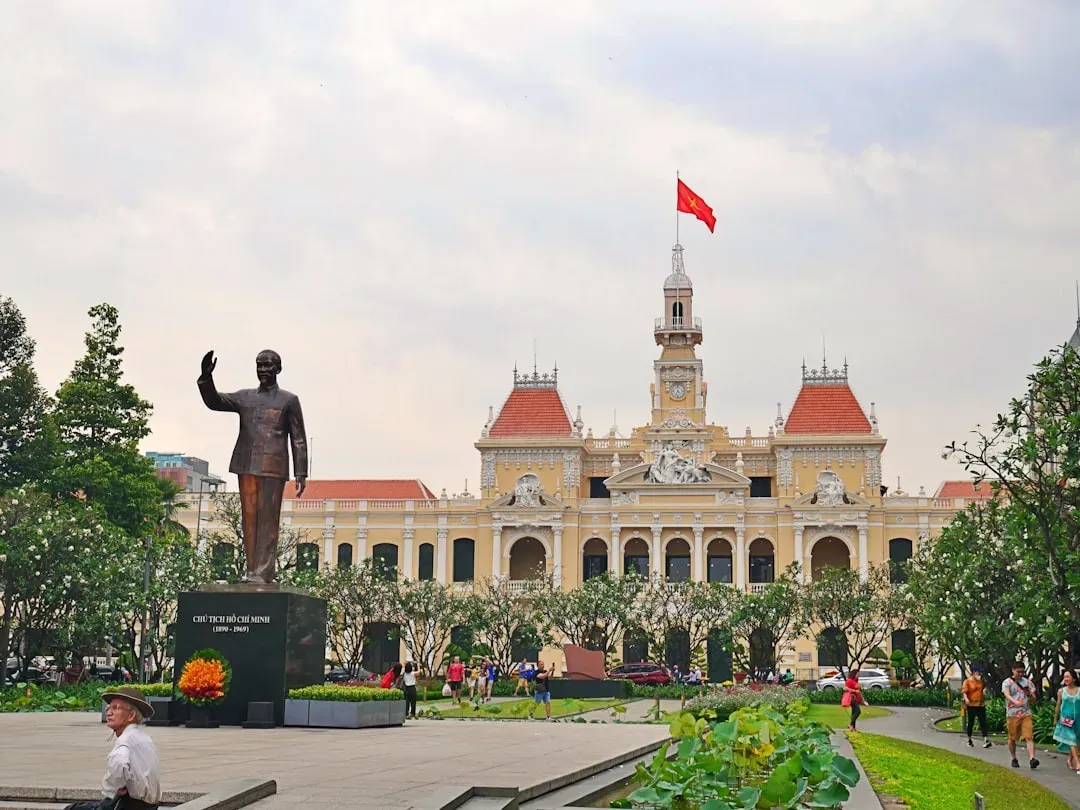
South Vietnam ceased to exist in 1975 after the fall of Saigon and the reunification of Vietnam under communist rule, according to U.S. National Archives and BBC History. The Republic of Vietnam, established in 1955, had been a key battleground of the Cold War for two decades. Its disappearance marked one of the most dramatic conclusions to any modern conflict.
The final offensive by North Vietnamese forces in spring 1975 moved with stunning speed. On April 30, communist tanks crashed through the gates of the Presidential Palace in Saigon, and the last Americans evacuated by helicopter from the U.S. Embassy rooftop. The images became iconic symbols of both American defeat and communist victory. Overnight, South Vietnam vanished, and the unified Socialist Republic of Vietnam took its place.
Republic of Texas: From Independent Nation to U.S. State
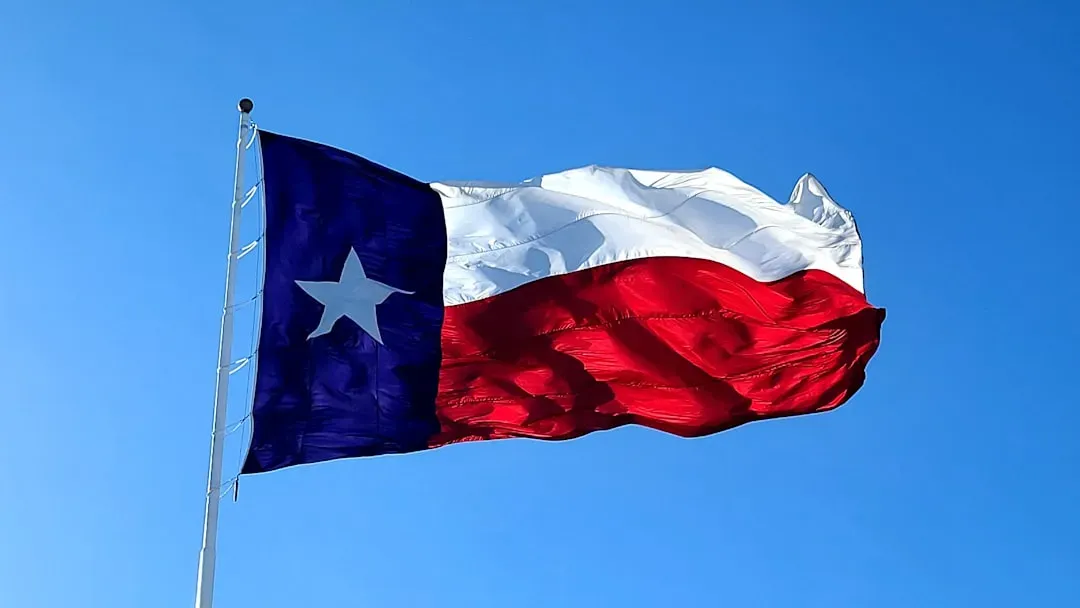
The Republic of Texas existed as an independent nation from 1836 to 1845, recognized by major powers including the United States, France, and the Netherlands. After winning independence from Mexico at the Battle of San Jacinto, Texas functioned as a sovereign country with its own currency, postal system, and diplomatic relationships. The Lone Star flag represented an actual independent nation, not just a state symbol.
Financial struggles and ongoing conflicts with Mexico made independence difficult to sustain. Texas accumulated significant debt and faced constant threats along its southern border. When the U.S. offered annexation in 1845, Texas accepted, becoming the 28th state. The Republic ceased to exist, though its memory remains powerful in Texan identity even today, nearly two centuries later.
These ten nations remind us that borders aren’t permanent and countries don’t last forever. Some vanished through violence, others through paperwork. Some split peacefully, while others tore themselves apart. What unites them is their absence from today’s maps and the question they pose: which nations that exist now will be forgotten tomorrow?
What surprised you most about these vanished countries? Did you know any of them existed before reading this?