Picture this: a music festival powered entirely by solar energy, where your wristband knows what you want before you do, and where every decision you make helps heal the planet. Sounds like something from a sci-fi novel, right? Yet this is the direction the music festival industry is heading as we move deeper into 2025. The industry is undergoing a radical transformation, driven by technological innovation, environmental consciousness, and a generation demanding more authentic experiences.
I think what makes this moment so fascinating is that festivals are no longer just about the music. They’ve become testing grounds for cutting-edge technology, sustainability experiments, and immersive cultural experiences that redefine what live entertainment can be. With the sector showing impressive resilience and growth, it’s clear that something bigger is happening here.
Explosive Market Growth and Economic Impact

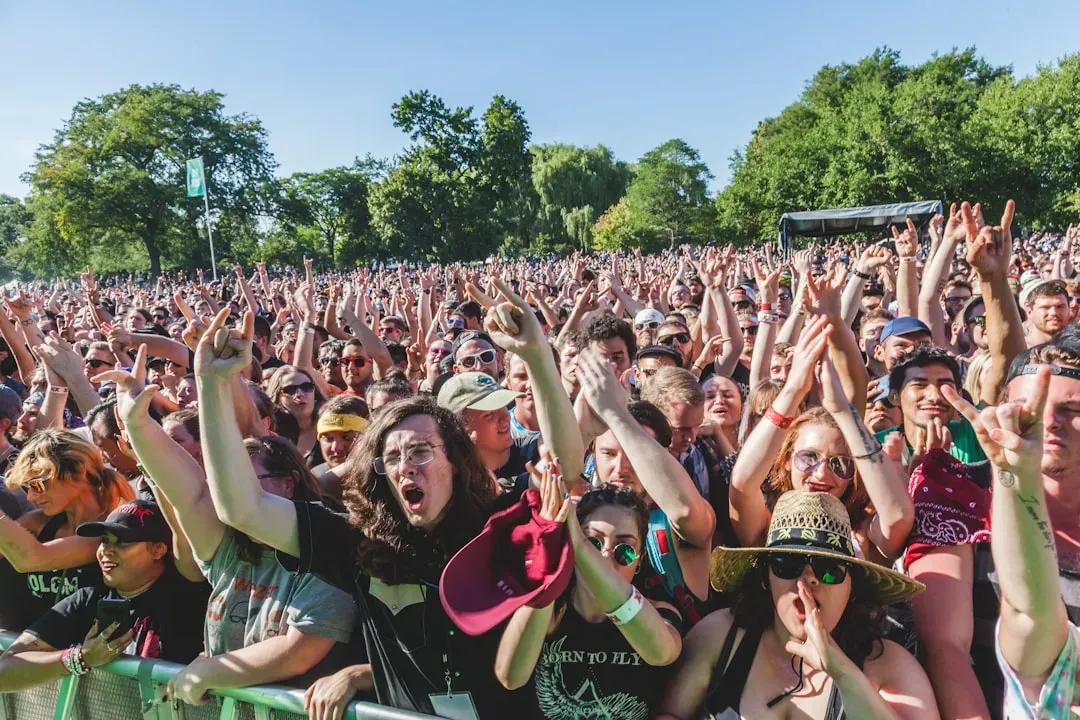
The global music festival market reached USD 28.7 billion in 2024 and is expected to expand at a robust CAGR of 7.2% from 2025 to 2033, forecasted to reach USD 53.4 billion by 2033. These aren’t just numbers on a spreadsheet. They represent millions of people craving live experiences in an increasingly digital world.
Let’s be real here: after years of digital saturation, people are hungry for something tangible. The rising demand for live, shared experiences is particularly strong among younger audiences, as digital fatigue sets in due to the saturation of virtual content, with consumers increasingly seeking out authentic, in-person events that offer immersive engagement and a sense of community. Think about it. You can watch a thousand performances on your phone, yet nothing compares to standing in a field, surrounded by strangers who become friends, all connected by the same beat.
The music festival market is projected to grow at a CAGR of 24% from 2024 to 2031, driven by immersive experiences and diverse lineups. Regional patterns tell an equally compelling story, with Asia Pacific experiencing the highest growth rate by CAGR with an astonishing 26.0 percent rate of growth in 2024, as a rapidly growing middle class gives birth to rising urbanization and an increase in disposable incomes.
Artificial Intelligence Revolutionizes Festival Experiences


AI is transforming festivals in ways that feel almost magical. In tourism and music events, AI has proven to be a powerful tool for improving the attendee experience, personalizing artist recommendations, optimizing event logistics in real time, and enhancing audience interaction through virtual assistants and immersive visual effects. The technology isn’t replacing human creativity but amplifying it.
AI can analyse music preferences of festival-goers based on their listening history and favorite artists, then suggest upcoming artists and performances that align with their tastes, creating personalised schedules based on their preferences and constraints such as stage locations, overlapping performances, and breaks for food or rest. Imagine never missing your favorite undiscovered act because an algorithm knew your taste better than you did.
AI will enable festival organisers to significantly reduce environmental impact and promote sustainable behaviour among festival-goers by analysing data on waste management, energy consumption, and other factors, improving sustainability practices, saving costs, and improving brand image, while rewarding visitors for sustainable behaviour in real-time. The intersection of AI and sustainability could be the game changer the industry desperately needs.
Immersive Technology Creates New Realities

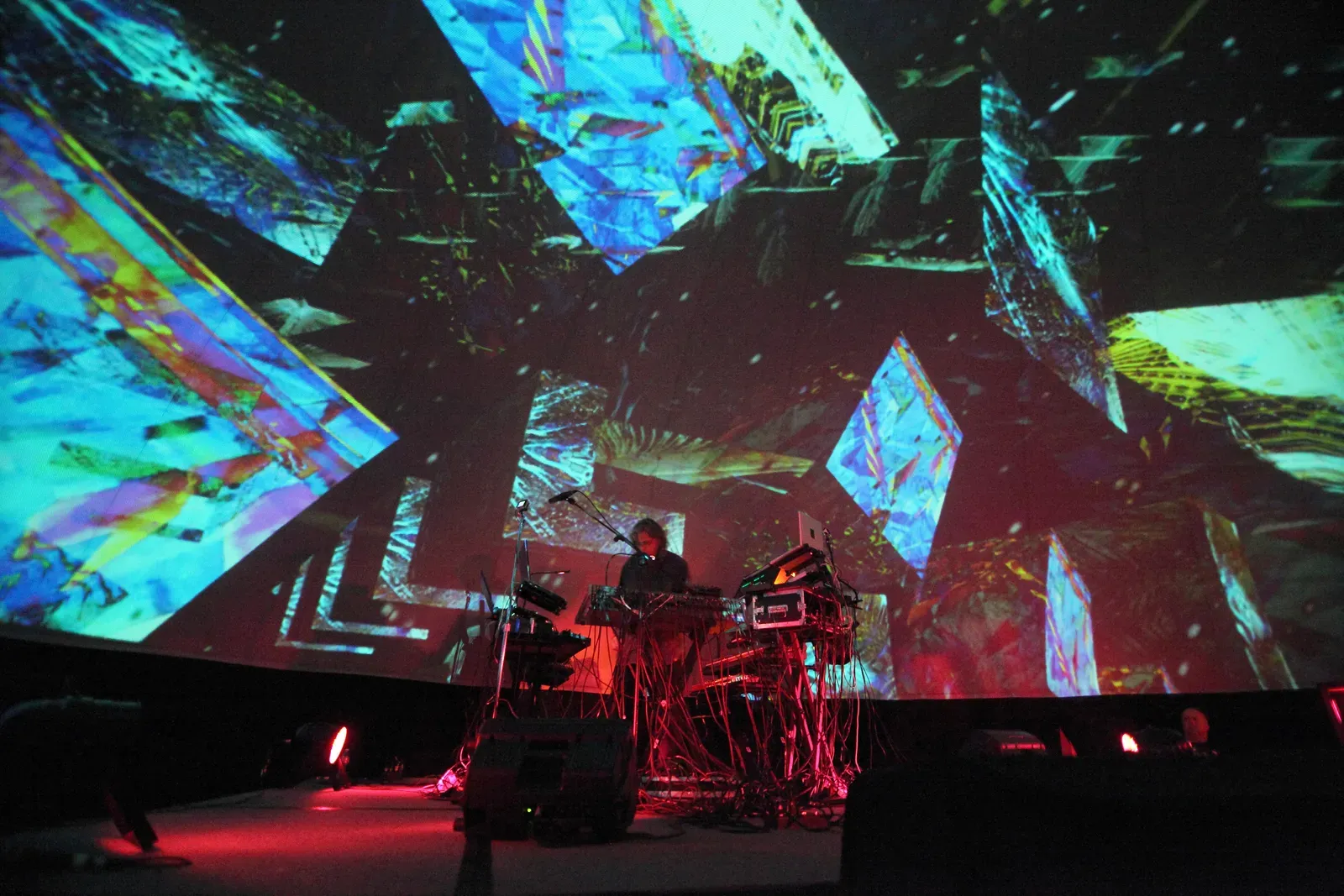
Augmented reality transforms concert and festival venues into interactive and immersive worlds, with attendees using mobile apps or AR glasses to view visual effects and animations that complement the music, from floating notes to avatars of the artist interacting with the crowd, allowing fans to experience the music in a whole new way. Technology is blurring the line between physical and digital experiences.
Drone shows have become an essential spectacle. Drone shows are becoming an essential tool for mass events, with artists integrating live performance with synchronized aerial shows to design unique moments of awe with messages of gratitude and closeness to their fans. Picture hundreds of drones forming the artist’s face in the night sky while thousands watch below. It’s the kind of moment that stays with you forever.
Immersive 3D sound is setting a new standard for audio quality at live events, with advanced spatial sound techniques allowing attendees to enjoy an immersive listening experience that simulates the sensation of being in the middle of the music, improving sound quality and allowing artists to experiment with audio distribution.
Cashless Payment Systems Transform Operations


The shift to cashless has been nothing short of revolutionary. RFID wristbands, mobile wallets, and cashless payments have become standard at festivals worldwide, with further integration of technology and digital credentials expected in 2025 to enhance security, reduce fraud, and streamline transactions. This isn’t just about convenience.
Cashless festivals generate more revenue than festivals that take payments in cash, with data from festivals showing a 22%-30% uplift in revenue due to greater spending, while Cocoon in the Park in Leeds reported a 39% increase just two years of switching to cashless payments. That’s a massive financial incentive driving adoption.
Partner offer

The global festival cashless payment platforms market size reached USD 2.12 billion in 2024, with a robust growth trajectory demonstrating a CAGR of 16.5% from 2020 to 2024, forecasted to expand further, reaching USD 9.89 billion by 2033. The technology eliminates theft risks, speeds up transactions, and provides organizers with real-time data on spending patterns and crowd movements. It’s hard to imagine festivals going back after experiencing these benefits.
Rise of Boutique and Niche Festivals
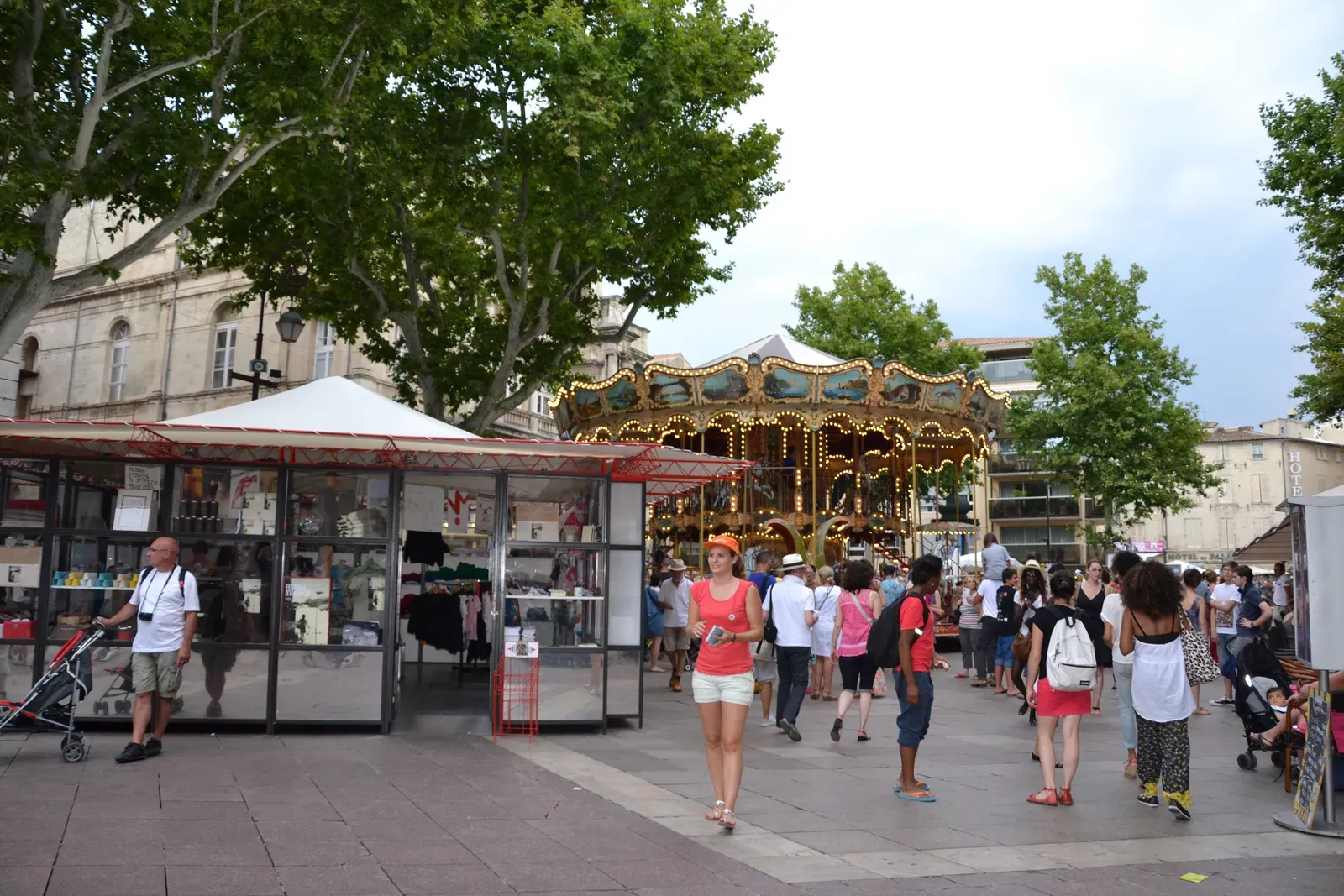
There’s a fascinating counter-trend happening amid all the mega-festival growth. Boutique and niche festivals are rising in popularity, with 58% of attendees preferring them over larger commercial events. People want intimacy, specificity, and authentic experiences that massive corporate festivals sometimes struggle to deliver.
The festival landscape has seen experiential growth in the music festival space with massive industry consolidation, resulting in a homogenization that has led to an undergrowth of more niche, boutique, special interest festivals that are selling out. Think specialized electronic music gatherings, folk festivals in remote locations, or genre-specific celebrations that cater to dedicated fanbases rather than trying to please everyone.
These smaller festivals often pioneer sustainability and community-building practices that larger festivals later adopt. They’re laboratories for innovation, proving that bigger isn’t always better when it comes to creating memorable experiences.
Music Tourism Becomes a Major Economic Driver

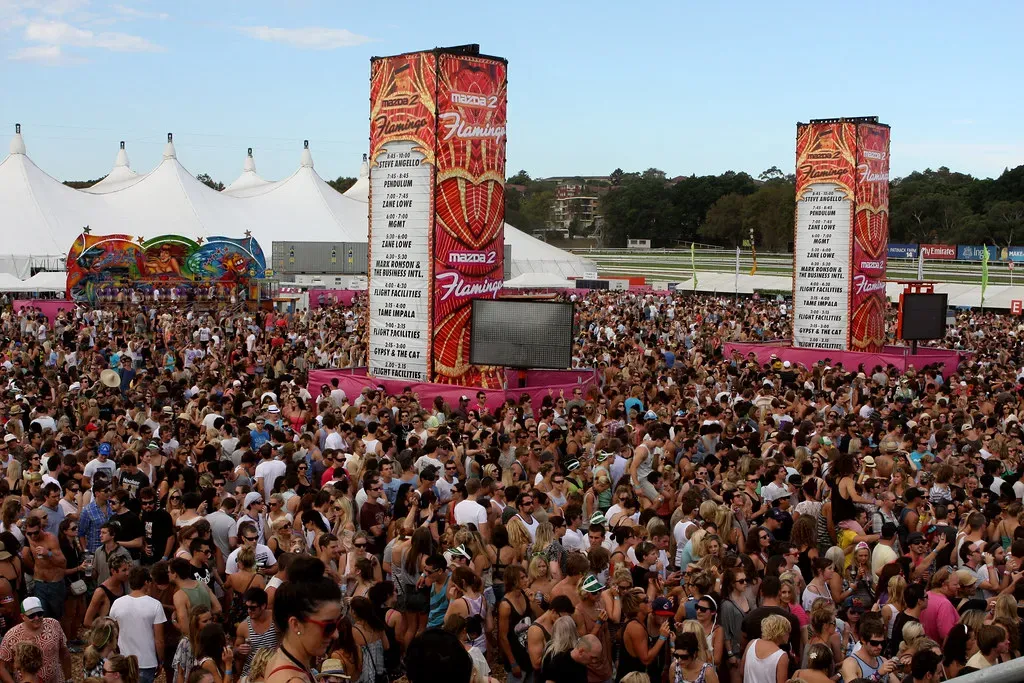
The global music tourism market was estimated at USD 96.78 billion in 2024 and is expected to reach USD 267.85 billion by 2030, growing at a CAGR of 18.8% from 2025 to 2030, fueled by high-profile events such as Taylor Swift’s Eras Tour and major festivals like Coachella. Festivals have evolved from local gatherings to international destination events.
With 77% of festival fans traveling for events, festivals are becoming full-fledged travel experiences, with more festival organizers bundling tickets with accommodations, transport, and local attractions, offering fans a seamless booking process, while destination festivals in unique, scenic locations continue to grow. The entire experience matters now, not just the lineup.
Canada’s live music industry alone generated USD 10.92 billion in GDP in 2023, creating over 101,640 jobs, and contributing USD 3.73 billion in tax revenue. These economic impacts extend far beyond ticket sales, benefiting hotels, restaurants, transportation services, and local economies. Governments are taking notice, recognizing festivals as cultural and economic assets worth supporting.
Generation Z and Millennials Drive Innovation

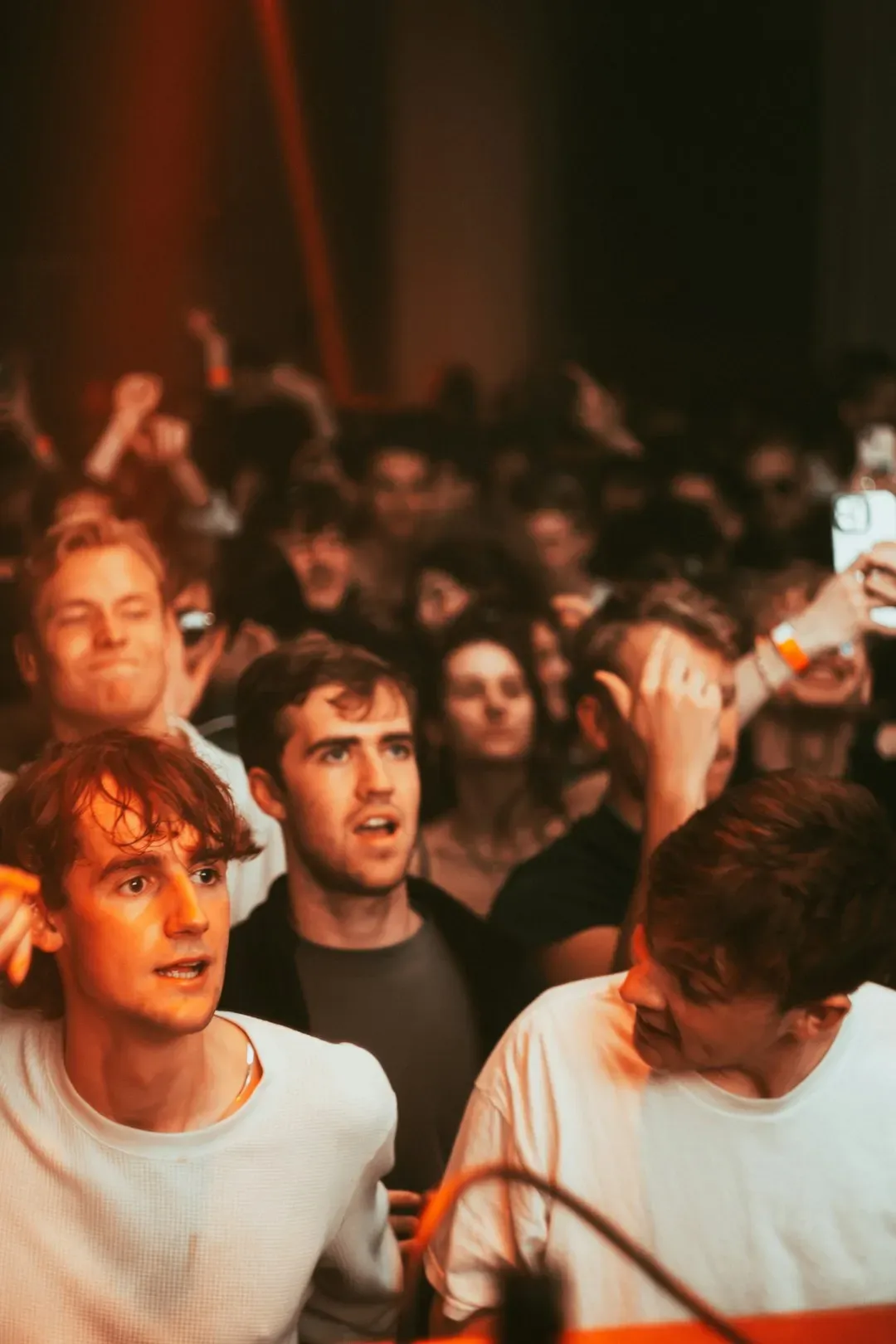
Young audiences aren’t just attending festivals. They’re reshaping them entirely. Generation Z and Millennials are driving significant changes in music festival attendance patterns, with 64% of those under 24 willing to take a flight to see their favourite artist live, and 46% of Italians willing to take a short flight with 15% prepared to fly to the other side of the world for a show.
This willingness to travel reflects how festivals have become essential cultural experiences, not optional entertainment. There’s a growing desire for festivals that connect attendees with nature, with 69% of respondents and 75% of 21- to 35-year-olds feeling positively toward events that allow them to immerse themselves in natural settings. Young audiences want meaningful experiences that align with their values around sustainability and authenticity.
Their digital fluency also drives demand for technological integration. They expect seamless mobile apps, social media integration, and personalized experiences powered by data analytics. Festivals that ignore these expectations risk becoming irrelevant to their core demographic.
What Lies Ahead

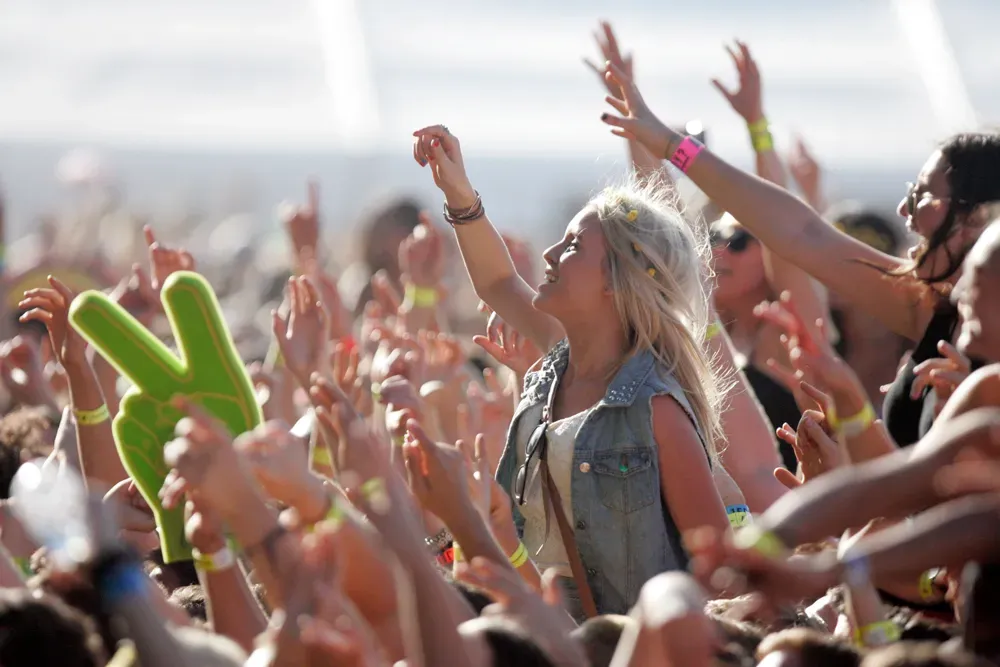
The future of music festivals looks simultaneously thrilling and uncertain. Technology will continue advancing, sustainability will become non-negotiable, and audiences will demand ever more personalized and meaningful experiences. Festivals that embrace innovation while staying true to their core mission will thrive. Those that resist change risk obsolescence.
What strikes me most is how festivals have become microcosms of broader cultural shifts. They’re laboratories where we experiment with sustainable living, test new technologies, and practice building temporary communities across differences. Maybe that’s their real power: not just as entertainment venues but as spaces where we imagine and prototype better ways of being together.
The music festival of 2030 might be powered entirely by renewable energy, personalized by AI to match your exact preferences, accessible to global audiences through immersive virtual reality, and designed from the ground up to leave a positive environmental legacy. Will it still capture the magic of that first festival you attended, muddy and exhausted but completely alive? That’s the question the industry must answer as it shapes what comes next. What do you think about where festivals are heading? Are we losing something essential, or creating something even better?
Partner offer
Planning a trip to Vegas?
Compare hotel rates and show tickets on VEGAS.com.