
Walk through a casino floor today and you’ll notice something different. The rows of slot machines still blink and chime, but the people feeding them tokens are getting older. Meanwhile, a new crowd has started turning up for something else entirely – faster, more competitive, and far more interactive than anything a spinning reel can offer.
This isn’t a small cultural ripple. It’s a measurable demographic realignment that’s reshaping how the gambling industry thinks about its future, its infrastructure, and ultimately, its survival.
Slots Still Rule – But the Crowd Is Aging

Slot machines remain the financial backbone of U.S. casinos. According to the American Gaming Association, they account for somewhere between roughly two-thirds and seven-tenths of total U.S. casino revenue. That’s an enormous share of income built almost entirely on passive, chance-driven play.
The problem isn’t the revenue – it’s who’s generating it. The average age of casino visitors has dropped from 47.5 in 2014 to 41.9 in 2024, suggesting that younger generations are showing a generally positive impression of gaming and an interest in participating. Still, that interest doesn’t always translate into time spent at a slot machine.
Baby Boomers have a strong preference for traditional forms of gambling such as slot machines, table games, and bingo – classic casino games that offer familiarity and nostalgia to this generation, enhancing their overall gambling experience. As that generation ages out of the primary casino demographic, the industry faces a question it can’t defer much longer: what comes next?
Younger Players Want Agency, Not Just Luck

The shift toward skill-based gambling largely reflects changing consumer preferences, with younger adults between the ages of 21 and 40 showing a stronger preference for skill elements, having grown up with video games that reward practice and improvement. For this cohort, sitting in front of a machine that decides everything for you simply doesn’t hold the same appeal.
Although casino games kept evolving, the younger generations come with a different interest in mind – there’s a lack of interest in traditional casino games, as younger users are more used to complex video games. Those video games require players to build various skills, come up with unique strategies, and demonstrate dexterity – giving players a high sense of control, which is why online casinos need to adapt to this shifting preference.
The gambling psychology behind this shift reveals a fundamental desire for agency – players want their decisions and abilities to meaningfully impact outcomes, not simply watch as random number generators determine their fate. That’s a fundamentally different relationship with risk than older generations tend to have.
Gen Z and Millennials: Two Generations, Similar Direction

In recent years, the online gambling industry has undergone a generational shift. As Millennials settle into their prime earning years and Gen Z starts making their mark, there is a clear change in how people engage with gaming – these two groups grew up with very different digital experiences, and that’s now showing in the kinds of games they play, how they place bets, and what they value most in an online casino experience.
Millennials prefer interactive, skill-based games and modern themes that resonate with their lifestyles – they gain far more from a graphically complex game with thoughtful mechanics than from a traditional casino game. Gen Z takes it even further. Gen Z takes digital immersion to an entirely new level – raised in a world of smartphones, instant content, and interactive entertainment, their gambling habits mirror their gaming culture, and they gravitate toward casino environments that feel more like multiplayer arenas than static websites.
The Rise of Esports Betting and Competitive Formats
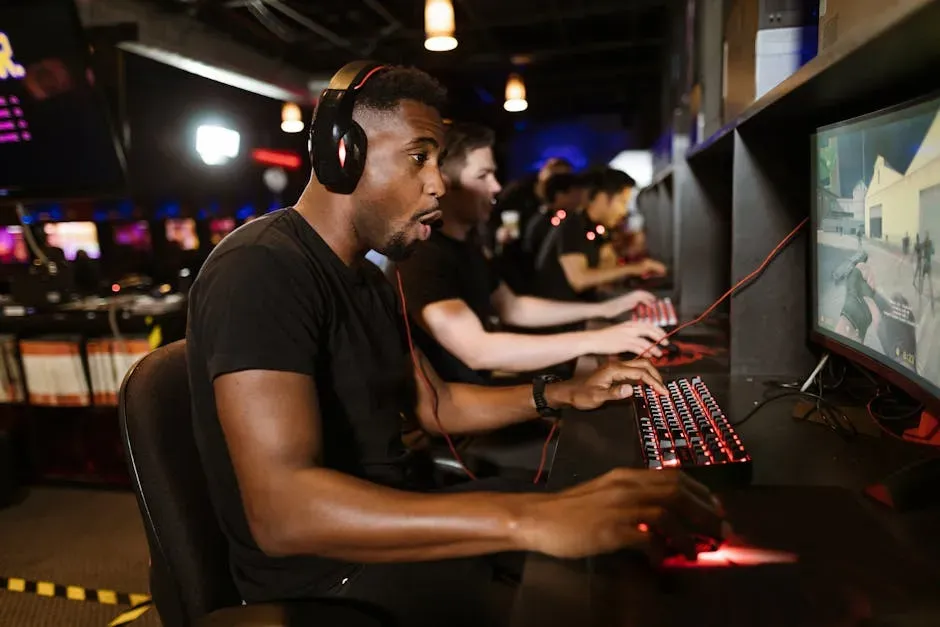
Younger players increasingly favor arcade-style hybrids, low-volatility slots, instant-win titles, and crash games, which deliver fast, instant outcomes with low financial risk. Esports betting and fantasy gaming are also growing in popularity, blending skill and chance. These formats offer something a traditional slot machine simply cannot: a feeling of earned outcome.
Betting activity increased to roughly 30% of consumers in Q2 2025, compared to about 25% in the same period of 2024, according to a report from TransUnion – with the increase driven primarily among Gen Z and Millennial bettors, at 34% and 42% respectively. The appetite is real, and it’s growing fast.
Esports betting is currently legal in numerous U.S. states, and states such as Nevada, New Jersey, and Colorado have openly embraced betting on esports with clear and definitive frameworks. As regulatory clarity expands, so does the infrastructure that supports it – including dedicated esports lounges inside casino properties.
Partner offer
Mobile Gaming Is Rewriting the Rules

The shift away from physical slot machines isn’t happening in a vacuum. A massive parallel migration toward mobile gaming has given younger players an entirely different frame of reference for what a gambling experience should feel like. Mobile gaming revenue globally exceeded $90 billion in 2024, according to data from Statista – a figure that puts casino floors in uncomfortable perspective.
There is a clear focus on low-commitment and mobile-first play in short bursts, in contrast to extended desktop sessions – and smartphone gaming has become the dominant access point for Gen Z gambling. With smartphones becoming an essential part of everyday life, mobile gaming continues to dominate the gambling industry, as players want convenience and expect seamless experiences across all devices – which is why online casinos are heavily investing in mobile-optimized platforms and apps.
The change in social gaming owes much to the fact that Millennials grew up with technology. Mobile gaming, combined with the pandemic’s impact on digital entertainment, accelerated this shift – and as a result, social casinos have adapted, bringing more competitive and social experiences to the gaming world.
Casinos Are Redesigning Their Floors to Keep Up
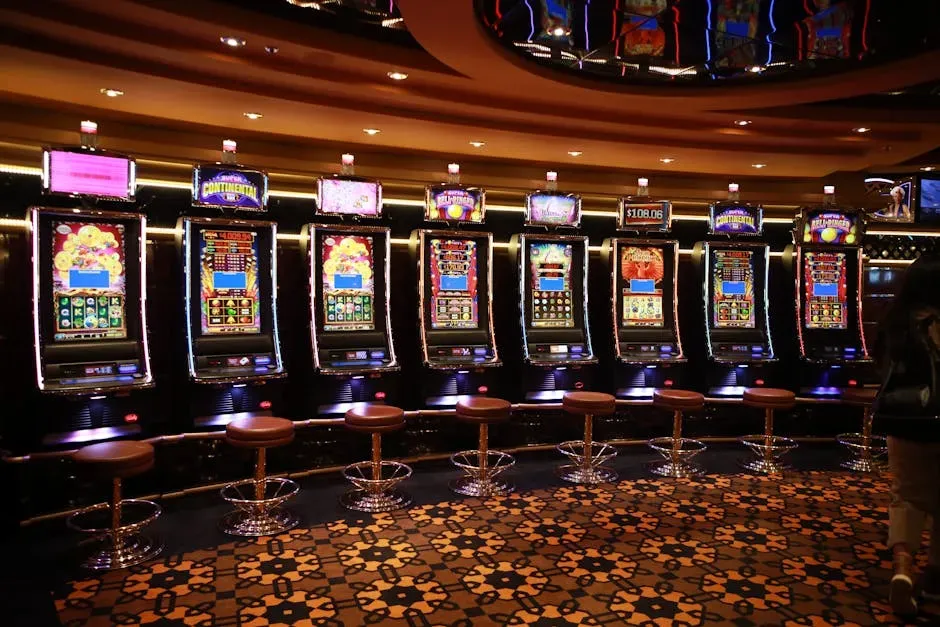
Millennials and Gen Z are coming to Las Vegas for something different entirely, and nearly half of the city’s visitors last year were either Millennials or Gen Z, according to the Las Vegas Convention and Visitors Authority’s 2024 visitor profile report. That kind of foot traffic is too significant to ignore, and casinos know it.
Las Vegas casinos are using nightclubs, sports betting, and flashy slot machines that look more like video games than gambling devices to attract and retain consumers who may be driven more by experiences than by jackpots. Casino operators see the problem clearly – many now add esports lounges, VR games, and skill-based options to attract younger players.
The Nevada Gaming Control Board held a multi-hour regulatory workshop touching on rules spanning several different sections of the state’s gaming industry – the third such workshop in a single month – as stakeholders had maintained for years that Nevada lags behind newer gaming jurisdictions in terms of efficiency and technology, especially with regard to games and systems regulations. The pace of regulatory modernization is accelerating alongside consumer demand.
Gamification and the Blurring of Gaming Cultures

For Gen Z, gambling is framed as an entertainment-first pastime, where fun isn’t merely tied to winning or attaining high-roller status – and gamification has played a big role in this, with missions and achievements making casino games feel more like actual video games. The line between playing a video game and placing a bet is becoming increasingly thin.
Online casinos are finding more ways to add video game elements, including level progression through loyalty programs, narratives, and competition such as leaderboards. These features don’t just attract players – they retain them in ways that spinning reels never could.
The gaming industry is witnessing a significant transformation with the emergence of skill-based casino games, a trend captivating a younger, more tech-savvy demographic. Unlike traditional casino games that rely heavily on luck, skill-based games offer players an opportunity to influence the outcome through their abilities – a shift that not only revitalizes the casino game landscape but also aligns with the preferences of a generation that values control and competitiveness in gaming.
The Road Ahead: A Mixed Floor, Not a Full Replacement
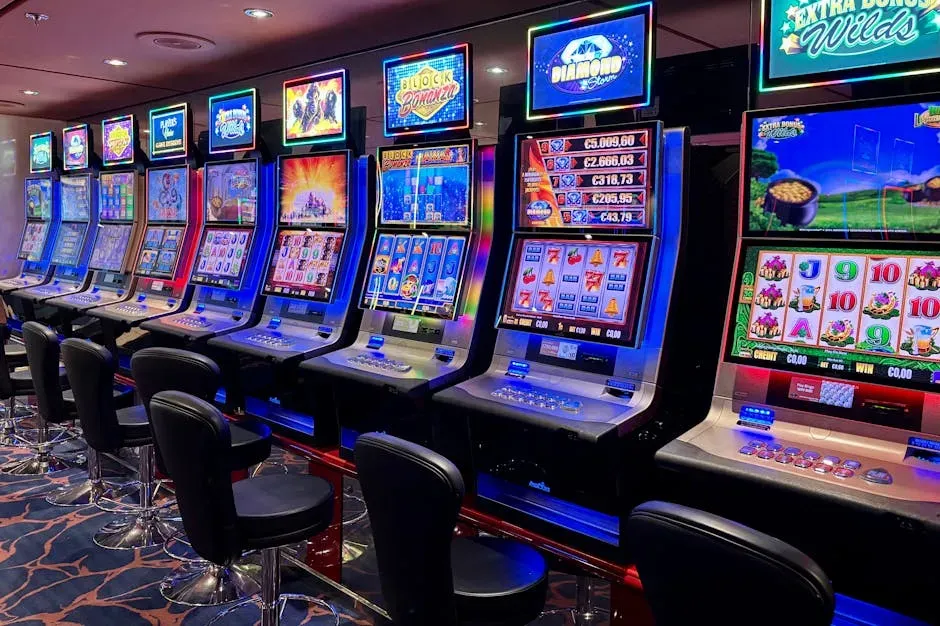
The growing preference of younger generations – Millennials and Gen Z – for skill-based games rather than relying solely on luck speaks directly to the rise of skill-based casino games, and the growing global demand across regions like Asia, Europe, and North America shows that these games are not just a regional trend but part of a worldwide shift in gaming preferences.
One of the most significant challenges in the rise of skill-based casino games is balancing the need for skill with the casino’s need for profitability – if a game rewards skill too heavily, the casino risks losing money. That tension is real, and it means skill-based formats won’t simply take over overnight. They’ll have to earn their place alongside the machines already there.
This shift isn’t just a flashy trend to attract younger audiences – it represents a deeper shift in how we view gaming itself. The generations that grew up with controllers in their hands expect interactivity. Slot machines aren’t going anywhere. But the casino of 2026 and beyond will look noticeably different from the one their parents walked into thirty years ago.
The clearest takeaway from all of this may be a simple one: younger players aren’t abandoning gambling. They’re demanding that gambling meet them where they are. The industry that figures out how to do that without compromising its core economics will be the one still standing when the next generation comes of age.
Partner offer
Planning a trip to Vegas?
Compare hotel rates and show tickets on VEGAS.com.