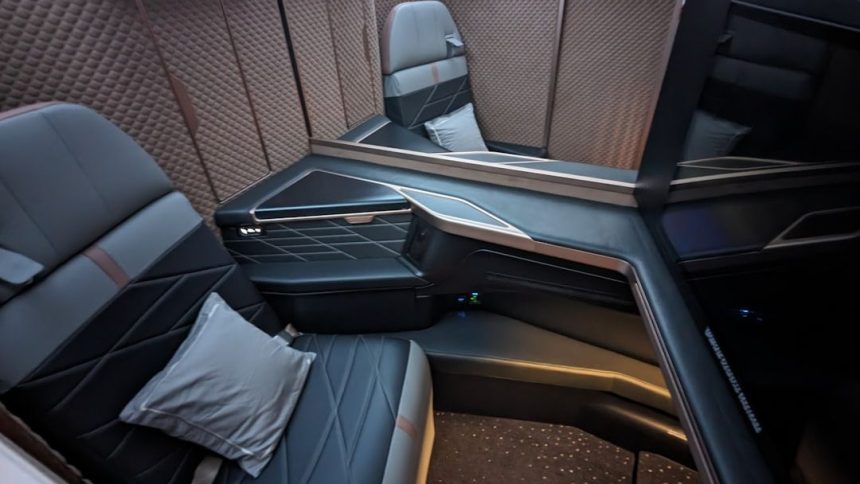
You’ve done everything right. Showed up early, smiled politely, even wore your nicest sweater. Yet somehow, the person behind you in line just got called up to seat 2A, and you’re still staring at 34B. Sound familiar? Honestly, I think most frequent flyers have been there at least once.
There’s a whole invisible system at work behind the upgrade list, and most passengers have absolutely no idea how it really functions. The truth is both more mechanical and more human than you might expect. Let’s dive in.
1. The Computer Decided Before the Gate Agent Even Said Hello

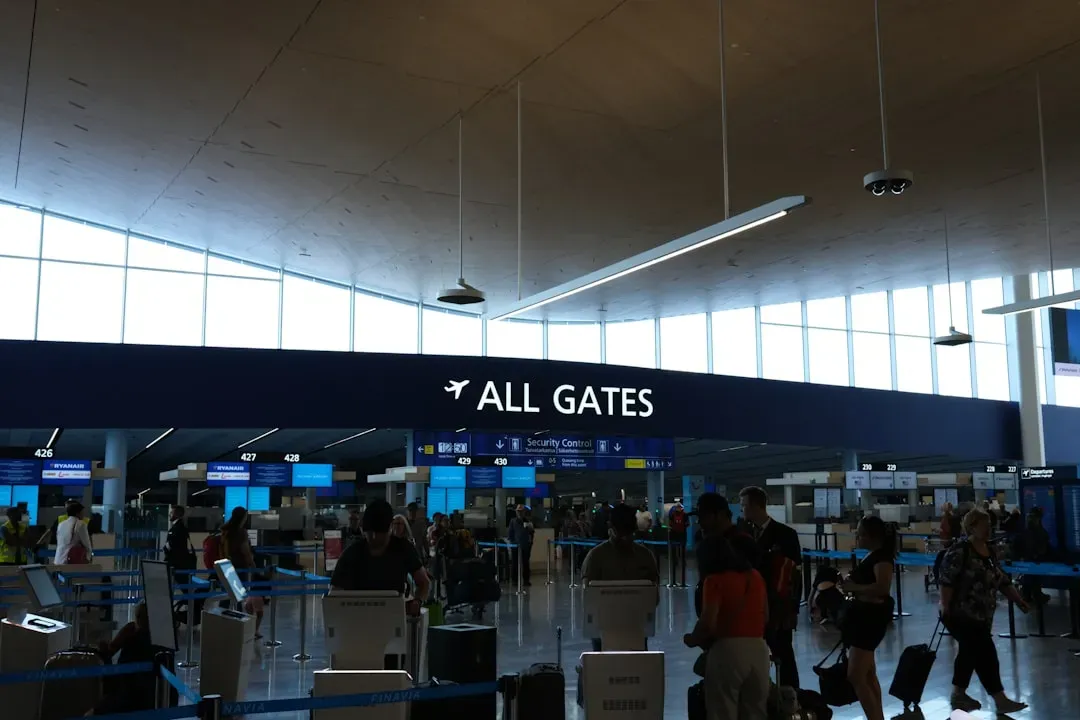
Here is the thing that surprises most people: by the time you walk up to the gate hoping for an upgrade, a computer has almost certainly already made the decision. The computer system automatically clears the person at the top of the upgrade list until three hours before departure, when gate agents take over and manage the list. That three-hour window is surprisingly short, and it means the bulk of upgrades are handed out algorithmically, not by a person using judgment.
The days of getting upgraded just for dressing sharply or being kind to the gate agent are history. Airlines now have strict guidelines to ensure that upgrades go to their top customers or are sold prior to departure. The gate agent you’re charming may genuinely have no power left in the system to help you, even if they wanted to.
Some airline upgrade policies can be complicated, but Delta goes a step further and adds a level of secrecy to the upgrade process. The airline does not publish upgrade availability or allow third-party access to most upgrade information. That opacity is entirely intentional, and it’s worth remembering that frustration.
2. Your Elite Status Is the Biggest Factor, Full Stop

Delta Medallion Elite status is the single most powerful factor in getting upgraded on Delta Air Lines. It works similarly at every major carrier. If you don’t hold elite status, you’re essentially waiting for scraps after everyone on the priority list has been served.
Elite status on airlines rewards big spenders with perks like complimentary upgrades and free checked bags. Notice the word “spenders” there, not “flyers.” American, United and Delta have all recently overhauled their loyalty programs to reward big spenders, with passengers earning more points and elite status based on how much they spend, not how far they fly. So that cross-country trip you thought was building your status? It may not have counted for nearly as much as you assumed.
American Airlines’ Concierge Key members enjoy a substantial 120-hour upgrade window before departure, a full five days ahead of lower-tier members. By the time you arrive at the gate, those passengers have been sitting in first class since before you even packed your bag. It’s a stacked deck, honestly.
3. You Were Traveling as a Couple


This one genuinely stings, especially for anniversary trips or romantic getaways. Recent figures reveal a considerable disparity, with solo passengers achieving upgrades to first class an astonishing 23 times more often than couples. Twenty-three times. Let that sink in for a second.
The practical reason for this trend is fairly simple: from an operational standpoint, it is far easier to upgrade a single traveler. Gate agents can efficiently fill vacant first-class seats by accommodating individuals, a less complicated task than trying to find two adjacent seats for a pair. It’s logistics, not cruelty, but the result feels personal.
As competition for first class seats intensifies and upgrade procedures become more automated and less flexible, pairs may find themselves consistently overlooked. For those traveling with a companion and dreaming of first class, the current climate suggests a reevaluation of upgrade expectations might be in order. Booking separate reservations and linking them may help in some cases, but don’t count on it being a magic fix.
4. You Booked a Basic Economy Fare
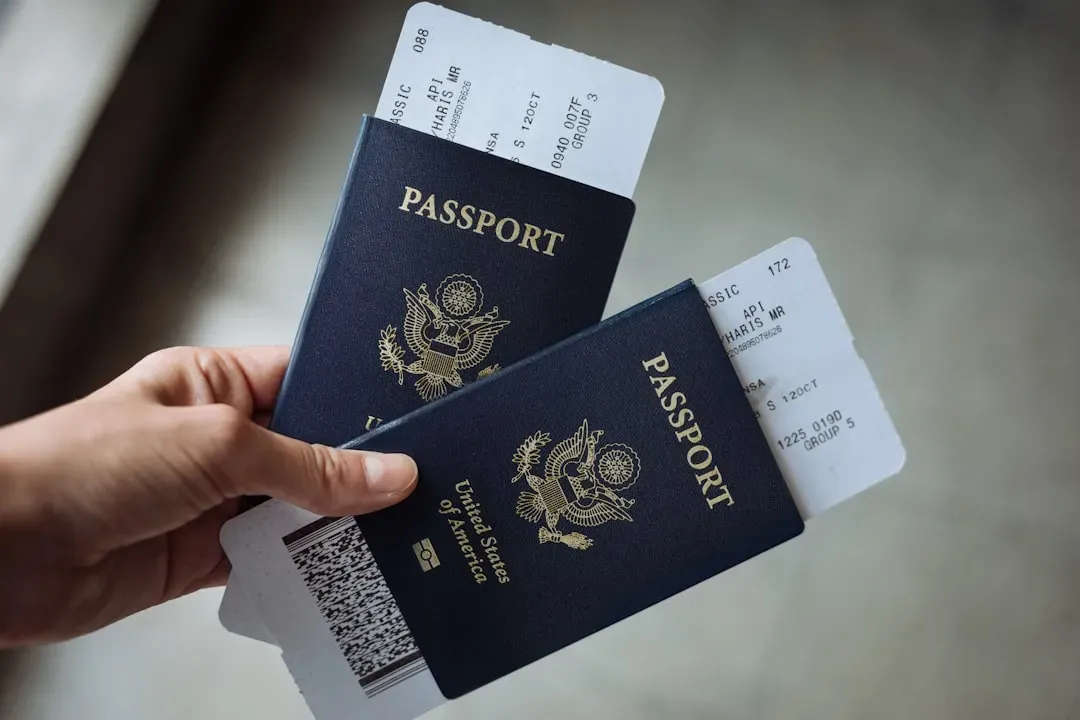
Let’s be real: the cheapest ticket on the board comes with real consequences. As of 2024, Delta Air Lines no longer offers any upgrade options for Basic Economy fares, a significant shift from their previous policies. Zero options. The door is completely closed if you’re on that fare class at Delta.
United no longer allows upgrades for Basic Economy passengers, regardless of their status or membership. That last part is brutal, even if you’ve flown United for years. Earning miles and status is no longer primarily about flying. It’s about spending, especially through co-branded airline credit cards, and paying up for fares that once came with a standard set of benefits. These cheaper basic economy fares are intentionally designed to feel incomplete, nudging travelers toward higher-priced options.
American Airlines made a jaw-dropping move as recently as late 2025: customers who purchase a Basic Economy ticket on December 17, 2025 and beyond will not earn AAdvantage miles or Loyalty Points towards AAdvantage status. Saving money on the fare now costs you in every other direction possible.
5. The Flight Was Simply Too Full to Upgrade Anyone

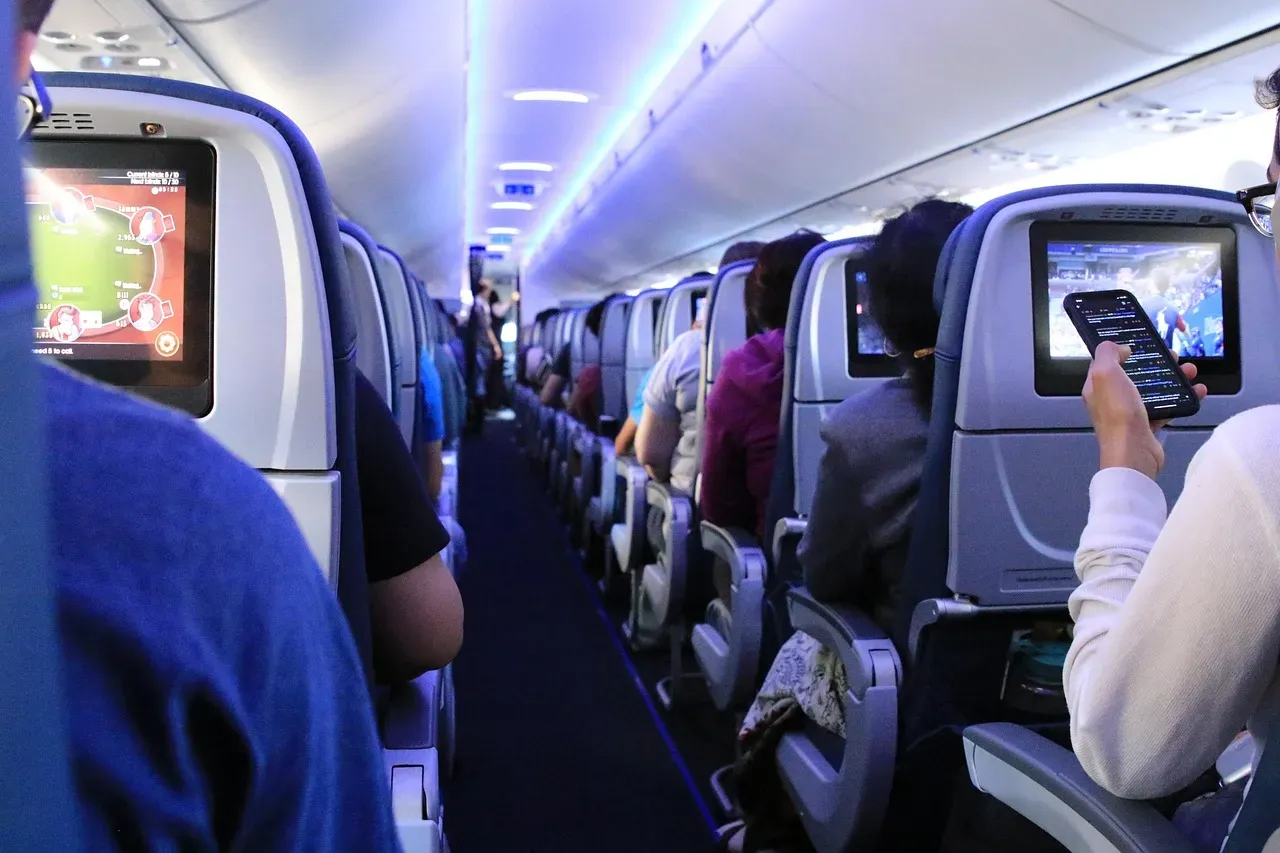
Sometimes there is no conspiracy, no algorithm to beat, no status trick to deploy. No upgrade is common when a flight sells out or upgrade inventory is exhausted. First class on popular routes fills up fast, and airlines often sell those seats directly rather than holding them for complimentary upgrades.
Think about it like a restaurant with only four good tables by the window. Those seats go to reservations first, walk-ins almost never. Not all seats are available for complimentary upgrades. The number of seats eligible for complimentary upgrades is determined by American for each flight and depends on seating limitations and capacity controls.
Partner offer

Delta promises unlimited complimentary upgrades into “available” first class seats. If they sell that seat for a $10 upcharge from coach, then it’s not available. That word “available” is doing enormous heavy lifting in the fine print, and airlines know it.
Psst… Here’s How The Loyalty Program Economics Are Working Against You!

Here’s the uncomfortable truth: airlines don’t lose sleep over giving away free upgrades to casual passengers. Frequent flyer programs have become a crucial part of the airline industry’s profitability, due to the billions of dollars banks and credit card issuers pay to buy bulk miles from airlines to reward and entice cardholders. The entire loyalty machine is built around generating revenue from credit card partnerships, not rewarding your occasional flight.
Delta Air Lines received $6.8 billion in revenue from American Express on its co-branded Delta Amex card in a single year. That’s an almost incomprehensible figure. When a single card partnership brings in that kind of money, the gate upgrade is almost a secondary concern in the overall business model.
Airlines are profiting more than ever from their frequent flyer programs, almost turning into banks with very special, unpredictable, and hard-to-understand miles. When the loyalty program is essentially a financial product, your upgrade request is a tiny variable in a very large equation. The math isn’t personal. It just doesn’t favor you unless you’re spending heavily.
Did You Know: Elite Status Requirements Just Got Much Harder to Reach
Even if you fly regularly, the goalposts have moved significantly in recent years. Delta shocked travelers with major changes to Medallion status, removing flight-based metrics and shifting entirely to spending requirements. This led to elite status requirements in 2024 increasing by 75% for Diamond Medallion members, 50% for Platinum and Gold Medallion members and 100% for Silver Medallion members year over year. Doubling the requirements overnight is not a small adjustment.
To earn top-tier Diamond Medallion status on Delta in 2025, you must earn at least 28,000 Medallion Qualification Dollars. Earning your status solely on Delta-issued tickets is roughly double the spending requirement of earning American and United’s top-tier statuses. For most normal travelers, that is a genuinely eye-watering number.
Carriers have been grappling with a surge in elite travelers, repeatedly increasing the requirements to earn status, and tweaking benefits. So even passengers who once casually held mid-tier status may find themselves downgraded in the hierarchy, competing even harder for the same finite number of seats up front.
How Checking in Early Helps

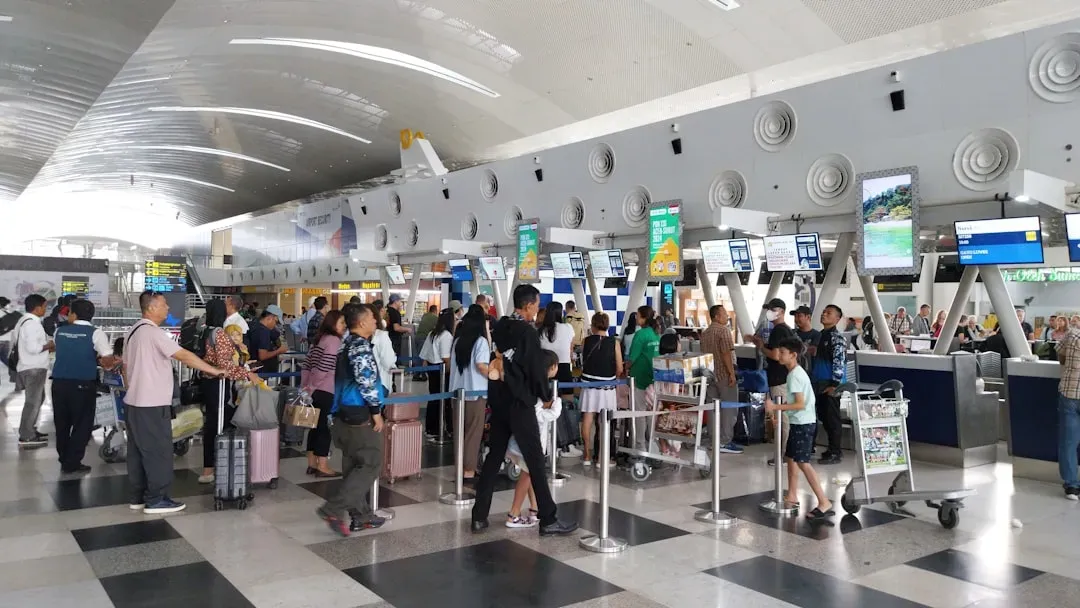
Timing matters far more than most travelers realize. Check in early, but be present at the gate well before boarding to express interest. The upgrade standby list is dynamic, and your position on it can change. Checking in late effectively puts you at the back of the queue regardless of your status tier.
Complimentary upgrades might not always clear in advance when your eligibility window opens, if there are no upgrades available at that time. Even if you don’t clear in advance, you may still clear at the gate. If an upgrade is still not confirmed when you check in, your pending upgrade request will be automatically added to the airport standby list for a potential upgrade at the gate before you board.
Showing up at the gate with forty minutes to go feeling relaxed and confident? That might actually be your biggest tactical mistake. The passengers already cleared into first class checked in the moment the window opened, sometimes days before the flight.
Your Ticket Type Limits the Gate Agent’s Hands
Gate agents get blamed for a lot of things that are genuinely out of their control. Fare class matters: higher paid fares, like flexible or semi-flex, outrank deeply discounted economy for upgrade lists. Some basic economy or heavily restricted fares are ineligible for upgrades. The agent staring at a screen with a fixed list has almost no room to maneuver outside the system’s rules.
For Delta Comfort Seat Preferences, while gate agents do their best to take set Seat Preferences into consideration, in some cases, manual upgrades made by a Delta gate agent may override Seat Preferences within three hours prior to the flight departure. That three-hour manual window is real, but it’s narrow, and agents under departure pressure are reluctant to use it.
Gate agents are under pressure to not just close the door on time, but early, in an effort to boost DOT metrics. A gate agent frantically processing upgrades while trying to hit an on-time departure isn’t going to pause and dig through the list for a non-elite traveler who asked nicely. The incentives simply don’t align.
The Upgrade Game Has Changed, But It’s Not Unwinnable

It would be easy to walk away from all this feeling defeated, and honestly, I get it. The system has become dramatically more complex and less generous to casual travelers since the early 2000s. Until fairly recently, airline employees at the check-in desk and gate agents would, if seats in business and first class were available, upgrade you to a higher class, which was increased if the passenger treated the employee nicely and was dressed somewhat formally. Those days are largely gone.
A 2024 study by airline industry experts found that leveraging elite status for upgrades can result in an average annual value of $3,500 for frequent travelers, factoring in both monetary savings and enhanced travel experiences. The value is real, it’s just concentrated at the top of the loyalty pyramid. While elite status remains a key factor in securing upgrades, airlines are increasingly offering accessible upgrade purchase options, potentially leveling the playing field for non-elite travelers.
The clearest path forward is understanding exactly which tier you need to reach and then building your spending and booking strategy around it. Fly alone on off-peak routes, avoid basic economy fares, check in the moment the window opens, and accept that the algorithm is not a negotiation. What do you think, is chasing elite status still worth the effort in 2026?
Partner offer
Planning a trip to Vegas?
Compare hotel rates and show tickets on VEGAS.com.