Picture a vast, dim parking lot. Cracked asphalt. A handful of cars near the entrance, most of them belonging to employees. Inside, half the storefronts are shuttered, covered with paper or faded “For Lease” signs. Escalators that carry nobody. This is the reality of the American “ghost mall,” and honestly, it’s a strange sight in a country that once built these places like cathedrals of consumer culture.
Yet something remarkable is happening across the United States right now. These forgotten landmarks, once dismissed as relics of a bygone era, are being gutted, rebuilt, and reimagined as luxury destinations that blend living, dining, shopping, and entertainment under one roof. The transformation is real, the money involved is staggering, and the stakes for local communities could not be higher. Let’s dive in.
From Retail Giant to Ghost Town: How Malls Fell So Far
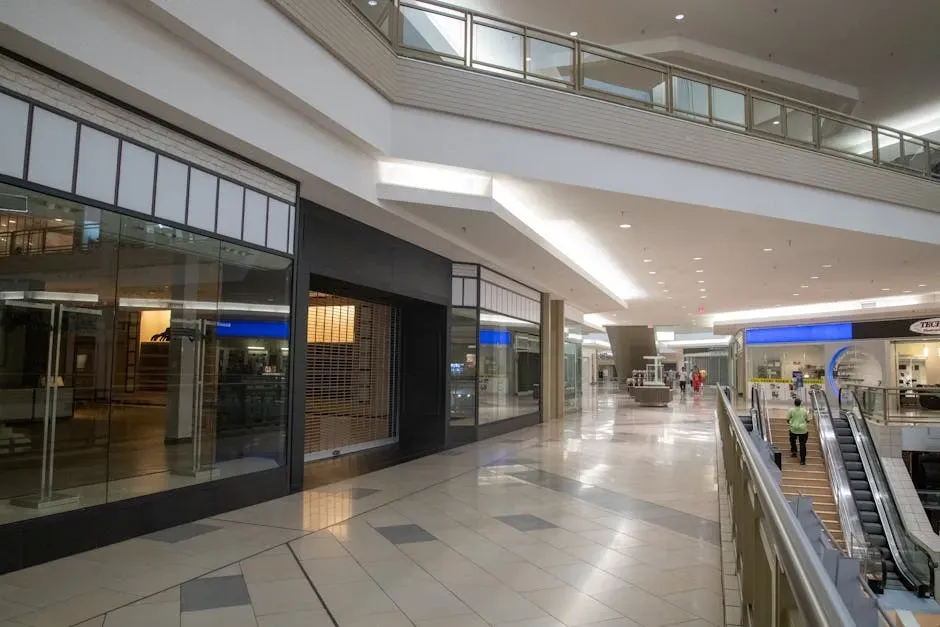
It didn’t happen overnight. For decades, the American shopping mall was the undisputed heart of suburban life. Then e-commerce grew, habits shifted, and department store after department store closed its doors, leaving massive empty shells behind.
Mall demolition is expected to continue, with some projections suggesting that as few as 150 malls will still be in operation by 2032, down from an estimated 1,150 malls currently operating nationwide. A report by Capital One Shopping Research noted that approximately 2 million square feet of mall space was demolished in 2023 alone.
While Class A malls are approaching pre-2019 traffic levels, down only about four percent, lower-tier malls continue to lag, with foot traffic down roughly nine percent and significantly higher vacancy rates. The numbers tell a brutal story. Entire malls that once buzzed with thousands of daily visitors became ghost towns in just a few years.
The Vacancy Problem That Forced Developers’ Hands
Here’s the thing about empty space: it costs money even when nobody is inside it. Property taxes, maintenance, security, and insurance keep bleeding owners dry. That pressure eventually became the catalyst for change.
CBRE’s 2024 outlook noted that availability rates for mall and lifestyle centers were set to rise by nearly a full percentage point, even as retail real estate fundamentals were expected to remain broadly strong due to limited new construction deliveries.
As new retail construction slows, the trend of repurposing underperforming malls is accelerating, offering significant opportunities to transform these properties into vibrant mixed-use developments that blend retail, lifestyle, entertainment, and essential services. Developers had a choice: sit on depreciating assets or get creative. Most are now getting very creative.
What “Mixed-Use” Actually Means in 2025
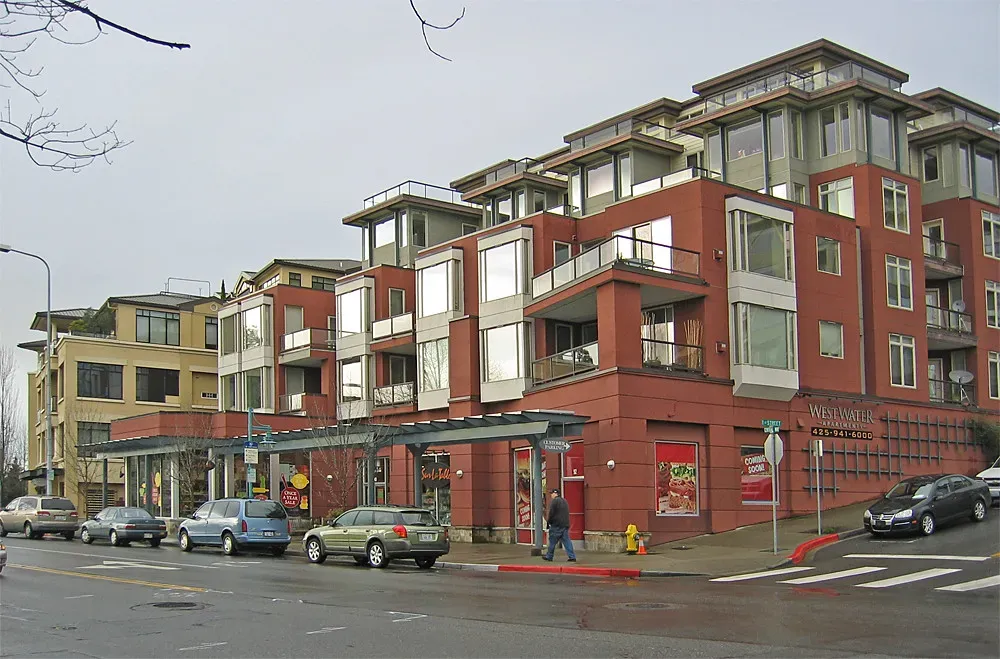
The phrase “mixed-use” gets thrown around a lot, so let me be specific about what it looks like in practice. Think luxury apartments stacked above a high-end restaurant row. A rooftop pool visible from the highway. A boutique fitness studio where a Sears used to be.
The “live, work, play” mixed-use model combines apartment units, fitness clubs, hotels, medical centers, office units, restaurants, and retail, offering a genuine alternative to classic shopping centers. It’s less of a mall and more of a small city within a city.
According to a 2023 analysis by real estate services giant JLL, roughly half of all mall redevelopments are now mixed-use. About 30 percent of mall anchor redevelopments are residential, and nearly 54 percent of mixed-use redevelopments incorporate housing. Those numbers reflect a seismic shift in how developers now think about formerly retail-only properties.
Luxury as the New Anchor Tenant
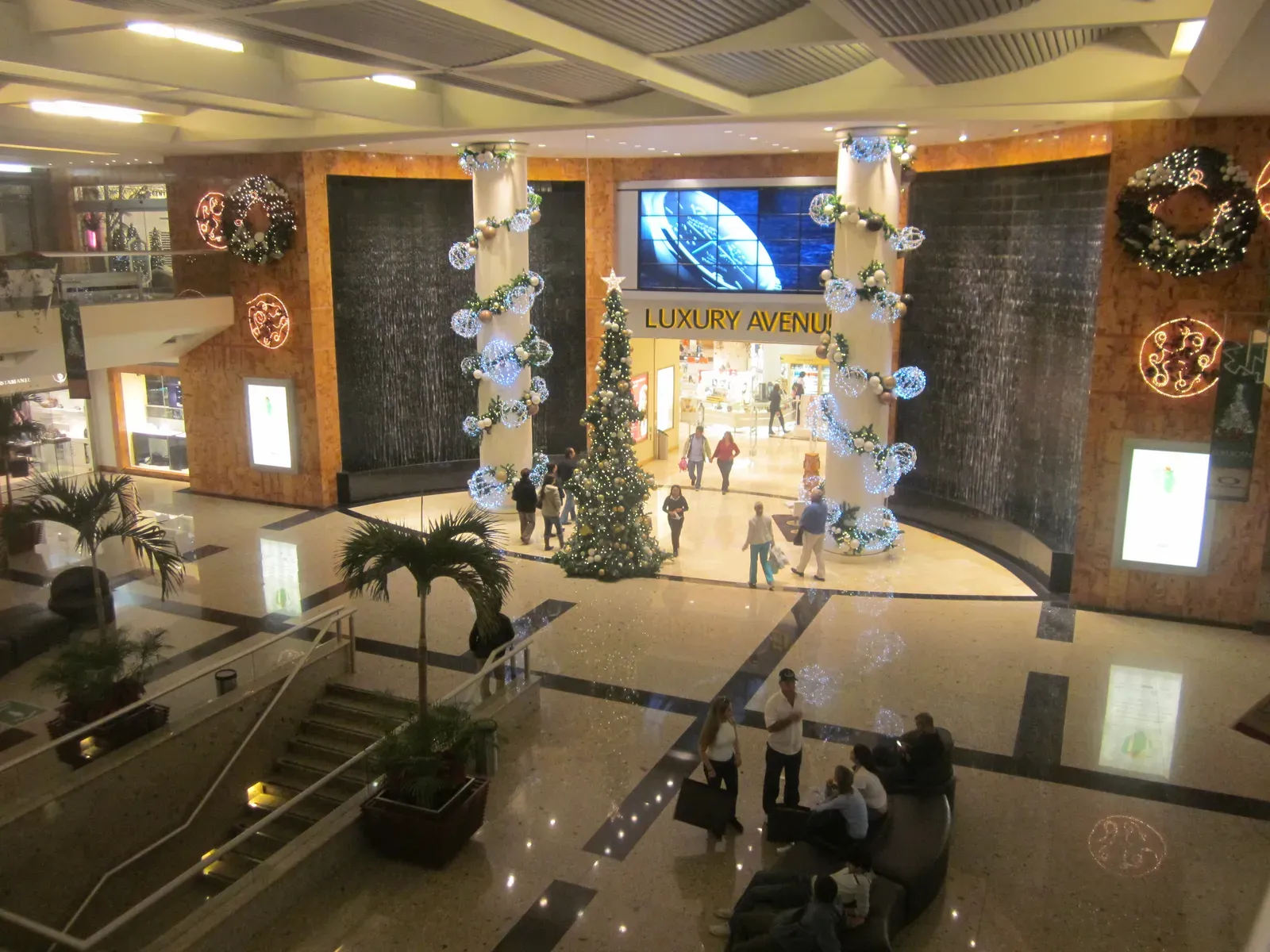
In the old mall model, a Macy’s or a Sears was the anchor. Today, luxury is the anchor. High-end residential units, premium dining, and curated boutiques are deliberately used to attract a wealthier demographic and set the tone for the entire district.
Luxury brands that once focused exclusively on high-street districts like Beverly Hills’ Rodeo Drive and New York’s Fifth Avenue are now taking fresh looks at new and emerging markets. With a slowing Chinese economy, expansion-minded luxury retailers are also returning to the United States for further growth.
Think of it like upgrading from a budget motel to a boutique hotel. The physical bones might be the same, but the experience, the clientele, and the price point are completely different. Developers are betting that if you make a place feel luxurious, luxury tenants will follow.
Real Projects, Real Billions: Case Studies Across the U.S.
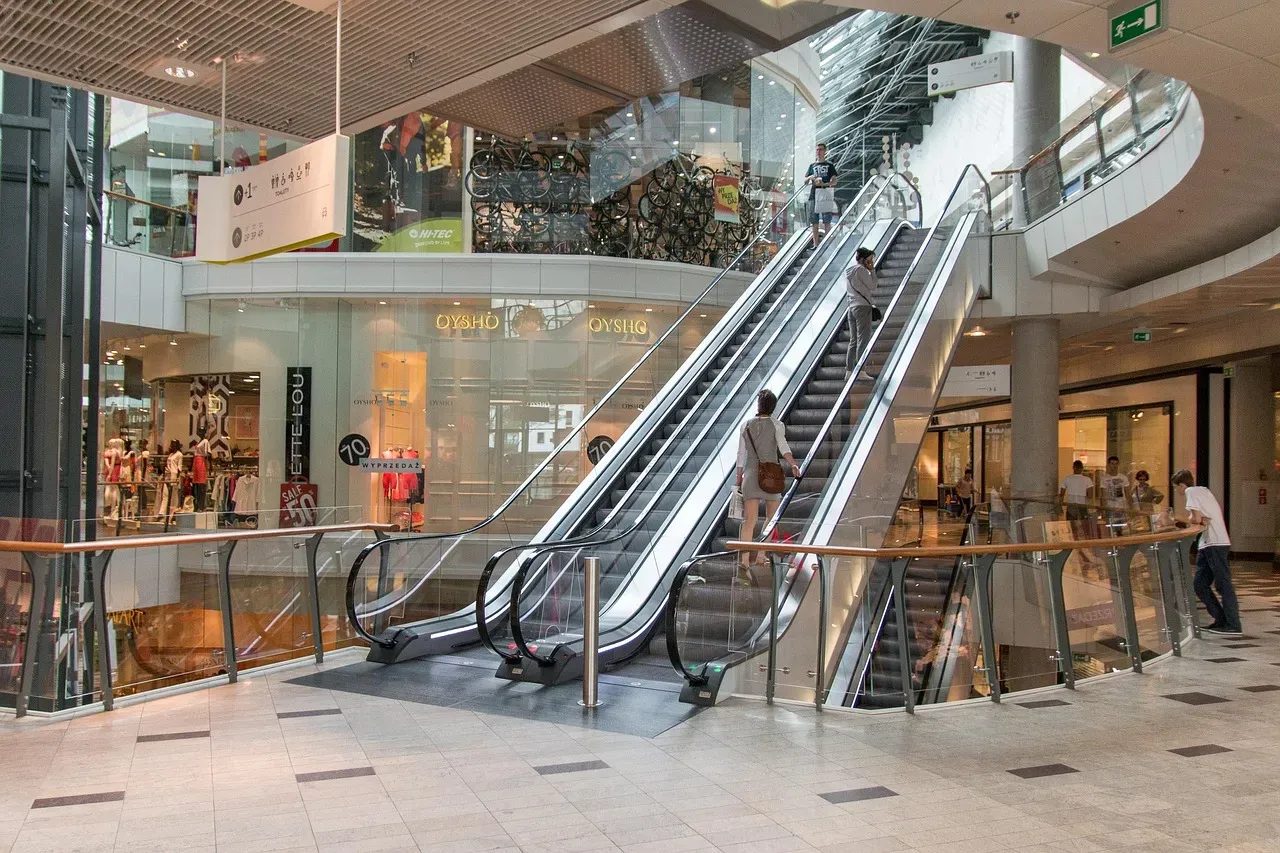
This isn’t theoretical. Across the country, former malls are being torn down or gutted and rebuilt at a scale that few would have imagined just ten years ago.
The Southland Mall in Cutler Bay, Florida, near Miami, is being transformed into “Southplace City Center,” a vibrant mixed-use transit-oriented community with live-work-play options. The 80-acre, roughly one-billion-dollar redevelopment is planned to include more than 4,000 residential units and over 500,000 square feet of commercial space.
In New Jersey, the transformation of Burlington Center mall into The Crossings serves as a model for industrial-led mixed-use redevelopment. The ongoing six-year redevelopment, valued at more than $600 million, is one of the few instances where a former regional shopping mall has been reimagined integrating industrial and warehouse product alongside retail, multifamily housing, and hospitality uses.
The Role of Housing in the Rebirth Formula
I’ll admit, when I first heard about people living inside a mall, I pictured something strange. Turns out, it’s one of the smartest parts of the formula. Residents who live on-site keep restaurants and shops active well beyond normal retail hours.
Most mall redevelopments, rather than eliminating retail altogether, include retail, housing, and other uses in close proximity. This aligns with developers’ current focus on creating what they call “18-hour neighborhoods,” or live-work-play centers where residents can essentially shop and work without spending extra money on travel.
The cost of a luxury apartment in one such converted mall setting ranges from roughly $1,860 for a studio to at least $3,885 for a three-bedroom, according to AvalonBay’s own published figures. That price point tells you everything about who these projects are being built for, and who they are absolutely not built for.
Southdale Center: Reinventing the Very First Enclosed Mall
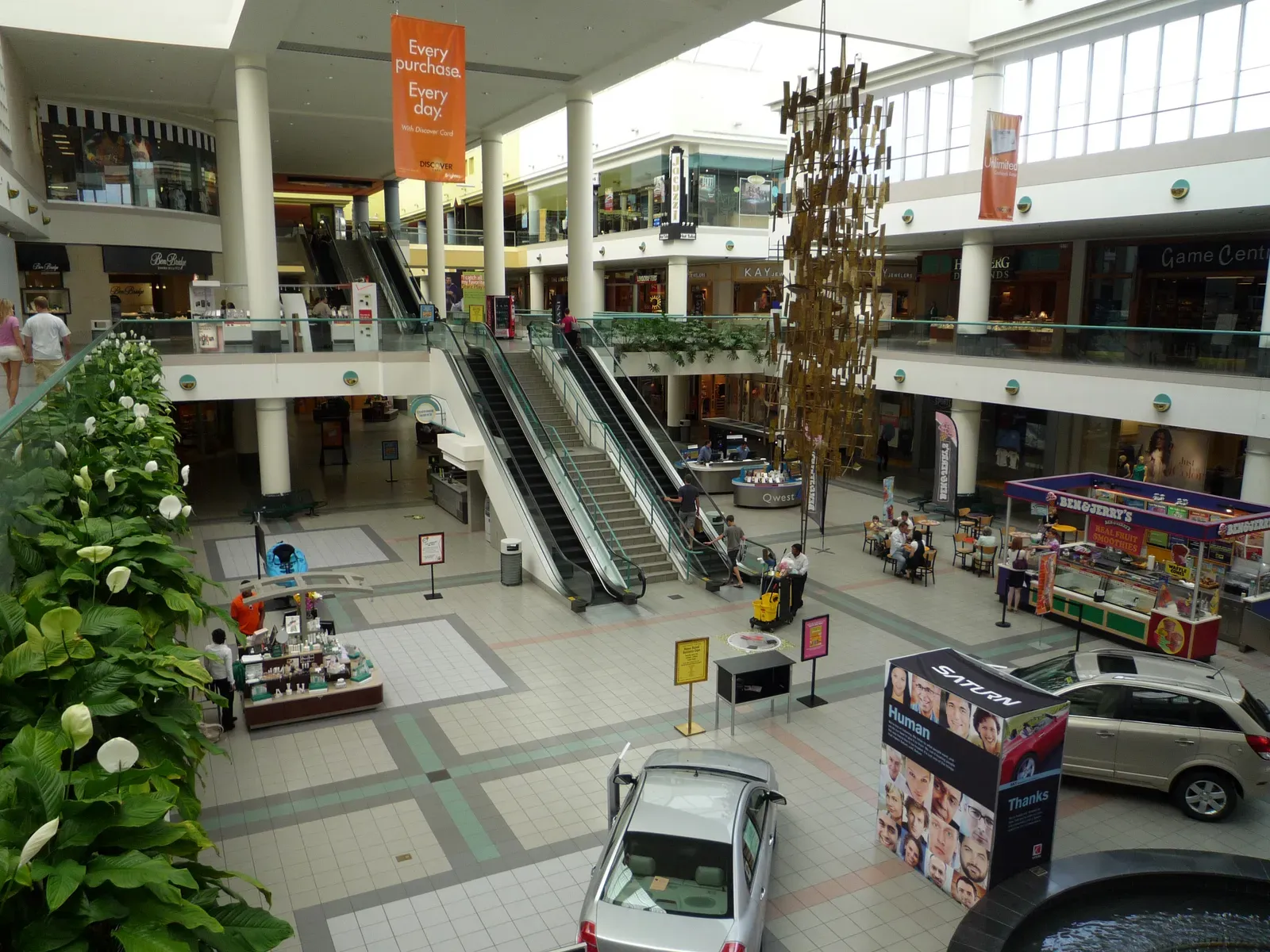
Perhaps no story captures the scale of this transformation better than what’s happening to Southdale Center in Edina, Minnesota. This was not just any mall. It was the first fully enclosed, climate-controlled shopping mall in the United States.
In a striking transformation, Southdale Center in Minnesota, the first of the fully enclosed malls of the 1950s, is being re-created as a multipurpose development that includes luxury hotel rooms and apartment complexes, a fitness center in place of a defunct J.C. Penney store, medical clinics, and day care for children.
The symbolism here is hard to ignore. The very birthplace of the American mall is now becoming a template for what comes after the mall. It’s almost poetic. The institution that defined suburban shopping for two generations is now leading the way in reimagining what comes next.
The Consumer Behavior Shift That Made This Inevitable
None of this happens without a fundamental change in what people actually want. Shoppers today are not satisfied with just buying things. They want to feel something, do something, share something. The experience has become the product.
Brick-and-mortar stores are transforming into immersive environments that blend entertainment, education, and engagement. The retail industry in 2024 and 2025 is undergoing significant transformation driven by technology, shifting consumer behaviors, and a renewed focus on experiential offerings. Key trends include the rise of experiential retail and the necessity of omnichannel strategies.
McKinsey data found that roughly 44 percent of consumers around the world, and a notably higher share among Gen Z and millennials, plan to splurge specifically on experiences that provide immediate gratification, such as restaurants and travel. That instinct is exactly what luxury mall redevelopments are trying to capture and monetize.
The Hidden Challenges Developers Don’t Talk About Enough

Let’s be real: these projects are not smooth sailing. Redeveloping a former mall involves navigating zoning laws, securing financing, dealing with existing tenant agreements, managing community opposition, and handling infrastructure that was never designed for residential use.
Mall-to-town-center conversions can take a very long time to come to fruition. Navigating complex anchor tenant agreements, coordinating multiple property owners, addressing infrastructure deficits, and securing community buy-in remain significant hurdles.
The main argument against mixed-use developments tends to be increased traffic congestion. Existing communities can also be resistant to more people moving into or working closer to suburban areas. Sewer systems, educational systems, and other infrastructure need to be carefully factored in before developing any mixed-use project. These are not small problems. They have derailed more than a few ambitious redevelopment plans.
What the Future of the “Luxury Mall” Looks Like
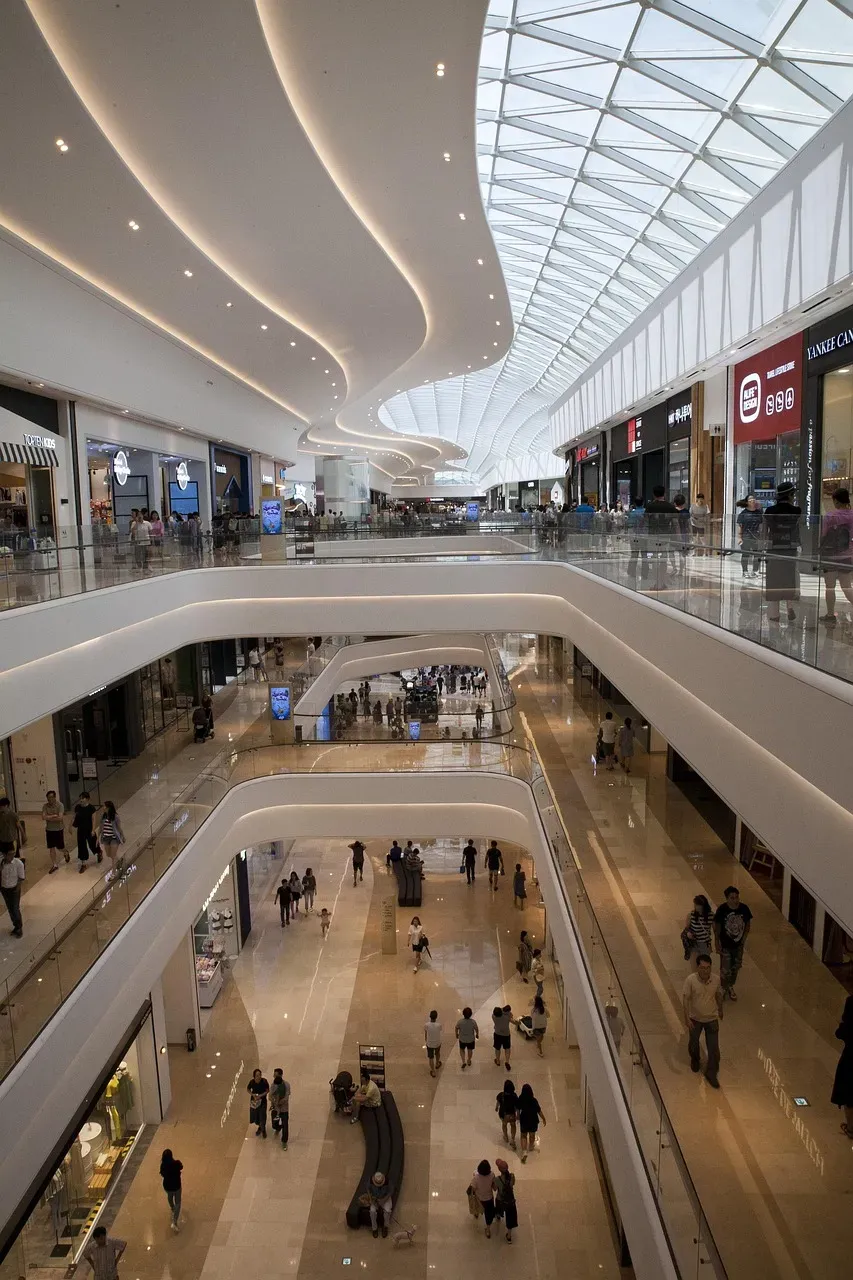
By 2026, it’s fair to say the direction is set. Ghost malls are not coming back as traditional retail centers. The market has spoken. What’s replacing them is something genuinely new, and in many ways, more ambitious than the original shopping mall concept ever was.
As new retail construction slows, the trend of repurposing underperforming malls is accelerating. By blending retail, lifestyle, entertainment, and essential services, these redevelopments better serve the evolving needs of today’s consumers, while offering significant potential for investors and retailers to unlock value.
Successful redevelopment requires targeted tenant curation, strategic location, and a bold, forward-thinking vision. With expansive footprints, prime access, and adaptability, these former malls are well positioned to evolve into dynamic, mixed-use centers that redefine retail experiences for modern consumers and communities alike. The ghost has left the building. What moves in next will define entire neighborhoods for a generation.
Conclusion: The Rebirth Is Real, But Not for Everyone
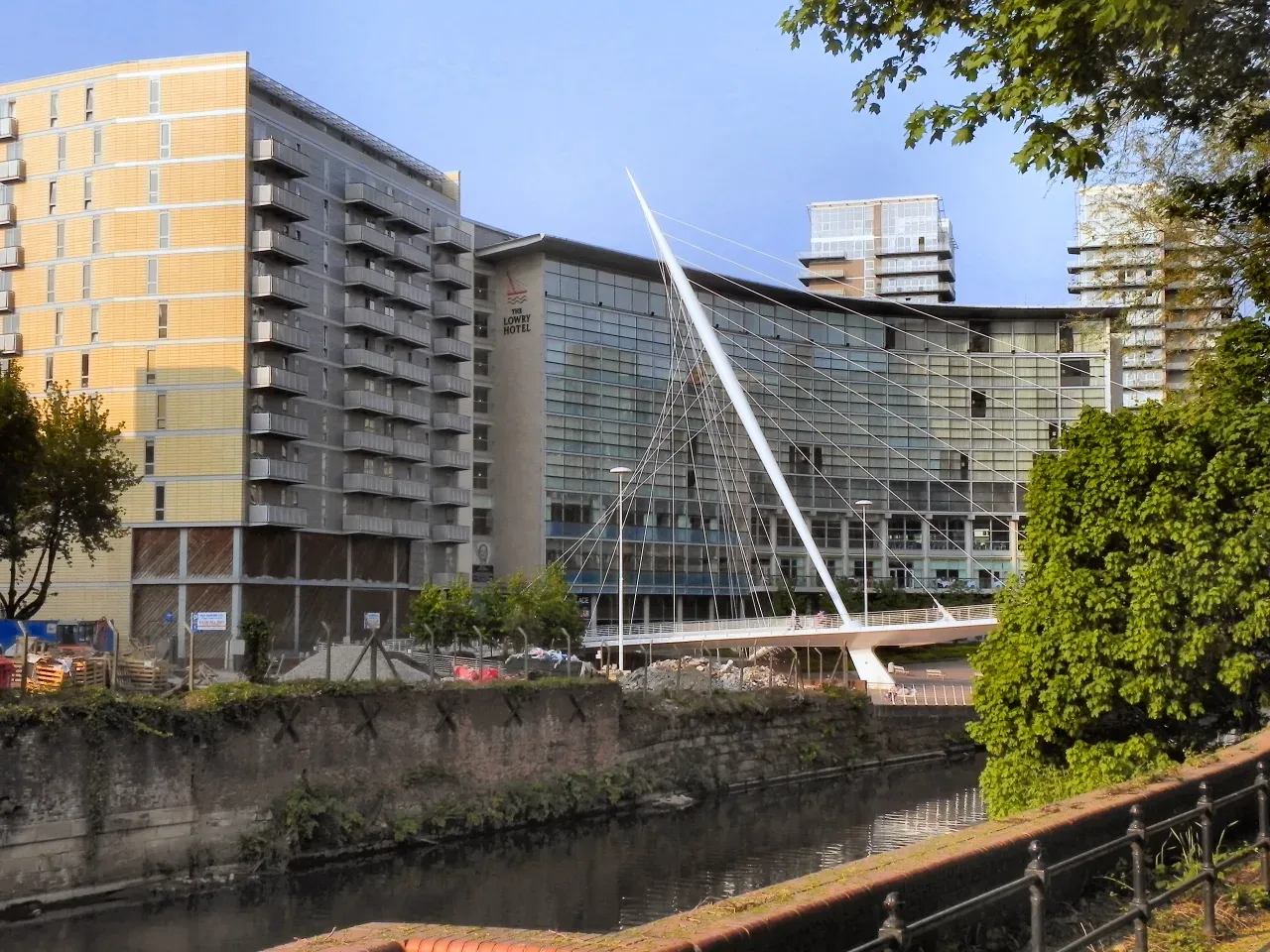
There is something genuinely exciting about watching a crumbling, echoing shopping mall transform into a living, breathing urban neighborhood. The scale of these projects is extraordinary. The investment is real. The ambition is hard not to admire.
Still, it’s worth asking a hard question. Luxury redevelopment brings premium apartments, upscale dining, and designer boutiques. That is wonderful if you can afford it. For the communities who grew up shopping at that local mall, who relied on its accessible stores and affordable restaurants, the new version may feel like a place built for someone else entirely.
The ghost mall’s rebirth is one of the defining real estate stories of our decade. Whether it becomes a story about community revival or one about exclusion will depend entirely on the choices developers and local governments make in the years ahead. What do you think: is this the future our towns actually need, or just the future investors are willing to pay for? Tell us in the comments.