


Everyone loves a good underdog story. There’s something deeply satisfying about watching someone fall from grace only to climb their way back to the top, often stronger than before. These aren’t just tales of persistence – they’re proof that failure isn’t final, that public opinion can shift, and that second acts are very much possible in American life (and beyond). Some of these comebacks took years, others happened almost overnight, but all of them share one thing: they left us stunned.
From musicians who disappeared into obscurity to actors written off by Hollywood, these stories remind us that the spotlight can return when you least expect it. Let’s dive into some of the most jaw-dropping comebacks in cultural history.
Elvis Presley’s 1968 Comeback Special

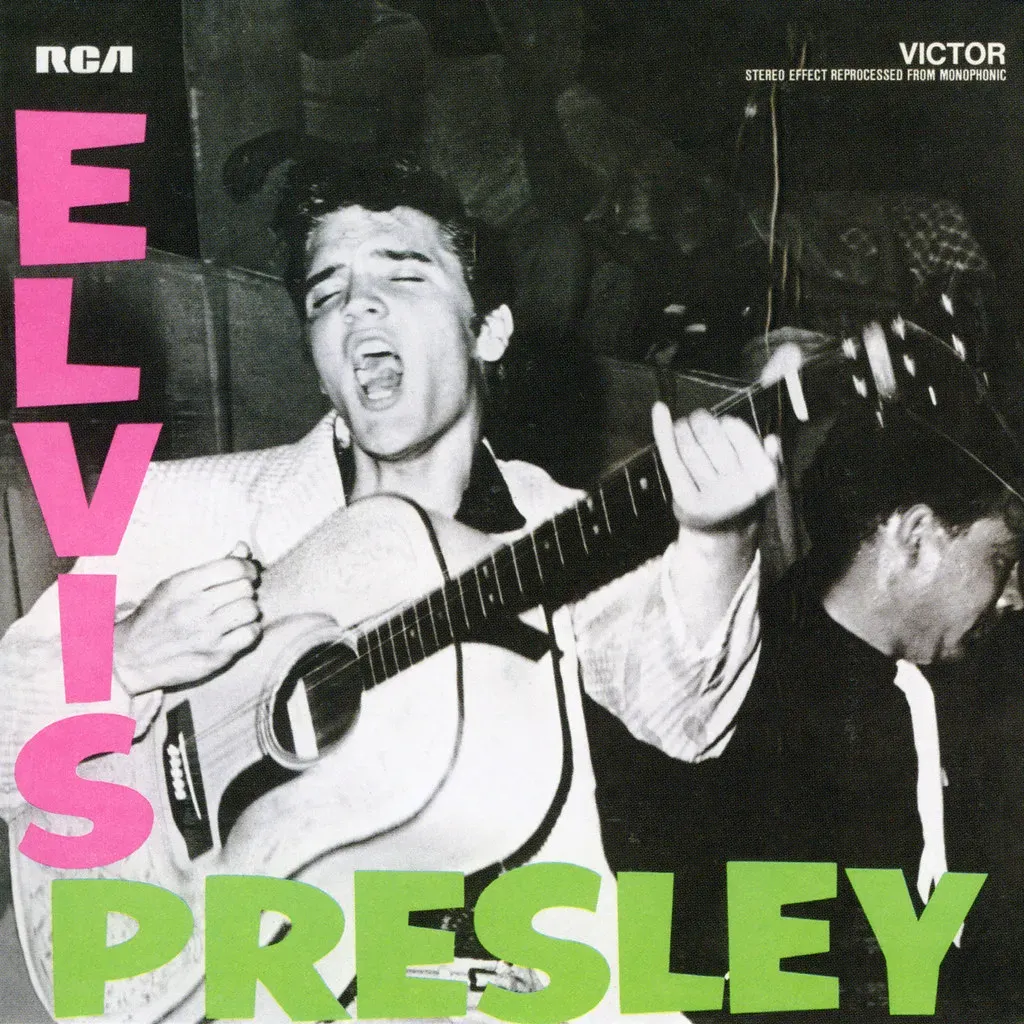
By the late 1960s, Elvis Presley seemed like a relic. The King of Rock ‘n’ Roll had spent years making forgettable movies, and The Beatles had stolen his thunder. His manager, Colonel Tom Parker, had essentially turned him into a caricature of himself. Most people assumed Elvis’s best days were behind him.
Then came the 1968 NBC television special, simply titled “Elvis.” Dressed in black leather and performing live for the first time in years, Elvis reminded everyone why he’d earned his crown in the first place. The raw energy, the charisma, the voice – it was all still there. The special drew massive ratings and revitalized his career practically overnight.
What followed was a return to live performance, including his legendary Las Vegas residency at the International Hotel (now the Westgate). Elvis didn’t just come back. He redefined what a comeback could look like, setting the stage for decades of Vegas residencies to follow.
Robert Downey Jr.’s Hollywood Redemption

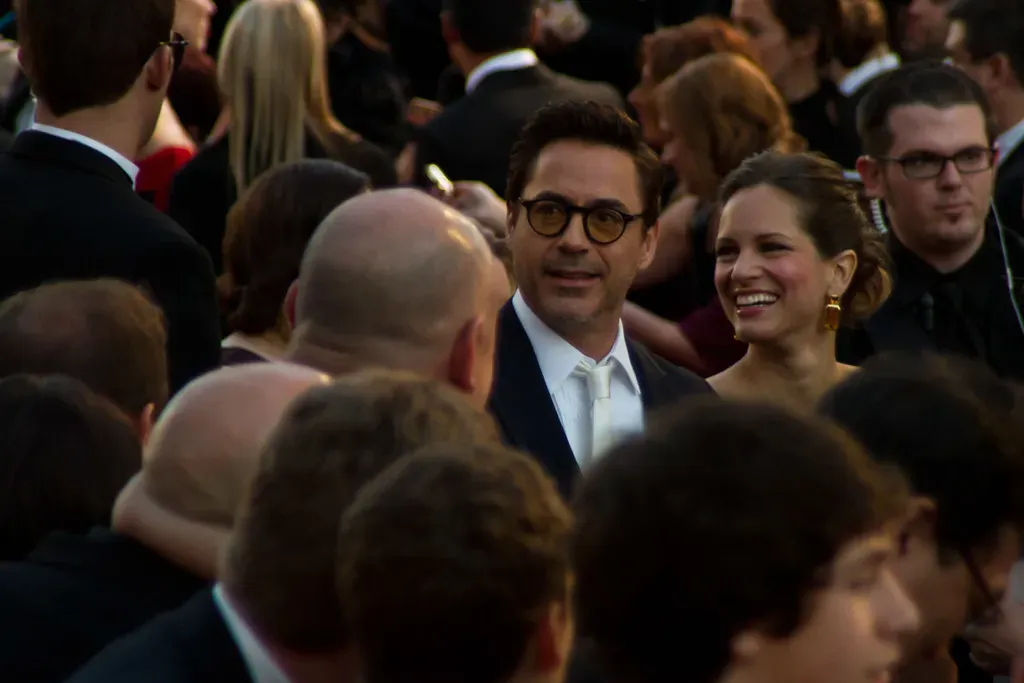
In the late 1990s and early 2000s, Robert Downey Jr. was more famous for his arrests than his acting. Substance abuse issues led to multiple stints in jail and rehab, and Hollywood essentially blacklisted him. Insurance companies refused to cover him, making him virtually unhirable for major productions.
His return started small, with supporting roles and independent films. Director Mel Gibson even paid his insurance bond for “The Singing Detective” in 2003, giving him a chance when few others would. Slowly, Downey rebuilt his reputation through sheer talent and determination.
Then came 2008 and “Iron Man.” Marvel Studios took a calculated risk casting him as Tony Stark, and it paid off spectacularly. Downey became one of the highest-paid actors in the world and the face of the Marvel Cinematic Universe. His comeback didn’t just save his career – it helped launch the biggest film franchise in history.
Tina Turner’s Solo Renaissance

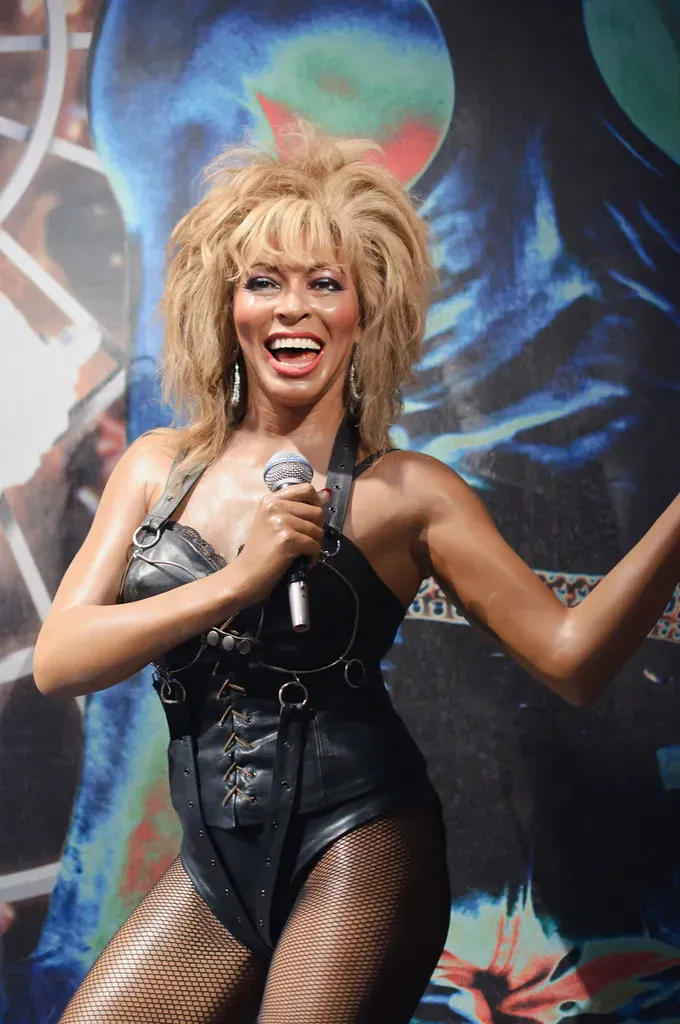
After years of abuse in her marriage to Ike Turner, Tina walked away with nothing but her stage name in 1976. She was in debt, playing small venues, and seemingly past her prime. The music industry had moved on, and many assumed her career was finished.
For several years, she worked tirelessly, performing wherever she could. Then in 1984, at age 44, she released “Private Dancer.” The album sold over 20 million copies worldwide and earned her three Grammy Awards. Songs like “What’s Love Got to Do with It” became massive hits.
Tina’s comeback was more than commercial success. It was a statement of survival and reinvention. She proved that a woman could rebuild her life and career on her own terms, becoming an even bigger star the second time around.
Johnny Cash’s American Recordings Era

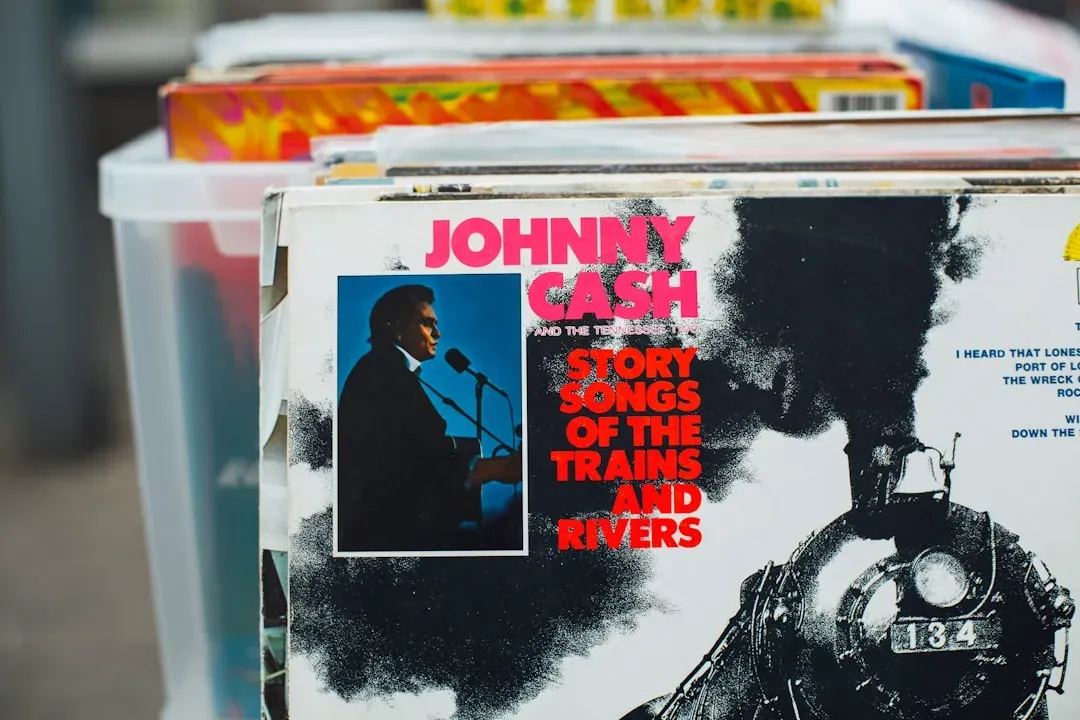
By the early 1990s, Johnny Cash’s career had flatlined. Country radio ignored him, his label dropped him, and younger audiences had no idea who he was. The Man in Black seemed destined to fade into nostalgia.
Producer Rick Rubin saw something others missed. In 1994, they released “American Recordings,” a stripped-down album featuring just Cash and his guitar. The raw, haunting sound introduced him to a completely new generation. His cover of Nine Inch Nails’ “Hurt” in 2002 became one of the most powerful music videos ever made.
Cash’s late-career renaissance turned him into a legend among younger indie and alternative music fans. He didn’t compromise his sound or try to modernize artificially. He simply reminded everyone of the depth and authenticity that had made him great in the first place.
Partner offer

Marlon Brando in “The Godfather”

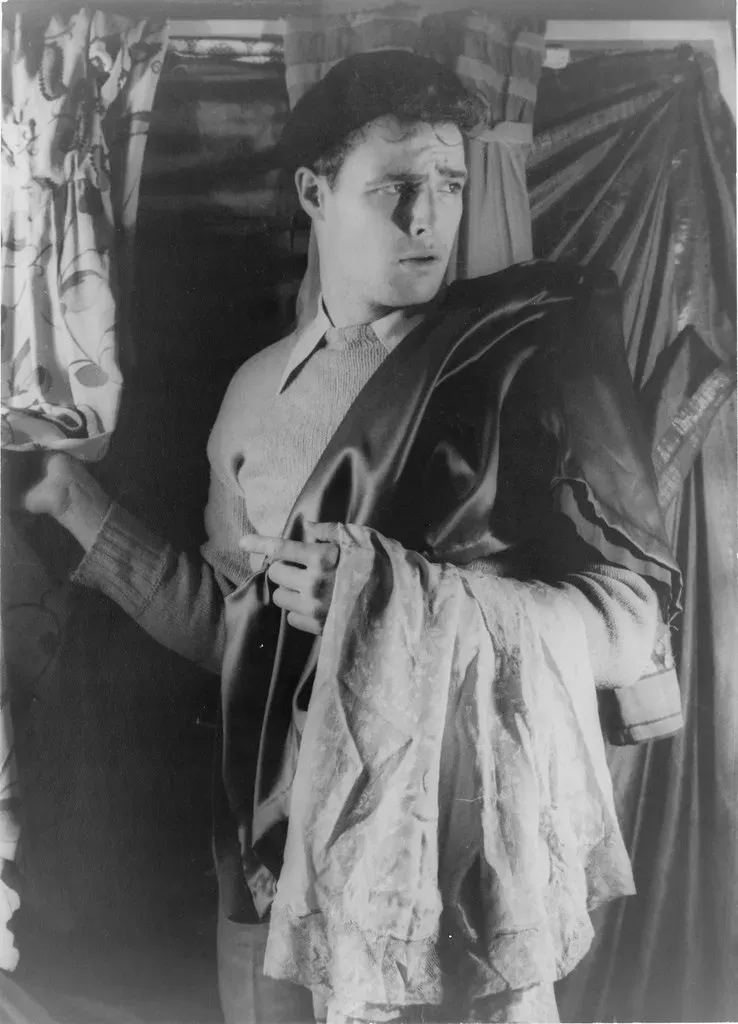
By 1972, Marlon Brando was considered box office poison. Despite his earlier brilliance, he’d gained a reputation as difficult, unpredictable, and unreliable. Studios avoided him, and his career seemed finished at just 47 years old.
Francis Ford Coppola fought hard to cast Brando as Don Vito Corleone in “The Godfather,” despite studio executives’ strong objections. Paramount reluctantly agreed, but only after Brando auditioned and accepted a much lower salary. The gamble paid off brilliantly.
Brando’s performance became instantly iconic. He won his second Academy Award and reminded Hollywood of his genius. The role didn’t just save his career – it cemented his place among the greatest actors in film history.
Britney Spears’s “Blackout” Artistic Triumph

In 2007, Britney Spears was the subject of relentless media scrutiny. Her public breakdown, custody battle, and hospitalization dominated headlines. Critics wrote her off as a has-been, a cautionary tale of fame gone wrong.
Amid all this chaos, she somehow created “Blackout,” released in October 2007. The album was a dark, edgy departure from her earlier pop sound. Critics initially dismissed it, but over time, it gained recognition as ahead of its time and deeply influential on modern pop music.
While her personal struggles continued, “Blackout” proved Spears was more than just a tabloid fixture. She was a genuine artist capable of creative reinvention. The album’s legacy grew stronger with each passing year, influencing countless pop acts that followed.
Bette Davis and “Whatever Happened to Baby Jane?”

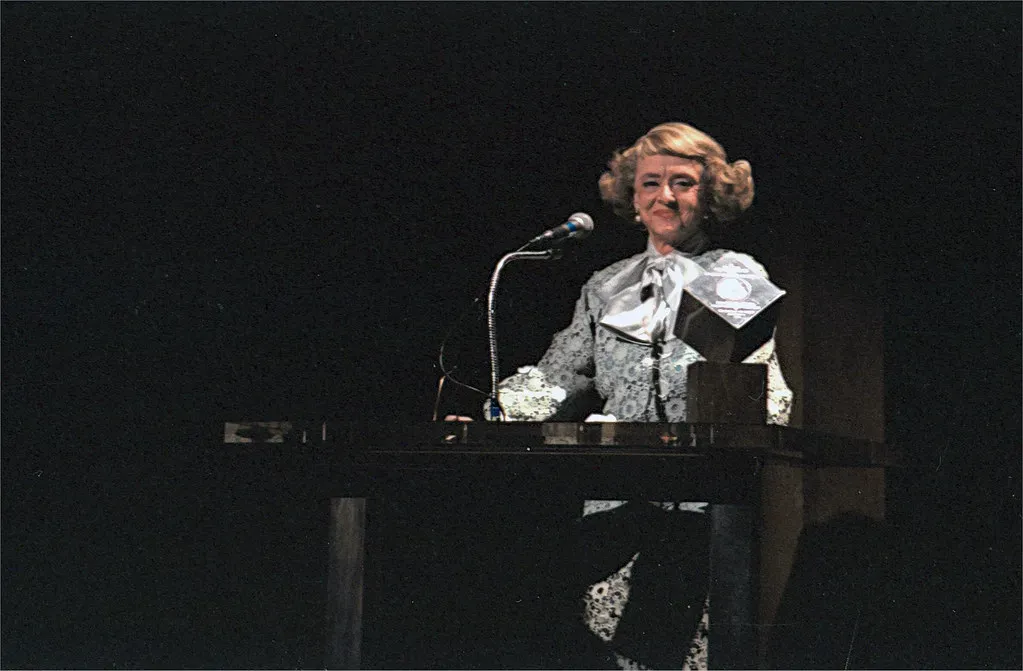
By 1962, Bette Davis was considered washed up. At 54, she couldn’t find work in an industry obsessed with youth. She was so desperate that she actually placed an advertisement in the trade papers seeking employment.
Then came “Whatever Happened to Baby Jane?” Davis and fellow Hollywood veteran Joan Crawford starred in this psychological horror film made on a modest budget. Critics loved it, audiences flocked to it, and Davis earned an Oscar nomination.
The film’s success sparked a new genre of “psycho-biddy” films and gave Davis a whole new career chapter. She continued working steadily until her death in 1989, proving that talent and determination could overcome Hollywood’s ageism.
John Travolta’s “Pulp Fiction” Explosion
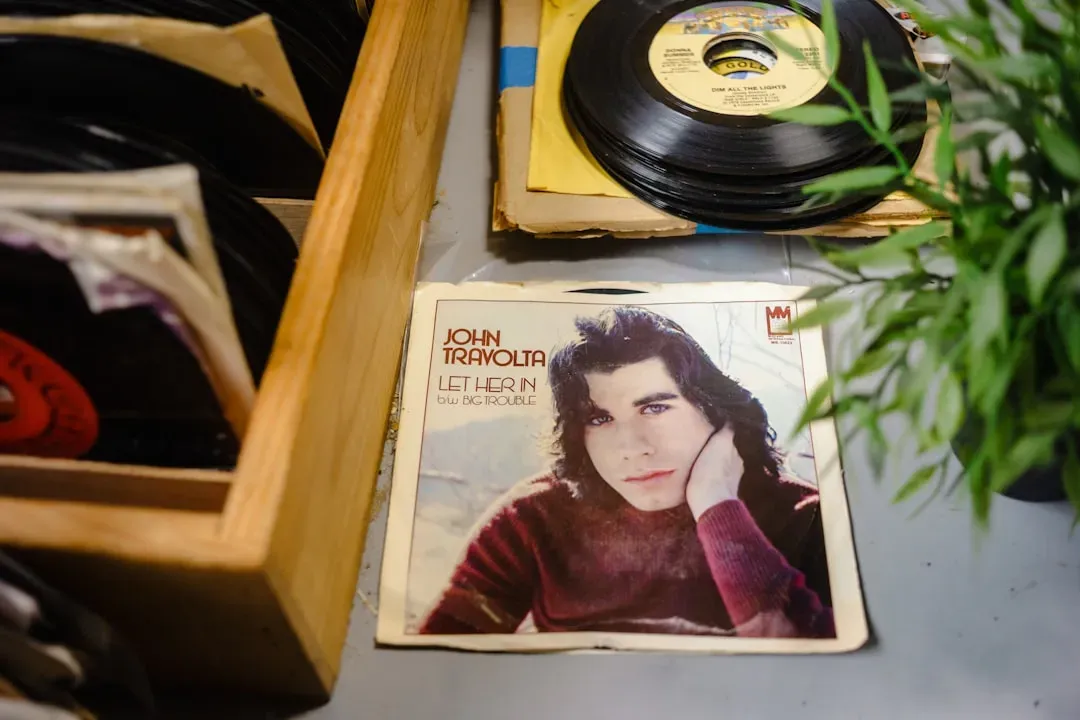
After his “Saturday Night Fever” and “Grease” glory days, John Travolta’s career nosedived. By the early 1990s, he was relegated to straight-to-video movies and occasional TV appearances. Hollywood had completely forgotten about him.
Quentin Tarantino saw past the has-been image and cast Travolta as Vincent Vega in “Pulp Fiction” (1994). The role was a perfect fit, allowing Travolta to showcase his charisma, humor, and that famous dance ability. The film became a cultural phenomenon.
Travolta’s career exploded back to life. He earned an Oscar nomination and suddenly became one of Hollywood’s most sought-after leading men again. The comeback was so complete that it’s hard to remember there was ever a down period.
Conclusion: The Power of Second Chances


These comebacks remind us that nothing in entertainment – or life – is truly permanent. Reputations can be rebuilt. Careers can be resurrected. Sometimes all it takes is the right role, the right song, or simply the right moment. What’s remarkable isn’t just that these artists and performers returned to prominence, but that many of them reached even greater heights than before.
From Elvis in his leather suit to Robert Downey Jr. in the Iron Man armor, these stories prove that failure isn’t the end of the story. It’s often just the setup for something even better. What comeback surprised you the most? Tell us in the comments.
Partner offer
Planning a trip to Vegas?
Compare hotel rates and show tickets on VEGAS.com.


