


The Roman Empire: Climate Change and Disease Brought Down a Titan

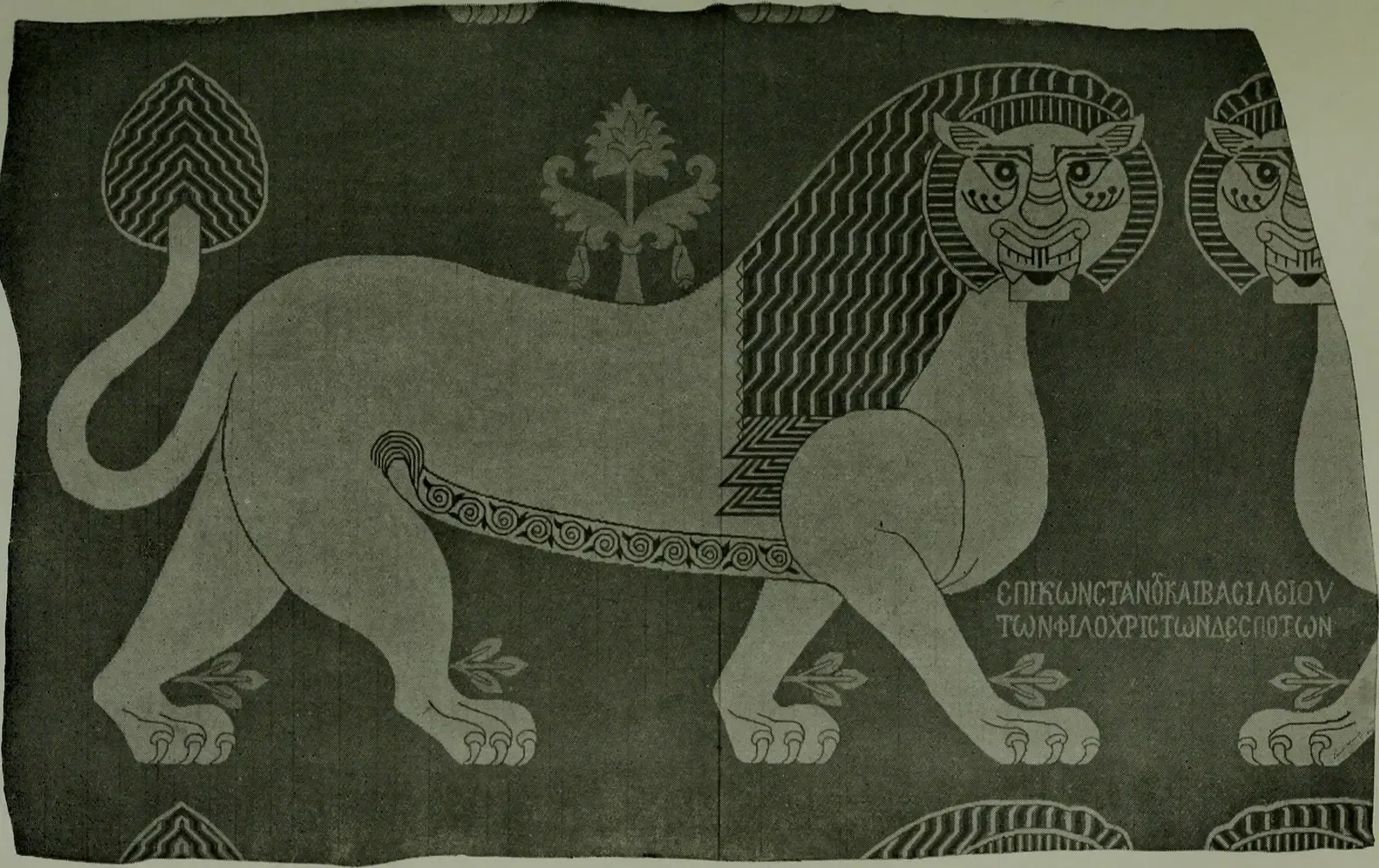
Picture this: the mightiest civilization the ancient world had ever seen, stretching from Britannia to the deserts of Mesopotamia, brought to its knees not just by barbarian hordes but by forces humans couldn’t even see. Recent research confirms that epidemics and droughts were a notable factor in the definitive fall of the Western Roman Empire in A.D. 476. Rome didn’t just fall because of external invasions or internal corruption.
Climate played a stunningly crucial role. Researchers have proposed that the early Roman Empire fell within the period known as the Roman Climate Optimum, which lasted from circa 550 B.C. to A.D. 150 and was characterized by temperate, stable climatic conditions. When those favorable conditions shifted, everything changed. More than 20 men took the throne in the span of only 75 years, usually after the murder of their predecessor, creating chaos that weakened Rome’s ability to respond to existential threats.
Rome was crumbling from within thanks to a severe financial crisis, as constant wars and overspending had significantly lightened imperial coffers, and oppressive taxation and inflation had widened the gap between rich and poor. The combination proved fatal when paired with deteriorating climate conditions and waves of disease.
The Mongol Empire: Too Vast to Control, Too Divided to Survive

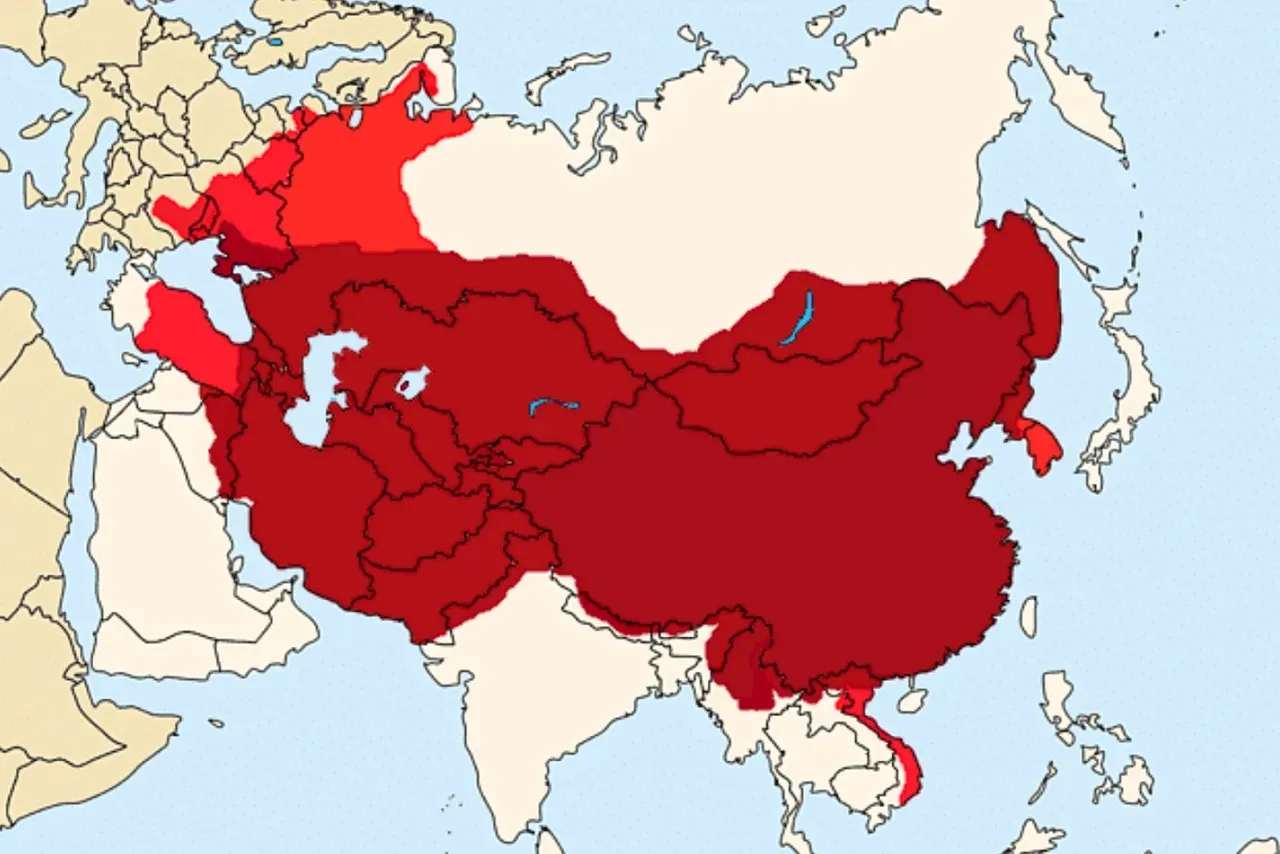
The Mongol Empire was the largest contiguous land empire that ever existed, yet its sheer size became its ultimate downfall. Honestly, trying to govern territories from the Pacific Ocean to Eastern Europe using thirteenth-century technology was always going to be a challenge. The Mongols’ success at subduing and controlling people of so many different regions, languages, and religions meant that running the empire was always extraordinarily challenging.
Kublai Khan’s failures included a series of costly wars with other Asian countries, including two disastrous attempts to invade Japan, which brought little benefit to China, and his extravagant administration also provoked resentment among the Chinese. Those failed invasions drained resources and morale. The Mongols quickly lost most of China to the rebellious Ming forces and in 1368 fled to their heartland in Mongolia.
Large contributing factors to the decline of the Mongol Empire include the halt of Mongol expansion, infighting, assimilation, and the Black Death. The plague devastated populations across their territories, disrupting the very trade networks that had made the empire prosperous. The greatest economic challenge the Mongols faced was the Black Death, which struck around 1331, spreading from Central Asia, killing millions as trade networks helped the spread, permanently altering the population.
The British Empire: Economic Exhaustion and Rising Nationalism

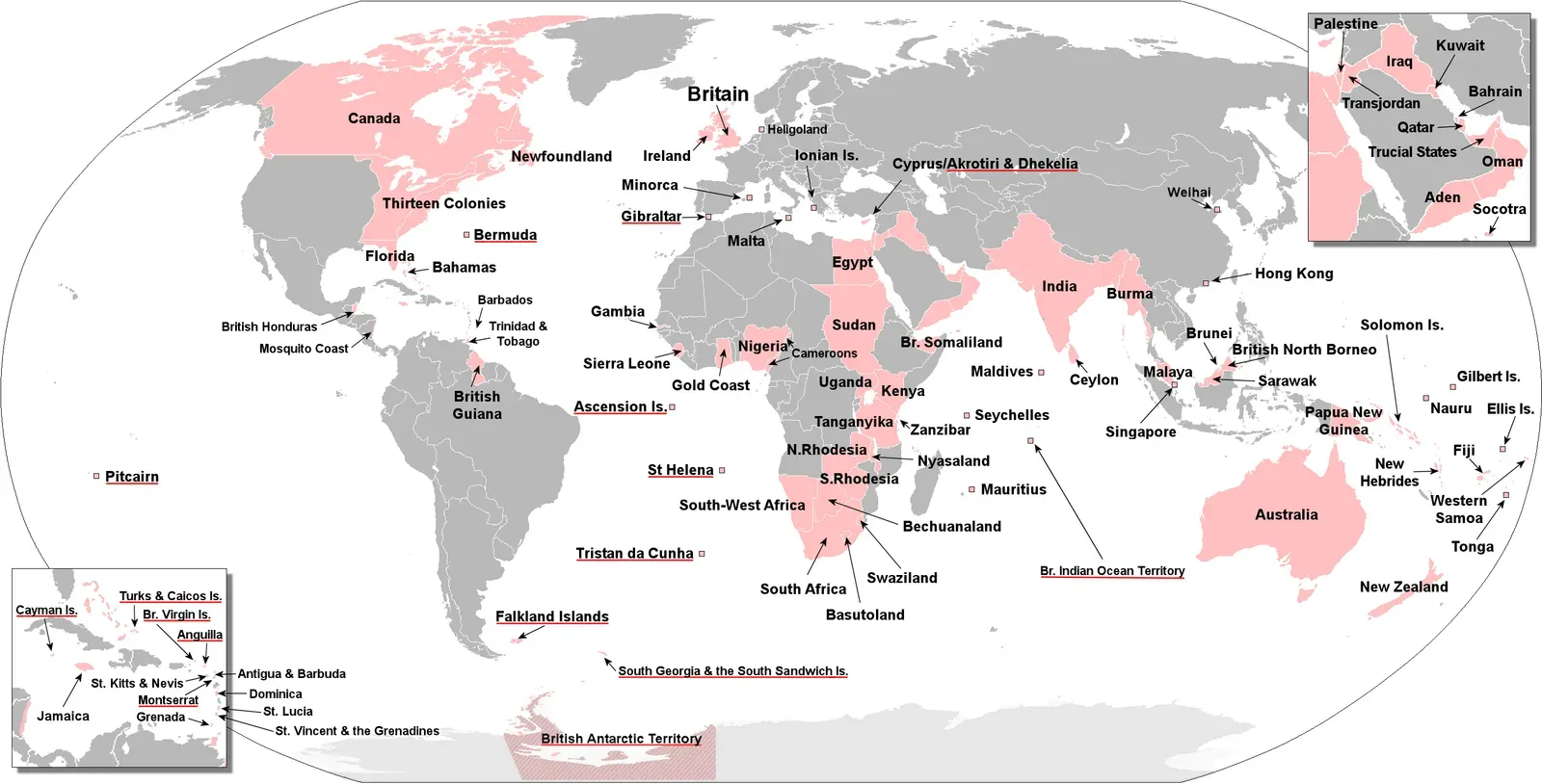
In 1940 the British Empire contained a quarter of the world’s population and a fifth of its landmass, an achievement that seems almost impossible to comprehend today. Yet within barely a generation, it had dissolved. After the Second World War, the disintegration of Britain’s empire transformed global politics, as colonies were an expensive liability for Clement Attlee’s newly elected Labour government by 1945.
Here’s the thing: the war shattered Britain’s mystique. Britain’s worst defeats at the hands of the Axis Powers came in East Asia, where Japan conquered many British territories, with perhaps the worst defeat at Singapore, which was supposed to be an impregnable fortress, resulting in 80,000 British, Indian, and Australian prisoners being captured. That humiliation destroyed any lingering belief in British invincibility among colonized peoples.
The main reason why the British abandoned most of their colonies was because they could no longer pay for them. The Second World War had bankrupted Britain. India became independent in 1947, and Ghana became Britain’s first African colony to reach independence in 1957, with by 1967 more than 20 British territories becoming independent. Between 1945 and 1965, the number of people under British rule outside the UK itself fell from 700 million to 5 million.
The Ottoman Empire: A Disastrous Gamble on World War I

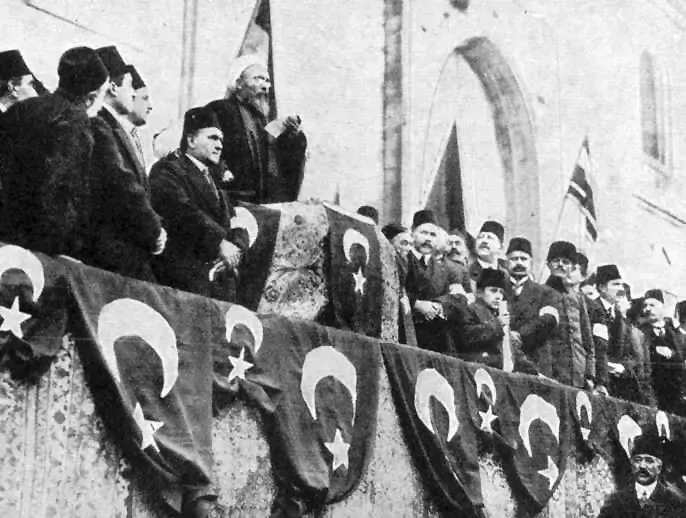
The Ottoman Empire had signed a secret treaty with Germany, and in the conflict that followed, the empire’s army fought a brutal campaign on the Gallipoli peninsula, ultimately losing nearly half a million soldiers, most of them to disease, plus about 3.8 million more who were injured or became ill. What a catastrophic miscalculation that alliance turned out to be.
Between 1911 and 1922, the Ottoman Empire suffered almost constantly from wars, experiencing humiliating and destructive losses at the hands of Italy and the Balkan states, costing the empire its remaining territories in Africa and most of Europe. Already weakened before the Great War, the Ottomans couldn’t withstand the pressure. Some historians believe that if it weren’t for its fateful role in World War I, the empire might have survived, as it had the potential to evolve into a modern multi-ethnic, multi-lingual federal state, but instead World War I triggered the empire’s disintegration.
The Ottoman Empire’s defeat in the war in 1918 was crucial in the eventual dissolution of the empire in 1922. The aftermath saw nationalist movements tear apart what remained, culminating in the establishment of modern Turkey from the ashes.
The Spanish Empire: Inflation and Military Overreach

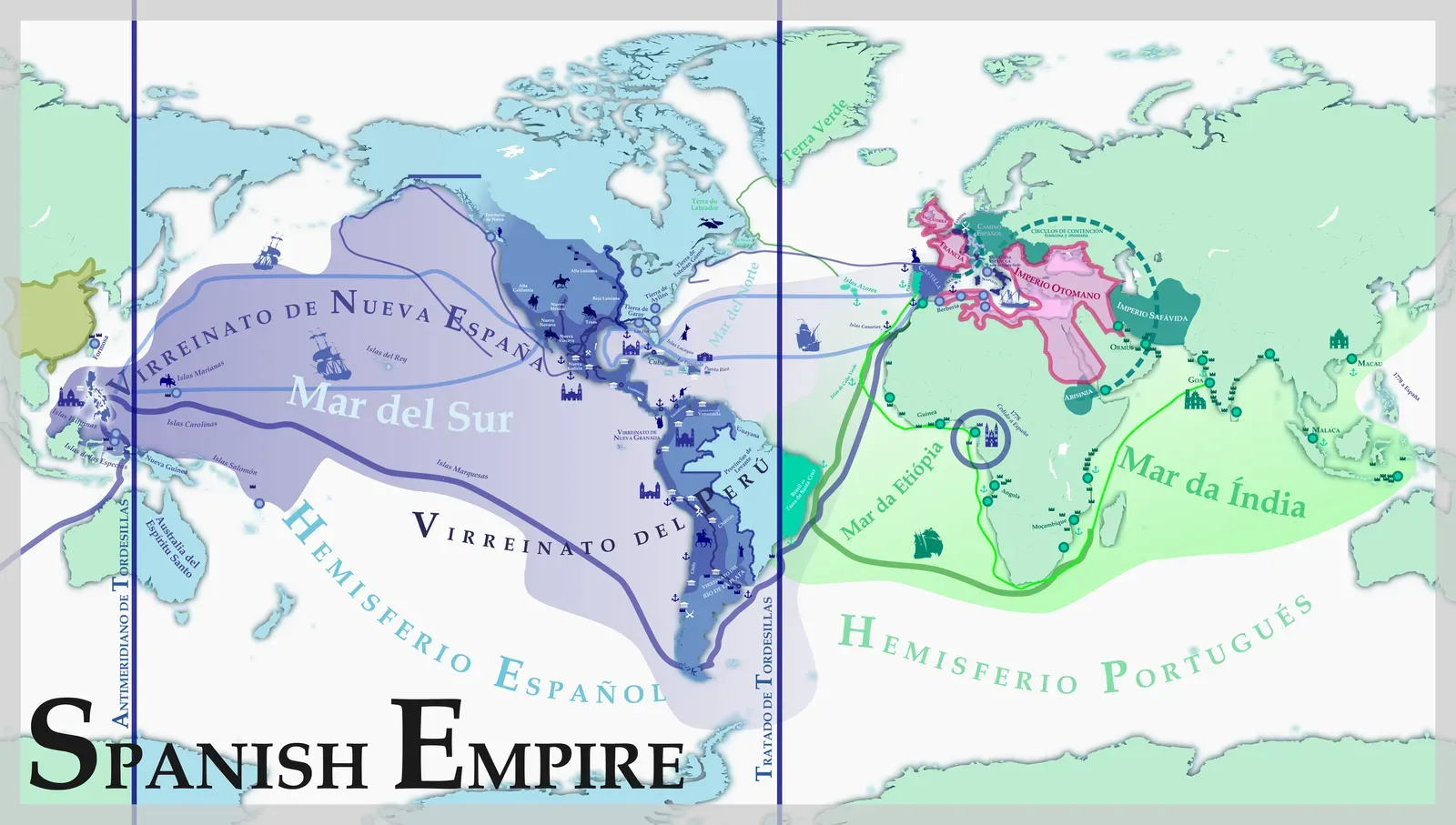
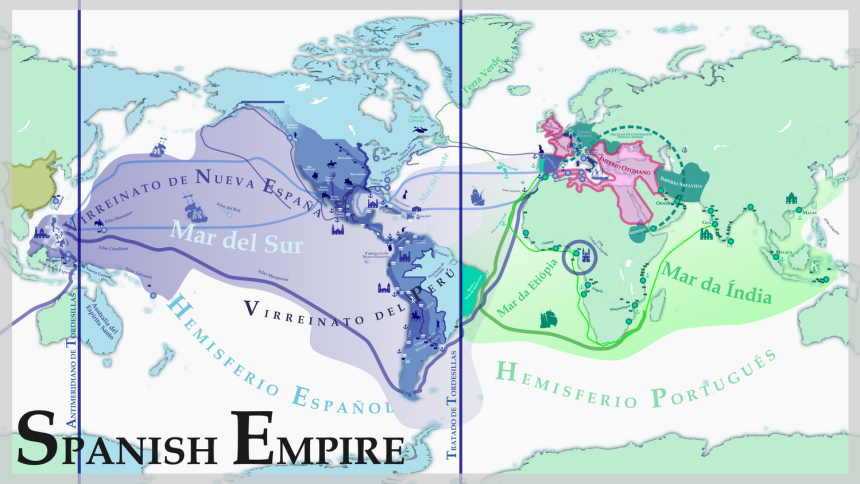
Let’s be real: the Spanish Empire’s downfall is a cautionary tale about what happens when you depend entirely on plundered wealth. Spain controlled vast territories across the Americas, extracting enormous quantities of gold and silver. Yet all that wealth paradoxically weakened them through massive inflation that destroyed their economy from within.
Military overextension drained Spanish coffers faster than treasure fleets could replenish them. Spain fought nearly constant wars across Europe, trying to maintain Catholic dominance and Habsburg power. The costs proved unsustainable. Failed military campaigns, particularly the disastrous Spanish Armada against England and the lengthy Dutch War of Independence, bled Spain dry.
The empire’s decline accelerated through the seventeenth and eighteenth centuries as rival powers grabbed Spanish territories. Colonial rebellions in the early nineteenth century shattered what remained. Spain’s American colonies, inspired by Enlightenment ideas and American independence, broke free one after another, leaving Spain a shadow of its former glory.
Why All Empires Eventually Crumble


Empires decline for a variety of reasons, including economic hardships, external pressures, internal degeneration, and frequently poor resource and governance management. There’s no single cause, no magic formula for predicting when the collapse will come. Every empire thinks it’s different, that it will be the exception, yet history proves otherwise.
Every great empire collapses, a truth that should make modern superpowers pause and reflect. The forces of deterioration are multifaceted and interconnected. Economic strain weakens military power, which invites external threats. Internal divisions prevent coordinated responses to crisis. Overexpansion stretches resources beyond breaking point.
Looking at these patterns across millennia reveals uncomfortable truths about power and permanence. The Mongols couldn’t maintain control over such vast, diverse territories. Rome couldn’t adapt to climate change and plague. Britain couldn’t afford its empire after World War II devastated its economy. The cycle continues, empires rising and falling with remarkable consistency, each convinced of its own exceptionalism until the moment of collapse arrives.
What can we learn from these fallen giants? Perhaps that no power structure, however mighty, is immune to the forces of change. Did these empires seal their own fates, or were they doomed by forces beyond their control?


