


There’s something magnetic about lost cities. They hold that perfect mix of mystery and possibility, that whisper of what once was and what might still be hidden. These aren’t just ruins or forgotten settlements. These are places wrapped in legends so thick you can barely see the truth underneath.
Think about it. We live in an age where satellite technology can spot a coin from space, yet entire civilizations supposedly vanished without leaving a trace anyone can definitively prove. Some were found, yes. Others remain frustratingly out of reach, existing only in ancient texts and fevered imaginations. The line between myth and reality gets blurry when you’re talking about cities that may or may not have held treasures beyond measure, or possessed knowledge we’ve lost forever.
So here’s the question that keeps archaeologists up at night and sends explorers into the most inhospitable places on Earth: Were these legendary cities real? Let’s dive in.
Atlantis: The Mother of All Lost City Legends

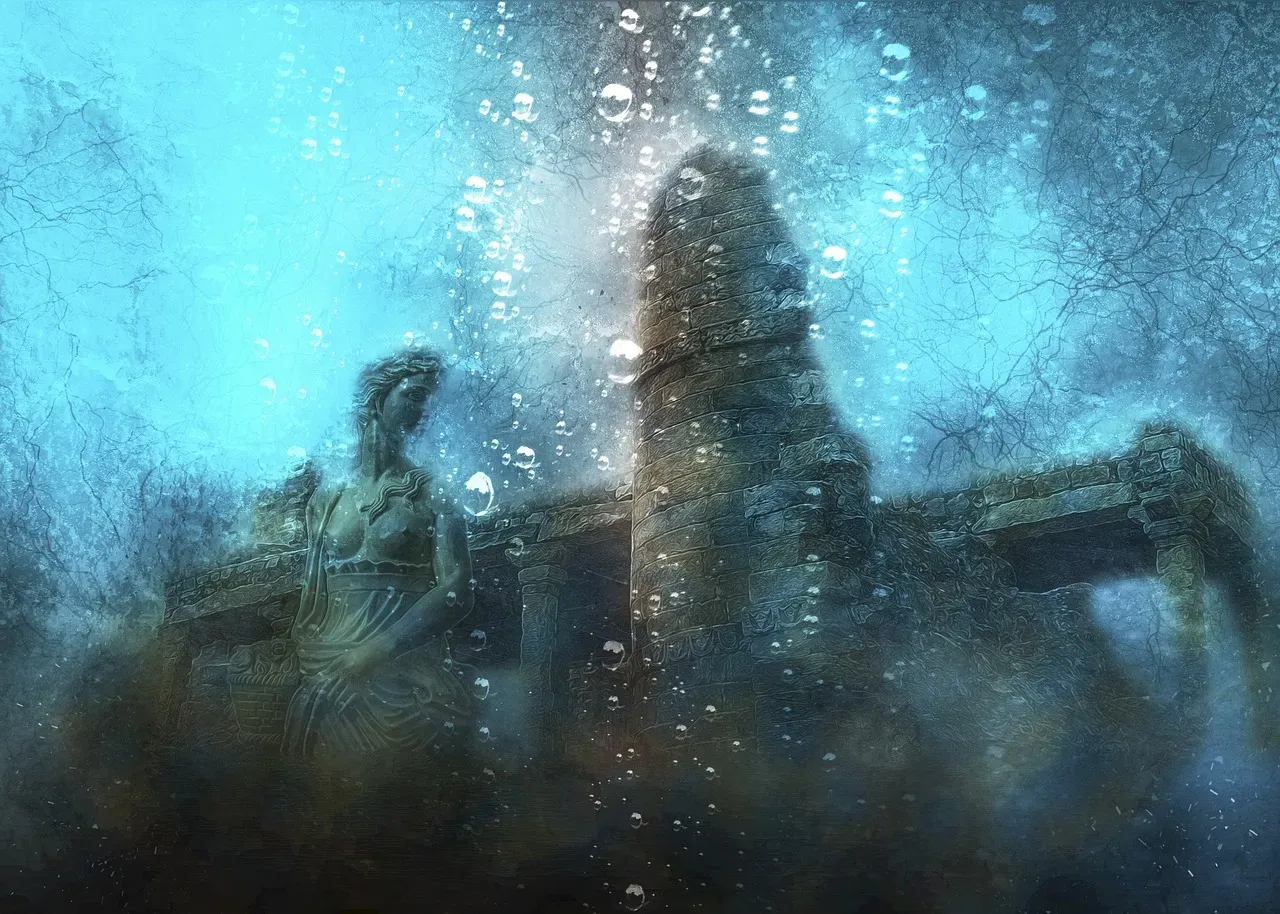
Atlantis comes from the writings of Greek philosopher Plato around 360 BC, who described a powerful island civilization located beyond the Pillars of Hercules (modern-day Strait of Gibraltar) with glorious architecture, advanced technology, and a strong military. According to Plato’s dialogues, this great civilization was ultimately destroyed in a cataclysmic event after societal moral decay and it sank into the ocean around 9,600 BC.
Here’s where it gets interesting. No written records of Atlantis exist outside of Plato’s dialogues, including in any of the numerous other texts that survive from ancient Greece, and despite modern advances in oceanography and ocean-floor mapping, no trace of such a sunken civilization has ever been found. Most scholars lean toward the idea that Plato invented the whole thing as a cautionary tale about hubris.
Yet the legend refuses to die. In 2018, a private search company used satellite data and discovered ruins of ancient temples and circular foundations off the coast of Doñana National Park in Spain that may have once been towers, with the discovery’s location tying it to Atlantis. Over the past eight years, one team conducted extensive research along the coastline near Cádiz employing sonar and LiDAR technology, uncovering long, intersecting linear structures forming enormous concentric circular walls standing over six meters high. Still, nothing conclusive.
One of the most widely accepted theories links Atlantis to the Minoan civilization on Crete and the volcanic island of Thera (modern Santorini), where the eruption around 1600 BC caused massive destruction, including tsunamis that may have devastated coastal settlements. Maybe Plato heard distorted echoes of real disasters and wove them into his philosophical tale.
El Dorado: When Gold Fever Became a Death Sentence

When Spanish explorers reached South America in the early 16th century, they heard stories about a tribe of natives high in the Andes mountains in present-day Colombia, where a new chieftain’s rule began with a ceremony at Lake Guatavita in which the ruler was covered with gold dust, and gold and precious jewels were thrown into the lake to appease a god that lived underwater. The Spaniards started calling this golden chief Eldorado, “the gilded one”.
But here’s how legends spiral out of control. The legend transformed from a gold-covered king into an entire lost city glistening with untold riches, luring generations of conquistadors into the depths of jungles, over mountains, and across rivers, many never to return. Hundreds died searching for something that never existed as they imagined it.
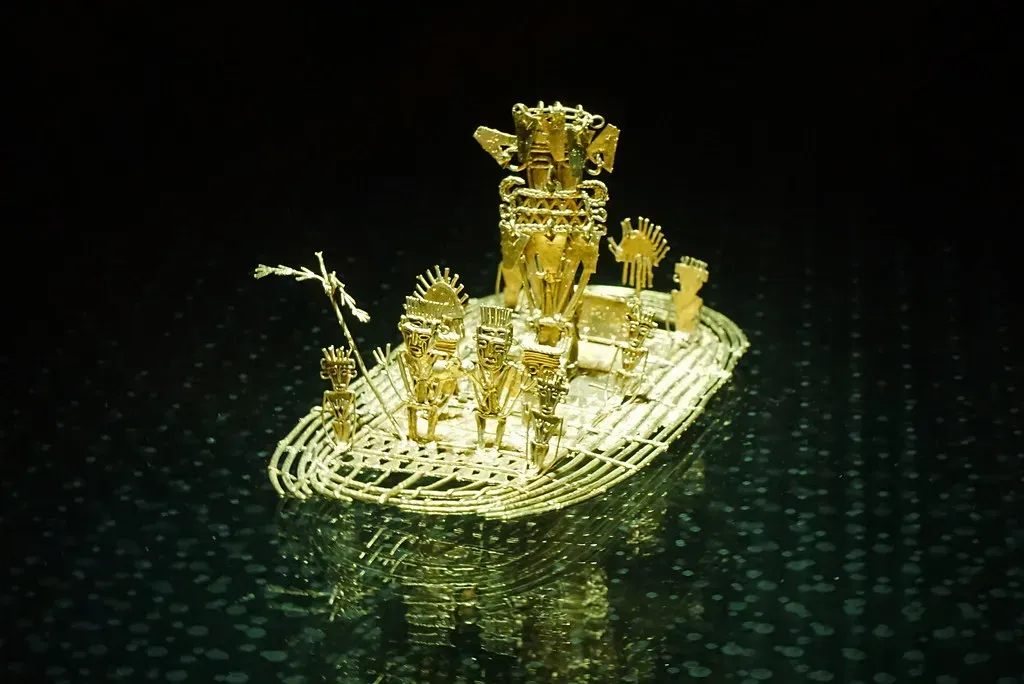
An archaeological find known as the Muisca raft, discovered in 1969 in a cave in the region of Pasca, has often been cited as evidence for the historicality of the El Dorado legend, depicting a man of high status, probably a chief, seated on a raft and surrounded by attendants. Excavations at Lake Guatavita confirmed that the Muisca had conducted ritual offerings there, and divers recovered hundreds of gold artefacts from the lake bed.
The brutal truth? Archaeologists have found no evidence of gold-paved streets or buildings made of precious metals anywhere in South America, with the physical evidence suggesting modest ritual use of gold rather than extravagant wealth. Estimates suggest the lake could contain up to $300 million in gold, but all searches came to a halt when the Colombian government declared the lake a protected area in 1965. The city of gold was never a city at all.
Partner offer

Troy: When Homer Got It Right All Along


Not all lost cities stay lost forever. Some historians believed Troy was simply a figment of Homer’s imagination, until an amateur archaeologist in the 1860s called Frank Calvert suggested he’d found the ancient city in a 32-foot mound in modern-day Çanakkale, Turkey, with celebrity archaeologist Heinrich Schliemann digging at the site and finding the remains of a citadel and a stash of fancy gold jewellery.
The deeper Schliemann dug, the more layers he found: the lowest layer of Troy dates back to the Early Bronze Age in 3000 BC. Research continues today, led by Turkish archaeologists, with a fabulous display at the Istanbul Archaeological Museum showcasing the many layers of this long-lost city.
Troy stands as proof that ancient texts shouldn’t be dismissed too quickly. Sometimes the poets and storytellers preserved more truth than we give them credit for.
Shambhala: The Hidden Kingdom Nobody Can Find


Shambhala is a spiritual kingdom in Tibetan Buddhist tradition. Shambhala is described as a land of paradise believed by some to be hidden within Himalayan mountains, with the legend said to date back thousands of years, and reference to the mythical land can be found in various ancient texts.
The thing about Shambhala? While many have reported being there, no one has yet provided any evidence of its existence or been able to pinpoint its physical location on a map. Most references place Shambhala in the mountainous regions of Eurasia, with modern Buddhist scholars seeming to conclude that Shambhala is located in the higher reaches of the Himalayas in what is now called the Dhauladhar Mountains around Mcleodganj.
The prospect of finding a supernatural realm of powerful gods and endless knowledge tickled the fancies of both the Nazis and Soviets, with Hitler’s fascination with the occult prompting Heinrich Himmler to create a special task force called the Bureau of Ancestral Heritage, which even funded an expedition to Tibet to search for Shambhala. However, no expedition has found any trace, including archaeological evidence.
For some, the fact that Shambhala has never been found has a very simple explanation: many believe that Shambhala lies on the very edge of physical reality, as a bridge connecting this world to one beyond it. Maybe that’s the point. Maybe some places aren’t meant to be found with satellites and excavation equipment.
Valeriana: The Mayan City Found By Accident in 2024

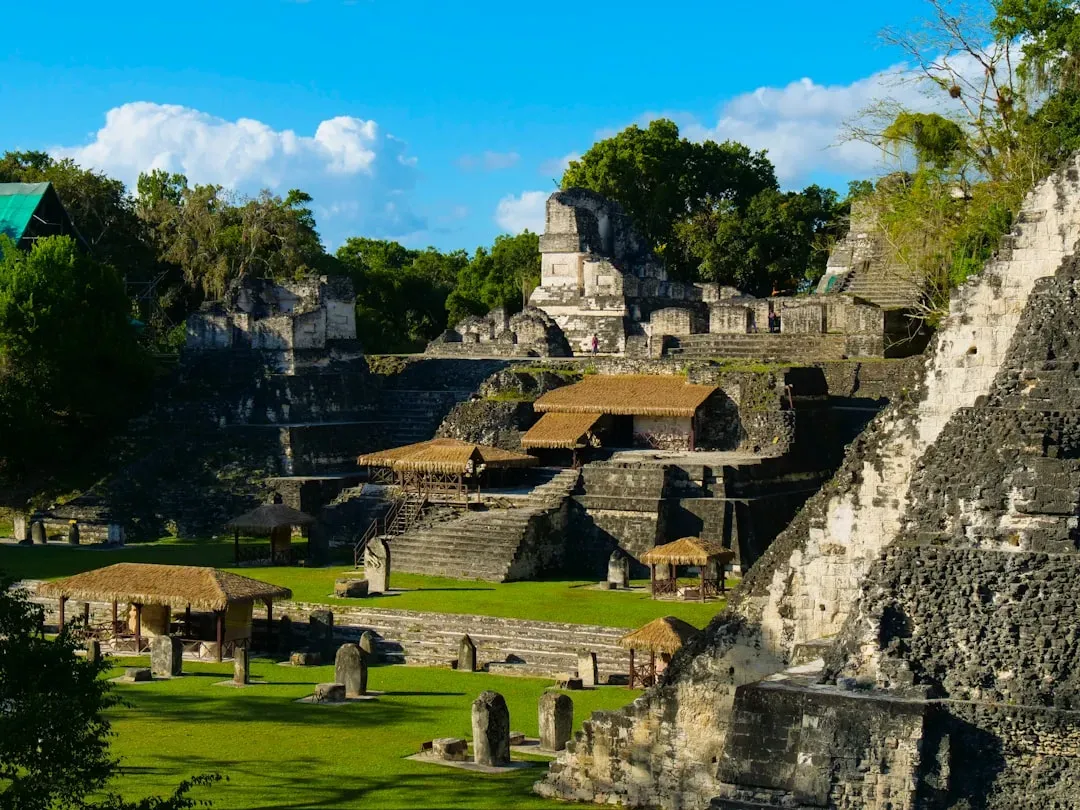
Sometimes the best discoveries happen when you’re not even looking. Scans were originally obtained using advanced Lidar technology, in which thousands of laser pulses are sent from a drone, penetrating the jungle’s canopy to gather data, with a PhD candidate at Tulane University manipulating them to eliminate the trees and render a topographical map of the forest floor, revealing interruptions that may be attributed to buried buildings and artifacts, and to his astonishment, the renderings revealed clearly outlined buildings and temples, indicating the presence of an ancient Mayan city below the soil.
Upon closer examination, over 6,000 separate buildings were identified as making up this advanced city, which archaeologists have now designated Valeriana. This city provides further evidence of the astounding advancements of the Mayan civilization, with the sheer size of this newly discovered city inferring that the Mayans maintained intricate and prosperous infrastructure in their cities.
This discovery, made accidentally in a region people thought they knew well, proves something crucial. There are still major cities out there waiting to be found. Technology is finally catching up to the legends.
Partner offer
Planning a trip to Vegas?
Compare hotel rates and show tickets on VEGAS.com.


