


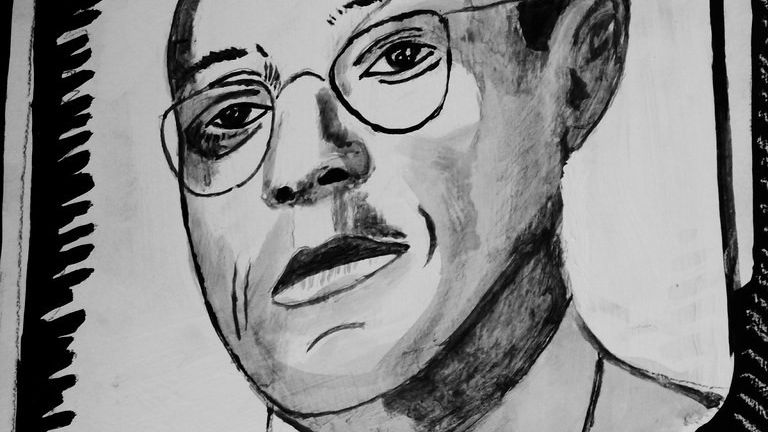
Television has always needed its monsters. Not just the cartoonishly evil kind, but the ones who sit across the dinner table from you, smile warmly, and still manage to make your skin crawl. The villains who have genuinely shaped the medium are rarely the loudest in the room. They’re the ones you keep thinking about long after the credits roll.
Critics, psychologists, and scholars of narrative have spent considerable time dissecting what separates a memorable TV antagonist from a forgettable one. The answer keeps coming back to the same thing: complexity. The greatest villains reflect something real about power, ambition, fear, and human nature, and the best writers have always known it. Here are the characters who consistently rise to the top when people who genuinely study this stuff weigh in.
Tony Soprano – The Sopranos

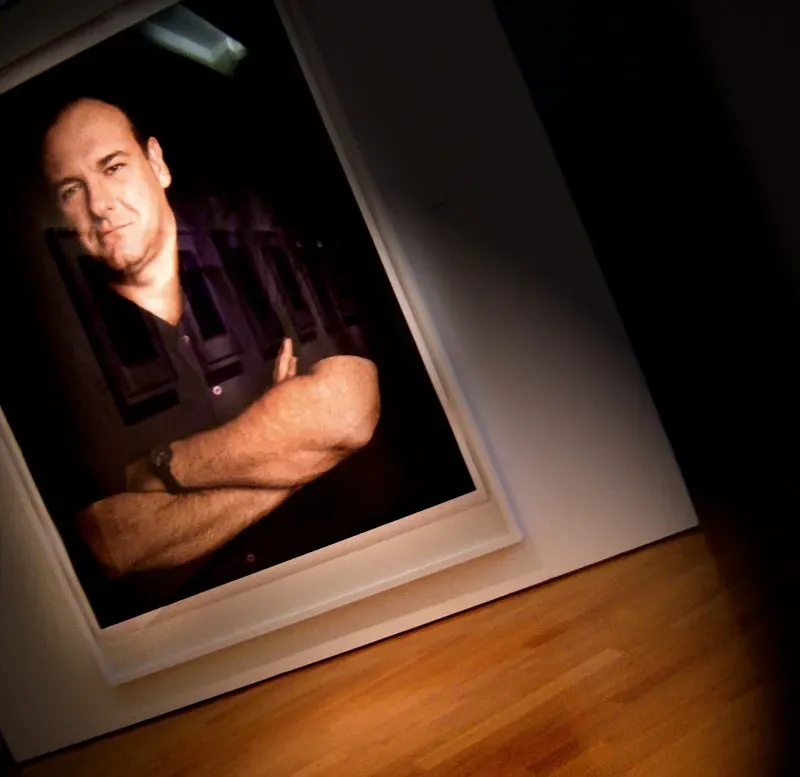
Tony Soprano isn’t just the greatest TV villain. He is the blueprint. Before Tony, television protagonists were largely heroic or clearly moral. The Sopranos introduced the concept of the antihero to TV storytelling and proved that it can be much more compelling to watch a bad person’s mundane everyday life than a good person’s.
Tony Soprano’s character arc represents a study in stasis, a man unable or unwilling to change despite years of therapy and moments of self-reflection. David Chase’s masterwork suggests that people fundamentally remain who they are, with Tony’s moments of growth ultimately revealing themselves as temporary departures from his true nature. The Sopranos’ influence can be seen in virtually every premium drama that followed, establishing the template for morally complex serialized storytelling.
Walter White – Breaking Bad

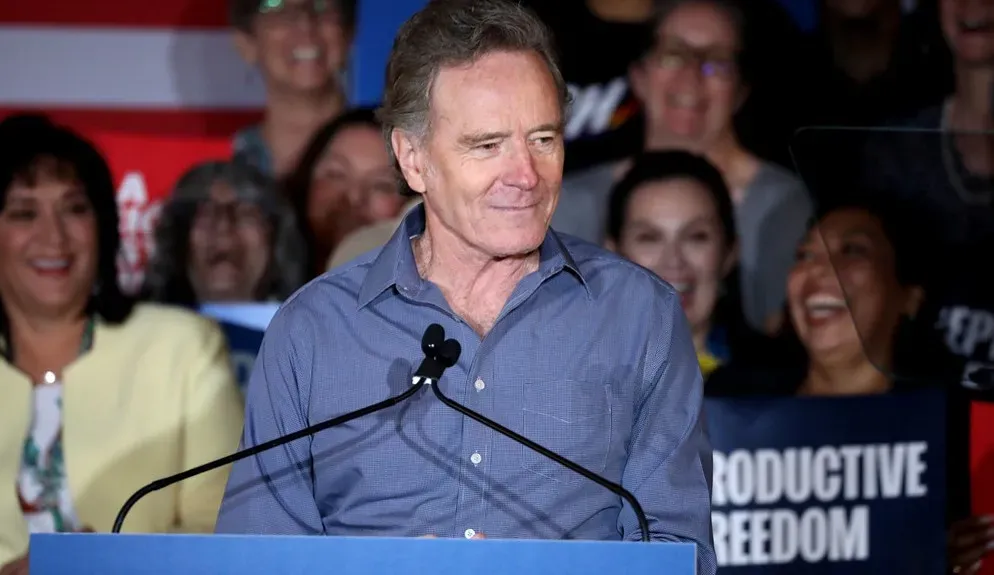
Walter White is more like a case study of how someone can so effortlessly transform from being a hero into the ultimate villain by the end of the show. Audiences started the series pitying the chemistry teacher with lung cancer and ended it terrified of the ego-driven kingpin who poisoned a child just to win a chess match against Gus Fring.
Bryan Cranston delivers one of the best acting performances the world has ever seen, regardless of the medium, making Walter’s arc toward full-on villainy powerfully slow and complex. Many of his actions often lie in a morally gray area, and those that are inexcusably despicable gradually contribute to his inevitable turn to the dark side. Breaking Bad examines how the pursuit of the American Dream can corrupt and destroy a seemingly moral man.
Gustavo Fring – Breaking Bad

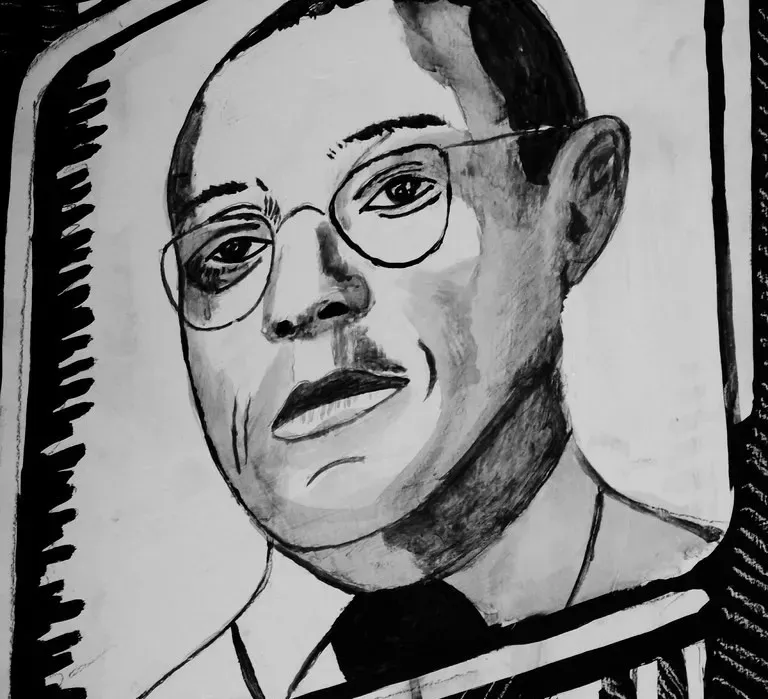
With his dual life as a meticulous business owner and a merciless drug lord, Gus Fring is a chilling combination of civility and menace. What makes him especially compelling to analysts is how completely he sustains both identities, neither leaking into the other until the very end. Gus Fring is one of Breaking Bad’s most complicated characters, but for very different reasons than Walter White. By day, he appears to be an astute businessman, calm and reserved. It’s just a mask to cover up his life as a drug kingpin.
Gus Fring’s whole operation in season four is so all-encompassing that it even expanded into Better Call Saul. Scholars of narrative structure often point to him as a rare example of a villain whose sense of control is itself the source of dread. He’s terrifying precisely because he seems so reasonable, right up until the moment he isn’t.
Cersei Lannister – Game of Thrones


Maintaining image is central to Cersei Lannister’s personality. Fueled by a desire to remain the wealthiest, most powerful, and indisputably relevant figure in Westeros, Cersei goes to great lengths to orchestrate and maintain her status. At her best, she is incredibly self-aware, realizing that alongside ineffectual leaders, her presence demands intimidation and reveals the weaknesses of others. Quite tactfully and steadily, Cersei uses people’s fear response to control them.
Cersei Lannister’s character arc in Game of Thrones is defined by her unrelenting quest for power, which leads to growing paranoia and tragic decisions. Her ruthless determination to hold onto power at any cost ultimately leads to her downfall. Her complex and memorable character has solidified her place as one of the most compelling villains in modern television and literature.
Joffrey Baratheon – Game of Thrones

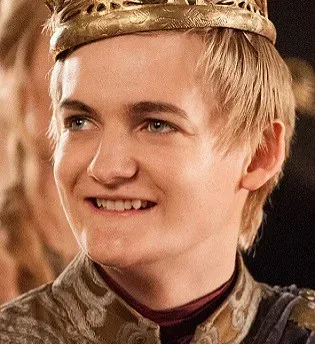
Joffrey Baratheon is not merely a singular villain but a manifestation of the toxic nature of power and privilege. Raised in the opulent environment of the Red Keep, his persona is shaped by an environment devoid of accountability and tempered by indulgence. There are several reasons that may contribute to people’s general dislike of Joffrey, including his self-importance, his cruel streak, his tendency to hide behind others when the going gets tough, and his tendency to believe that he is the one making the decisions. Joffrey’s behaviour borders on the psychopathic at times.
Partner offer

Understanding Joffrey is not merely an exercise in character study; it sheds light on broader societal implications regarding the nature of power and governance. In examining Joffrey Baratheon, several key findings emerge, chief among them a complex interplay of power, cruelty, and insecurity. His character reveals not just a tyrant, but a deeply flawed individual shaped by his environment.
Hannibal Lecter – Hannibal

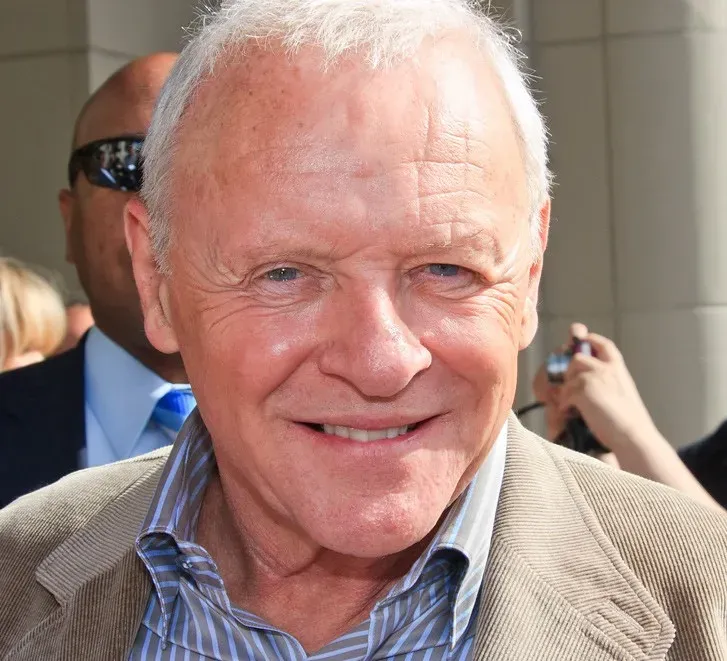
Hannibal Lecter is one of the most intelligent villains to ever exist. Not only is he charming and easy to get along with, but he also has an extremely skewed set of morals that unveil how terrifying he truly is. He constantly pushes boundaries to see how much he can get away with, purely for his own amusement and self-gratification.
Hannibal, originally broadcast on NBC, is a take on author Thomas Harris’ infamous character and his relationship with FBI special investigator Will Graham. Will appears to be the only person in the world who has ever truly understood Hannibal, and surprisingly sympathizes with psychopathic serial killers despite what his career path would suggest. The NBC series proved that a villain this refined and articulate could carry an entire prestige drama on his back without a single concession to conventional morality.
Villanelle – Killing Eve

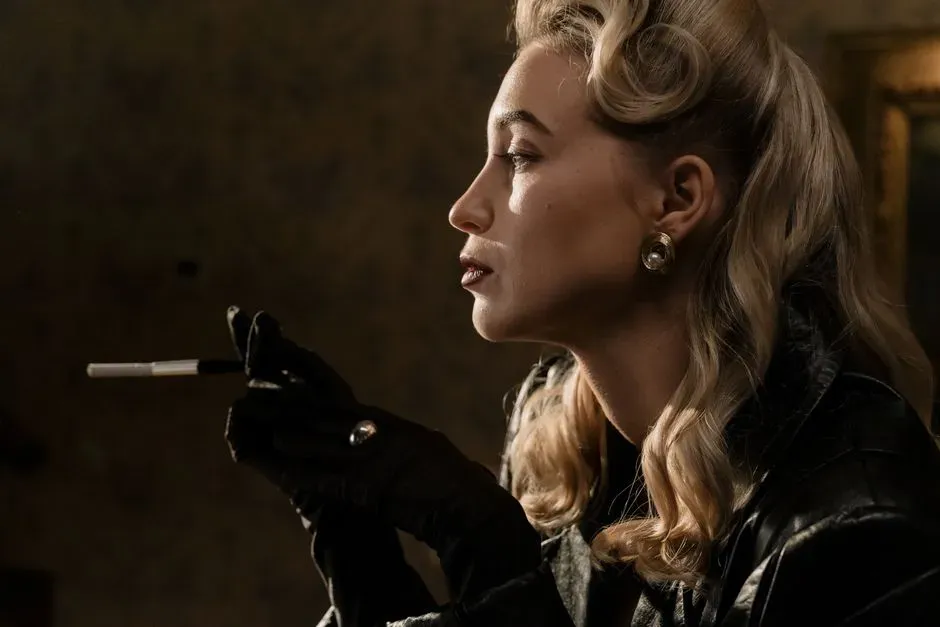
Jodie Comer’s Villanelle is one of the most memorable breakout television characters of recent years, a ruthless, violent killer with incredible fashion sense, a quick wit, and a dedication to her craft rivaled only by other darkly famous names like Hannibal Lecter. The show revels in using her character to subvert expectations about what female villains are allowed to be and do, as well as how viewers are meant to feel about them.
Villanelle started off as a cold-hearted psychopath, but fans quickly fell in love with her. This is because, despite her callousness, she always found ways to find humor in darker moments. She’s a lot more complex than other villains, as she’s shown that she’s capable of caring for those she’s loved, and having some remorse for her actions. That tension between warmth and violence is exactly what makes her so difficult to look away from.
Lalo Salamanca – Better Call Saul

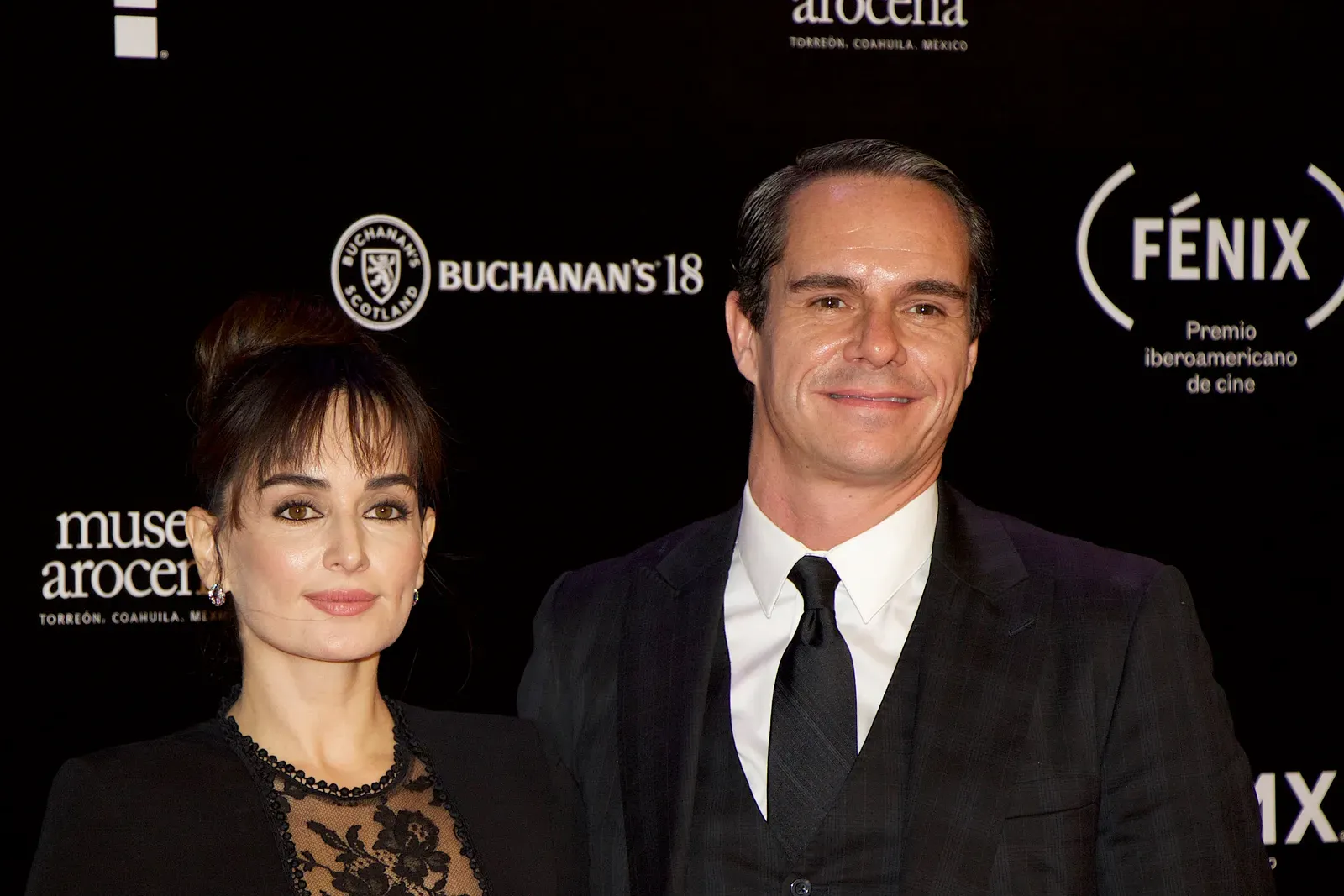
Better Call Saul turned a throwaway line from Breaking Bad about a guy named Lalo into one of TV’s greatest villains. Lalo Salamanca became the big bad of the spinoff’s second half, and he’s a mesmerizing presence whenever he shows up. He’s a hardened killer with the cunning intellect to stay one step ahead of his gangland rivals. Tony Dalton has a strange charm about him that makes Lalo’s cold-blooded actions even more shocking.
What narrative scholars note about Lalo is how efficiently he was constructed. He arrives late in the story, has limited screen time relative to the main cast, and still manages to become genuinely frightening. That’s harder to achieve than it looks. His unpredictability keeps every scene he’s in slightly off-balance, which is precisely where great villains tend to do their best work.
Lorne Malvo – Fargo

What made Malvo unique was his almost academic interest in human nature’s darker aspects. He genuinely seemed to enjoy studying how people reacted under pressure, treating real lives like laboratory experiments. His cat-and-mouse game with Deputy Molly Solverson was fascinating because she was one of the few people who could see through his manipulation.
The way he could blend into any environment while maintaining his predatory nature made him feel genuinely dangerous. Malvo represented the idea that some people are simply born wrong, and no amount of civilization can change their fundamental nature. He was evil in its purest form, wrapped up in folksy wisdom and delivered with a smile. For a single-season appearance, that kind of cultural imprint is remarkable by any measure.
The Television Villain as Mirror


TV villains are as important as heroes in the creation of a compelling show. When it comes to depicting a great rivalry or unpredictable conflict, villains often need to be every bit as intelligent or physically strong as their archenemy. Television is a great medium for villains, because they have so long to develop. The writers will have dozens, sometimes hundreds of episodes to really dig into these villainous characters and show audiences what makes them tick.
Television has always had heroes, but if the past two decades have proven anything, it is the villains we remember more. Whether you love to hate them or secretly find yourself rooting for their chaos and demons, you cannot deny that a great TV villain is what drives a masterpiece. The characters on this list endure not because they’re frightening, but because they’re recognizable. Every one of them holds up a mirror to something we’d rather not see too clearly in ourselves.
Partner offer
Planning a trip to Vegas?
Compare hotel rates and show tickets on VEGAS.com.


