The music industry has a long history of getting things spectacularly wrong. Executives who spent their careers listening to talent have turned away some of the most gifted performers ever to step in front of a microphone. What reads today as an almost unthinkable error was, at the time, just another pass on a demo that didn’t quite fit the mold.
These twelve stories are a reminder that rejection is not a verdict. For each of these artists, a closed door turned out to be the beginning of something far bigger than anyone who shut it could have imagined.
1. The Beatles – Told Guitar Music Was Dying

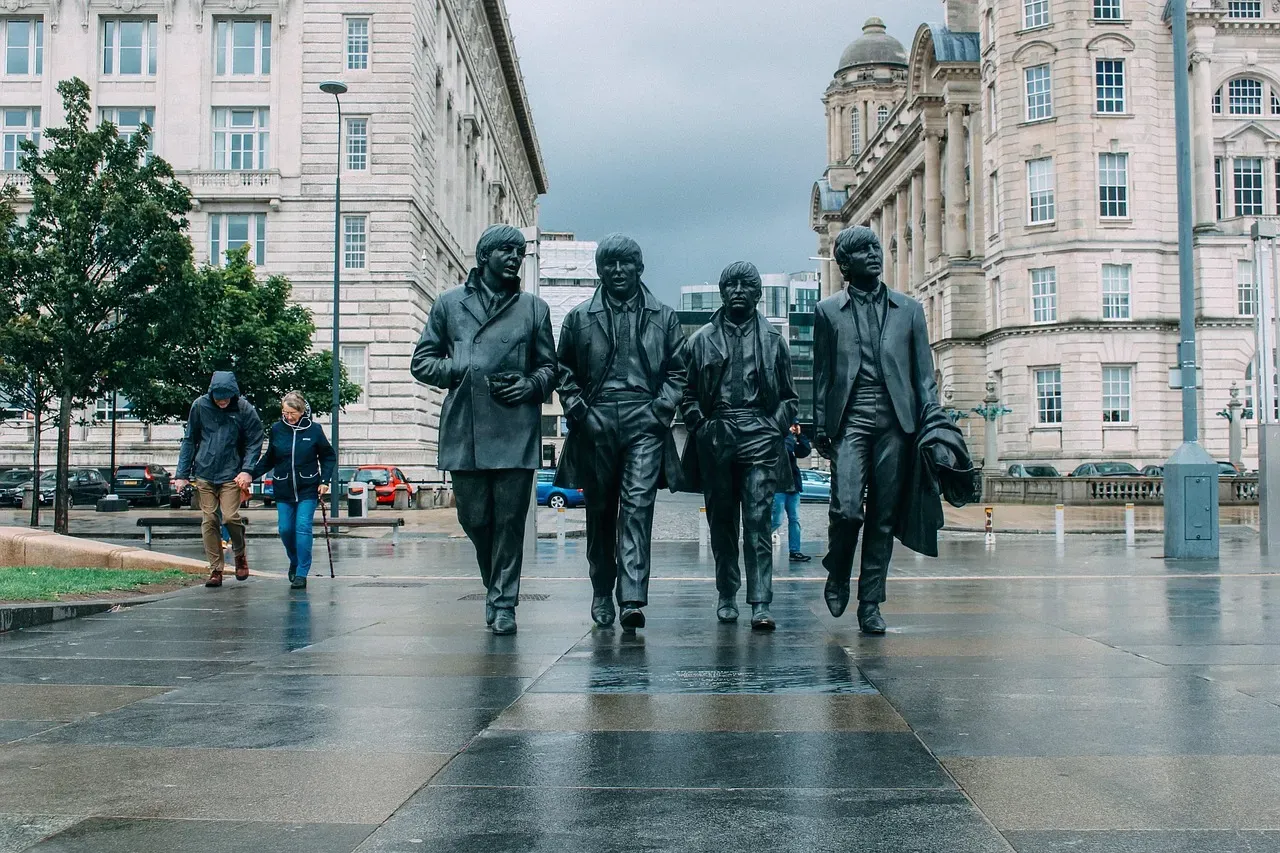
Few stories in music are as staggering as The Beatles’ rejection by Decca Records in 1962, when the label’s team told the band and their manager Brian Epstein that “guitar groups are on the way out.” The dismissal was confident, blunt, and wrong in a way that would define an era of music business mythology.
Even after being turned away, The Beatles never let go of their dreams, signing with EMI’s Parlophone label and recording “Love Me Do” later that year. They went on to hold the record for the most number-one hits on the Billboard Hot 100, with twenty chart-topping songs. Decca passed on all of it.
2. Elvis Presley – Told to Go Back to Driving Trucks

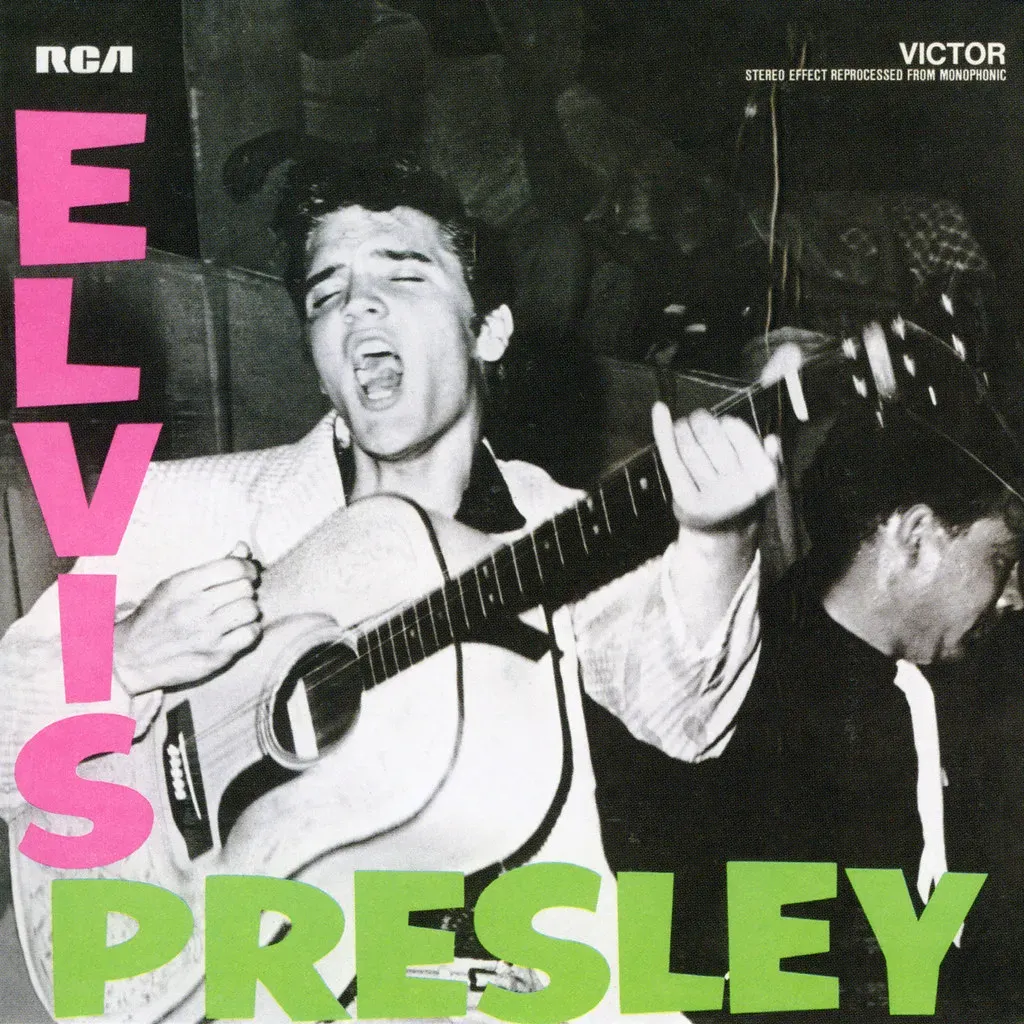
In October 1954, a young Elvis Presley performed his version of “Blue Moon of Kentucky” at the Grand Ole Opry, and the talent manager there allegedly told him he would be better off quitting music and continuing to drive trucks. It was the kind of remark that ends careers before they start.
Multiple labels also turned down the young singer from Mississippi, unable to understand his revolutionary blend of country, blues, and gospel music. They couldn’t imagine that this new sound would transform American popular music forever. Today, with over 600 million records sold worldwide, Elvis is one of the best-selling solo artists of all time.
3. Beyoncé – Lost on Star Search as a Child


At the age of nine, Beyoncé successfully auditioned to become the lead singer for the music group Girl’s Tyme, which two years later performed on the national television show Star Search. The group did not win, which prompted the girls to work intensely to improve their dancing and singing skills.
In 1992 the group lost on the Star Search television talent show, and three years later it was dropped from a recording contract before an album had been released. In 2023 she broke the record for most Grammy Awards won by an artist, with 32 wins over the course of her career. Two years later she topped that record with three more Grammys, bringing her total to 35.
4. Madonna – Turned Down by Countless Executives


Before becoming the Queen of Pop, Madonna heard “no” from countless record executives in New York City. Labels dismissed her vision, but her determination was unmatched. She worked tirelessly, performing in New York clubs and producing her own demos.
Her breakthrough came with her self-titled debut album, which launched her into pop superstardom. With over 300 million records sold and a reputation for constantly reinventing herself, Madonna’s influence extends far beyond music. The executives who passed on her did not exactly enhance their own legacies.
5. Jay-Z – Rejected by Every Major Label


Shawn Carter, better known as Jay-Z, couldn’t get a single record label to sign him in the early 1990s. Instead of giving up, he made a bold move that changed hip-hop history: he created his own label, Roc-A-Fella Records, to release his music independently.
This rejection forced Jay-Z to become not just an artist but also a businessman. He learned to control his own career and build an empire rather than waiting for someone else’s approval. Today, he’s one of the wealthiest musicians in the world, proving that rejection can sometimes be the best thing that happens to your career.
6. Eminem – Called Too Controversial to Sell

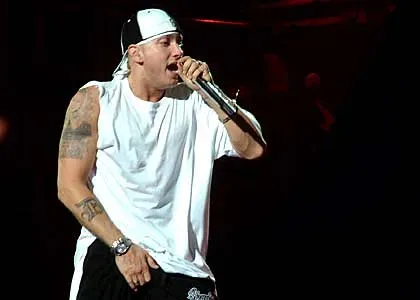
Eminem’s early demos were routinely rejected by record labels, with many executives saying his lyrics were too controversial and predicting he would never sell. The rap world of the 1990s had plenty of room for edge, but apparently not quite the kind Eminem was delivering.
Dr. Dre saw his potential and signed him to Aftermath Entertainment. What followed is well documented: a string of critically acclaimed and commercially massive albums that made Eminem one of the best-selling artists in music history. The labels that passed on him never quite lived that one down.
7. Lady Gaga – Dropped Before Releasing a Single Song


Getting signed to a major label should be a dream come true, but Lady Gaga’s experience with Def Jam Records turned into a nightmare. The label dropped her before she could release a single song, cutting her career short before it even started.
The executive who ran Def Jam at the time later admitted this was the biggest mistake of his entire professional life. He couldn’t recognize the innovative artist who would later win multiple Grammy Awards and sell millions of records worldwide. Gaga’s resilience after this devastating setback led her to create groundbreaking music that changed pop culture forever.
8. Katy Perry – Signed and Dropped Three Times


Before “I Kissed a Girl” made her famous, Katy Perry experienced crushing disappointment when three different record labels signed and then dropped her. Imagine getting your dream three times, only to have it snatched away before you could release music. These repeated rejections would have ended many careers, but Perry kept writing songs and performing. She refused to let the music industry’s fickleness destroy her confidence or her passion for creating pop music.
Her eventual massive success, including multiple number-one hits and sold-out world tours, proved that persistence through multiple setbacks can lead to extraordinary achievements. Three strikes, as it turned out, meant absolutely nothing.
9. Taylor Swift – Too Young for Nashville


Nashville record labels told teenage Taylor Swift she was too young and her songwriting wasn’t strong enough for a record deal. The country music capital didn’t believe a teenager could write songs that would connect with audiences across generations. Swift’s parents supported her dreams by moving to Nashville so she could pursue music full-time.
She continued writing songs and performing at local venues until Big Machine Records recognized her talent and took a chance. Her transformation into one of music’s biggest stars shows that age shouldn’t limit artistic ambition or determine someone’s readiness for success. The labels that dismissed her teenage songwriting eventually watched her redefine an entire era of pop music.
10. Ed Sheeran – Turned Away for His Looks


Ed Sheeran wasn’t always selling out stadiums around the world. According to the singer himself, his appearance and musical approach weren’t initially appealing to record labels. Sheeran even once played to an empty house. For most people, that would be the moment to reconsider everything.
Sheeran responded by focusing on what he could control: his songwriting and live performances. He built a massive following by playing small venues and sharing his music online, bypassing the traditional label system entirely. His success shows that talent and hard work can overcome superficial industry standards and create a devoted global fanbase. After his independent EP peaked at number two on iTunes, he got a deal with Atlantic Records and went on to become one of the world’s best-selling artists.
11. Nina Simone – Rejected by a Prestigious Music School
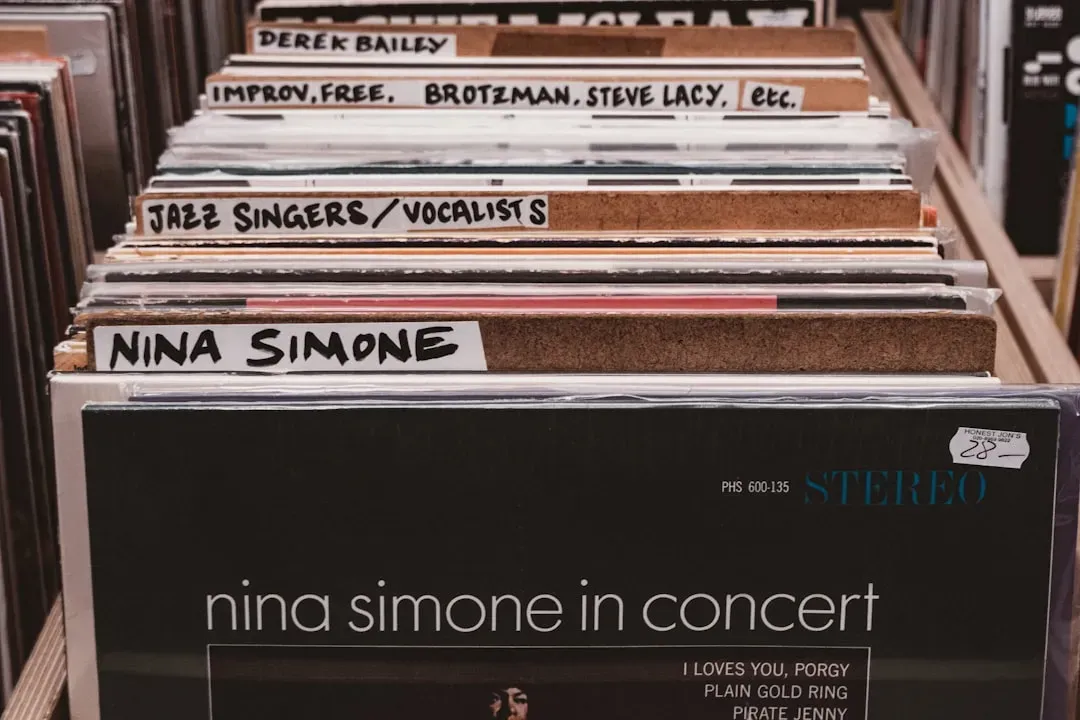
Before Nina Simone became the legendary singer and civil rights activist we know today, she was Eunice Waymon, an aspiring classical pianist. When she auditioned for the famous Curtis Institute of Music in 1951, she didn’t make the cut. This rejection was particularly crushing because her family had moved to Philadelphia in hopes of her getting accepted.
Undeterred, she took up a job playing in a nightclub and used that opportunity to reinvent herself as a jazz singer, taking up the stage name Nina Simone. Her fiery vocal delivery and emotionally intense protest songs elevated Simone to icon status. She is now remembered as one of the most influential musicians of the 20th century. A rejection letter from one institution quietly redirected one of the most powerful voices in American music history.
12. Kanye West – Seen Only as a Producer

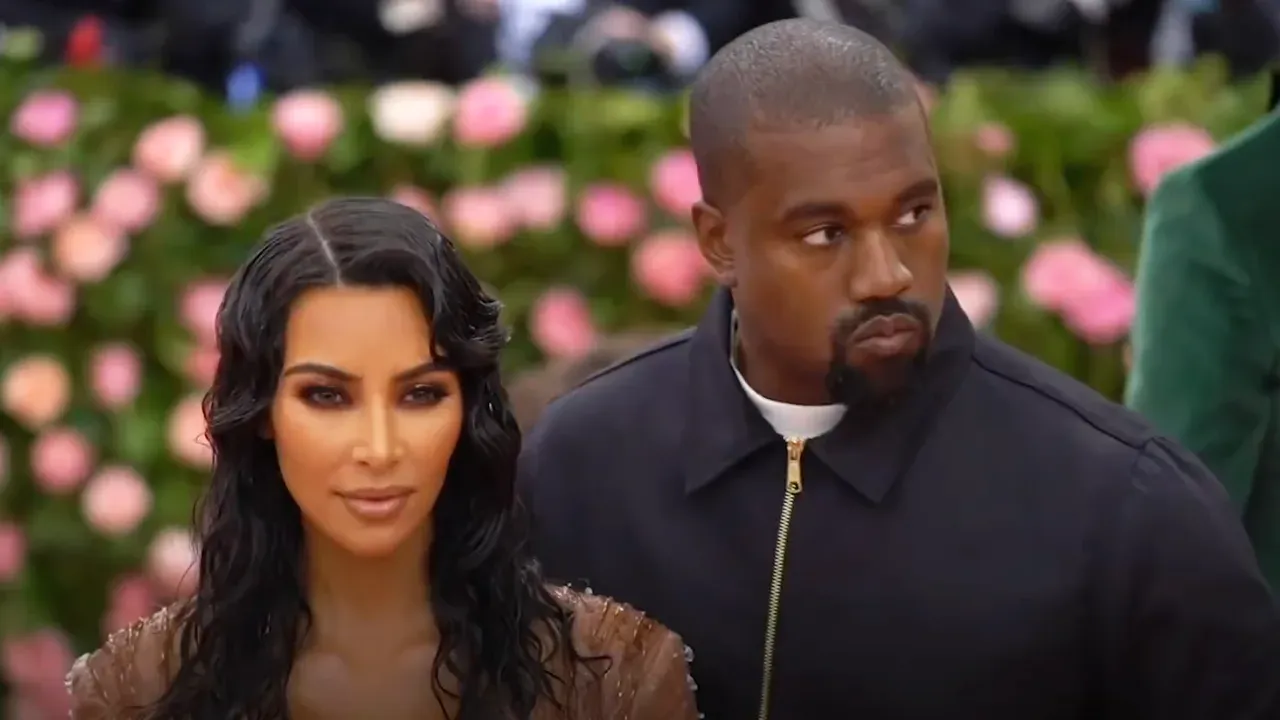
Kanye got his start as a producer, cooking up several hit songs and garnering acclaim for his work on Jay-Z’s landmark album “The Blueprint.” Despite his success in that role, he desired to take the stage as a rapper. Unfortunately, labels didn’t see his potential there and thought he’d be better off staying behind the boards.
After a harrowing car accident in 2002, Kanye was more inspired to pursue his dreams. His universally acclaimed debut album “The College Dropout” took the world by storm after he recovered. Kanye’s undying self-confidence took him from an obscure producer to an artist who now holds over 20 Grammy Awards. The people who told him to stay in his lane ended up watching him build an entirely new one.
What these twelve careers share is not just talent, but a specific kind of stubbornness. The rejection didn’t rewrite what they believed about themselves. Every single one of them kept going, and the music industry, whether it admits it or not, is better for it.