Most of us barely think about the electricity grid until the lights flicker. It sits quietly in the background, invisible and taken for granted, like plumbing or gravity. But right now, that quiet invisibility is starting to crack, and the warning signs are showing up in a place where everyone pays attention: your monthly power bill.
The connection between extreme heat, a stressed electrical grid, and your household finances is tighter than most people realize. We’re not talking about abstract climate projections here. We’re talking about what’s happening right now, what already happened in 2023 and 2024, and what it means for the bill landing in your inbox next month. Let’s dive in.
The Hottest Years on Record Just Happened Back-to-Back

Here’s where things get genuinely alarming. 2023 was the warmest year on record, and 2024 surpassed it. That’s not a minor uptick. That’s two consecutive record-breaking years, which scientists and energy experts say is no coincidence, and no fluke.
2024 showed especially high temperatures around population centres in major economies, particularly in China, the US and India. When heat concentrates around densely populated areas, it doesn’t just make people uncomfortable. It triggers an enormous, simultaneous surge in energy consumption that the grid wasn’t necessarily built to handle.
The frequency and intensity of heatwaves are increasing, causing extreme temperatures of up to 50°C in some regions, with multiple national temperature records broken during 2024. Think about that for a moment. Fifty degrees Celsius. That’s the kind of heat that doesn’t just raise air conditioning use; it overwhelms it entirely.
Global Electricity Demand Is Rising Faster Than Expected
Rising temperatures don’t just make things uncomfortable. They pull a massive amount of electricity out of the grid all at once. Extreme temperatures are pushing up electricity use to record levels and straining power grids around the world. In 2024, more than 40 countries representing nearly 70% of global electricity demand reached new power peak demand records during heatwaves, while many others suffered major power outages and rolling blackouts.
Had 2024 experienced the same temperature patterns as 2023, the overall electricity demand growth would have been only 3.3%, rather than the 4.0% observed. That difference might sound small on paper, but when you translate it into terawatt-hours across entire continents, it’s enormous. Grids are not rubber bands. They don’t stretch infinitely.
Air Conditioning Is the Hidden Engine of Grid Stress

Let’s be real about what’s actually driving this. Air conditioning has become the single biggest wildcard in electricity demand during summer months, and its footprint is growing fast. According to the IEA, air conditioning already accounts for nearly 10% of global electricity consumption, and cooling demand is expected to grow rapidly as temperatures rise.
According to Ember’s calculations, 37% of the increase in electricity demand in the US from April to September 2024, compared to the same period in 2023, was due to higher air cooling needs. That is a staggering share. More than a third of all additional electricity consumed during those months came down to one thing: keeping people cool. Cooling accounted for the entire year-on-year demand increase in the US in June 2024. The entire increase. In one month.
Every Degree of Warming Costs You More on Your Bill
Research published in Nature Climate Change shows that electricity demand can increase roughly 3 to 5% for every 1°C rise in temperature in many regions, simply due to cooling needs. It’s almost like a tax on warmth. The hotter it gets, the more you run that AC, and the more everyone else does too, which pushes wholesale electricity prices higher precisely when demand is at its peak.
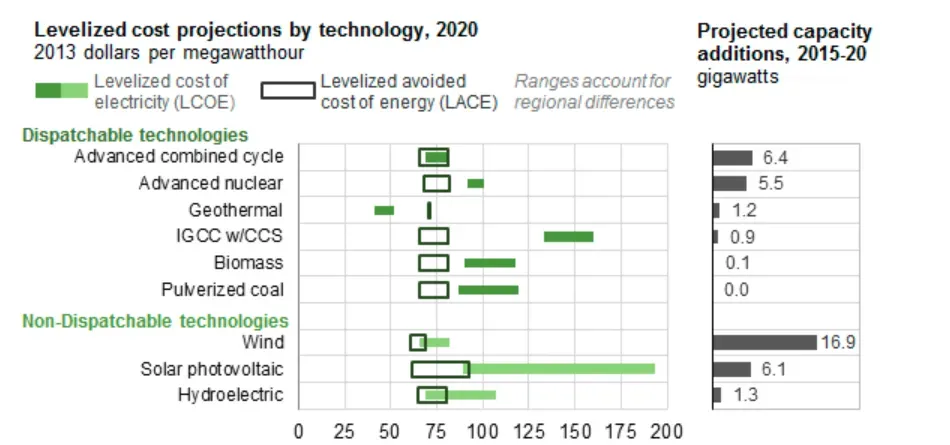
Residential electricity prices across the US will average 17 cents per kilowatt-hour in 2025, rising to 17.6 cents in 2026, compared to an average of 16 cents in 2023. That might look like a modest percentage increase, but applied across an entire summer of heavy air conditioning use, it adds up quickly. Consumers will be hit with another year of record high prices for home cooling, with the average cost of electricity projected to reach $784 for summer 2025, up from $737 the previous year, working out to roughly $196 a month across a four-month period.
NERC Is Warning of Elevated Blackout Risk Across Large Parts of the Country
This is the part that doesn’t make enough headlines, honestly. Well over half of North America faces a potential shortage of electricity supplies in the coming years, compounded by surging demand growth, accelerating generator retirements, and delays in resource development, according to NERC’s 2024 Long-Term Reliability Assessment. NERC is the North American Electric Reliability Corporation, and it doesn’t say things like this lightly.
According to NERC data, between 2024 and 2028, an alarming 300 million people across the United States could face power outages. Texas, California, the Southwest, New England, and much of the Midwest are among the states and regions most at risk of energy emergencies during extreme conditions. These are not fringe scenarios. They are the outcome of real, measurable trends in both supply and demand that have been building for years.
Retiring Power Plants Are Making the Problem Worse
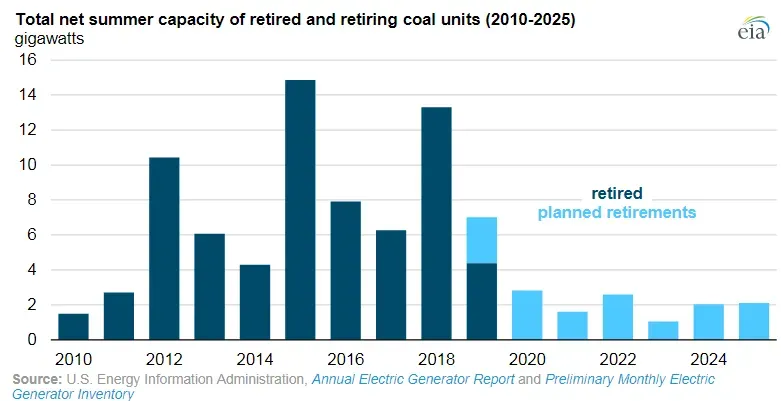
Here’s the other side of the equation that rarely gets enough attention. While demand is surging, supply is quietly eroding. Since September 2024, over 7.4 GW of installed, dispatchable generator capacity has retired or become inactive, reducing the energy system’s flexibility to respond to peak conditions, according to NERC. Dispatchable generation is the kind of power you can switch on when you need it most. Losing it is a serious problem.
NERC projects a 10 GW increase in peak electricity demand between 2024 and 2025, more than double the increase from 2023 to 2024. So demand is accelerating while available generation is shrinking. Simply put, the infrastructure is not being built fast enough to keep up with the rising demand, as NERC’s own director of Reliability Assessments has acknowledged. That gap is where blackouts live.
Extreme Weather Now Costs the US Economy Over $160 Billion Per Year

The financial damage from extreme heat extends far beyond your power bill. The combined effects of extreme heat cost the US nation over $162 billion in 2024, equivalent to nearly 1% of the US GDP. That is a jaw-dropping figure, and it reflects damage to infrastructure, healthcare systems, agriculture, and economic productivity all at once.
An unprecedented number of billion-dollar disasters, 28 in total, struck the US in 2023, as the remarkably warm year wrapped up with a record-warm December. The total cost for these 28 disasters was $92.9 billion. The most expensive single disaster of 2023 was a drought and heatwave affecting much of the South and Midwest, racking up $14.5 billion in damage, a sobering reminder that heat isn’t just a comfort problem. It is an economic catastrophe in slow motion.
Heatwaves Force the Grid to Lean on the Dirtiest Fuels
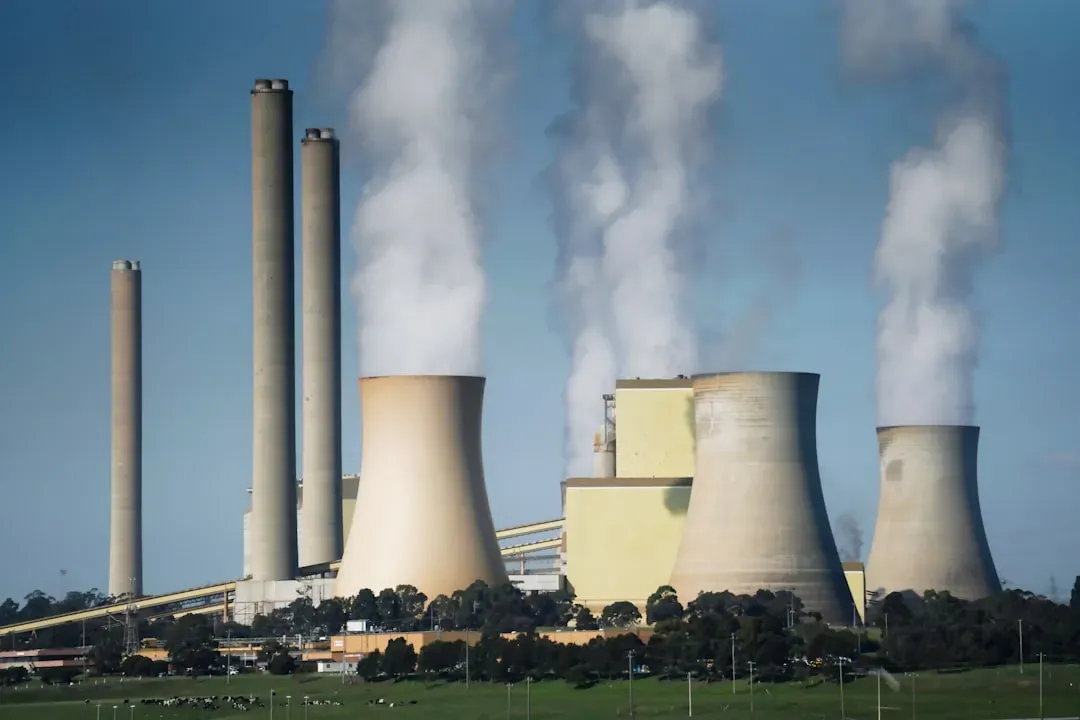
There’s an uncomfortable irony buried inside every heat wave. As temperatures spike and the grid scrambles to keep up, it reaches for whatever power is available fastest, which usually means fossil fuels. Fossil fuel generation rose to meet the additional demand increase driven by high temperatures in 2024. This dynamic was especially pronounced in countries that experienced strong heatwaves, with coal rising to meet higher demand in China and India, and gas rising to meet demand in the US.
In the US, coal rose by 6.4% year-on-year in June 2024, along with a 4.6% increase in gas generation. So the very weather events caused in large part by carbon emissions are triggering the burning of more carbon to cope with them. It’s a feedback loop that should worry anyone paying attention. High temperatures can also make power plants less efficient, particularly those that rely on water for cooling. If cooling water is too warm or insufficient, some plants may have to reduce output or even shut down. The grid gets squeezed from both ends simultaneously.
Data Centers Are Adding a Massive New Layer of Demand
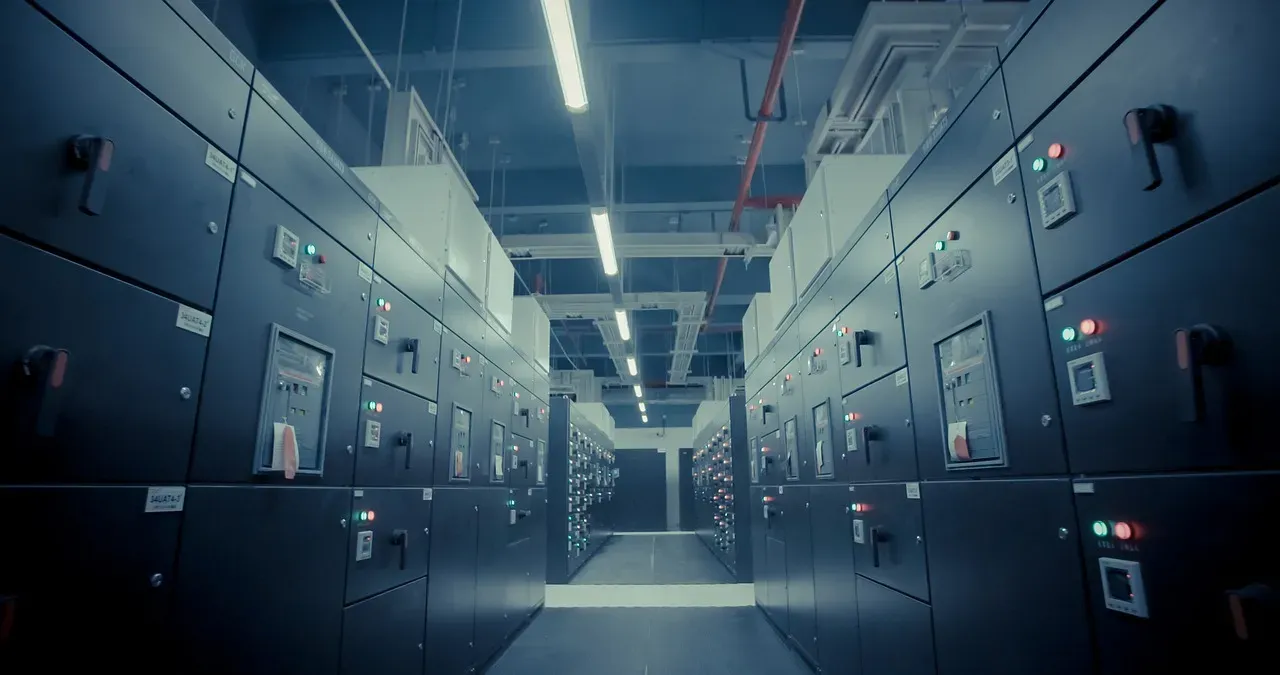
I think this is one of the most underappreciated factors in the entire electricity demand story right now. The explosion of artificial intelligence, cloud computing, and digital infrastructure is creating a completely new category of energy consumption that runs 24 hours a day, 7 days a week, regardless of the weather. Data center build-out, driven by growing demand for artificial intelligence, cloud services, and big data analytics, further adds stress to the grid. Data centers are estimated to consume 9% of US annual electricity generation by 2030.
Power demand for data centers in the United States is expected to reach 606 terawatt-hours by 2030, up from 147 TWh in 2023, according to McKinsey analysis, amounting to 11.7% of total US power demand. When you combine that explosive digital growth with the surging cooling demand of record summers, you get a grid that is being pulled from every direction at once. The IEA reports that data centres consumed around 415 terawatt-hours globally in 2024, a figure estimated to more than double to 945 TWh by 2030.
The Long-Term Outlook: Cooling Demand Could Triple by Mid-Century
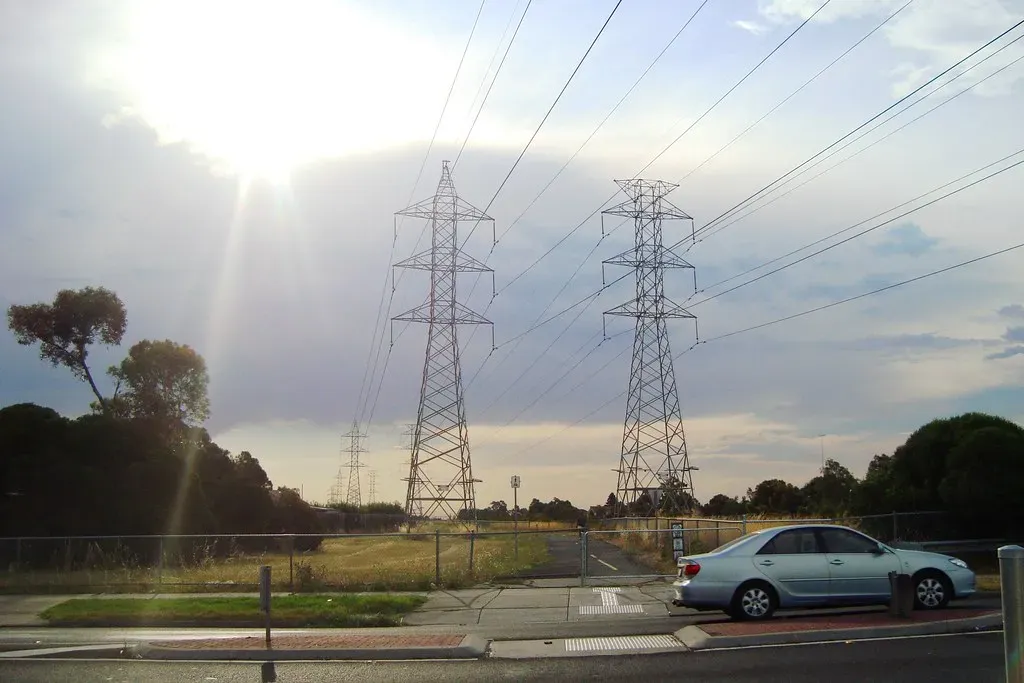
Stepping back from the immediate bill shock, the big picture is arguably even more striking. The IEA estimates that by 2050, electricity demand for cooling alone could triple globally, making heatwaves one of the biggest long-term drivers of power grid stress in human history. That is not hyperbole. That is the trajectory the data currently points toward.
The increasing intensity and extended duration of heatwaves in already hot and humid climates have shifted cooling appliances from being luxury items to becoming necessities. What was once a comfort is now a survival tool, and the grid is expected to carry the full weight of that shift. NERC’s forecast shows a 15% increase in summer peak demand over the next 10 years, a significant acceleration of 132 GW compared to earlier projections. The grid as it exists today was simply not designed for this world.
Conclusion: The Bill Is Just the Beginning

Your power bill next month is not just a household inconvenience. It’s a symptom of something much larger: a mismatch between the electrical infrastructure we built in the 20th century and the climate conditions unfolding in the 21st. The numbers from NERC, the IEA, NOAA, and McKinsey all point in the same uncomfortable direction.
Demand is rising faster than supply can keep pace. Extreme heat is no longer an occasional disruption but an annual stress test for ageing infrastructure. And the cost of that stress is landing, quite literally, in your inbox every month. The question isn’t whether this will affect you. It already is. The real question is how much higher those numbers will climb before meaningful action catches up.
What do you think about it? Are you already feeling the heat in your monthly bills? Tell us in the comments below.