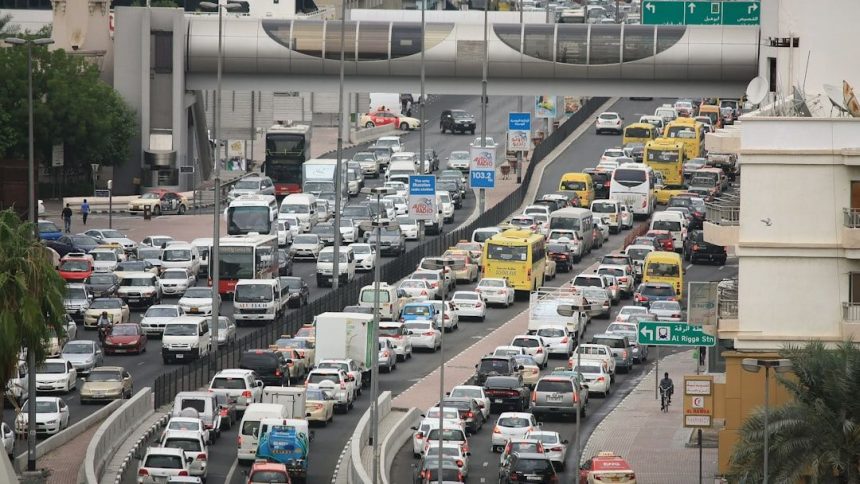
If you’ve ever found yourself crawling bumper to bumper on Interstate 15 at rush hour, engine idling, mind wandering, you already know exactly what this article is about. Interstate 15 is one of America’s most critical and most congested stretches of asphalt, threading through booming cities like Salt Lake City, Las Vegas, and the sprawling communities of Southern California. The problems are real, the frustrations are loud, and the proposed solutions are massive. So, what exactly are transportation agencies planning, and will any of it actually work? Let’s dive in.
A Highway Under Pressure: The Scale of the I-15 Problem

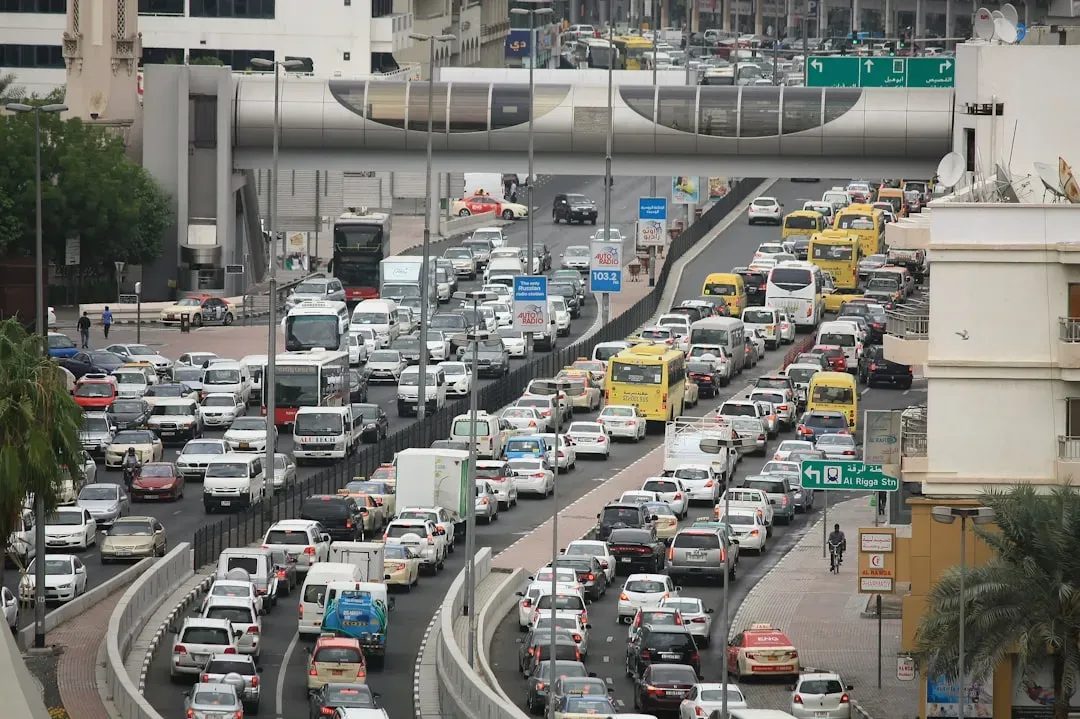
Stretching 1,470 miles along the western mountains of the United States, Interstate 15 traverses six states, starting near the Mexican border in San Diego County, California, and terminating north at the border with Canada. That’s a staggering length for a single road system, and virtually every major metro it passes through is dealing with some version of the same crisis: too many cars, not enough lanes.
Congestion resulted in American drivers losing an average of 43 hours to traffic jams in 2024, equal to about one work week, costing $771 in lost time and productivity. That’s the national average. Along I-15’s most battered urban stretches, the numbers are even grimmer. Honestly, for a lot of commuters, that “one work week” figure isn’t surprising at all. It just finally has a number attached to it.
Salt Lake City: Where the Clock Is Ticking Fastest

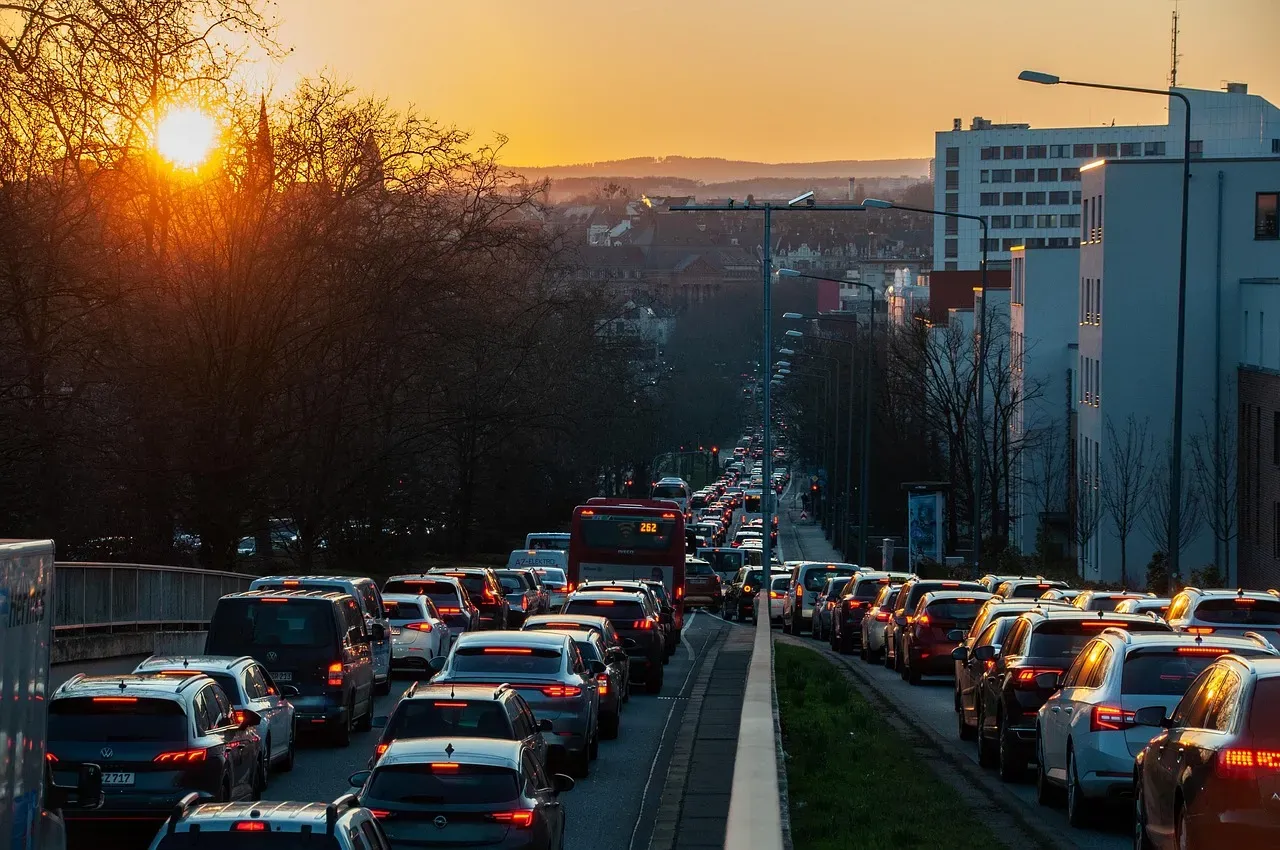
A new report suggests Utahns driving along the Wasatch Front from Farmington to Lehi lost over a day to commute times in 2024. The report shows Utahns lost 25 hours in congested traffic, costing roughly $448 per driver, which is a 9% increase from 2023 and a 10% increase from 2022.
Utah’s current population of 3.3 million is projected to grow to 5 million by 2050, and a 2019 UDOT study assessing the impacts of this growth estimated that travel time along this section of I-15, then around 18 to 19 minutes, would rise to 55 to 66 minutes. Think about that. Your 19-minute drive could turn into a full-hour ordeal within one generation. That’s not a traffic jam, that’s a lifestyle change nobody asked for.
UDOT’s Big Move: The Farmington to Salt Lake City Expansion


The Utah Department of Transportation (UDOT) has conducted an environmental study along the I-15 corridor between Farmington and Salt Lake City to identify solutions to transportation challenges through the year 2050. After years of planning, this process crossed a critical milestone in late 2024. Following the Record of Decision, UDOT’s next step is to prepare for construction, which may begin as soon as 2027, including additional design work, coordination with local governments and utility companies, acquisition of necessary property, and budget allocation.
The Utah Legislature has mandated UDOT to undertake another expansion along a 17-mile stretch of I-15 from Farmington’s Shepard Lane to Salt Lake City’s 400 South. Widening I-15 is part of a comprehensive approach to meeting transportation demand through the year 2050 that includes added capacity to FrontRunner, additional bus service, local and regional roadway improvements and new facilities for those who walk and bike. It’s not just about adding lanes. At least, that’s what the planners want you to believe.
Las Vegas: Three Projects, One Big Headache


The trio of projects in Las Vegas include the I-15 Tropicana Interchange, and the two I-15 North and I-15 South widening projects concurrently taking place. Once the three projects are completed, on top of multiple previous projects including the $1 billion Project Neon, which was completed in 2019, a total of $1.8 billion worth of work will have been done on the busy highway.
Once complete, I-15 will be widened from six to eight general-purpose lanes between Sloan Road and St. Rose Parkway and from six to 11 general-purpose lanes between St. Rose Parkway and Blue Diamond Road. Eleven lanes in one direction. Let that sink in for a moment. Work on the project also includes resurfacing bridges and pavement preservation at the Blue Diamond Interchange and constructing six new sound walls near select areas throughout the corridor.
The Real Cost of Doing Nothing in Las Vegas

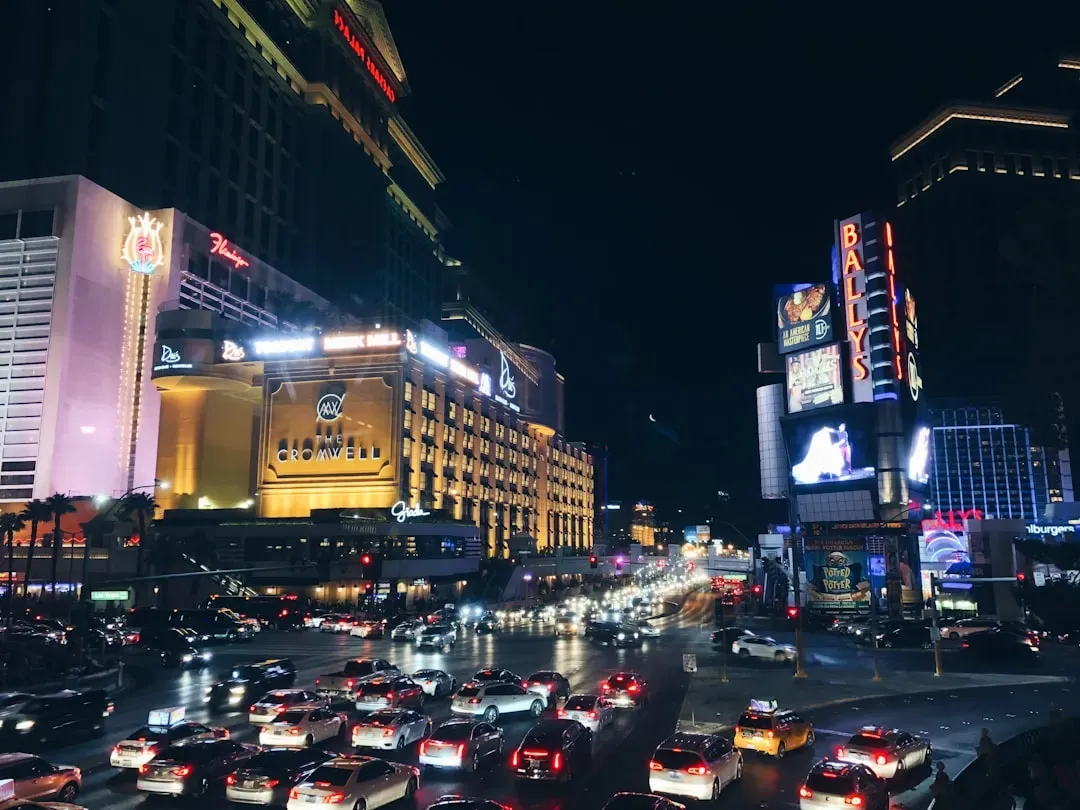
The region is home to 2.3 million people and is growing exponentially, and combined with the fact that Las Vegas welcomes over 42 million tourists per year, it’s easy to see why Las Vegas continues to have significant road surface congestion. The city doesn’t just deal with commuter traffic. It deals with visitor traffic layered on top of it, every single day of the year.
According to a study conducted by TRIP, the rapidly growing population struggles with traffic congestion, resulting in an average of over $2,600 per year per driver in lost wages, collisions, increased fuel consumption, and wear and tear. Typical Las Vegas commuters spent 110 hours driving, of which 31 hours were due to congestion. That’s a brutal tax on everyday life, paid out quietly, one red light at a time.
Southern California’s Southern Extension: A $650 Million Gamble
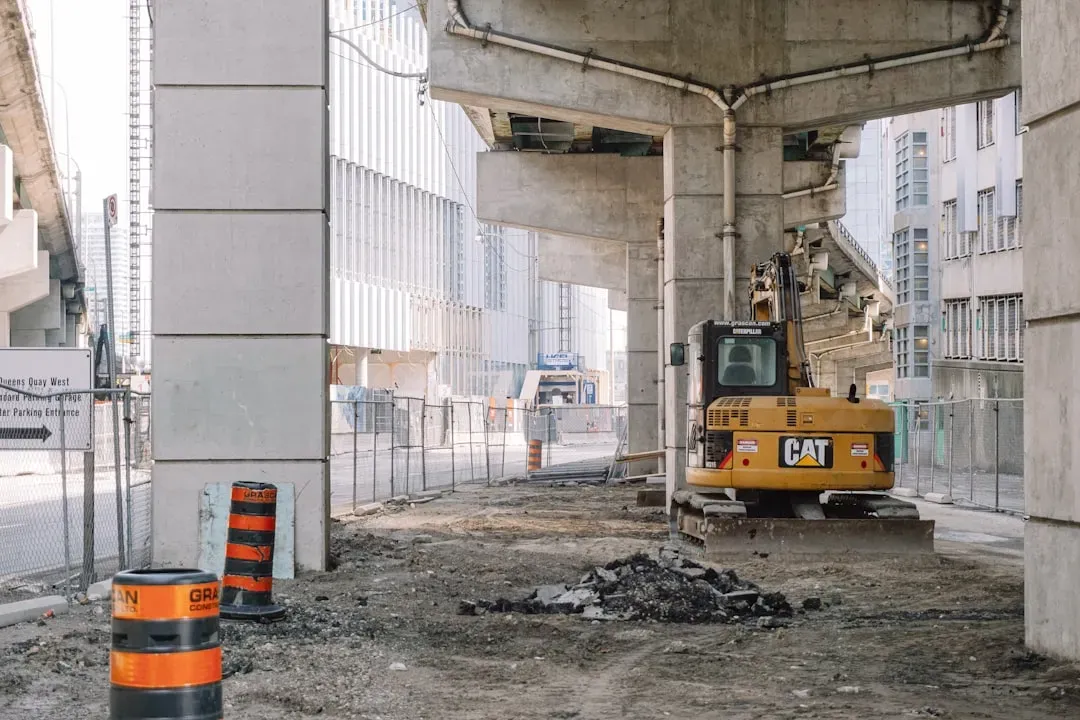
RCTC released the Draft Environmental Impact Report and Environmental Assessment for public review and comment on October 9, 2024. This relates to the I-15 Express Lanes Project Southern Extension in Riverside County, California, one of the most complex and expensive pieces of the overall I-15 puzzle. The total project cost is estimated to be $550 to $650 million.
The environmental phase of work began in 2019, with an anticipated completion date of 2025, due to the complexity of the project corridor, which crosses multiple jurisdictions, widens up to 15 bridges, and may affect numerous waterways. Construction could begin in 2027, depending on funding availability. There’s a familiar theme here across every I-15 project: massive costs, layered complexity, and that magic word, “pending.”
The Smart Freeway: Technology as a Traffic Fix

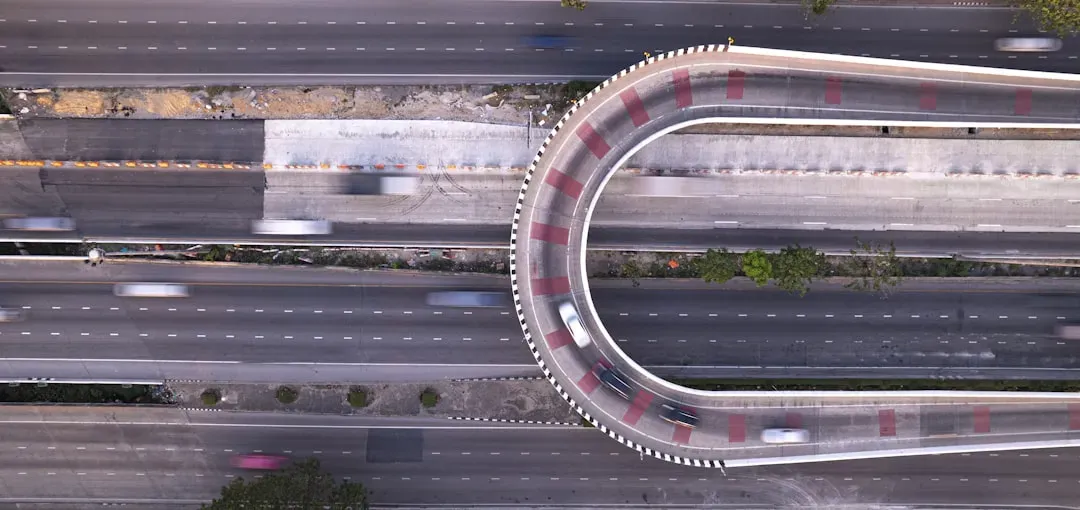
Here’s the thing, not every solution requires tearing up the road and pouring more concrete. Designed as a two-year pilot project, the I-15 Smart Freeway Pilot Project is anticipated to improve overall traffic flow and reduce rear-end collisions by maintaining steady travel speeds within the I-15 corridor, without highway expansion and related construction costs and impacts.
Construction, including installing the “smart” technology, coordinating on-ramp signal timing, and placing roadside informational signs, began in January 2025 and should take about a year, with operations potentially starting in 2026 as a pilot project for two years. During the pilot period, RCTC and Caltrans will evaluate the project to assess its effect on traffic congestion and determine possible expansion of the program statewide. It’s a fascinating idea, using brains instead of brawn to fight gridlock.
St. George and the Growing Southern Utah Problem


UDOT is designing improvements for Interstate 15 through St. George, Utah, to accommodate the area’s long-term transportation and mobility needs, including widening northbound and southbound I-15 from two lanes to three lanes between Bluff Street and St. George Boulevard. St. George is one of Utah’s fastest-growing regions, and its highway infrastructure has simply not kept pace with its population boom.
The design phase is anticipated to take about 18 months, from fall 2024 through early 2026, and construction is expected to last about two years from mid-2026 through 2028. This is small-scale compared to the Salt Lake City projects, but it matters enormously to the communities depending on this corridor for daily movement and commerce.
The Induced Demand Debate: Will More Lanes Even Help?

Let’s be real. Not everyone is cheering for these expansions. There’s a growing chorus of voices pointing to a concept called “induced demand,” which basically says that building more road capacity simply invites more drivers, leaving you back where you started. Opponents of the I-15 expansion have criticized UDOT’s model as “overinflated,” noting also that the agency’s projections for the US-89 project overestimated the number of highway users by as much as roughly one third.
Dr. Grant Schultz, a transportation engineering professor at Brigham Young University, has noted that roads alone cannot solve the problem, and his suggested solutions call for improving public transportation, leveraging technology, fostering remote work and flexible hours, and promoting alternative modes of transportation to alleviate traffic. Traffic analysis shows that to meet the travel needs of all the people expected in the Utah area by 2050, all travel modes, including roadways, transit, bike and pedestrian paths, will need to be expanded, and either transit or road expansion alone will not meet the need. It’s a valid tension, and one that deserves an honest public conversation.
What It All Means for the 5 PM Commuter
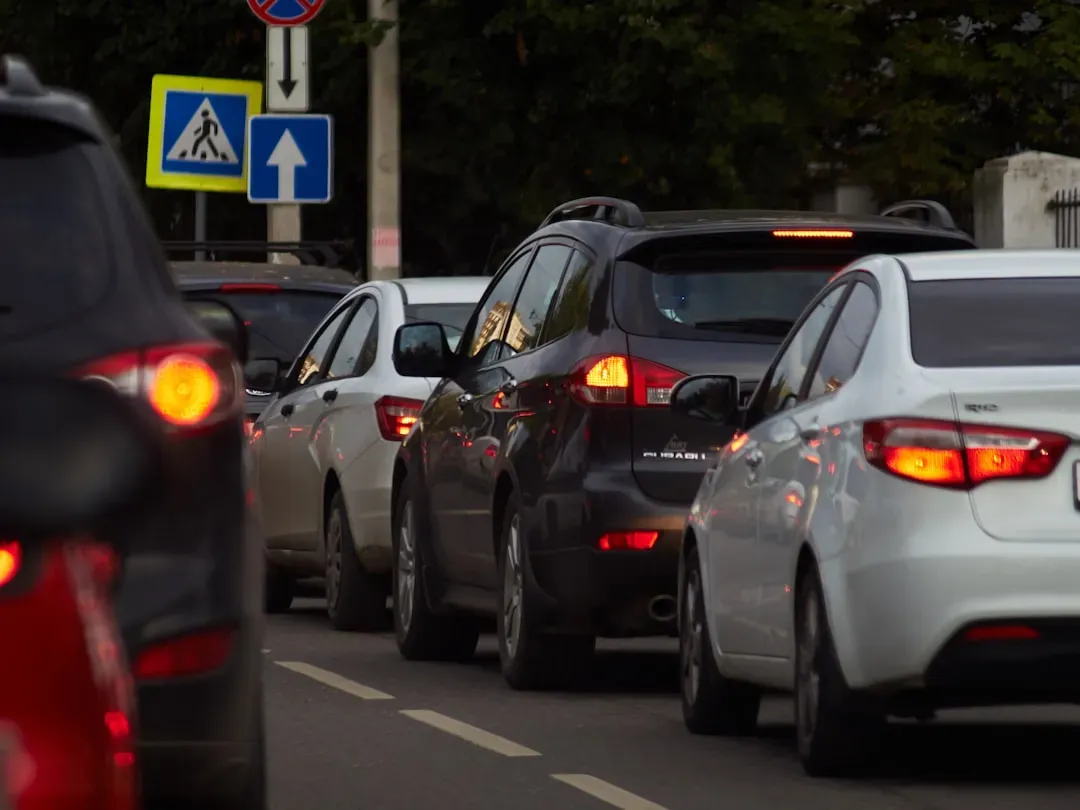
If you’re the person sitting in traffic right now, phone on the passenger seat, knuckles tightening on the wheel, here’s where things stand. Several major I-15 expansion and improvement projects are funded, designed, or currently under construction from Southern California through Nevada and up through Utah. The Utah Transportation Commission approved a group of freeway-related projects for northwest Utah County totaling up to nearly $1.4 billion, approved by the Utah Legislature.
With Utah’s population expected to nearly double by 2050 and even quadruple in areas such as Saratoga Springs and Eagle Mountain, the problem is only going to get worse without intervention. The plans are ambitious, the price tags are enormous, and the timeline stretches years into the future. The 5 PM nightmare is not going away soon, but the machinery to fight it is, finally and loudly, moving into gear. What do you think, is more concrete really the answer, or is it time to rethink how we move entirely? Tell us in the comments.