There’s a particular kind of silence that falls over a theater when an actor appears on screen for the last time, and everyone in the audience already knows it. Sometimes that knowledge arrives with the film’s marketing, sometimes it settles in slowly during the credits. Either way, a handful of performances have taken on a weight far beyond the story they were meant to tell, turning ordinary scenes into something closer to a farewell letter.
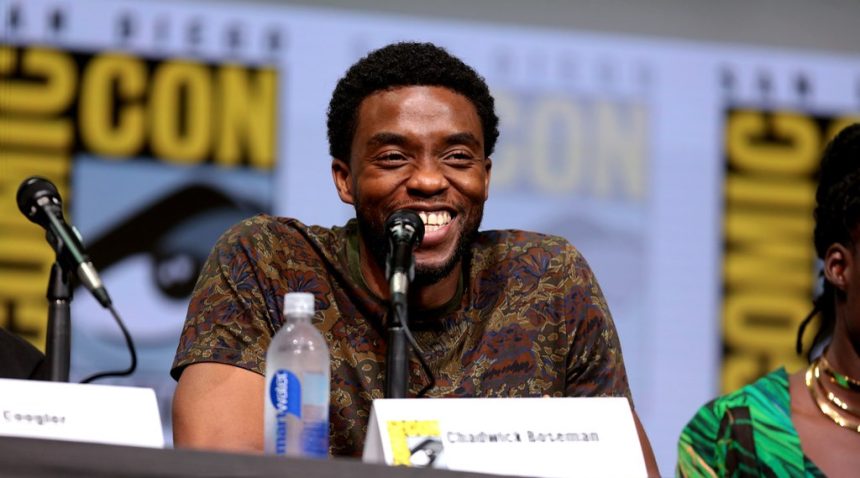
Chadwick Boseman in Ma Rainey’s Black Bottom
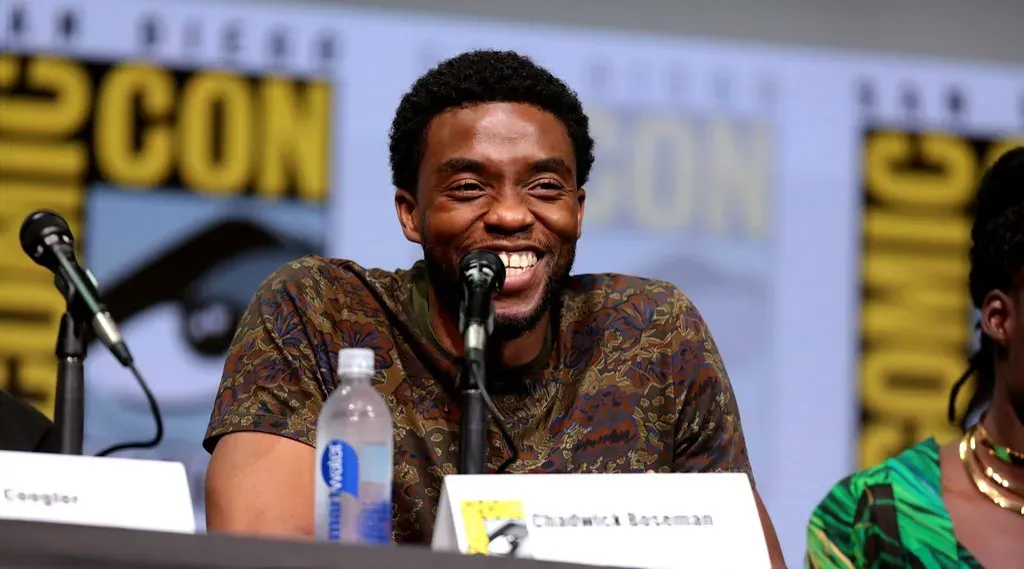
Boseman spent his career playing men of quiet dignity, from Jackie Robinson to T’Challa, so his final role as a volatile, ambitious trumpet player named Levee felt like a deliberate departure. He died of cancer in 2020, not long after he finished shooting this adaptation of August Wilson’s play, and his final screen performance as a troubled trumpet player ranks among his best. Critics who watched the film after his death noted how visibly thin he appeared on screen, a detail that only became clear in hindsight.
Knowing what we know now, it is exceedingly obvious that Boseman was physically diminished by his cancer while shooting the film, rail thin with sunken cheeks, gone the muscular presence of his T’Challa. Yet the performance itself never asked for sympathy. Boseman delivers two scorching soliloquies that would prompt tears even if they weren’t agonizing reminders of what fans lost with his passing.
Heath Ledger in The Dark Knight
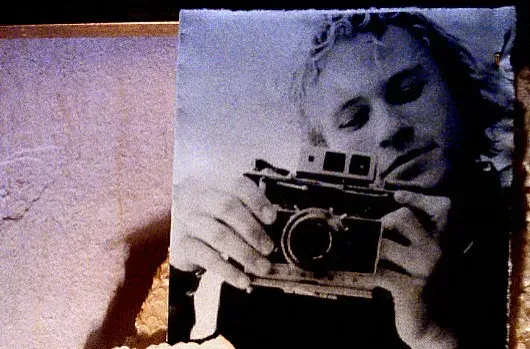
Ledger’s Joker remains the performance most people think of when they picture an actor’s last complete work, even though it technically wasn’t his final film shoot. Ledger had completed filming for The Dark Knight before his death, making it his final fully shot film appearance. He had, in fact, begun work on another project before he passed, but that one would never be finished the way audiences expected.
The response to the finished film was overwhelming. Intrigued by his final performance, as creepy and diabolic as advertised, audiences lifted the film to record-breaking grosses. His work eventually earned him the Academy Award for Best Supporting Actor, a rare posthumous honor that only underscored how much the performance had already meant to people before the awards ceremony even happened.
Paul Walker in Furious 7
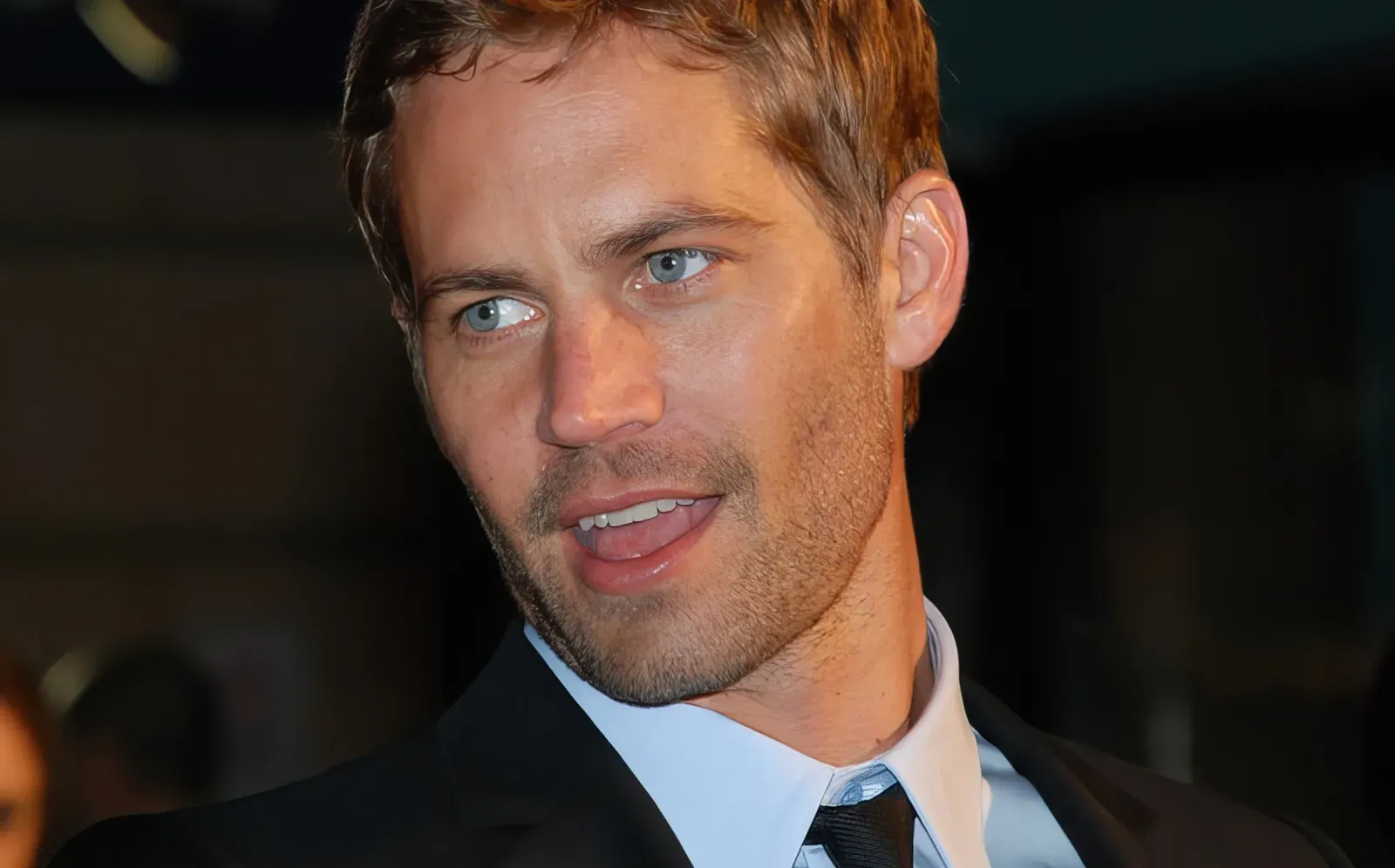
Few posthumous releases carry the emotional charge of Furious 7, a film that had to reinvent itself mid-production after tragedy struck its cast. Paul Walker’s final film released was Furious 7 in 2015, though he died in November 2013 while the movie was still in production, forcing filmmakers to finish his scenes with visual effects and performance capture from his brothers. That kind of technical patchwork could easily have felt hollow, but the crew handled it with unusual care.
Rather than kill off his character, the studio chose a gentler path. Furious 7 retired Brian rather than kill him off, adding new scenes to allow the franchise to continue without him. The film’s closing sequence, a quiet farewell on an open road, became one of the most talked about send-offs in modern blockbuster history, and it still circulates online as a standalone tribute years later.
James Gandolfini in The Drop
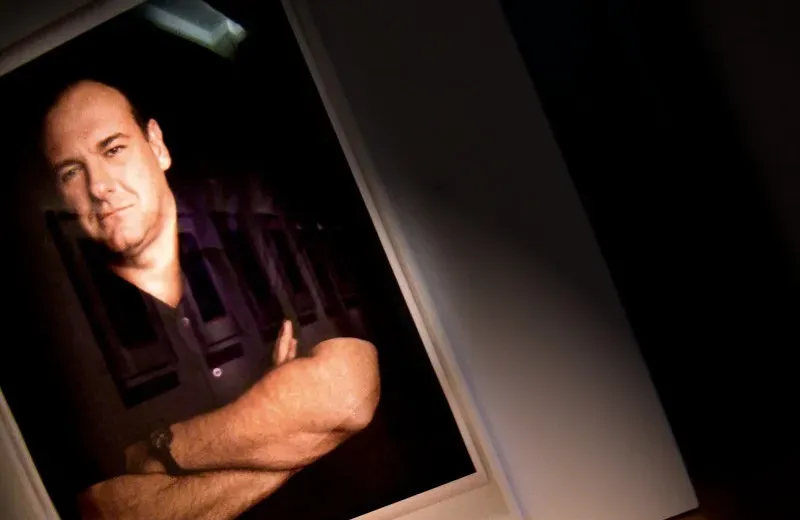
Gandolfini spent decades being defined by a single towering television role, so it felt fitting that his last film performance revealed a gentler, more restrained side of him. Gandolfini’s final completed role was in The Drop, which he finished shortly before he died. The film, a modest Brooklyn crime drama, gave him space to be quiet and wounded rather than commanding.
His sudden death in 2013 shifted how audiences watched the film once it finally reached theaters. James Gandolfini’s last role in the romantic drama The Drop showcased his remarkable range, and following his sudden passing, the film stands as a fitting tribute to his incredible skill. There’s nothing showy about the performance, which is exactly why it lingers.
Robin Williams in Night at the Museum: Secret of the Tomb
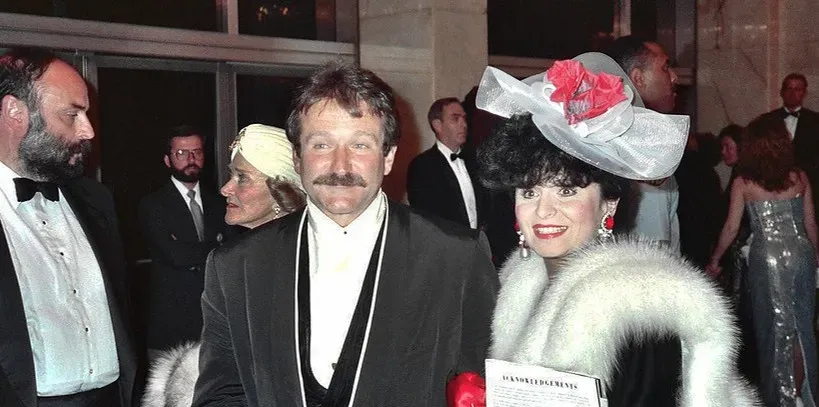
Williams left behind more than one posthumous credit, but his final live action theatrical role came in a family franchise that suited his warmth perfectly. Robin Williams appeared on screen in Night at the Museum Secret of the Tomb, which premiered after his death with his scenes as Teddy Roosevelt completed. Watching him play a wax figure of a beloved historical leader took on unexpected poignancy once his death became public.
The role captured something essential about his screen presence, a mix of playfulness and unexpected sincerity. Williams’ final live action role offered a heartwarming farewell, and as Theodore Roosevelt he delivered a performance filled with warmth, showcasing his unique ability to blend humor with humanity. Even in a lighthearted family adventure, audiences could sense they were watching something end.
Carrie Fisher in Star Wars: The Rise of Skywalker
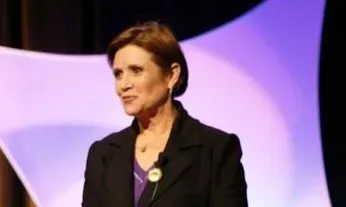
Fisher’s situation was unusual among this group, since she had already completed her scenes for one film before her death, and the studio had to build an entirely new performance around footage that already existed. Fisher finished principal photography on Star Wars The Last Jedi before she died, and Lucasfilm subsequently used unused footage from that film’s shoot and earlier material to craft Leia’s presence in The Rise of Skywalker. It was an unconventional solution, and one the filmmakers approached carefully.
Director JJ Abrams spoke about the difficulty of the task while promoting the film. The writers had agonised over giving Fisher’s beloved General Leia Organa a fitting send-off in the ninth instalment. The result gave longtime fans a final glimpse of Leia that felt earned rather than artificially assembled, closing out a trilogy of trilogies with a character who had been present since 1977.
Philip Seymour Hoffman in The Hunger Games: Mockingjay Part 2
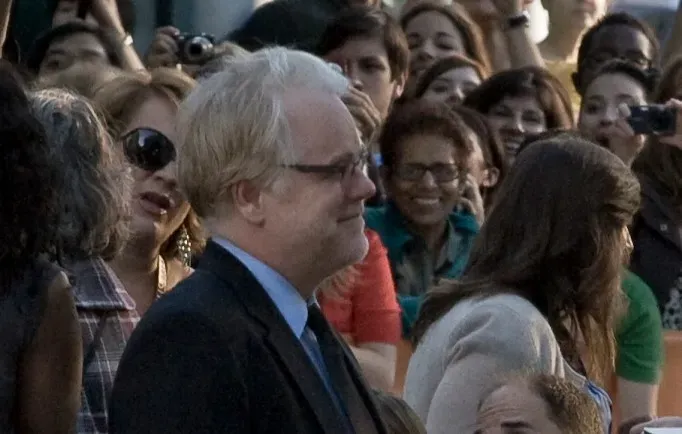
Hoffman’s death in early 2014 came while he was still mid production on the two part finale of a major young adult franchise, leaving the filmmakers with a genuine puzzle to solve. Philip Seymour Hoffman’s last film credit was The Hunger Games Mockingjay Part 2 in 2015, having completed most of his work on both Mockingjay installments before his death in February 2014, with some scenes adjusted to account for material he could not finish. The character of Plutarch Heavensbee required careful rewriting to accommodate the gap.
Despite the constraints, his presence still carried the film. As Plutarch Heavensbee in Mockingjay Part 2, Philip Seymour Hoffman shone with gravitas. It was a fittingly serious note for an actor whose career had been built on unflashy, deeply felt work rather than star power alone.
Alan Rickman in Eye in the Sky
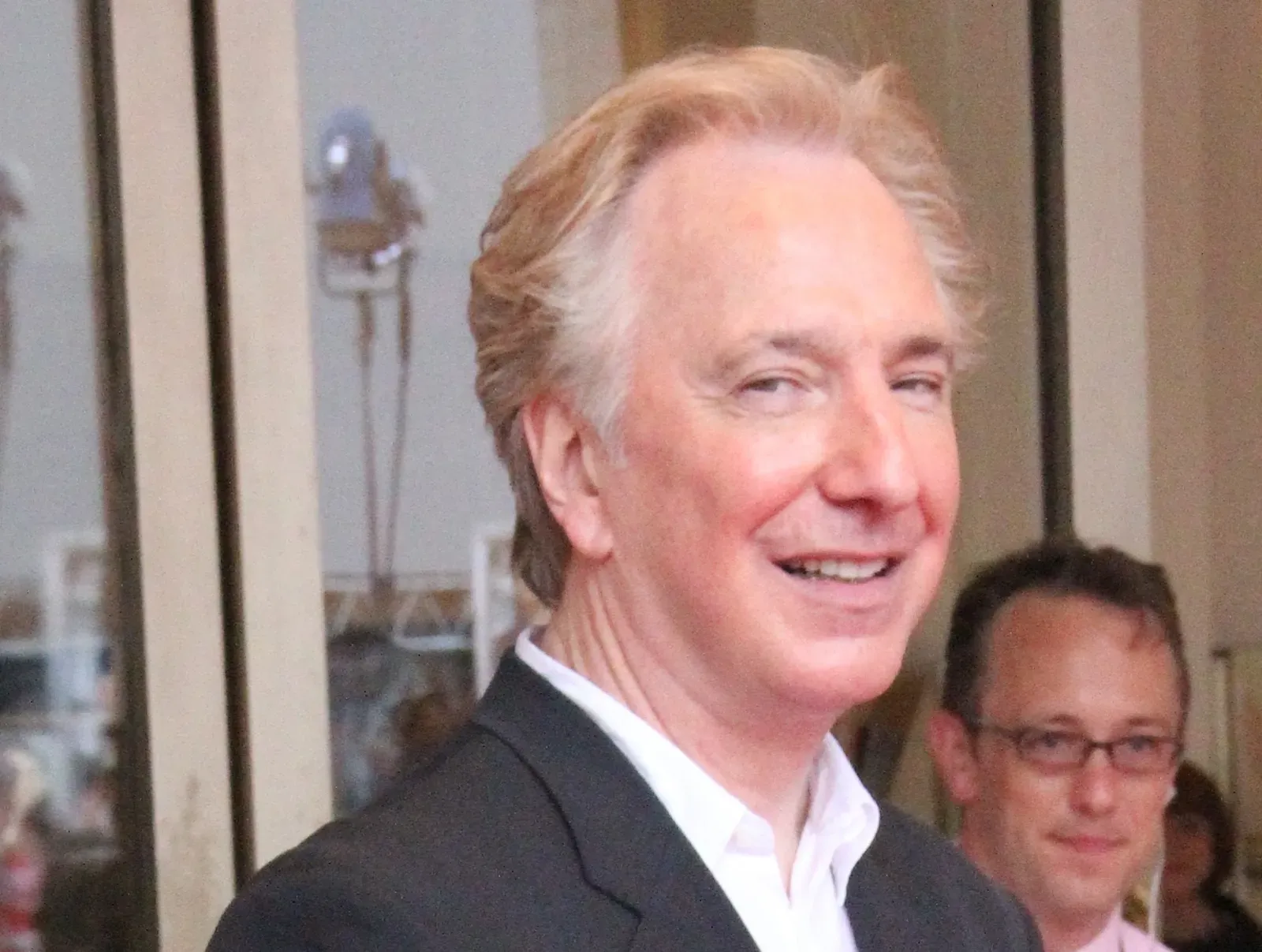
Rickman’s final screen credit was far removed from the wizardry and villainy he was best known for, trading Hogwarts and Nottingham for a tense modern military drama. Alan Rickman’s final on-screen role was Eye in the Sky, released in 2016. The film cast him as a British officer navigating the moral weight of a drone strike decision, a role built on restraint rather than theatrical flourish.
It was a quiet way to close out a career defined by unforgettable voices and precise timing, from Hans Gruber to Severus Snape. There was no fanfare built into the production, no last dramatic monologue engineered for the occasion. The film simply let him do what he always did best, inhabit a character with total conviction, and audiences who watched it after his death in January 2016 found that restraint made the goodbye feel even more real.
Remembering the last frame
Partner offer
Planning a trip to Vegas?
Compare hotel rates and show tickets on VEGAS.com.
Partner offer